Galadriel
Galadriel, the Lady of Lórien, stands as one of the most powerful and enigmatic figures in Middle-earth, a being of immense age, wisdom, and beauty whose realm of Lothlórien is a sanctuary of Elven magic and memory. Her significance in the War of the Ring is profound, not only as a protector and guide to the Fellowship but as a character whose personal trial with the One Ring becomes a defining moment in the struggle against Sauron. Her choice to reject the Ring's offer of dominion, choosing instead to diminish and pass into the West, encapsulates the central theme of resisting the corrupting allure of power and accepting the natural fading of the Elves.
Identity and Background
Galadriel is introduced as the Lady of the Galadhrim, the ruler of Lothlórien alongside her husband, Celeborn. She is described as being 'wise and fearless and fair,' a being of such stature that even the mighty wizard Gandalf treats her with deep respect. Her power is not merely political but intrinsic, rooted in the ancient history of the Elves and their connection to the land. She is a figure of the Elder Days, one who has witnessed the long defeat of her people and carries the weight of their undying regret for the world that is passing away.
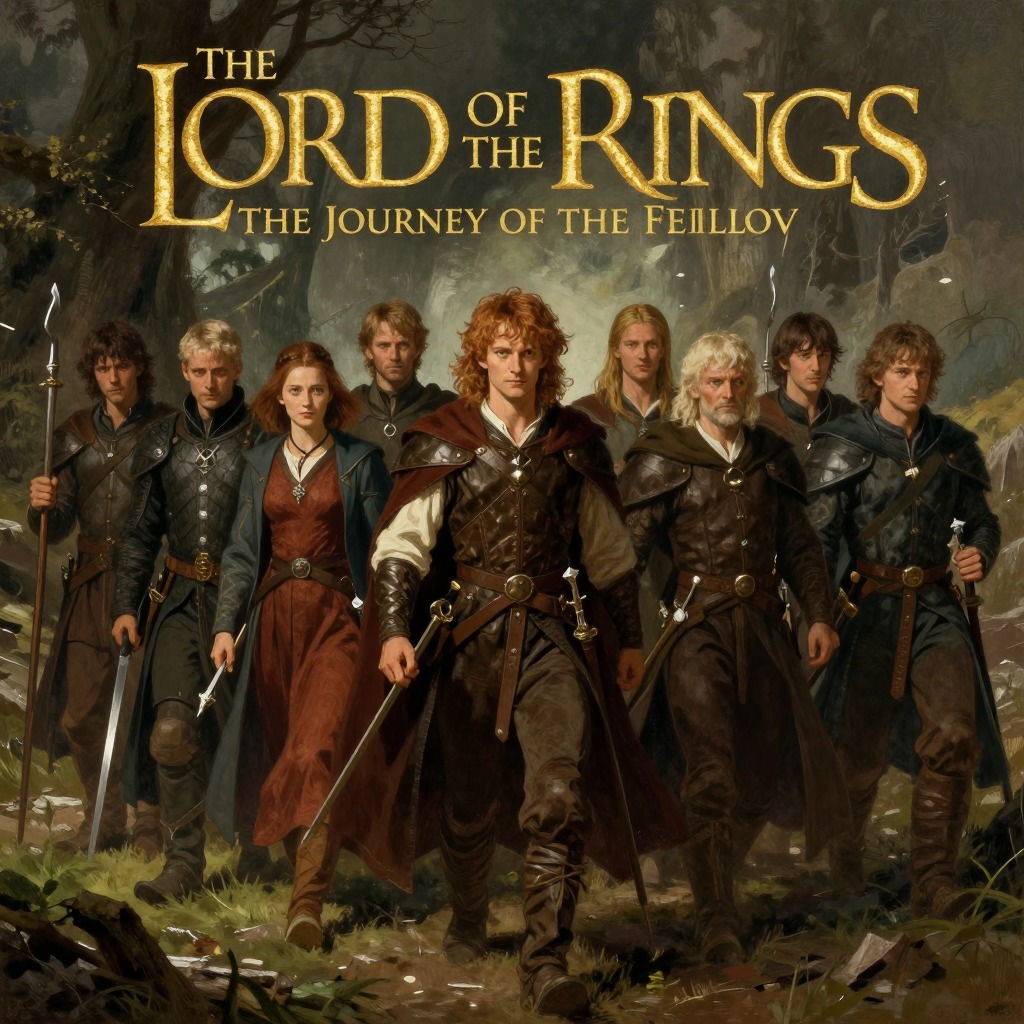
Her realm, Lothlórien, is a place of timeless beauty and potent magic, a stark contrast to the encroaching darkness of Mordor. It is here that the Fellowship, weary and grieving after the loss of Gandalf in Moria, finds a brief respite. Galadriel's presence is felt throughout the land, her power woven into the very trees and air, creating a sanctuary that feels both ancient and otherworldly. She is the heart of this realm, its guardian and its living symbol of a fading age.
The Test of the Ring
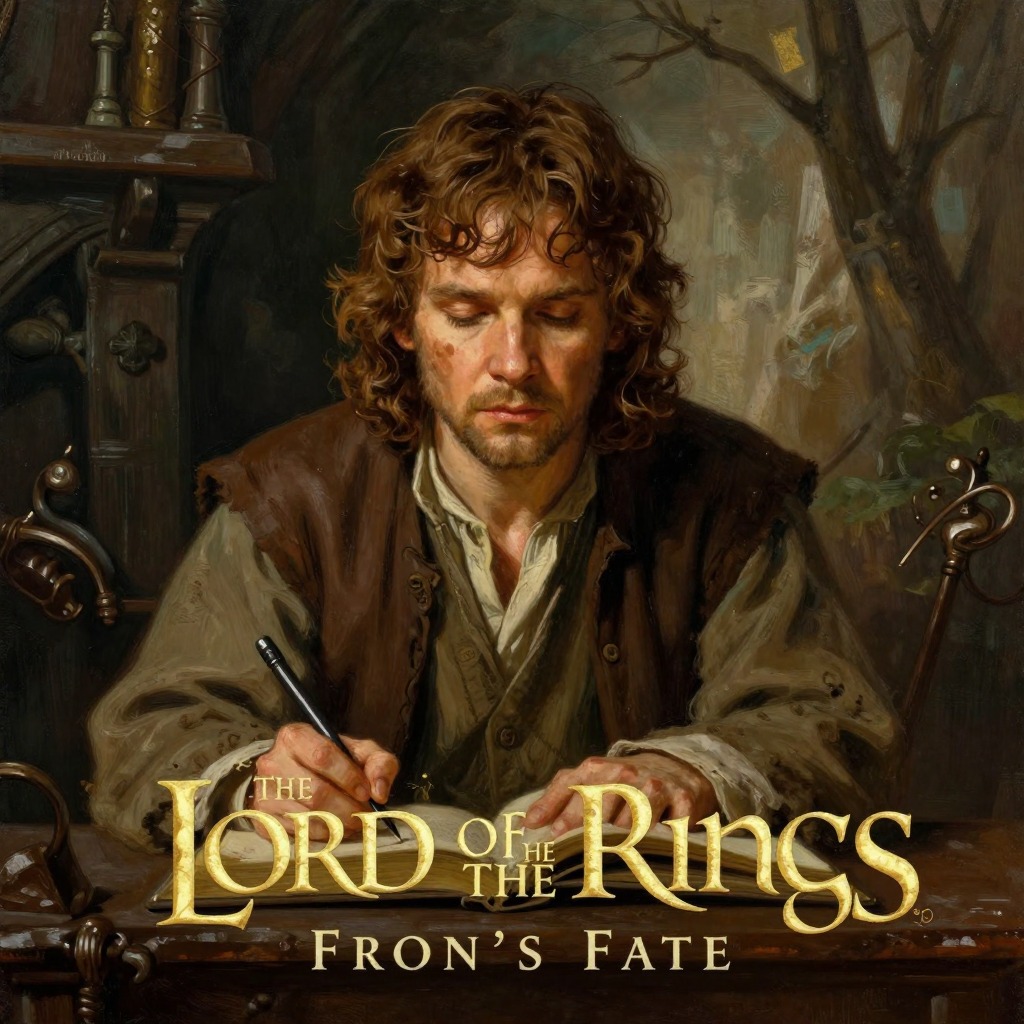
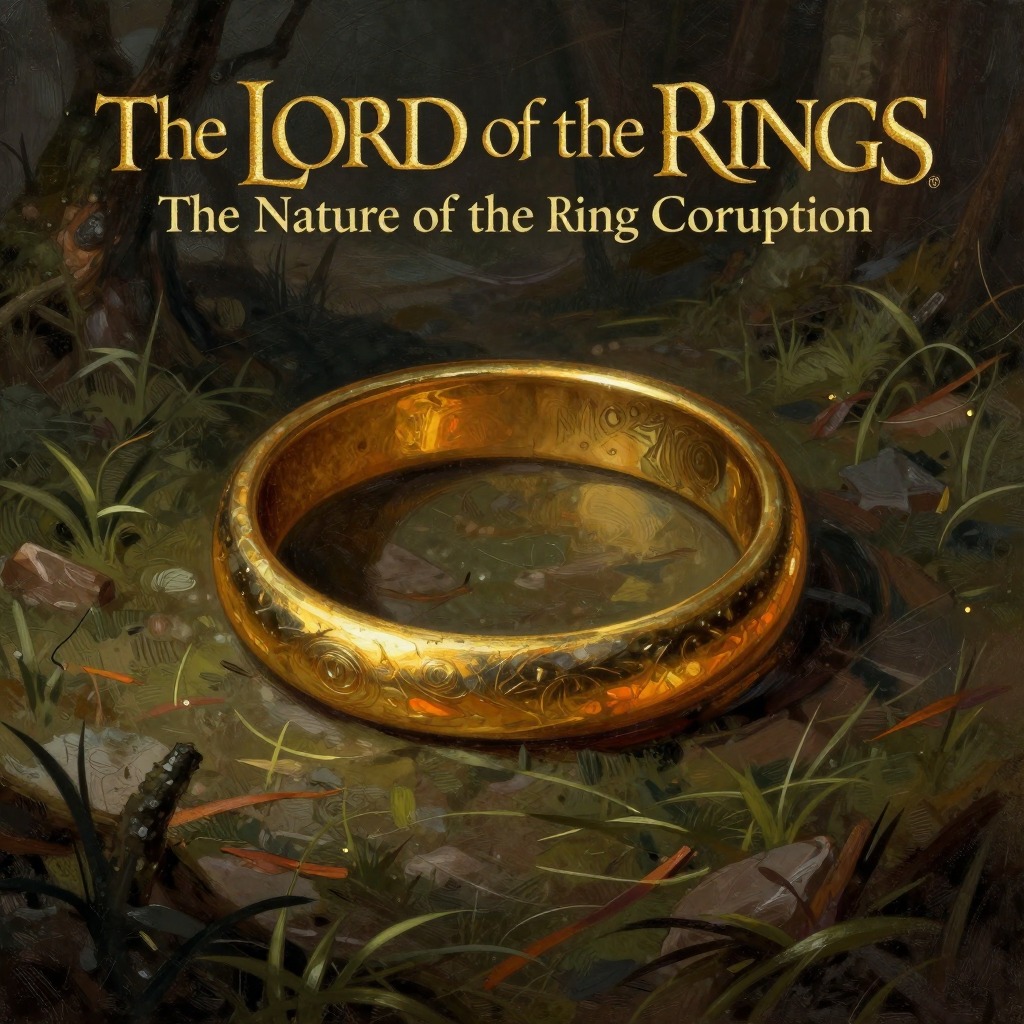
The most critical moment of Galadriel's role in the story occurs when Frodo Baggins, overwhelmed by the burden of the One Ring, offers it to her. He says, 'You are wise and fearless and fair, Lady Galadriel. I will give you the One Ring, if you ask for it. It is too great a matter for me.' This is not a simple offer but a profound test, both of Frodo's judgment and of Galadriel's own heart. She acknowledges that she has long pondered what she would do if the Great Ring came into her hands, and that her heart has 'greatly desired' to accept it.
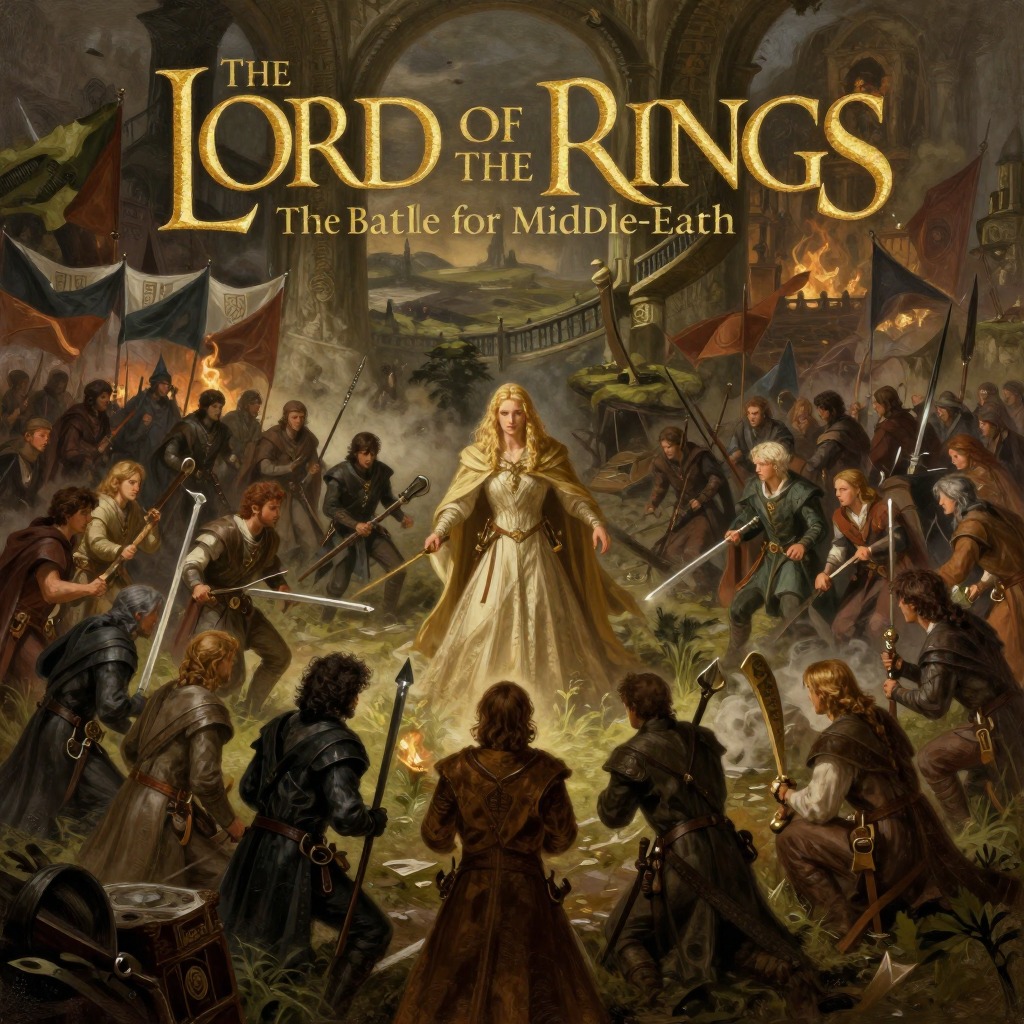
In a moment of terrifying vision, Galadriel reveals what she would become if she took the Ring. She speaks of being 'beautiful and terrible as the Morning and the Night,' 'Dreadful as the Storm and the Lightning,' and 'Stronger than the foundations of the earth.' As she speaks, a great light issues from the ring she wears, and she appears to Frodo as 'tall beyond measurement, and beautiful beyond enduring, terrible and worshipful.' This is the temptation of absolute power, and for a moment, she is its embodiment.
But then she lets her hand fall, the light fades, and she is shrunken again to a 'slender elf-woman, clad in simple white, whose gentle voice was soft and sad.' She passes the test. Her words, 'I pass the test. I will diminish, and go into the West, and remain Galadriel,' are a declaration of her choice to remain true to herself rather than become a dark queen. This moment is a powerful inversion of the Ring's corrupting influence, showing that even the greatest can resist, and that true strength lies in accepting one's own fading rather than grasping for power.
Role as Guide and Protector
Beyond this personal trial, Galadriel acts as a guide and protector to the Fellowship. She offers them counsel and gifts that prove vital to their quest. Her wisdom is evident in her understanding of the larger forces at play, and she speaks of the fate of Lothlórien with a clear-eyed acceptance, stating that the Elves will 'cast all away rather than submit to Sauron.' She is not naive about the danger, but she is resolute in her defiance.
Her connection to Frodo is particularly significant. She sees the weight he carries and offers him a vision of what could be, testing his heart as she tests her own. Her offer to take the Ring is not a simple temptation but a recognition of his burden and a willingness to share it, even at the cost of her own soul. When he refuses to give it freely, she acknowledges his strength and his courtesy, noting that he has 'met her match in courtesy' and that she is 'gently revenged' for her earlier testing of his heart. This exchange reveals a deep mutual respect between the ancient Elf and the young hobbit.
Thematic Significance
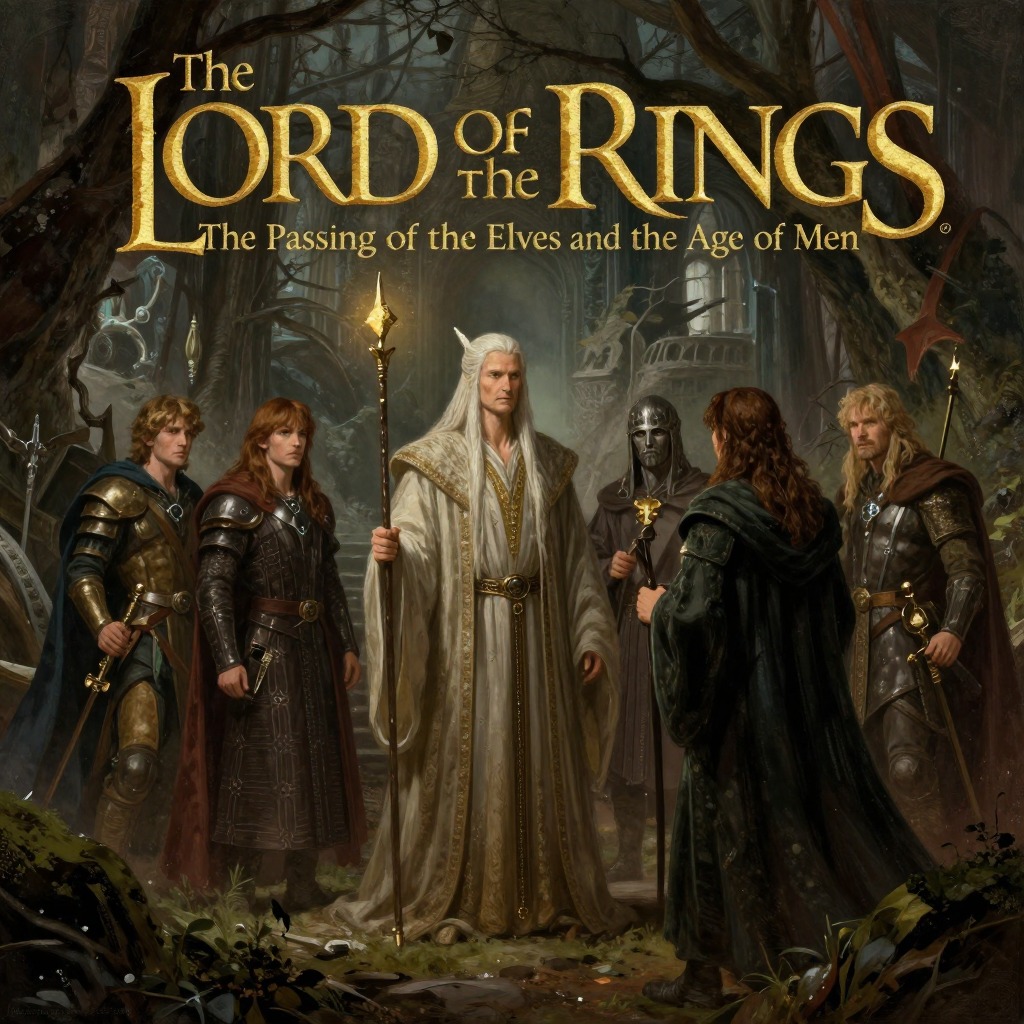
Galadriel's story is a meditation on the nature of power, temptation, and the long defeat of the Elves. Her choice to diminish rather than to rule is a rejection of the Ring's fundamental premise, that power is the ultimate good. She embodies the idea that there is a beauty and a strength in acceptance, in letting go, and in passing on. Her fate is tied to the fate of the Elves themselves, who are fading from Middle-earth as the age of Men begins.
Her line, 'I will diminish, and go into the West,' is not a lament but a statement of purpose. It is a choice to remain true to her own nature, to be 'Galadriel' rather than a tyrant. In a story filled with characters who are corrupted by the desire for power, she stands as a counter-example, a being of immense power who chooses to lay it down. Her trial and her triumph are a quiet but essential counterpoint to the epic battles and grand sacrifices of the War of the Ring, reminding the reader that the most important victories are often won within the heart.