Edward Casaubon
MiddlemarchEdward Casaubon enters the novel with the standing of an eminent, wealthy scholar and the burden of a vast unfinished work. His marriage to Dorothea Brooke turns that work into a test of the life he has built around learning: he hopes for a devoted assistant and heir to his labor, while she longs for an intellectual and moral fellowship that his guarded, self-absorbed nature cannot provide. His death leaves behind a research project he cannot complete, a promise Dorothea never gets to answer, and a codicil that complicates her future with Will Ladislaw.
Identity and Scholarly Ambition
When Sir James Chettam announces that the Reverend Edward Casaubon will dine at Tipton Grange, the sisters have never met him, but Dorothea already anticipates him with reverence. In the county he is known as a man of profound learning and wealth, occupied for years with a major work on religious history. His name carries the weight of scholarship even before the substance of that work is fully understood.
Casaubon describes the project to Dorothea as an attempt to show that the world’s mythological systems and scattered mythical fragments are corruptions of a tradition originally revealed. He believes his method will surpass earlier attempts through thoroughness, fair comparison, and effective arrangement. Its scale is immense, and the labyrinthine design that attracts Dorothea also obscures how far the research has advanced toward a finished argument. His ambition is to impose a single coherent origin on a vast and varied body of material.
The work has occupied most of his adult life, and its unfinished state is bound up with his sense of personal importance. When he speaks to Lydgate about his health, he explains that his life derives possible significance from labor extended through its best years. He wants to leave the work in a condition in which others can commit it to print, and hopes a frank assessment of his prospects will help him limit his attempts. Scholarship is not merely his profession: it is the project through which he hopes his life will acquire a durable purpose.
Marriage and the Limits of Fellowship
Casaubon’s proposal presents marriage as the answer to a need in his life. In his letter to Dorothea, he interprets their acquaintance as a correspondence between his need and her particular fitness to meet it. He acknowledges that the affections have affected him despite the demands of work too specialized to abandon. Dorothea accepts, and tells Celia that she is engaged to marry him.
The couple imagine different futures within that decision. Dorothea regards marriage chiefly as the beginning of new duties and assumes that Casaubon’s mind is far above her own. She expects to assist a superior intellect, even if his studies sometimes exclude her. Casaubon, by contrast, sees in her a potentially useful helpmate whose abilities might spare him the expense and unease of employing a secretary. He imagines that Providence has supplied the wife he needs; the possibility that she may need something from him beyond marriage itself scarcely enters his calculations.
Their honeymoon in Rome brings Dorothea’s expectations into conflict with experience. The city’s historical depth and unfamiliar objects awaken her thought and feeling, while Casaubon’s commentary seems to her to repeat what is already worn out for him. She begins to experience anger, repulsion, and weary desolation, but initially turns the blame inward, reasoning that she married by choice and ought to have been prepared for duties that did not satisfy her. Her distress thus becomes not only a marital disappointment but a crisis of self-judgment.
Dorothea nevertheless tries to make the marriage answerable to its original promise. She urges Casaubon to choose from his many volumes and begin writing the book that would make his knowledge useful to the world. She offers to take dictation, copy, and extract materials, explaining that she can be of no other use. Her willingness is practical and earnest; the slight sob with which she ends her appeal marks how much she wants their lives to meet in shared labor.
Casaubon rebuffs the request by claiming the authority to determine the proper time and stages of his work. He describes criticism as the impatient scorn of superficial observers who cannot judge what lies beyond their reach. His defense of scholarly discretion protects him from Dorothea’s urging, but also turns her desire to help into an alleged failure of understanding. The work’s supposed scale becomes both a shield against scrutiny and a barrier to the cooperation she seeks.
Character and Inner Conflict
The narration gives Casaubon an interior life that his public image conceals. He has not known much happiness, and his sensitivity is described as too languid to become enthusiasm or sympathy. Instead of moving beyond self-consciousness, he remains preoccupied with his own narrow feelings and scruples. He can exercise severe self-restraint and is determined to behave as a man of honor, yet propriety does not produce warmth or generosity in his closest relationships.
Marriage intensifies this pattern rather than transforming it. Even before the wedding, Casaubon recognizes that the new happiness is not making him happy; domestic life draws him back toward the easier habits of solitude. He is more satisfied by the knowledge that he is discharging an obligation properly than by intimacy itself. He means to involve Dorothea in his study, but continually defers the effort until she presses him to make his project useful to her as well as to himself.
His response to Will reveals how the same inward unease can turn into jealousy. Casaubon thinks it improper that Dorothea received Will in his absence, but refrains from making it a fresh complaint while she is already distressed. He fears that Will’s decision to reject his support and settle near Dorothea has a hidden motive: in Casaubon’s view, the young man means to oppose him and win his wife’s confidence. Casaubon does not suspect Dorothea of deception, but interprets Will’s actions as an effort to weaken her respect for her husband.
That suspicion informs Casaubon’s direct instructions to Dorothea. He insists that she is not qualified to judge matters he considers his own, rejects any revision or dictation from her, and forbids her to interfere between him and Will or to encourage Will’s communications. He presents the dispute as one of authority and family claims, while its personal force lies in his fear that Dorothea’s trust may be moving beyond his control. His formal language sustains an appearance of reason even as anxiety narrows his judgment.
Illness, the Unfinished Work, and Death
Casaubon’s physical vulnerability becomes visible in the library, where a book falls loudly to the floor and Dorothea finds him in distress for breath. Earlier that morning he had complained of palpitation. Lydgate advises close watchfulness and warns against straining Casaubon’s nervous power, but the limits of the physician’s confidence leave the future uncertain. The attack places the scholar’s bodily weakness beside the intellectual labor he still hopes to complete.
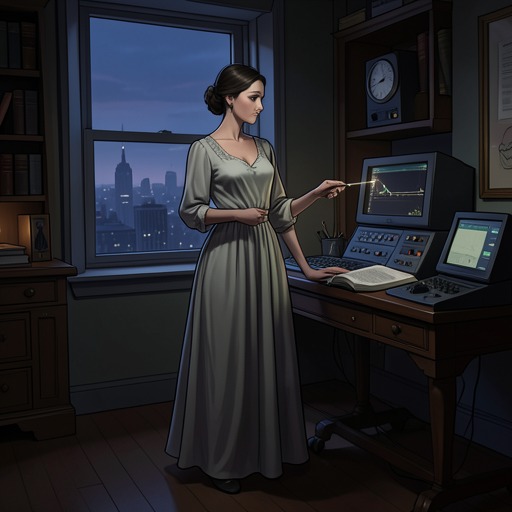
As Casaubon faces the prospect that he may not finish, the project takes on a more urgent and personal meaning. Dorothea understands that he may want her to sift the accumulated material and continue his labor after his death. She has become doubtful of the method behind his argument: similarities of sound, she recognizes, can be used to join things without testing whether the interpretation can withstand contradiction. The fellowship in high knowledge that she had hoped marriage would offer has given way to a task she fears may be fruitless.
Her judgment does not erase her compassion. Looking at Casaubon’s past and present, Dorothea sees the loneliness of his labor, ambition constrained by self-distrust, a goal continually receding, and the physical decline that makes the unfinished work more painful. She remembers that she married him intending to help in his life’s labor. Even while questioning whether she could honestly promise to continue it, she feels bound by compassion and by her own ideal of marriage.
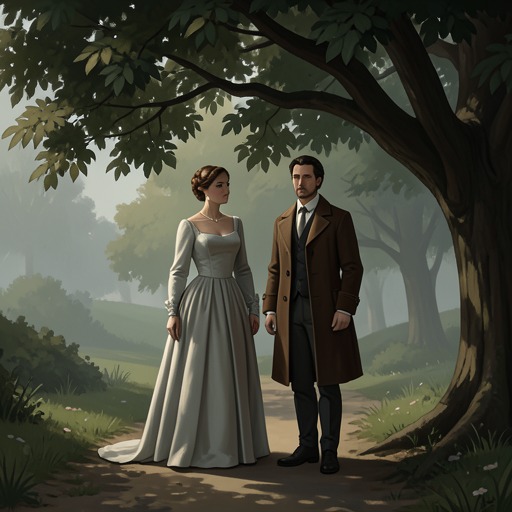
Casaubon seeks a promise about the fate of his work, but Dorothea does not get to give him an answer. She comes to the Yew-tree Walk prepared to respond, having recognized that only compassion—not law or social opinion—binds her to the commitment she fears. She calls to him to wake and listen, saying she has come to answer; he is already dead. The interrupted exchange leaves the question of her promised service unresolved at the very moment when she has decided to face it.
Inheritance, Legacy, and Narrative Significance
After Casaubon’s death, Dorothea searches his desk and other private places for a paper addressed to her. She finds no personal letter beyond a synoptical tabulation that appears to begin directions for her guidance. His plan to transmit the work remained hesitant to the end: he distrusted Dorothea’s ability to organize it, yet distrusted other possible editors as well. Eventually he made himself believe that her nature would sustain the labor and imagined her bound to erect a lasting memorial to him through it.
The death changes Dorothea’s relation to that imagined bequest. While Casaubon lived, her pity might have led her to undertake work that her judgment considered vain, because faithfulness to him would itself have mattered. Once he is gone, the discovery of secrecy and suspicion in their marriage alters the balance. She sees that his claims upon her were joined to an alienation she had not understood, and that he had misjudged her even while relying on her devotion. His scholarly inheritance is therefore also an emotional one: it carries both the work he could not finish and the cost of the trust he failed to offer.
The codicil makes that private conflict consequential for Dorothea’s future. It bars her from marrying Will without forfeiting her property, a restriction Sir James regards as an insult and an unfair compromise of her position. The clause gives material force to Casaubon’s suspicions: his effort to control the relation he feared becomes a condition that survives him and constrains the widow he leaves behind. Will later makes clear that his own understanding of the future has changed, and that he no longer expects to return as he once imagined.
Casaubon’s narrative role rests on the contrast between the magnitude he assigns to his scholarship and the limits of his capacity for fellowship. He is neither simply a public fraud nor merely a learned authority whose work is misunderstood: the evidence presents a man genuinely devoted to an enormous undertaking, but increasingly doubtful of its completion and unable to share its purpose openly. His insistence on propriety, his need for Dorothea’s assistance, and his fear of Will converge in the final legacy of unfinished research and restrictive inheritance. The life he hopes to preserve through scholarship instead leaves Dorothea to distinguish useful devotion from a loyalty that would make her labor in his name without conviction.