Kandahar
ShantaramKandahar is the destination and strategic focus of Abdel Khader Khan’s Afghanistan supply mission. Its siege, damaged routes, and dependence on contested supply lines make the city more than a point on the map: reaching it means navigating both a physical war zone and a changing political landscape.
Setting and Access
The roads to Kandahar are mined and bombed, making travel by horse necessary. Lin is told to learn to ride before accompanying Abdel Khader Khan’s men into Afghanistan; Nazeer, formerly the best horseman in his village in Nangarhar province, is to teach him. The practical constraint gives the journey its shape: the city cannot be reached by ordinary road travel.
The Supply Mission
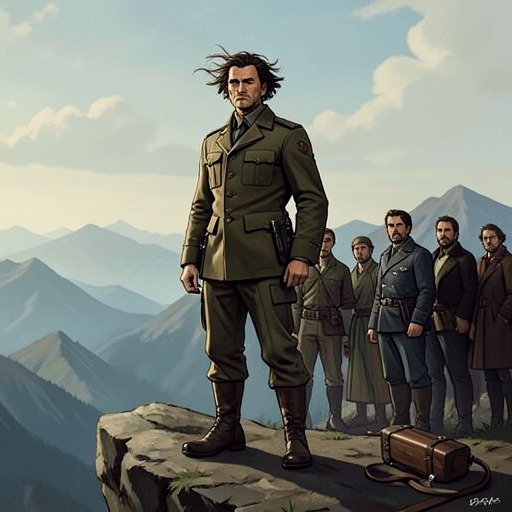
The party plans to carry guns, explosives, passports, money, gold, machine parts, and medicines through heavily armed clans that might seize the cargo. Their intended recipients are Mujaheddin fighters besieging Kandahar, who have been fighting the Soviet armed forces there for two years and need supplies. The mission therefore links the city’s immediate military needs to a hazardous passage through territory where the goods—and the travelers—are vulnerable.
The Resistance and Its Isolation
Kandahar is also the center of a broader struggle whose fortunes depend on local leadership. In late 1985, while the group waits in Quetta to cross into Afghanistan, Asmatullah Achakzai Muslim, leader of the Achakzai people in the Kandahar region, hesitates over continuing the war. When he withdraws his militia from active service and begins secret peace talks with the Russians and their Afghan government in Kabul, the resistance in the region collapses. Abdel Khader Khan’s men, positioned in the mountains north of Kandahar, remain in place but become isolated, with every supply route exposed to Russian attack. The city’s siege and the danger of reaching it are thus inseparable from the uncertain alliances surrounding it.