Éowyn
Éowyn, the Lady of Rohan, is a figure of fierce, contained tragedy who becomes one of the decisive heroes of the War of the Ring. The niece of King Théoden and the sister of Éomer, she is introduced as a woman of the royal house bound by duty and expectation, yet her story is defined by a single, magnificent act of defiance: riding to war in secret under the name Dernhelm, she confronts and destroys the Witch-king of Angmar, the Lord of the Nazgûl, fulfilling the prophecy that no living man could hinder him. Her journey from a despairing wish for death to a life of hope and love marks her as one of the most complex and resonant characters in the tale, a testament to the idea that courage can be found in the most unexpected of hearts.
Identity and Background
Éowyn is the daughter of Éomund and sister of Éomer, making her a member of the royal house of Rohan. She is described as a lady of striking appearance, with bright hair that gleams with pale gold upon her shoulders and grey eyes as hard and fell as the sea, yet capable of tears. Her identity is deeply tied to her lineage and her people, the Rohirrim, a horse-lord people whose culture values martial prowess and loyalty. As the Lady of Rohan, she is expected to uphold the dignity of the court at Meduseld, the Golden Hall, while the men of her house go to war. This role, however, becomes a cage for her restless spirit, as she longs for the glory and purpose that her gender denies her. Her name, Éowyn, and her title, Lady of Rohan, mark her as a figure of noble standing, but her true character is revealed in her actions, which transcend the boundaries of her prescribed role.
Life and Plot Trajectory
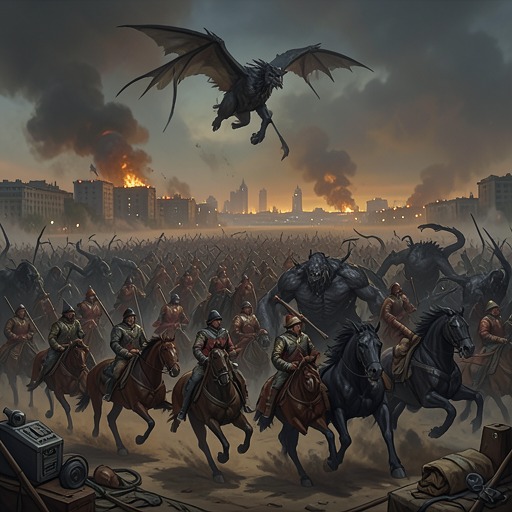
Éowyn's life is shaped by the encroaching shadow of war and the slow decay of hope in Rohan. When the wizard Saruman's influence, through his agent Gríma Wormtongue, holds King Théoden in a state of feebleness, Éowyn is forced to watch her people and her king decline, powerless to act. This period of enforced passivity breeds a deep despair within her, a longing for death that she herself acknowledges. Her trajectory changes when Gandalf the White arrives and heals Théoden, freeing the king from Wormtongue's spell. With the king restored, Éowyn's role shifts, but her inner turmoil remains. She is left behind when the Rohirrim ride to war, tasked with governing in Théoden's absence, a duty that feels like a sentence to her. It is this desperation that drives her to defy her king and her brother, to take up arms and ride south in secret, disguised as a warrior named Dernhelm. Her journey culminates on the Pelennor Fields, where she faces the Witch-king and, in a moment of extraordinary courage, strikes him down, fulfilling the prophecy that no living man could hinder him. This act, however, leaves her gravely wounded, and she is carried from the field, seemingly near death.
Key Actions and Objectives
Éowyn's primary objective is to escape the confines of her role and to find a death that will give her life meaning. She seeks the glory of battle, not for the sake of conquest, but to prove her worth and to escape the 'cage' of her existence. This objective is realized in her decision to ride with the Rohirrim under the assumed name Dernhelm. Her most significant action is her confrontation with the Witch-king of Angmar. When the Nazgûl Lord threatens Théoden, who has been thrown from his horse, Éowyn steps forward to defend her king and kin. When the Witch-king declares that no living man may hinder him, she reveals her true identity, proclaiming, 'But no living man am I! You look upon a woman. Éowyn I am, Éomund's daughter.' This declaration is both a defiance of the prophecy and a reclaiming of her own identity. She then smites the Witch-king, dealing him a mortal blow, even as she herself is struck down by his deadly curse. Her actions are not those of a mere soldier but of a woman who has chosen to define her own fate, even at the cost of her life.
Relationships and Conflict
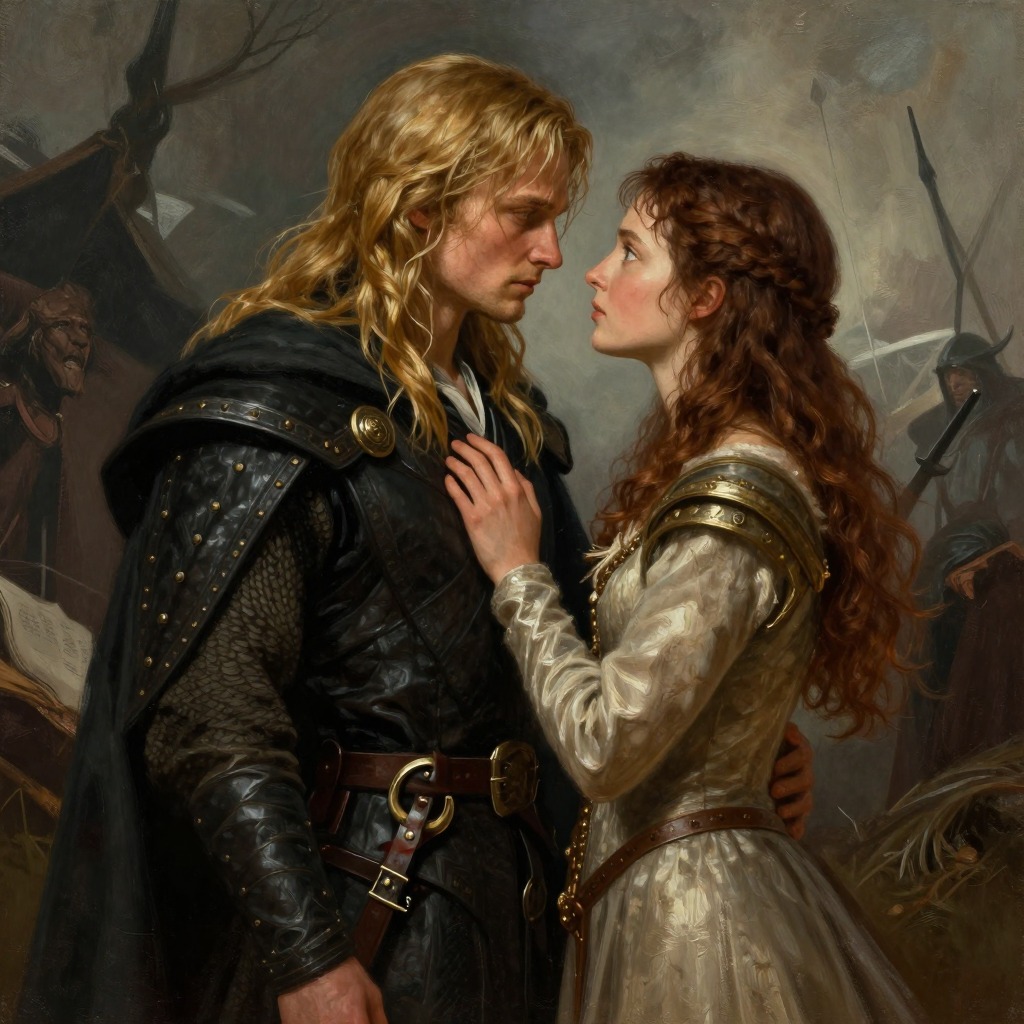
Éowyn's relationships are central to her character and her motivations. Her bond with her brother Éomer is one of deep affection, and his grief at her apparent death is profound. Her relationship with her uncle, King Théoden, is one of duty and loyalty, yet it is also a source of her frustration, as he seeks to protect her by keeping her from the war. Her unrequited love for Aragorn is a significant source of her despair. She sees in him the ideal of a warrior-king, a figure of hope and strength, but he does not return her affections, seeing her instead as a brave but troubled soul. This rejection, though gentle, deepens her sense of hopelessness. Her conflict is not only with external enemies but with the very structure of her society, which denies her the agency she craves. This internal conflict is resolved only through her act of defiance on the battlefield, where she transcends the limitations imposed on her gender. Her later relationship with Faramir, the Steward of Gondor, offers her a path to healing and a future she had not dared to imagine.
Change and Ending
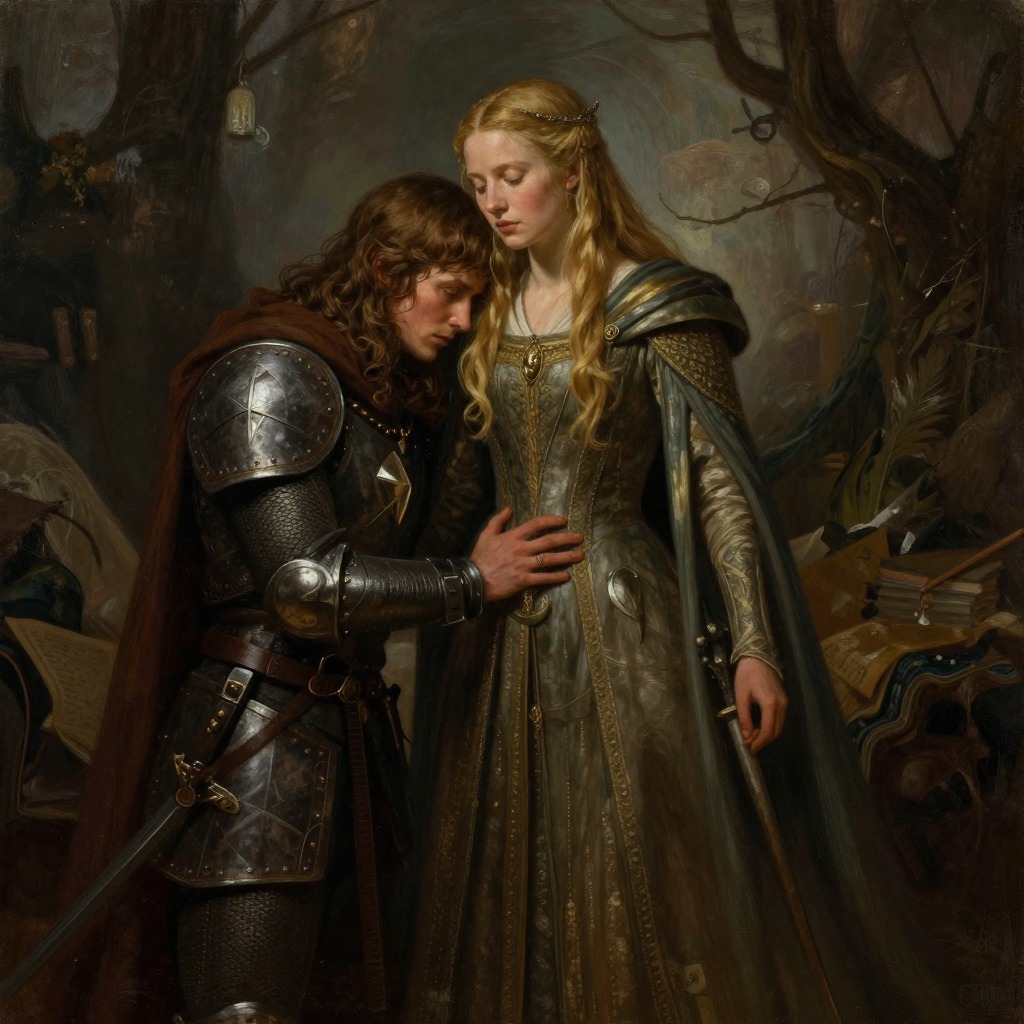
Éowyn's story is one of profound transformation. She begins as a woman consumed by a death wish, seeking an end to her pain. Her encounter with the Witch-king, and her subsequent wounding, brings her to the brink of that death she so desired. It is in this state that she is healed by Aragorn, who uses the herb athelas to draw her back from the shadow. His words, 'Awake, Éowyn, Lady of Rohan! The shadow is gone and all darkness is washed clean!' mark the beginning of her rebirth. She awakens to find her brother Éomer at her side, and her first words are of joy and confusion, believing she had been dreaming. This healing is not merely physical but spiritual. She emerges from her ordeal with a new appreciation for life, having faced the darkness and chosen to return. Her ending is one of hope and renewal. She finds love with Faramir, and together they look toward a future of peace, a stark contrast to the despair that once defined her. Her journey from a desire for death to an embrace of life is a powerful testament to the resilience of the human spirit and the possibility of redemption.
Narrative Role and Evaluation
Éowyn's role in the narrative is multifaceted. She serves as a foil to the male heroes, highlighting the different ways courage and duty can manifest. Her story also provides a powerful critique of the limitations placed on women in a martial society, and her triumph is a vindication of her agency. Her defeat of the Witch-king is a pivotal moment in the war, fulfilling an ancient prophecy and removing one of Sauron's most terrible servants. Her character is often evaluated as one of the most compelling in the legendarium, a figure of tragic beauty and fierce determination. Her arc, from despair to hope, resonates with readers because it speaks to universal themes of identity, purpose, and the struggle against societal constraints. She is a hero not in spite of her femininity but because of it, and her story enriches the tapestry of the War of the Ring with a deeply human and emotionally resonant thread.