StoryFlow
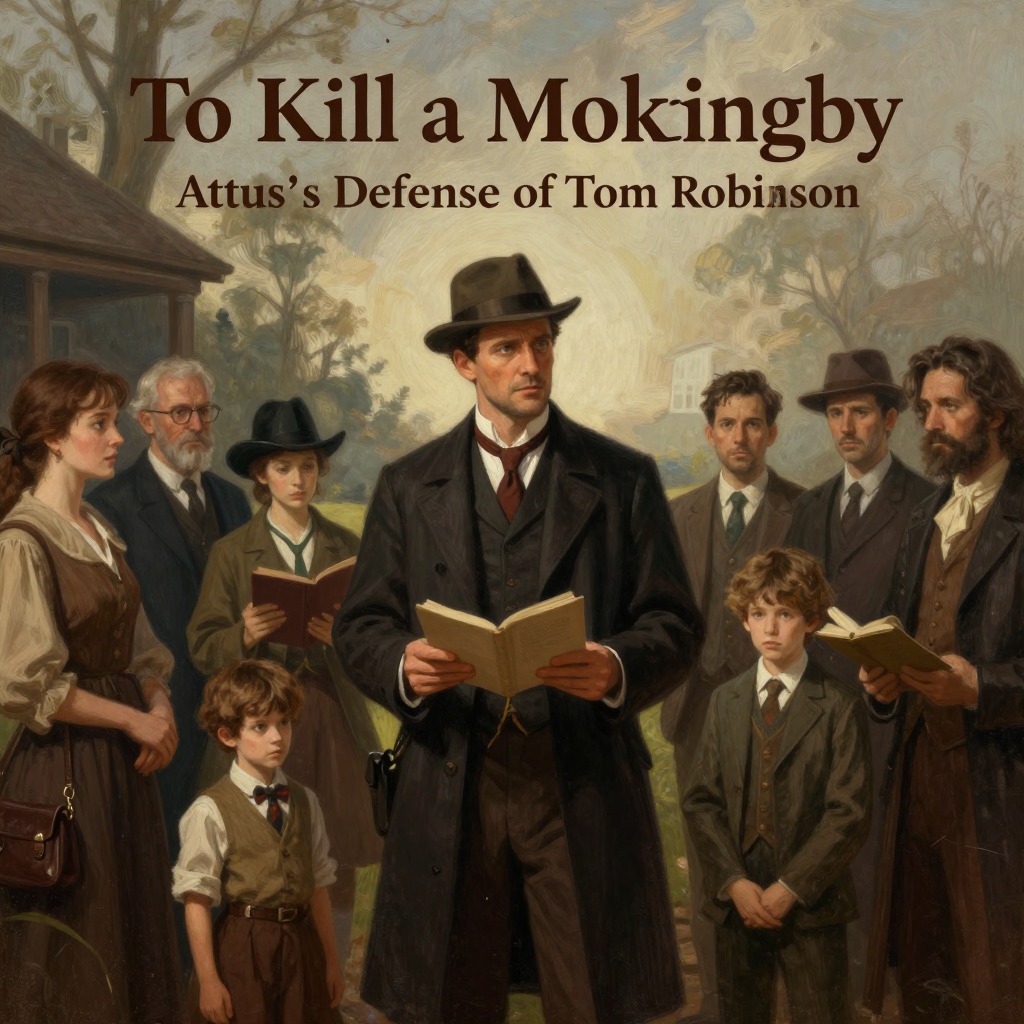
Atticus's Defense of Tom Robinson
The central legal case that exposes Maycomb's racial injustice and tests the Finch family's moral integrity.
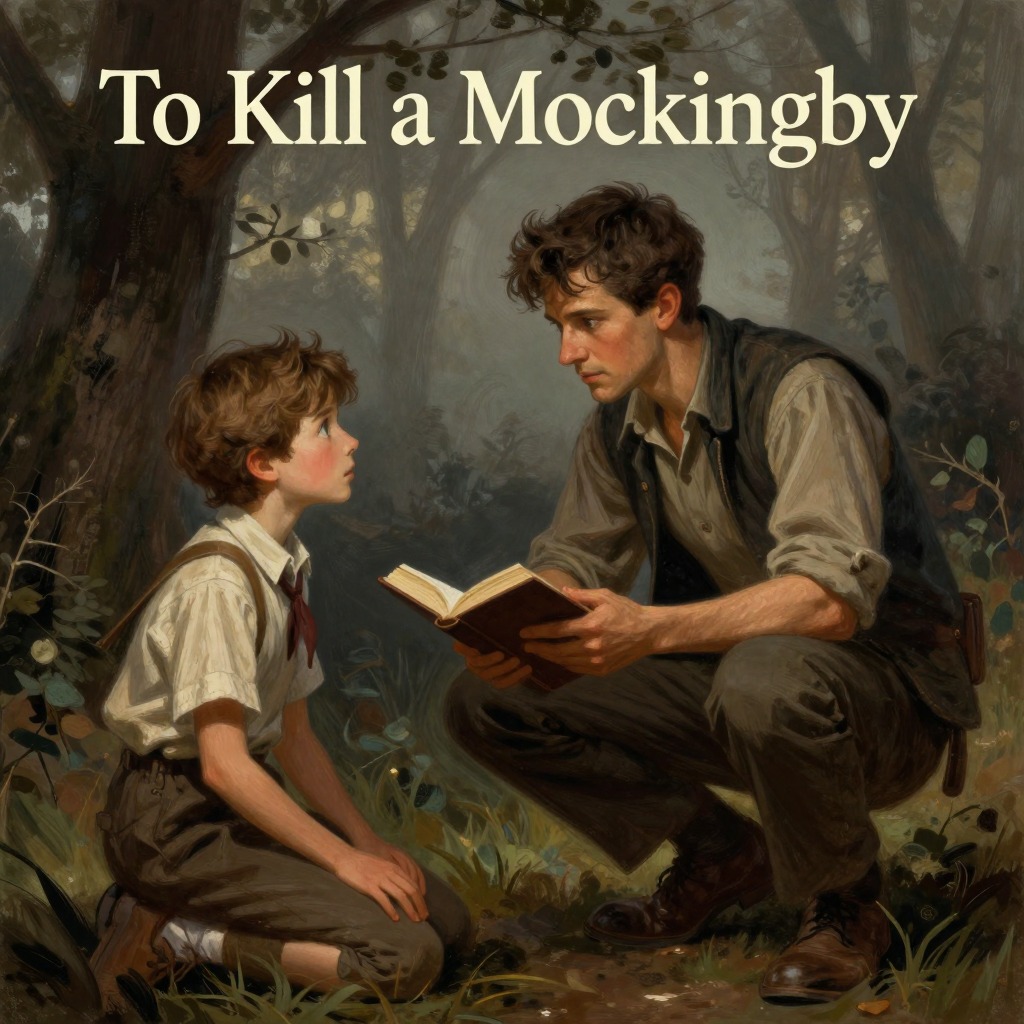
The Mystery of Boo Radley
The children's evolving perception of Boo Radley from a terrifying phantom to a secret friend and protector.
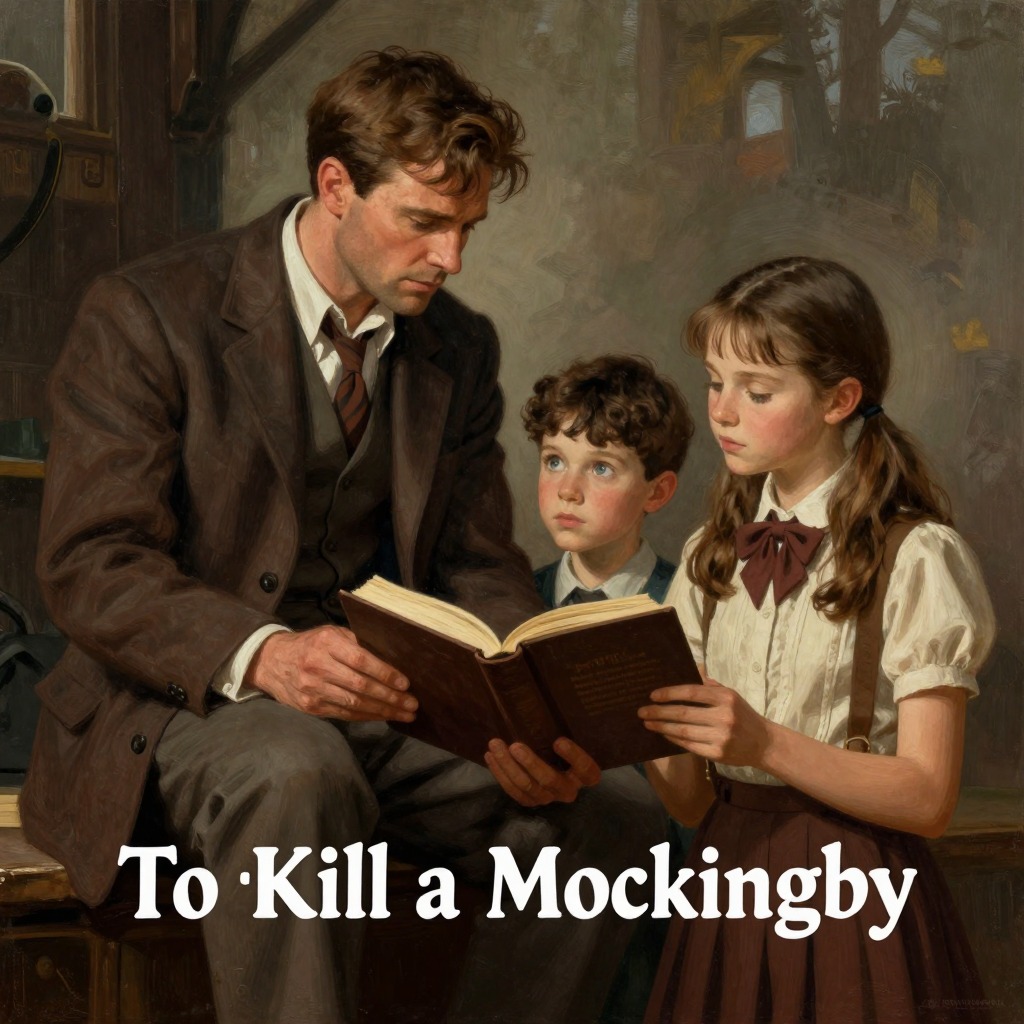
The Finch Family's Moral Education
Atticus's lessons in courage, empathy, and integrity shape Jem and Scout's moral development.
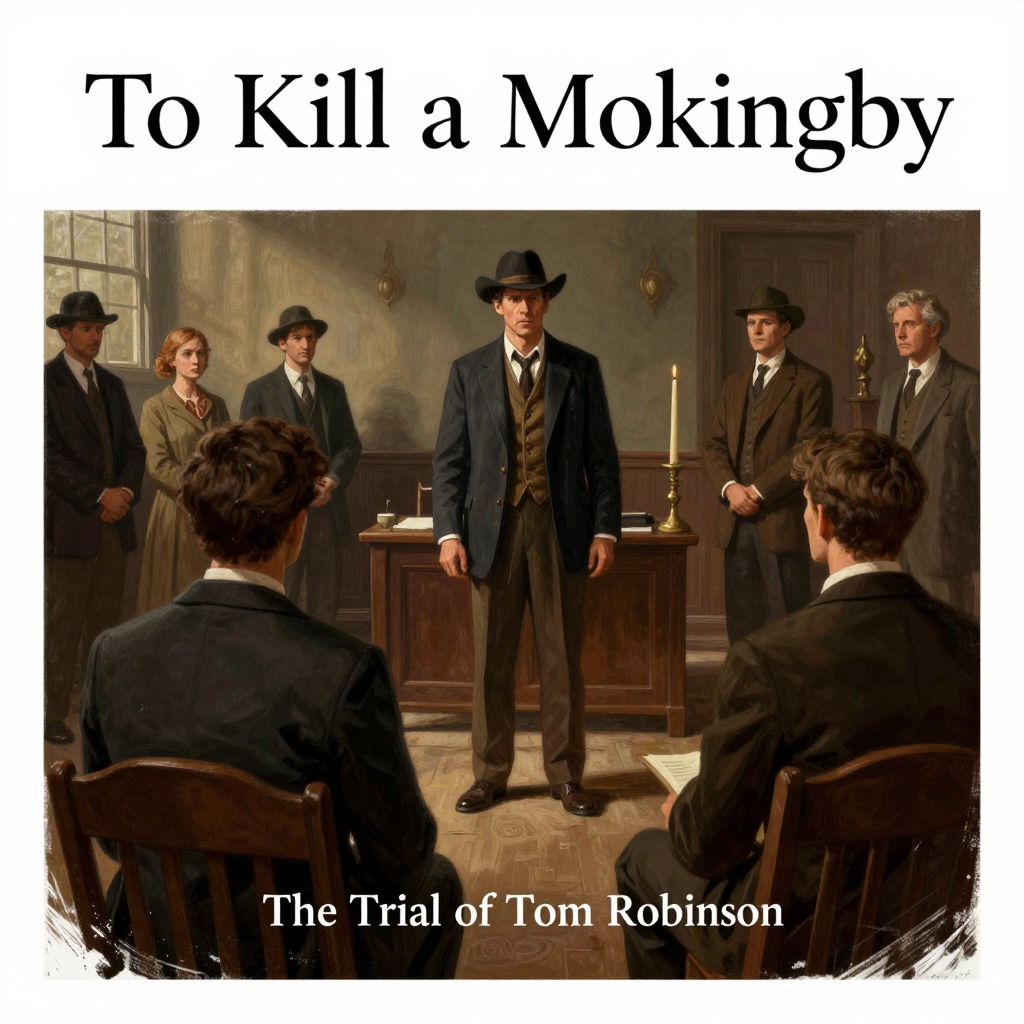
The Trial of Tom Robinson (Offstage Buildup)
The impending trial that permeates the narrative, creating tension and exposing Maycomb's racial fault lines.
Maycomb's Social Order and Caste System
The rigid social hierarchy of Maycomb that dictates behavior, reinforces prejudice, and shapes the children's understanding.
Scout's Coming of Age
Scout's journey from a naive, impulsive tomboy to a more empathetic and understanding young person.

The Knot-Hole Mystery
The secret gifts from Boo Radley in the knot-hole of the oak tree, and their abrupt cessation.
The Snowman and Miss Maudie's Fire
The rare snowfall leads to a snowman, a fire, and a secret act of kindness from Boo Radley.
The Mad Dog Incident
A rabid dog threatens the neighborhood, and Atticus reveals his hidden marksmanship, changing his children's perception of him.
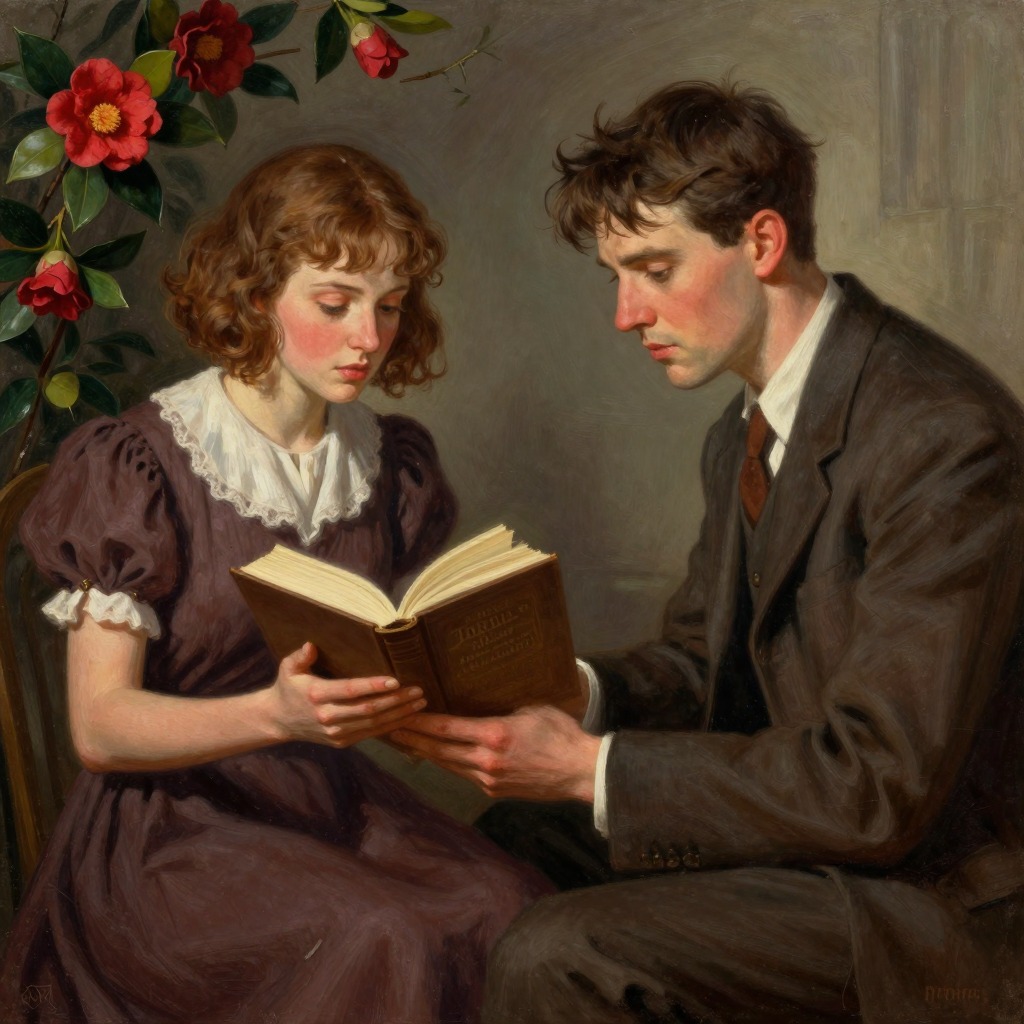
The Reading Punishment for Mrs. Dubose
Jem destroys Mrs. Dubose's camellias and is forced to read to her, leading to a lesson in courage and addiction.
Scout's Fights and Family Conflicts
Scout's physical confrontations defending Atticus's honor and the lessons she learns about restraint.
Calpurnia's Church and Double Life
Calpurnia takes the children to her church, revealing the segregated world and her own dual identity.
Boo Radley's Emergence
The gradual revelation of Boo Radley as a human being rather than a monster, through gifts and protective acts.
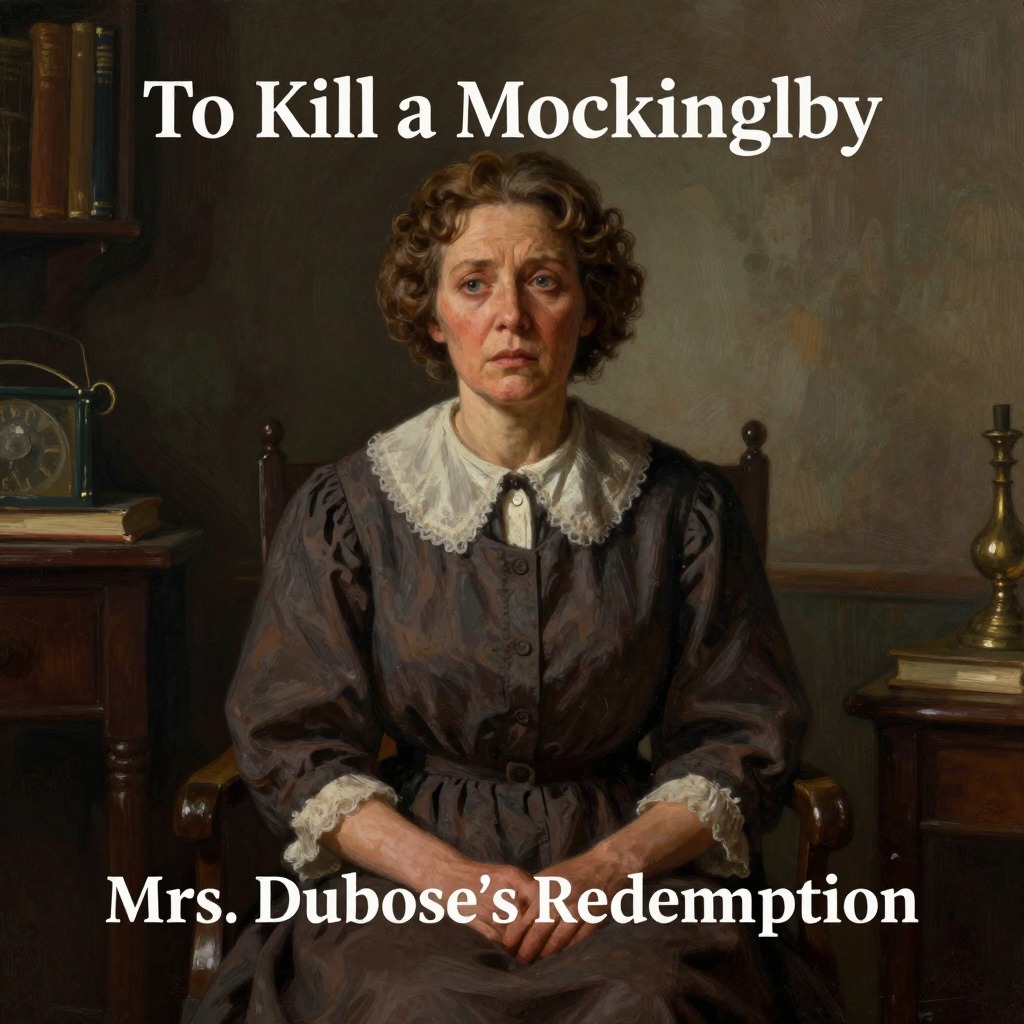
Mrs. Dubose's Redemption
The journey of Mrs. Dubose from a hateful neighbor to a symbol of true courage.

Jem's Adolescence
Jem's transition from childhood to adolescence, marked by moodiness, new values, and a growing distance from Scout.
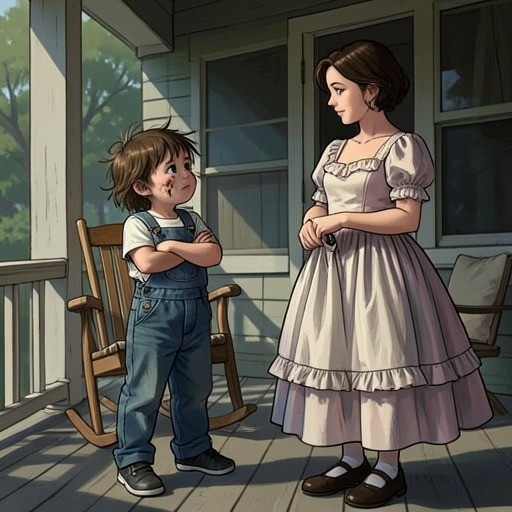
Scout's Reckoning with Femininity
Scout's resistance to Aunt Alexandra's attempts to make her a lady, and her gradual acceptance of some aspects of femininity.
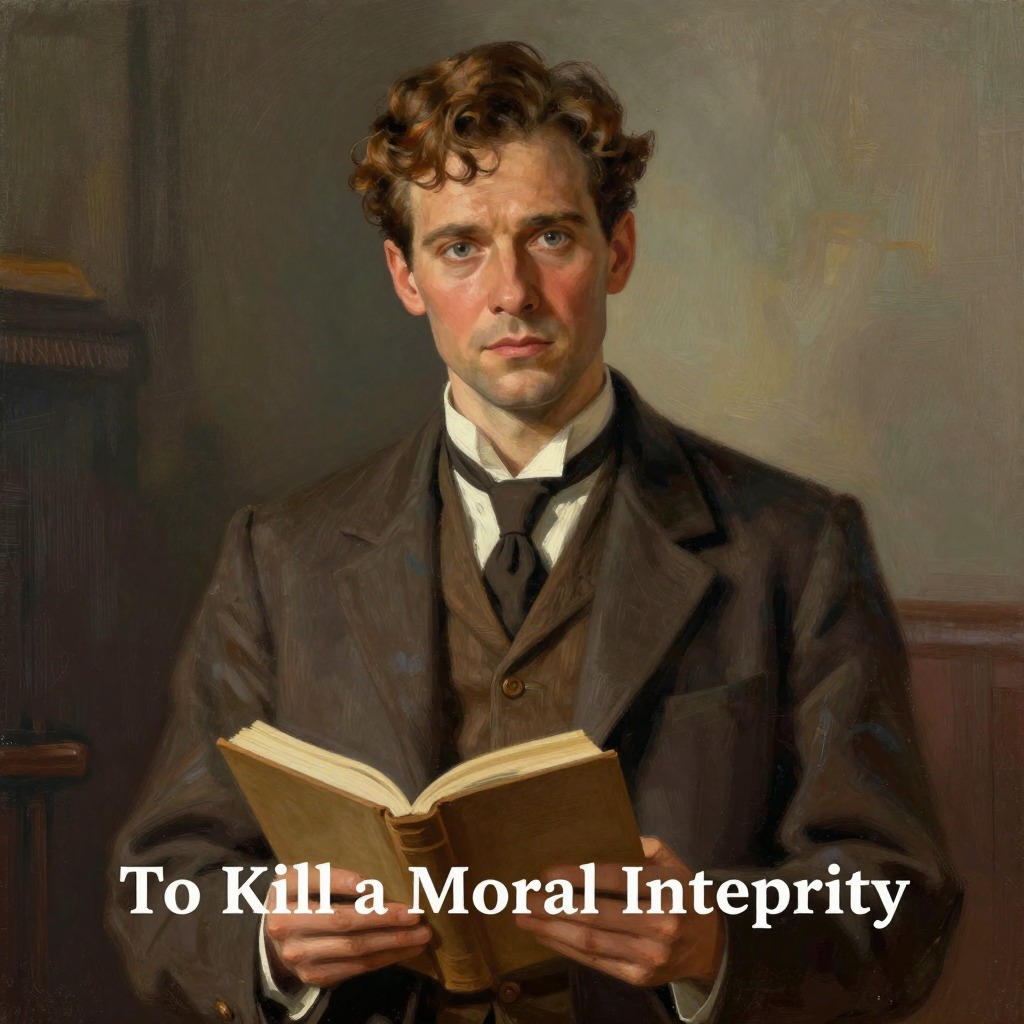
Atticus's Moral Integrity
Atticus's unwavering commitment to justice and his quiet strength, even in the face of personal cost.
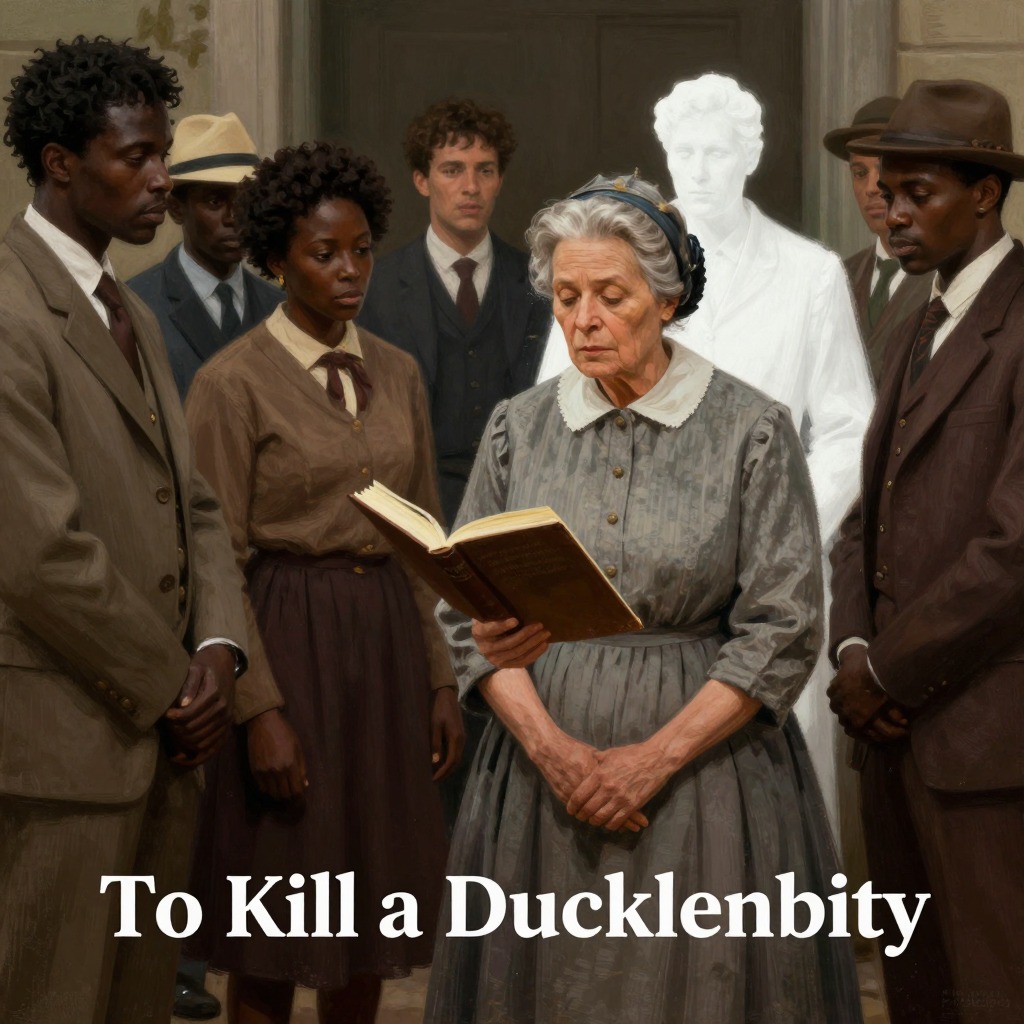
Calpurnia's Dual Identity
Calpurnia's navigation between the white world of the Finches and the black community of Maycomb.

Scout vs. Town Prejudice
Scout's confrontations with the town's racism and her gradual learning of nonviolent resistance.

Atticus vs. Maycomb's Racism
Atticus's battle against the pervasive racism of Maycomb, both in the courtroom and in the community.
Jem vs. Mrs. Dubose
Jem's personal vendetta against Mrs. Dubose evolves into an understanding of her courage.
The Finch Family vs. Aunt Alexandra's Conservatism
The clash between Atticus's progressive values and Aunt Alexandra's traditional, class-conscious views.
The Children vs. the Boo Radley Myth
The children's evolving perception of Boo Radley, from fear and superstition to empathy and understanding.
The Ewells vs. Tom Robinson
The false accusation that sets the trial in motion, and its devastating impact on Tom Robinson and his family.
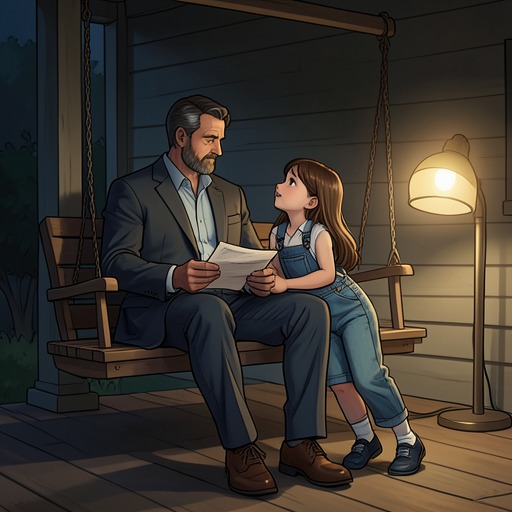
Atticus and Scout: Father-Daughter Trust
The deep bond of trust between Atticus and Scout, built through honest conversations and mutual respect.
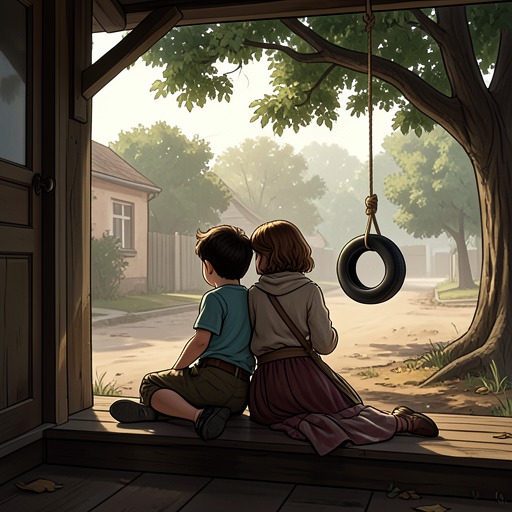
Jem and Scout: Brother-Sister Bond
The evolving relationship between Jem and Scout, from close companions to a more distant brother-sister dynamic.

Atticus and Jem: Father-Son Respect
The relationship between Atticus and Jem, built on mutual respect and lessons in courage.
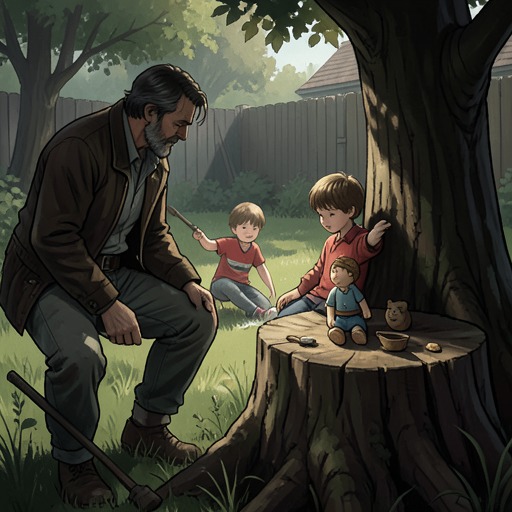
Boo Radley and the Children: Secret Friendship
The hidden bond between Boo Radley and the Finch children, expressed through gifts and protection.
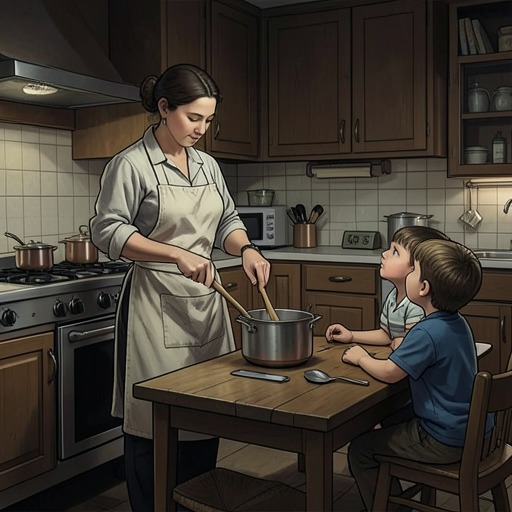
Calpurnia and the Finch Children: Maternal Care
Calpurnia's role as a mother figure to Jem and Scout, providing discipline, comfort, and wisdom.
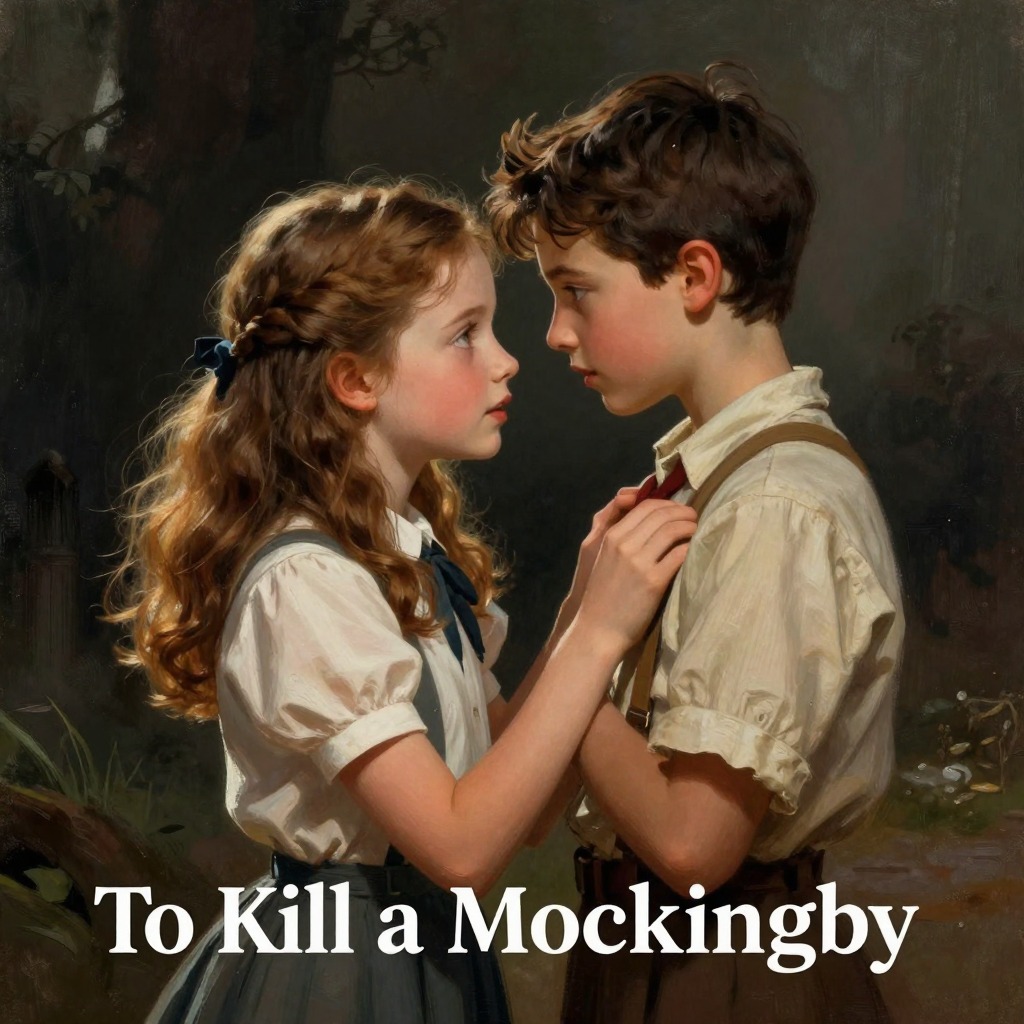
Scout and Dill: Childhood Romance
The innocent relationship between Scout and Dill, marked by engagement plans and deep affection.

The Mockingbird Theme
The central metaphor of the mockingbird as a symbol of innocence that should be protected, not harmed.
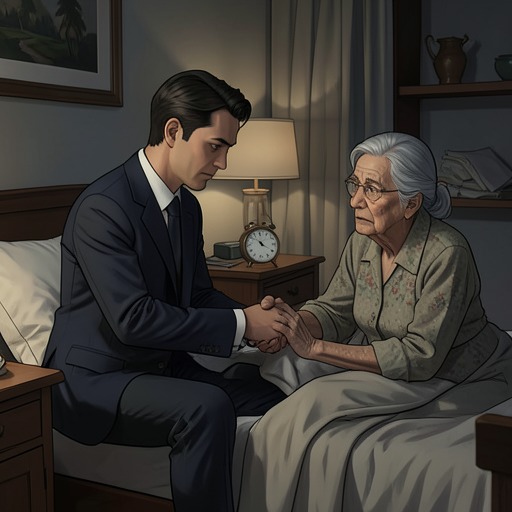
Courage: Moral vs. Physical
The redefinition of courage from physical bravery to moral endurance, as taught by Atticus and exemplified by Mrs. Dubose.

Empathy and Understanding
The lesson of empathy as taught by Atticus, and its application by the children to understand others.

The Limits of Justice
The failure of the legal system to deliver justice to Tom Robinson, and the lessons about systemic racism.

The Loss of Innocence
The gradual erosion of childhood innocence as Jem and Scout confront the ugliness of prejudice and injustice.