Joe Washburn
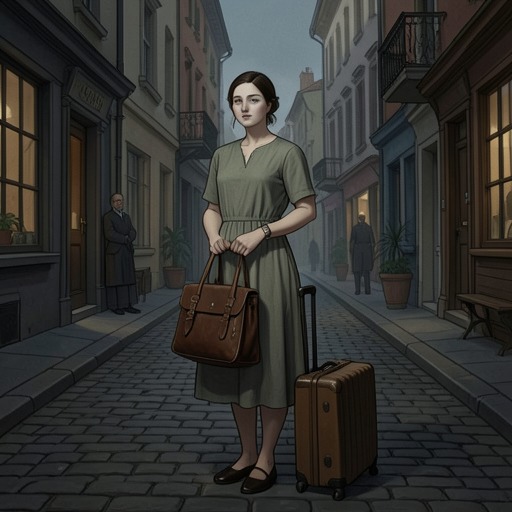
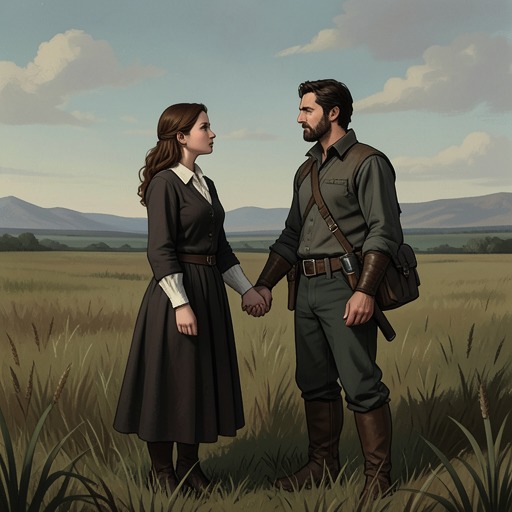
1919Joe Washburn is a serious, courteous presence in Daughter’s life from her high-school graduation through the wartime death of her brother, Bud Trent. A lawyer who enters her father’s office, later prospers through oil leases, and eventually serves as an aviation instructor, Joe repeatedly offers care without the commitment she longs for. Their relationship turns on this imbalance: he rescues her, reads to her, and remains kind, yet marriage and duty keep him at a distance until grief briefly breaks through his reserve.
Identity and Early Encounters
Joe first appears on the morning of Daughter’s high-school commencement. She is waiting in the new Pierce Arrow, dressed for the ceremony, when he walks by and tells her how lovely she looks. His measured compliment is enough to make her blush; the encounter leaves a vivid impression even though she is preoccupied with getting to the exercises. The restrained exchange establishes the pattern that follows: Joe’s attention reaches her more deeply than he seems to acknowledge.
After graduating from law school in Austin, Joe is expected to join her father’s office in the fall. He spends two weeks at the family ranch during the summer. Daughter responds to his presence with deliberate mischief, arranging an unpleasant pony for him, putting horned toads in his bed, and trying to trick him at meals. Her brothers disapprove, and her father calls her a tomboy, but she seems unable to stop testing Joe with this teasing hostility. The playfulness masks an attachment she cannot comfortably declare.
Rescue and Unspoken Attachment
The ranch summer changes course when the group goes swimming at Clear Creek. Daughter decides to dive from the bluff despite the others’ warnings, hits her head, and struggles in the water. Joe pulls her out; in the confusion, she has clung to him so tightly that her grip nearly endangers him as well. She has fractured her skull and must remain in bed through the summer. Her father rebukes her recklessness, but Joe’s response is gentler: while he remains at the ranch, he comes after lunch to read aloud to her, including Lorna Doone and part of Nicholas Nickleby.
For Daughter, those visits intensify rather than settle her feelings. She lies in bed hoping not to reveal that she is in love with Joe and wondering whether he might care for her in return. When he leaves, illness becomes less bearable; although her father and Bud sometimes read to her, she prefers to read alone. Joe’s care is practical and sustained, but the account offers no declaration from him to match the emotional importance his visits acquire for her.
Marriage, Distance, and the Ranch Return
Joe’s later marriage and move to Oklahoma, where he becomes wealthy through oil, alter the terms of their contact. Daughter feels more at ease in Dallas when he is absent because seeing him unsettles her. During a later summer visit to the ranch, she is unable to tell her father that she is engaged to Edwin Vinal. Her brothers tease her about Joe, including the claim that he is engaged to a woman in Oklahoma City; she becomes angry with them and barely civil to Joe himself.
Her restlessness takes physical forms: she chooses a difficult pony, drives through a gate and smashes both lamps, and tells her father he need not worry because she will return east to earn her own living. Joe, by contrast, treats her with the same grave kindness as before. At times she catches what seems to her an understanding, teasing light in his eyes, which briefly unsettles her composure. Their last exchange before he leaves that summer follows a challenge involving a rattlesnake. Joe handles the snake with a forked stick, and, after it is thrown against the smokehouse wall, Bud kills it. Joe tells Daughter that she sometimes speaks as if she has little sense; she answers by calling him yellow. The exchange preserves their familiar blend of provocation and intimacy, without resolving what either intends.
War, Loss, and Competing Ideas of Responsibility
During the war, Daughter organizes Red Cross canteen work and wants to be sent abroad. Joe re-enters her life through a War Department telegram announcing that Bud Trent has been killed in his first solo flight. Joe calls from San Antonio, tells her what is known, and offers to reach her father in Austin. His grave, controlled manner gives her immediate support, but it cannot soften the loss. She retreats to her room and recalls Bud in specific moments from their shared life, while Joe’s report that the crash may have resulted from a structural defect remains in her mind.
When she later challenges Joe about who was responsible for the planes, the difference between them becomes explicit. She insists that someone must answer for her brother’s death and argues that the person who inspected the aircraft should be held responsible. Joe replies that the army is a large institution, mistakes are inevitable, and wartime risks were understood; he also points to contractors making money. He advises against letting personal grief become public criticism while the war continues, believing that incompetence and corruption can be addressed after victory. The exchange shows his loyalty to institutional discipline in conflict with Daughter’s demand for accountability, sharpened by a death that occurred during training rather than overseas combat.
A Brief Reversal and an Unsettled Ending
Joe is himself dissatisfied during this period. At a party for men leaving for overseas, he speaks of unhappiness in his marriage, indifference to the money made from his oil leases, and frustration at being kept in the United States as an instructor rather than sent abroad. Daughter tells him she also wants to go overseas and feels her own life has become foolish. Since Bud’s death, Joe observes, she has been acting wildly. When she says she wishes she were dead and begins to cry, he comforts her; then he kisses her. She tells him quietly that she loves no one but him.
Joe almost at once regains control and apologizes, treating the kiss as an error brought on by the war and asking her to put it out of mind. The sudden turn is characteristic of the relationship: an intimacy long suggested by his kindness becomes explicit for a moment, then is withdrawn. Daughter leaves for Dallas early the next morning. The evidence does not establish a later reconciliation or a settled break between them. Joe’s significance lies instead in this unresolved pattern: he remains a source of care and emotional possibility, while his restraint, marriage, and wartime convictions repeatedly limit what that possibility can become.