Sevastopol
AfterburnSevastopol is both a historic harbor and a central naval stronghold in the Black Sea campaign. The story gives the city significance through its concrete military geography: the Black Sea Fleet’s command office and naval base, port facilities, and the imposing presence of the carrier Pobedonosnyy Rodina. These features make Sevastopol more than a place seen from a distance; they turn its harbor into a prize, a refuge, and a focus of strategic attention.
Setting and Harbor
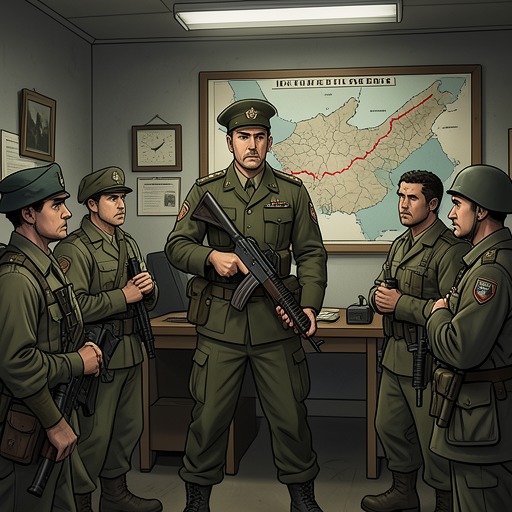
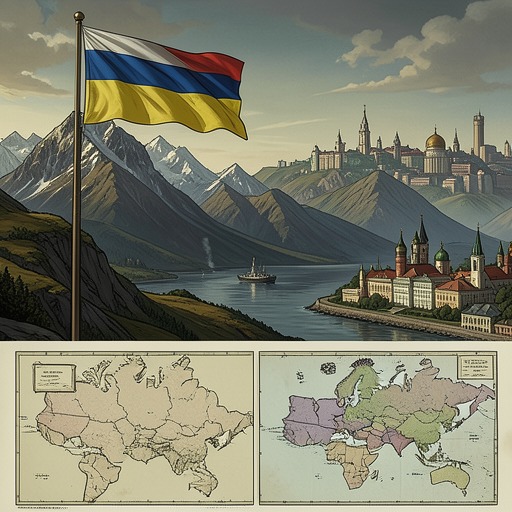
The Black Sea Fleet command office is identified with Sevastopol Naval Base in Crimea. From a position overlooking the historic harbor and the waterfront below, the narrative frames the city through the relationship between its commanding vantage point and the working port. The view is not only scenic: it includes the imposing bulk of Pobedonosnyy Rodina, placing a major naval asset directly within the harbor’s visual and strategic field.
That juxtaposition gives the setting its defining tension. The historic harbor belongs to the city’s enduring identity, while the carrier and naval installations make it part of an active military contest. The port’s importance follows from what it holds and what its facilities can secure, not simply from its appearance on the coast.
Fleet Base and Strategic Objective
Sevastopol is associated with the Russian Black Sea Fleet’s bases, ships, and materiel. The narrative also records the assumption within Frontal Aviation that the fleet’s ships had taken refuge in the seclusion of the city’s port facilities. In this account, the harbor can function as shelter: its enclosed facilities offer a place to withdraw from exposure at sea. That presumed refuge also makes the port a focal point for surveillance and operational planning.
The city becomes an explicit military objective when a landing is described as aimed at securing its port facilities. The objective is narrower and more concrete than the capture of an abstract point on a map: control of the facilities would mean control over the infrastructure around which naval forces and supplies are gathered. The city’s value therefore links geography to military capacity. The harbor is at once a protected space for ships and an installation whose possession could alter the campaign’s options.
The City in the Wider Campaign
The narrative situates Sevastopol within a broader contest over movement and reach in the Black Sea. Odessa and Sevastopol appear as geographic reference points in the assessment of a course line, while a patrol area is placed seventy miles southwest of Sevastopol. These details locate military activity in relation to the city without making every encounter occur inside its harbor. Sevastopol serves as a fixed reference for operations extending into the surrounding waters.
This distinction matters: the city’s strategic presence reaches beyond its shoreline. Patrol positions, possible routes, and the security of port facilities all connect the harbor to decisions made at sea. The narrative’s attention to distance and direction makes Sevastopol legible as a hub in an operational landscape rather than an isolated setting.
Command and Narrative Significance
The city’s military role unfolds amid debate over authority and the limits of the mission. In the wider campaign, Washington grants a request for American forces to operate under United Nations command, and the announced arrangement places those forces under that command until further notice. The story also raises questions about the chain of command and the possibility of receiving a directive to begin bombing. These decisions are not identified as occurring in Sevastopol, but they form the institutional context for operations directed at strategically important places such as its port.
Sevastopol’s significance thus lies in the intersection of location and control. Its harbor gives the Russian Black Sea Fleet a base and a potential refuge; its port facilities make it a stated objective; and its position anchors the geography of patrols and routes. As the campaign’s command arrangements shift, the city remains a concrete measure of what military action is meant to secure—and of how much depends on access to the Black Sea’s key ports.