StoryFlow
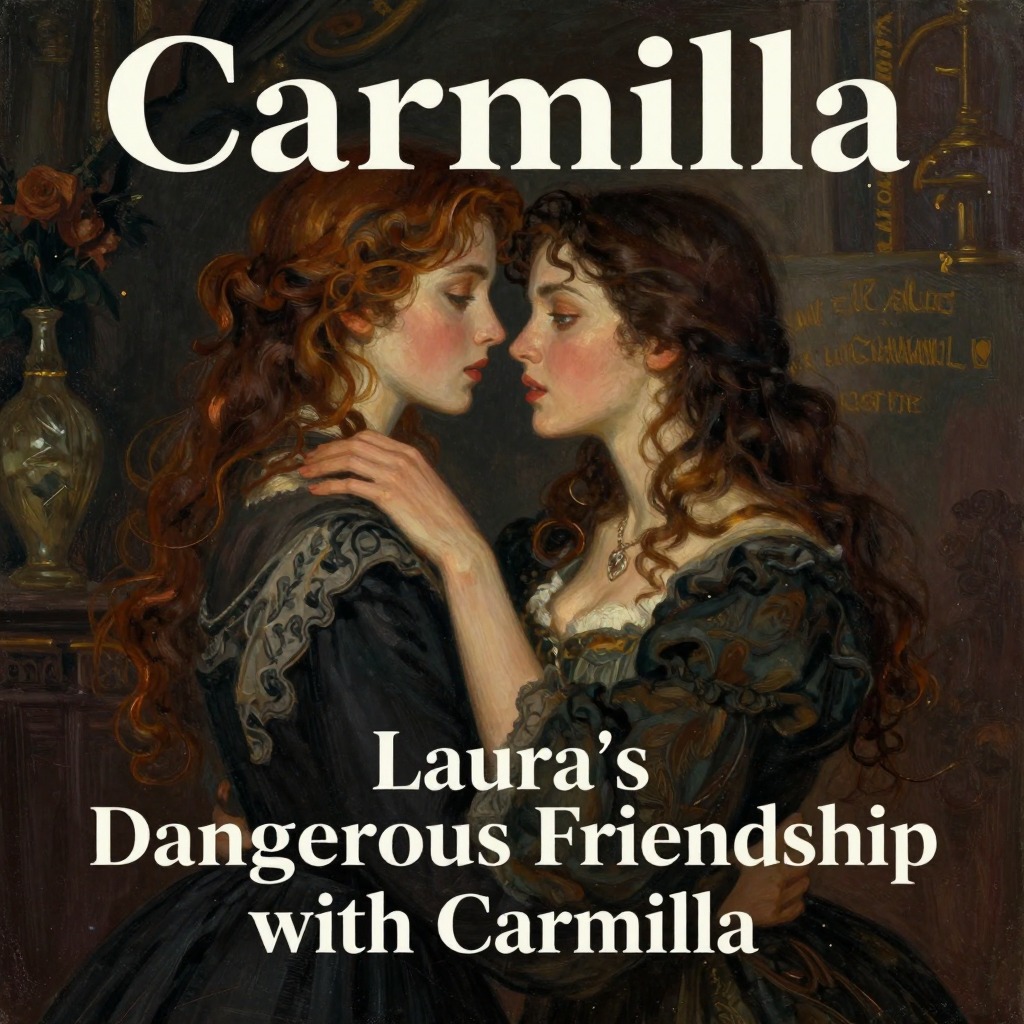
Laura's Dangerous Friendship with Carmilla
Traces how Laura's fascination with the mysterious visitor Carmilla deepens into a bond that drains her vitality and threatens her life.
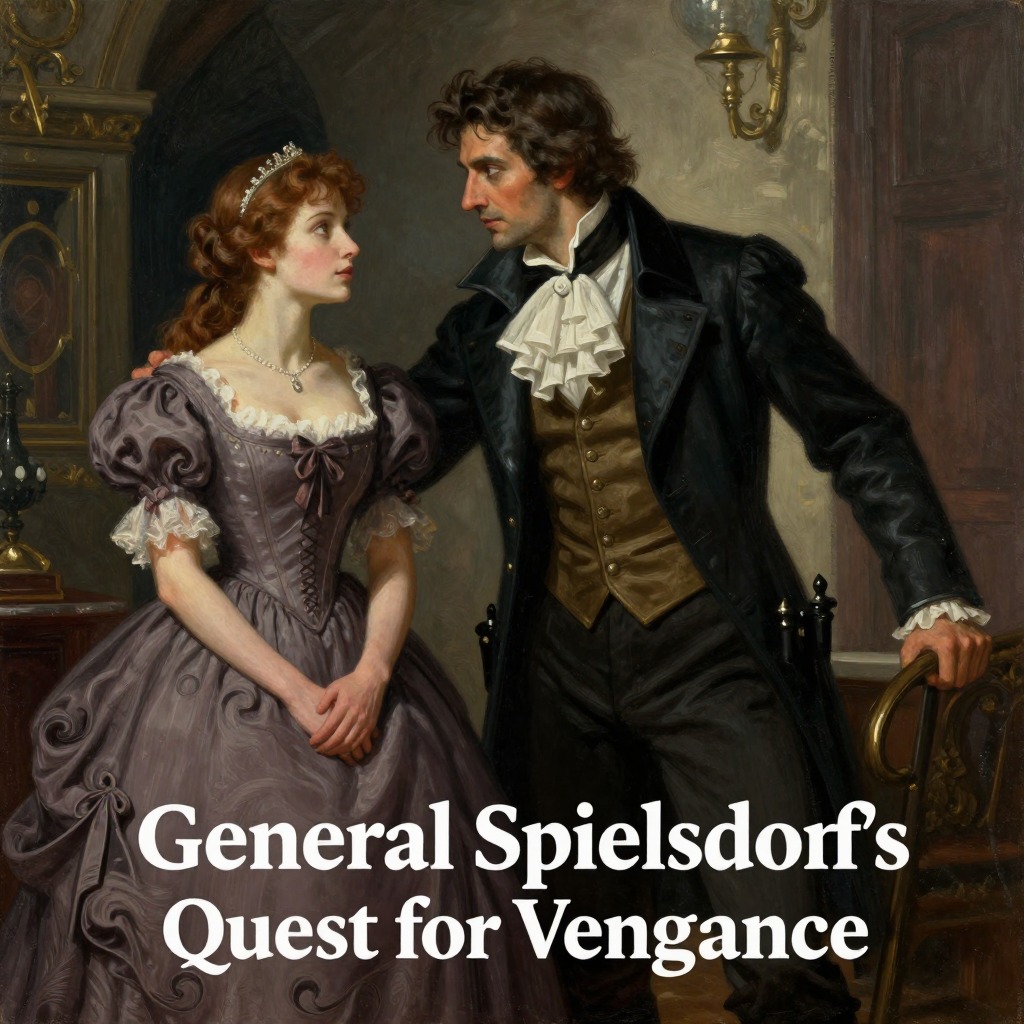
General Spielsdorf's Quest for Vengeance
Follows the General's journey from the loss of his beloved niece to his relentless pursuit of the vampire who murdered her.
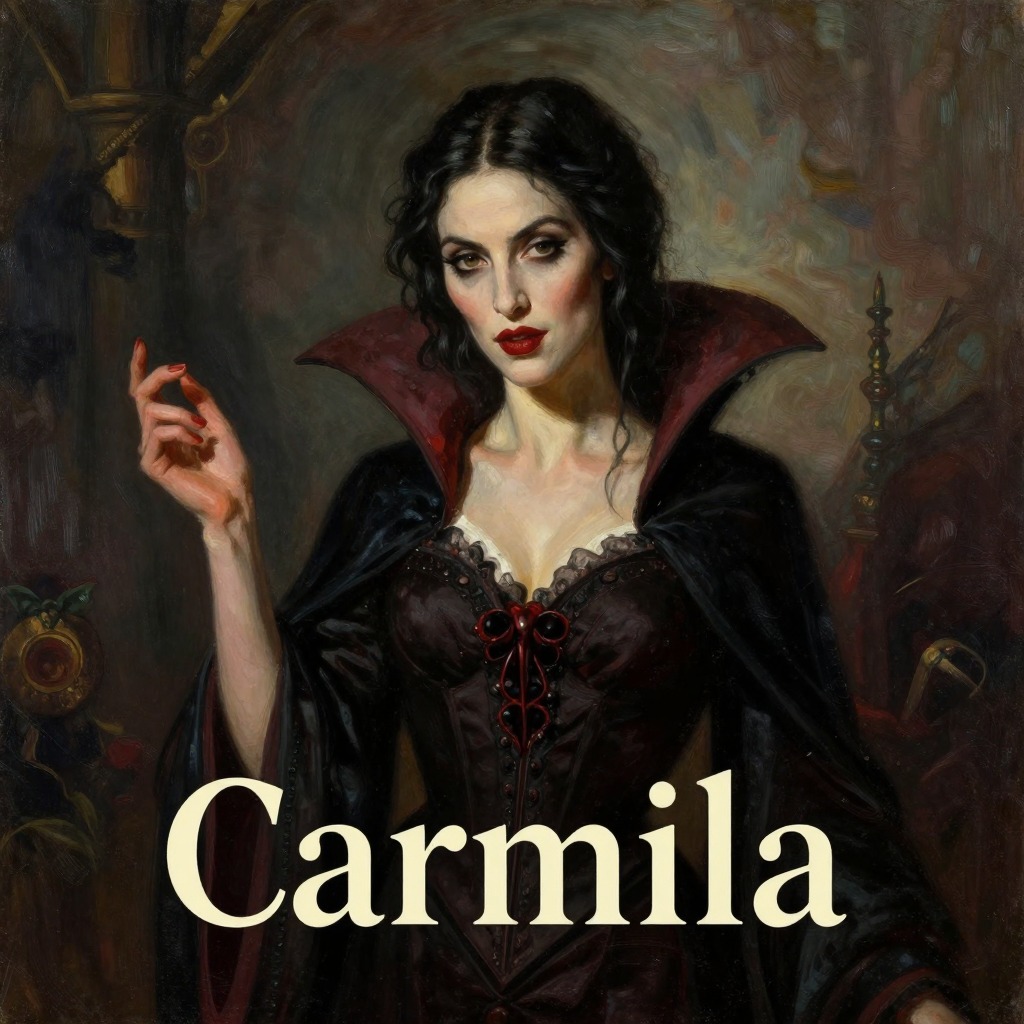
The Discovery of the Vampire's True Identity
Traces the gradual unveiling of Carmilla's real nature as the centuries-old vampire Countess Mircalla Karnstein.
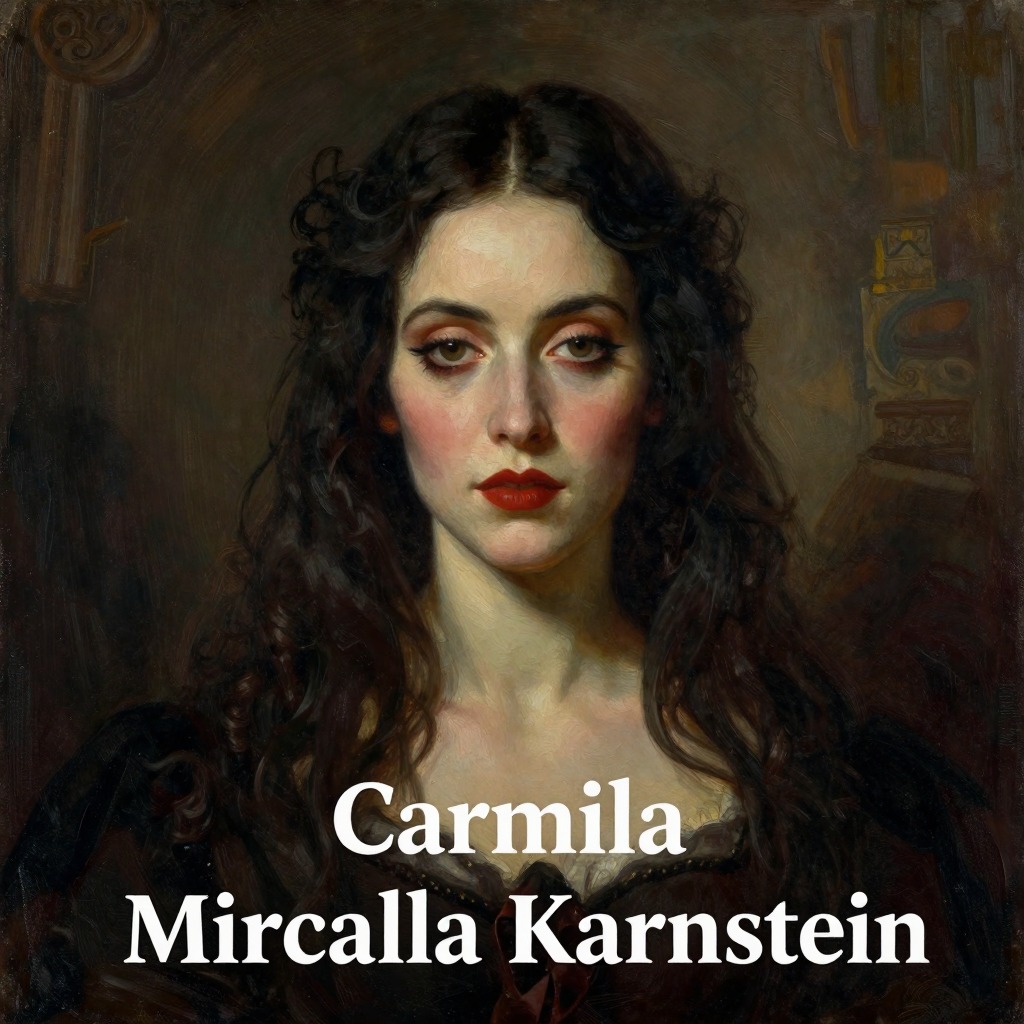
The Portrait of Mircalla Karnstein
Explores how the discovery of a centuries-old portrait of Carmilla's vampire self sets off a chain of revelations linking the past to the present.
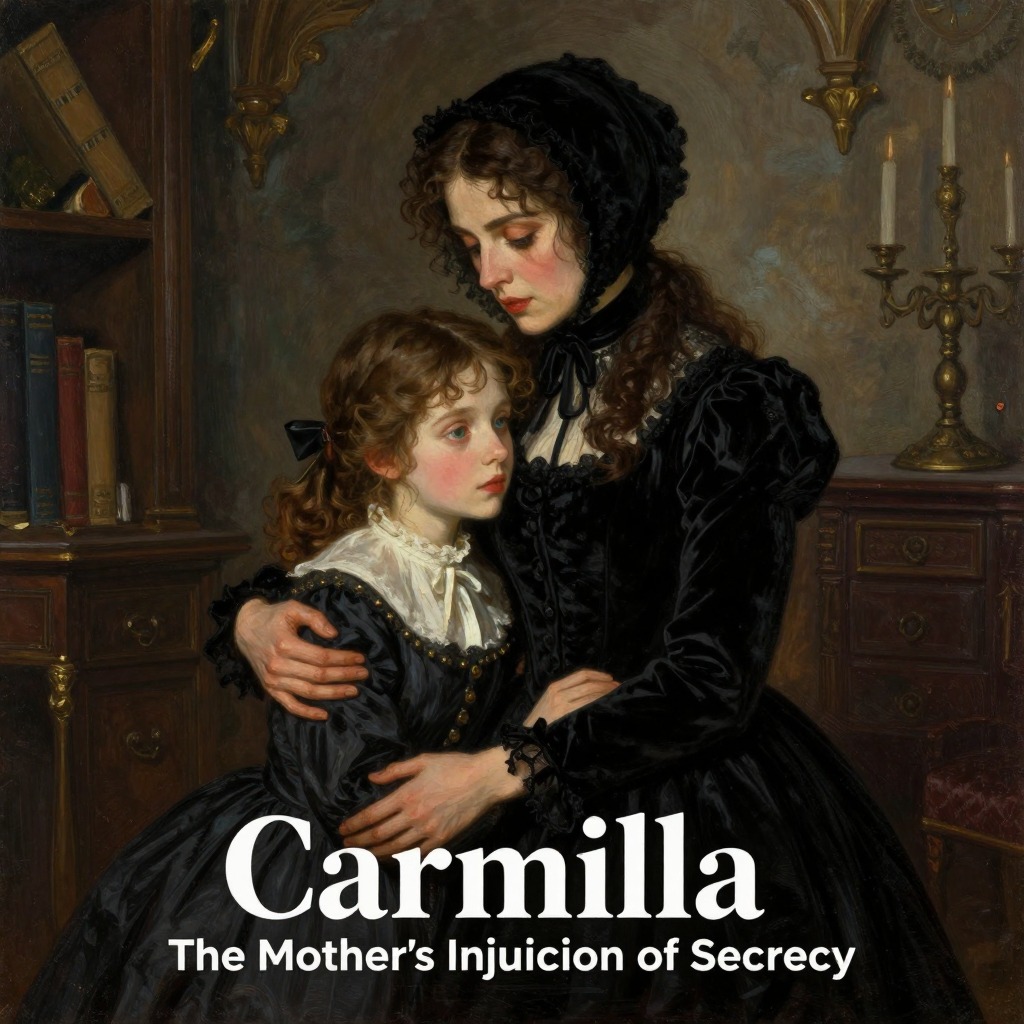
The Mother's Injunction of Secrecy
Follows the enigmatic lady in black velvet's demand that her daughter's identity and origins remain hidden, a plot device that deepens the mystery.
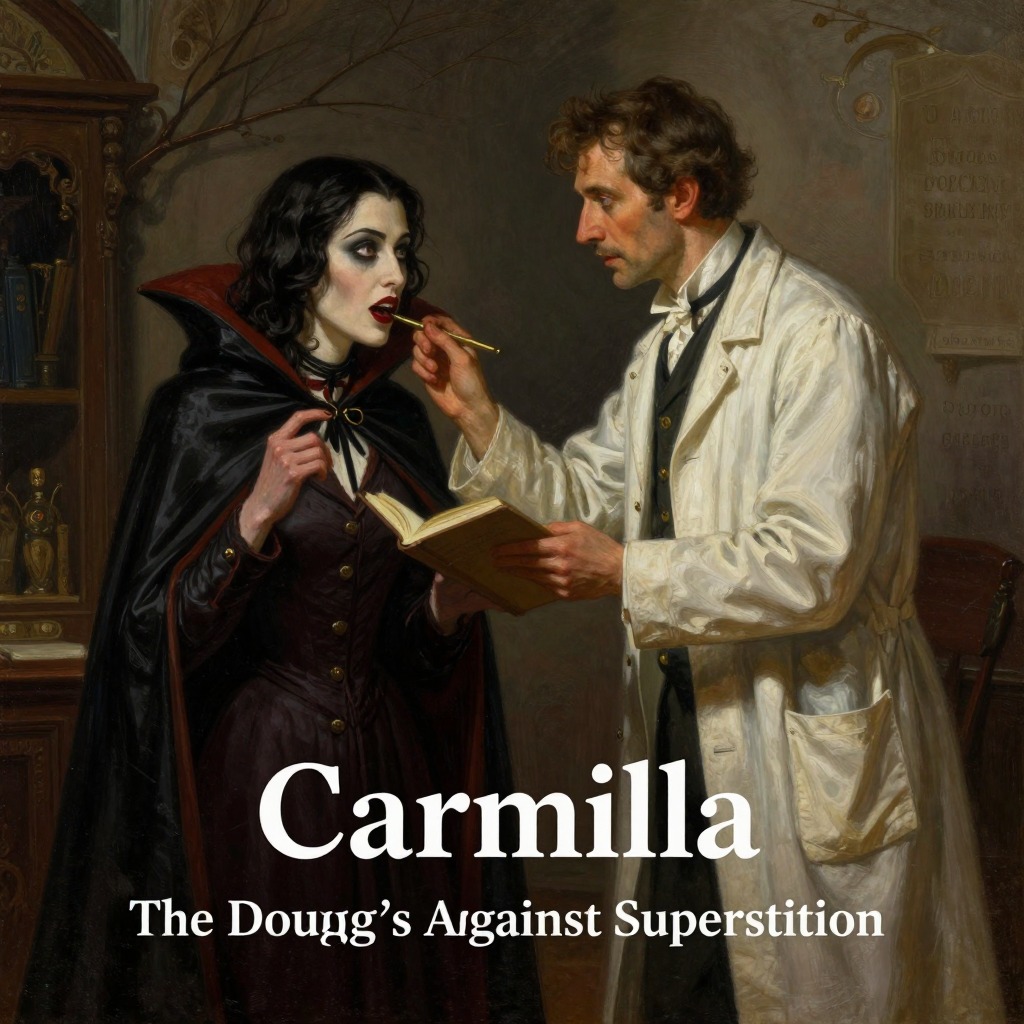
The Doctor's Struggle Against Superstition
Chronicles Doctor Spielsberg's journey from a rational physician to a believer in the supernatural, as he confronts the vampire's work.
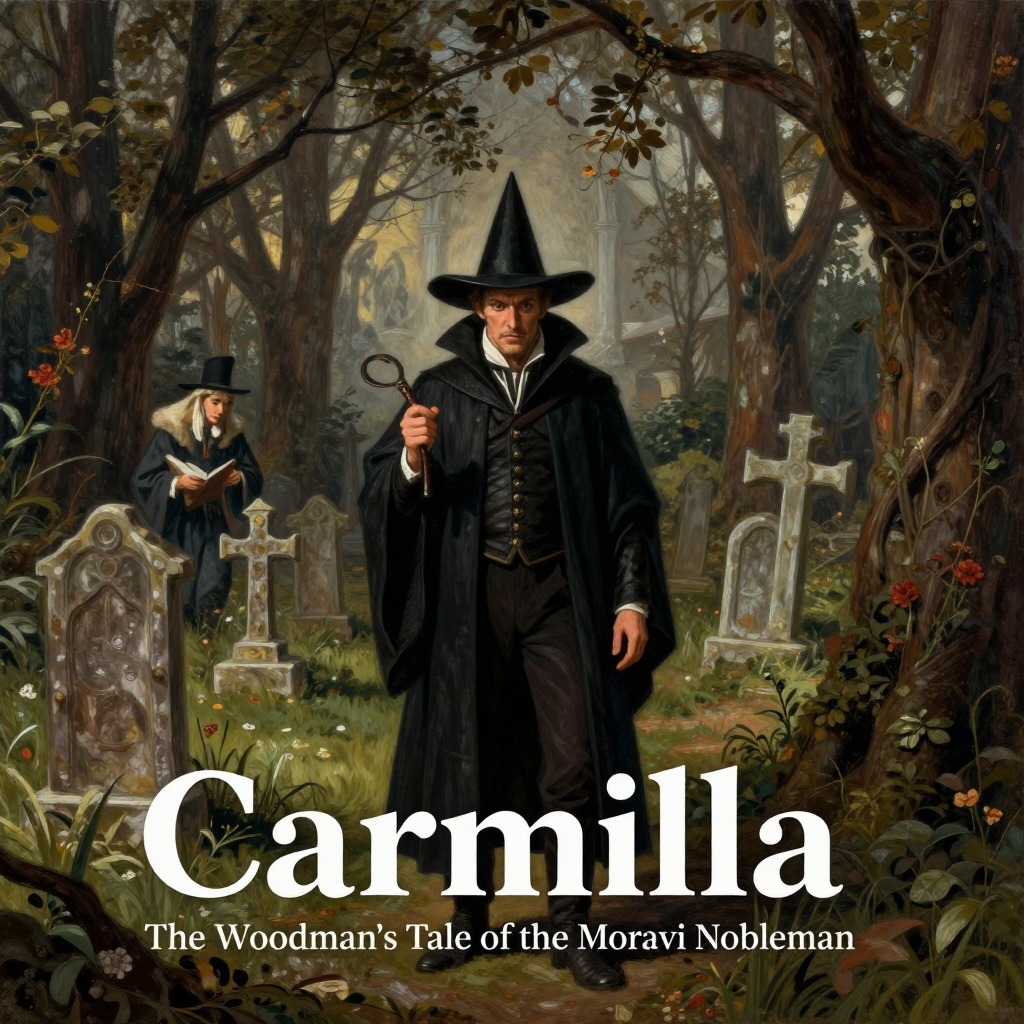
The Woodman's Tale of the Moravian Nobleman
Relates a local legend about a vampire hunt in the Karnstein churchyard, which provides historical context for the present threat.
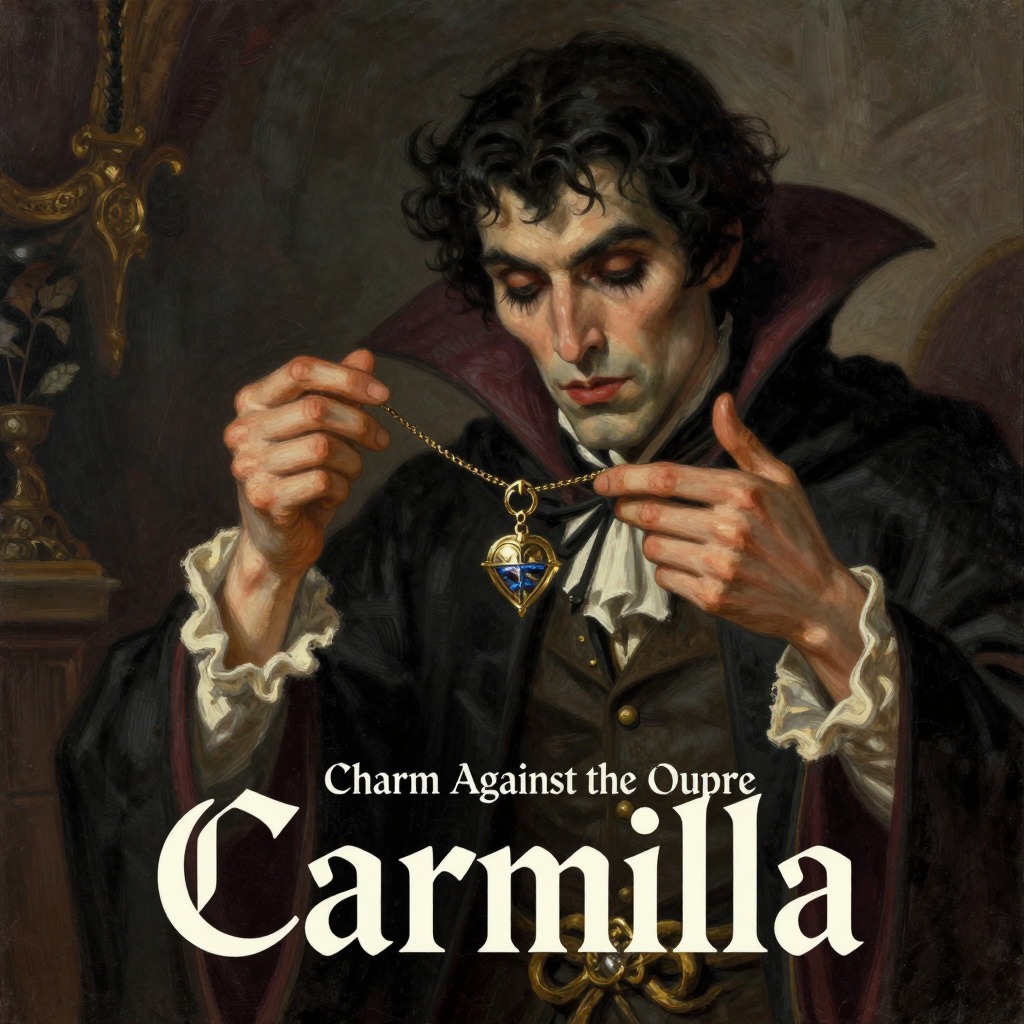
The Charm Against the Oupire
Follows the purchase and use of a protective charm from a mountebank, which provides a false sense of security against the vampire.
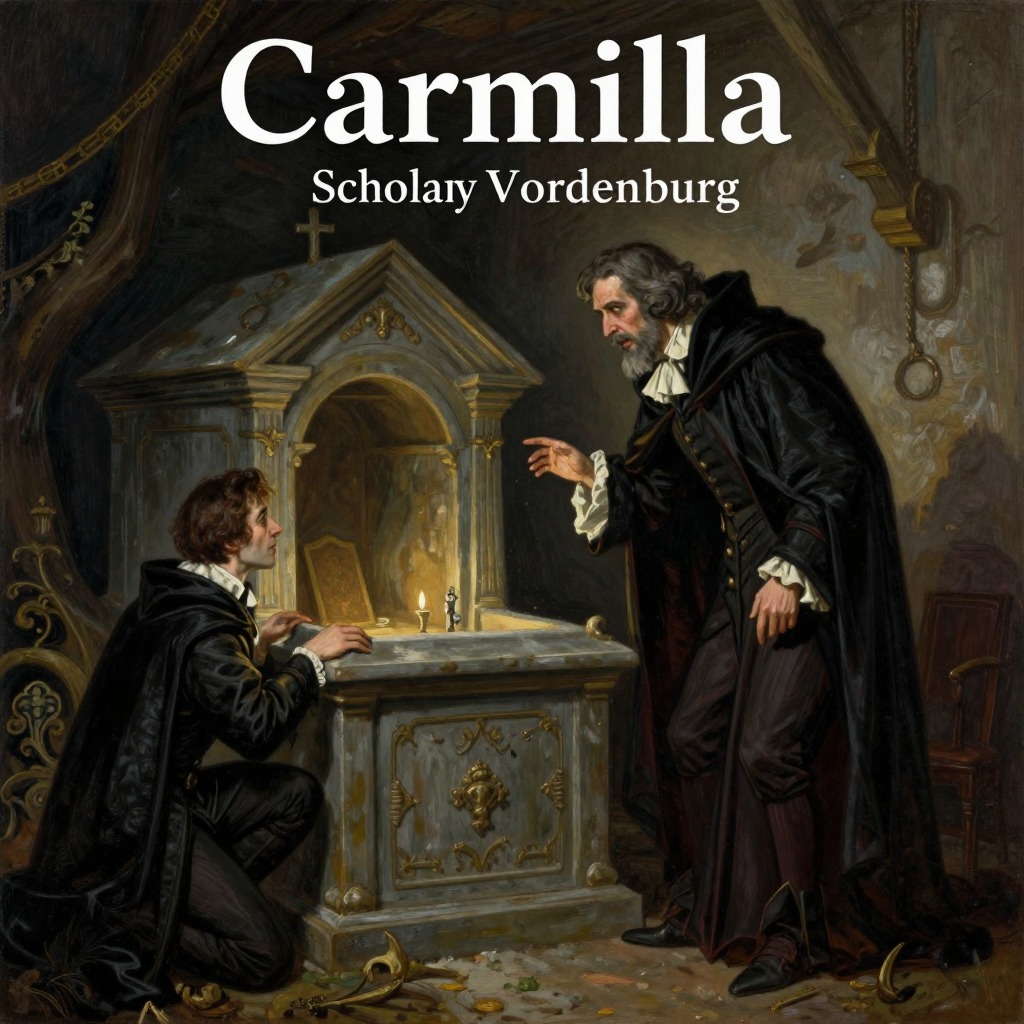
Baron Vordenburg's Scholarly Revelation
Traces how the eccentric Baron Vordenburg uses his erudite knowledge of vampirism to locate the hidden tomb and explain the vampire's origins.
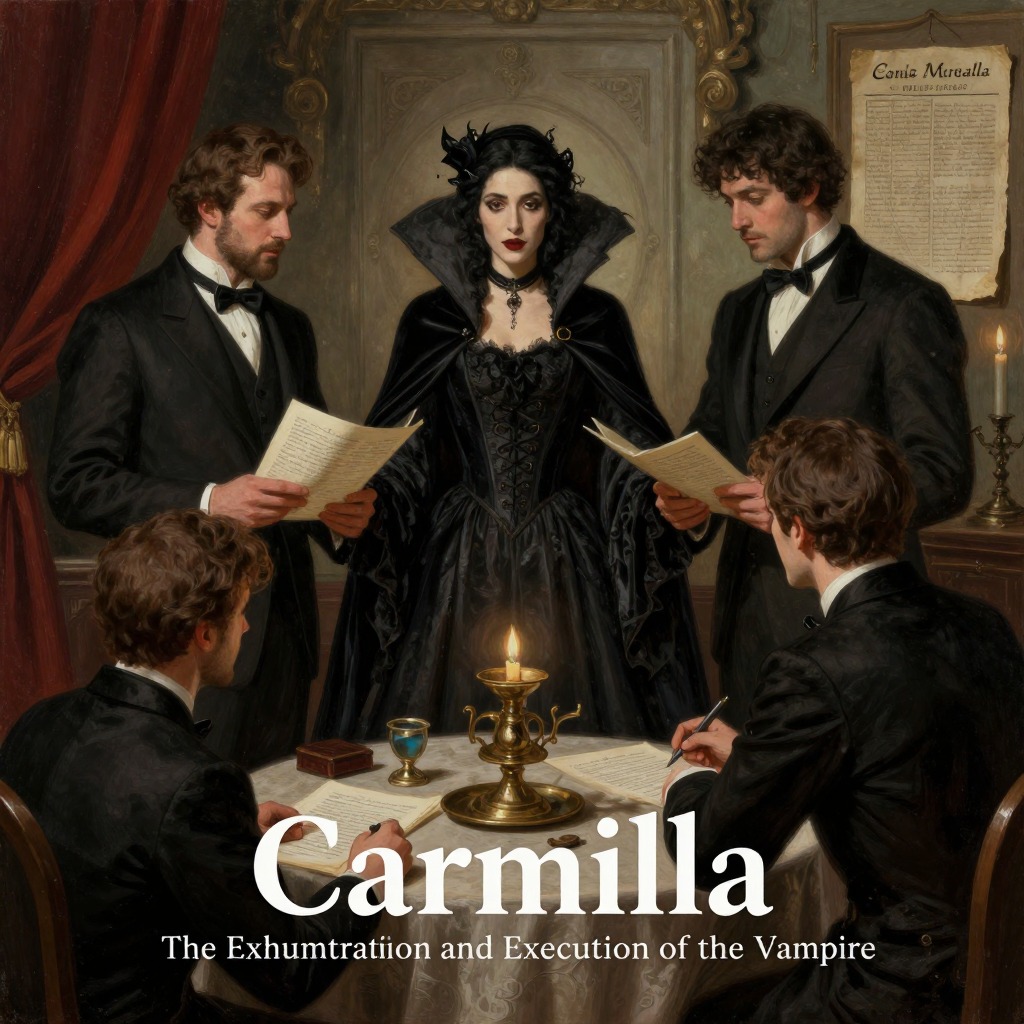
The Exhumation and Execution of the Vampire
Depicts the official legal procedure that destroys the vampire Countess Mircalla, drawing on folklore and judicial records.
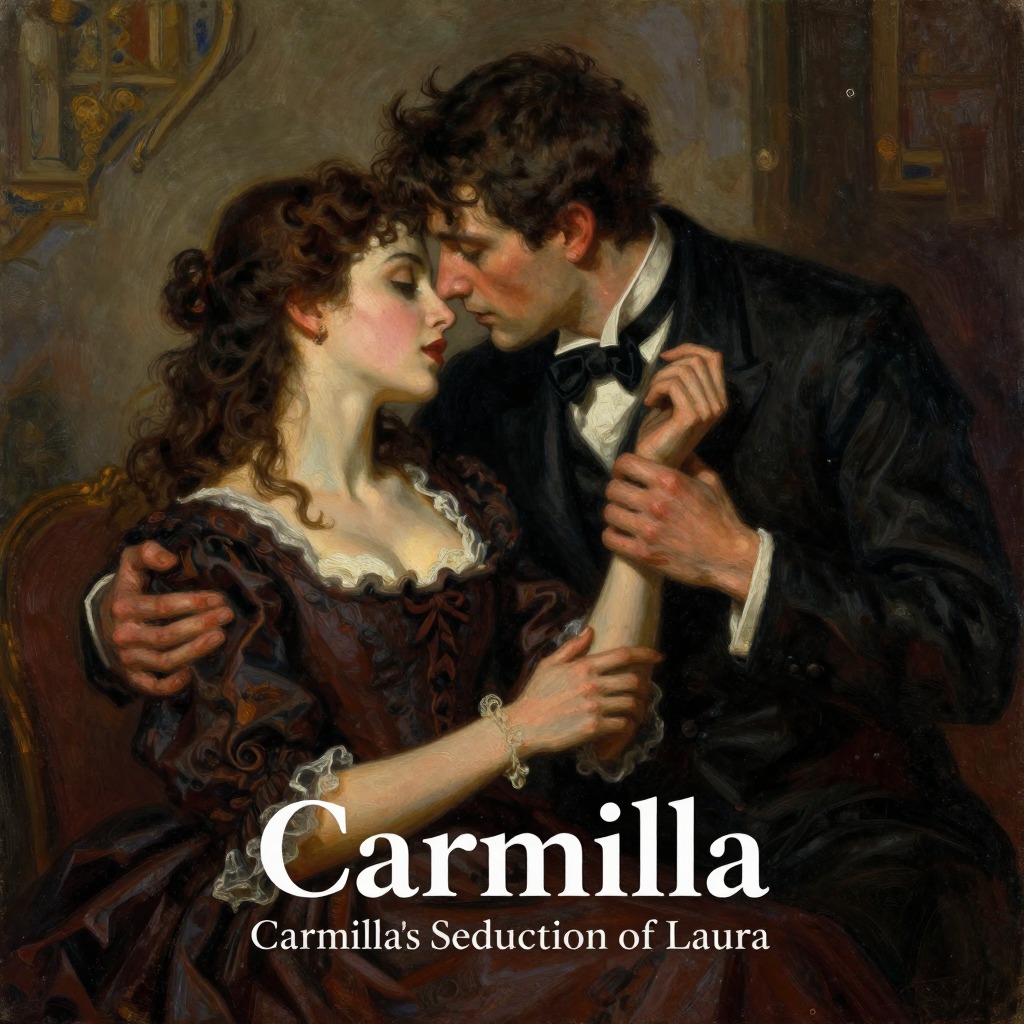
Carmilla's Seduction of Laura
Focuses on the intense, possessive, and ambiguous romantic advances that Carmilla makes toward Laura, blurring the line between love and predation.
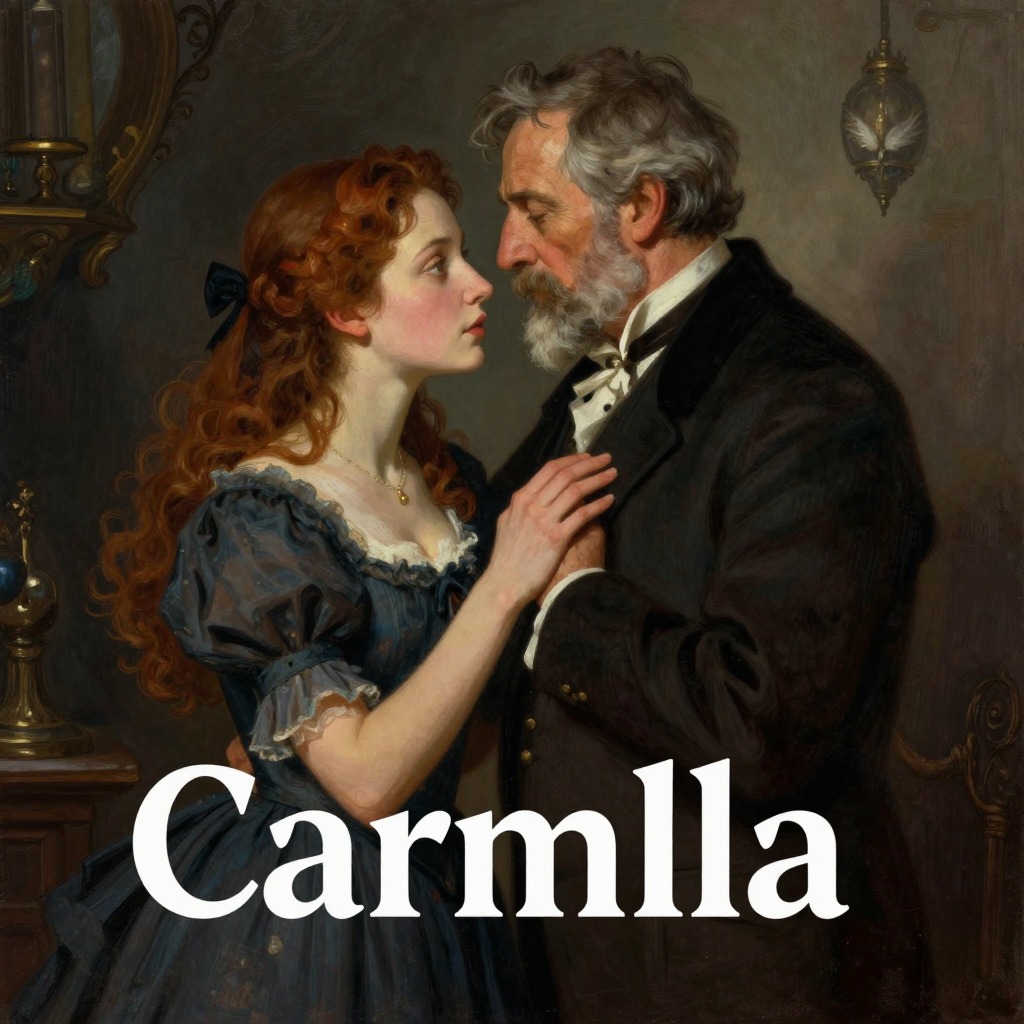
The Father-Daughter Bond
Explores the deep affection between Laura and her father, and how his protective instincts are tested by the supernatural crisis.
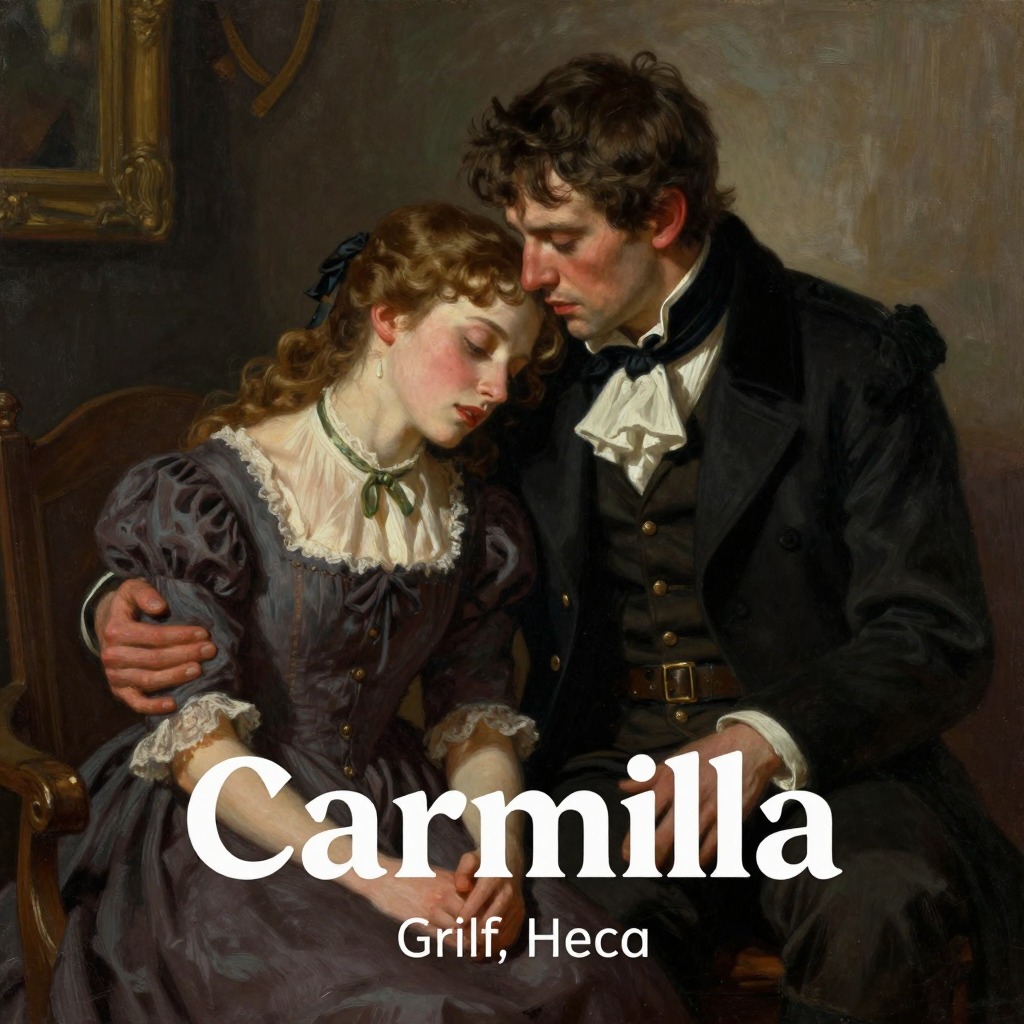
The General's Grief for Bertha
Portrays the profound love of General Spielsdorf for his niece and ward, and how her death transforms him into a vengeful hunter.
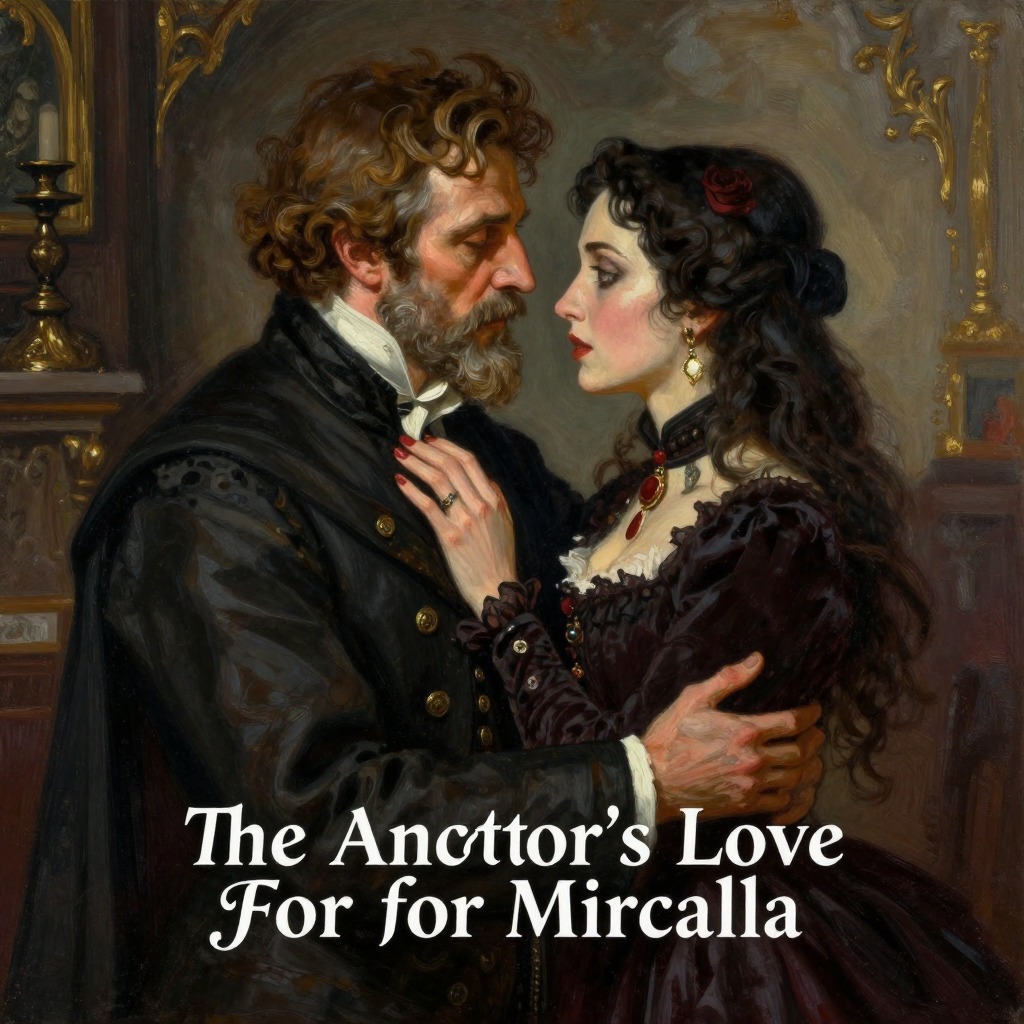
The Ancestor's Love for Mircalla
Reveals the tragic romance between Baron Vordenburg's ancestor and the vampire Countess Mircalla, a love that persisted beyond death.
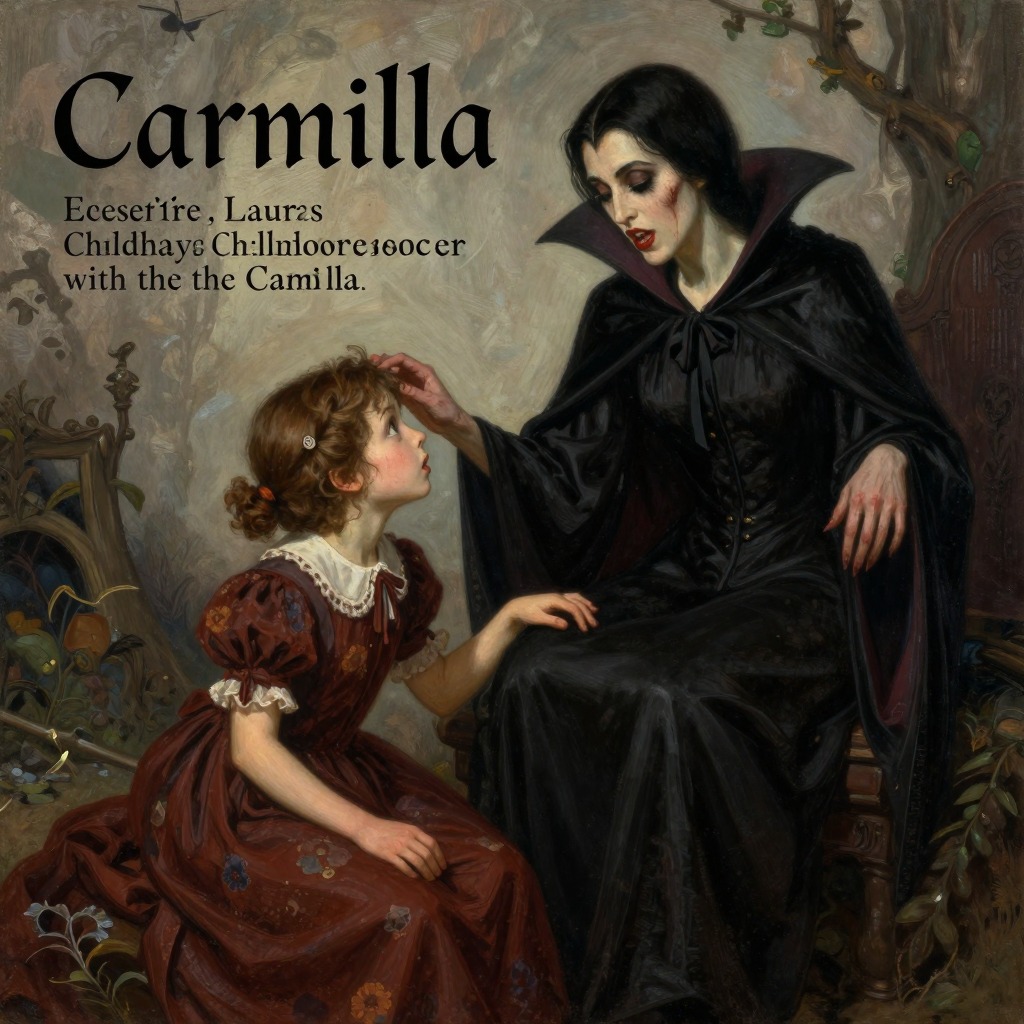
Laura's Childhood Encounter with the Vampire
Narrates the traumatic event from Laura's early childhood that foreshadows her later relationship with Carmilla and establishes the vampire's long-standing interest.
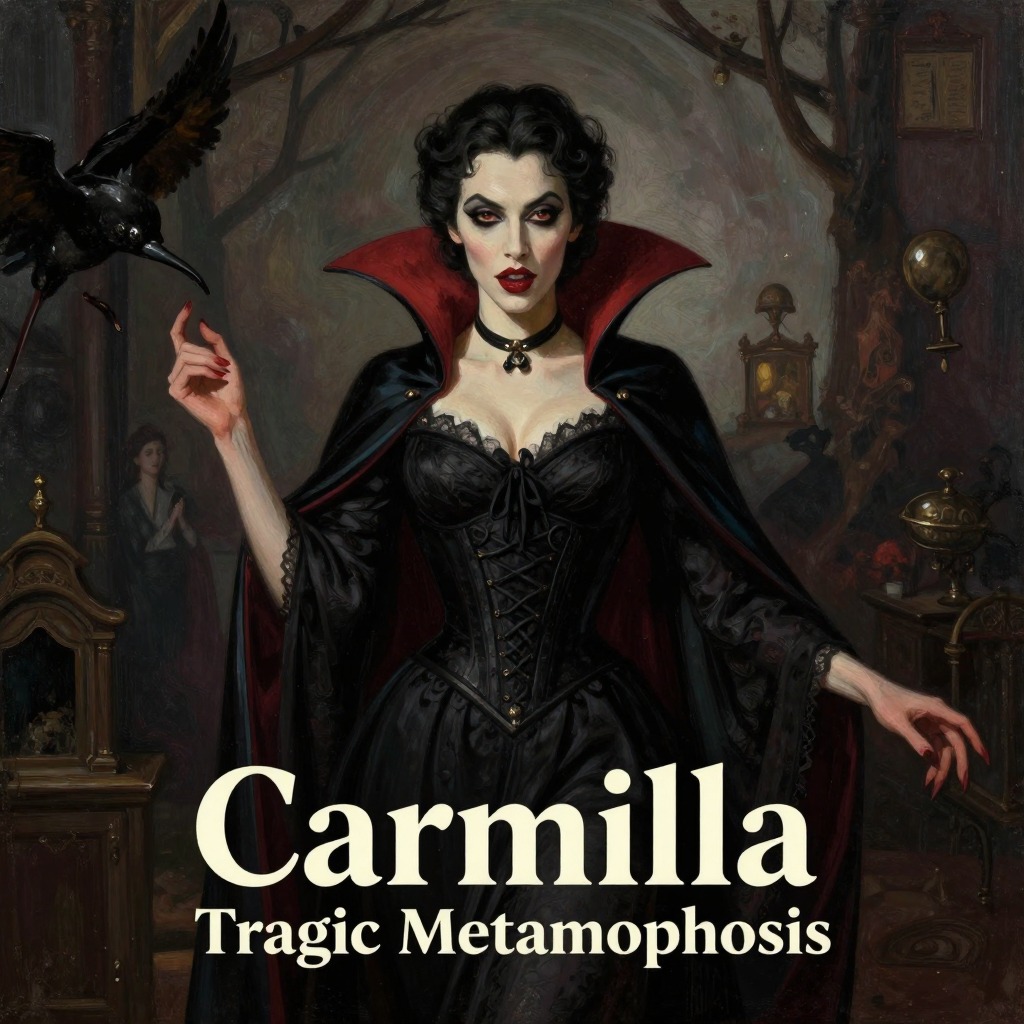
Carmilla's Tragic Metamorphosis
Follows the vampire's own fate from being a beloved noblewoman to a cursed undead creature, and finally to her violent destruction.
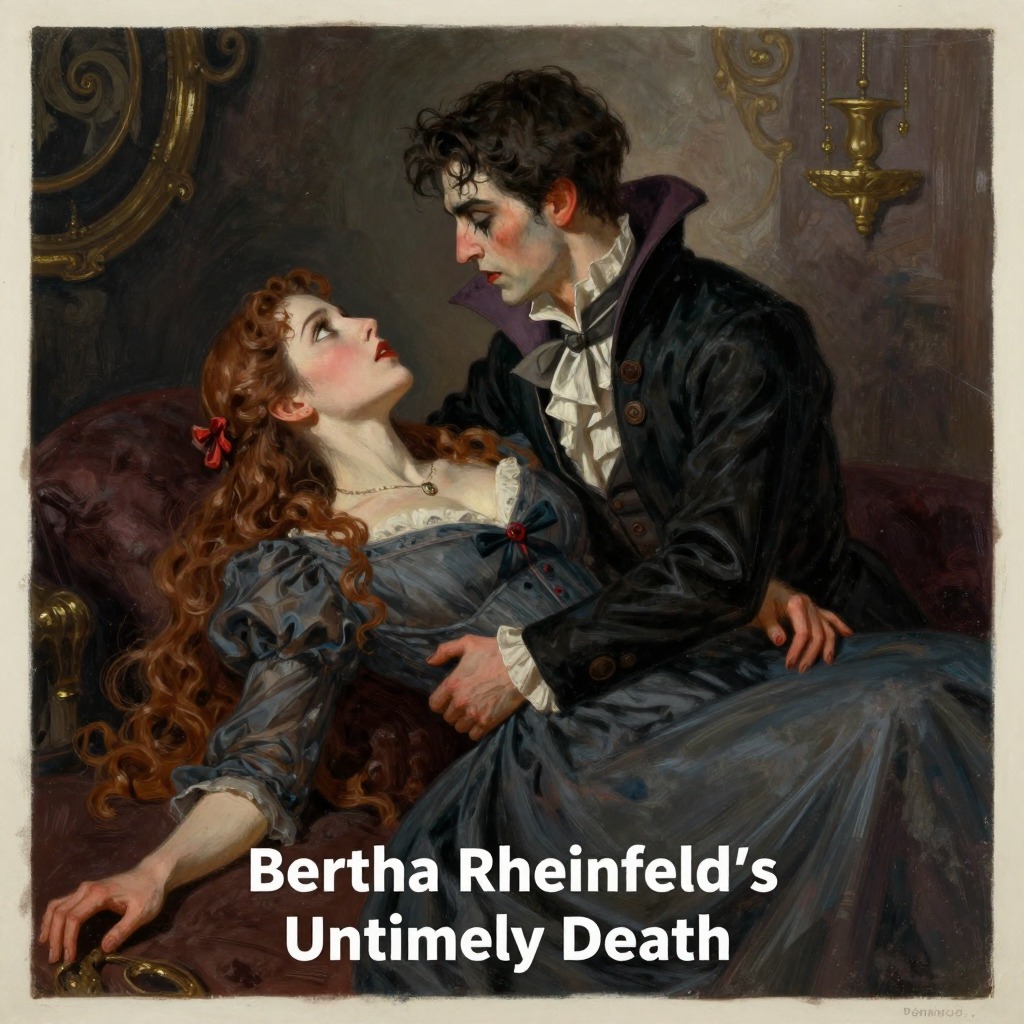
Bertha Rheinfeldt's Untimely Death
The brief but poignant story of Bertha, the General's niece, whose murder by the vampire sets the revenge plot in motion.
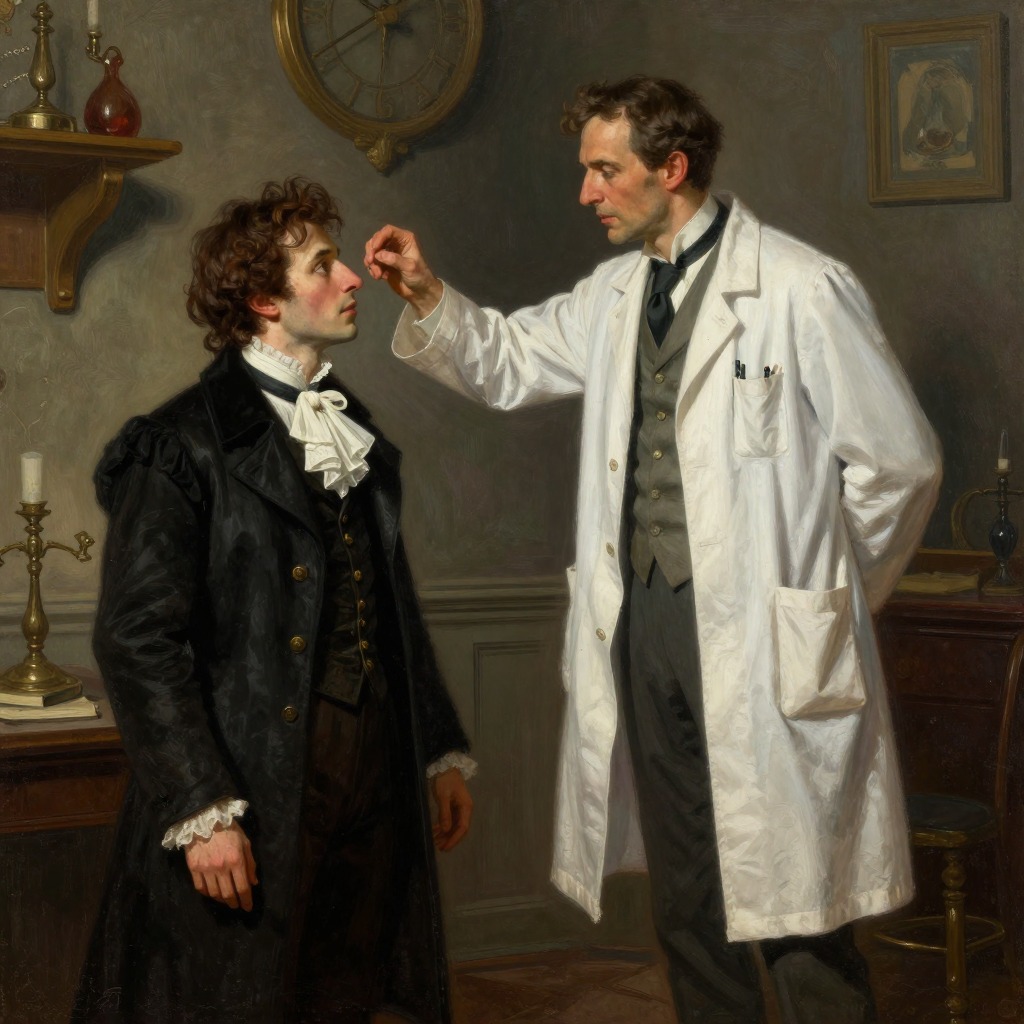
Doctor Spielsberg's Role as Medical Authority
Examines the doctor's function as a bridge between rational medicine and supernatural belief, and his ultimately successful intervention.
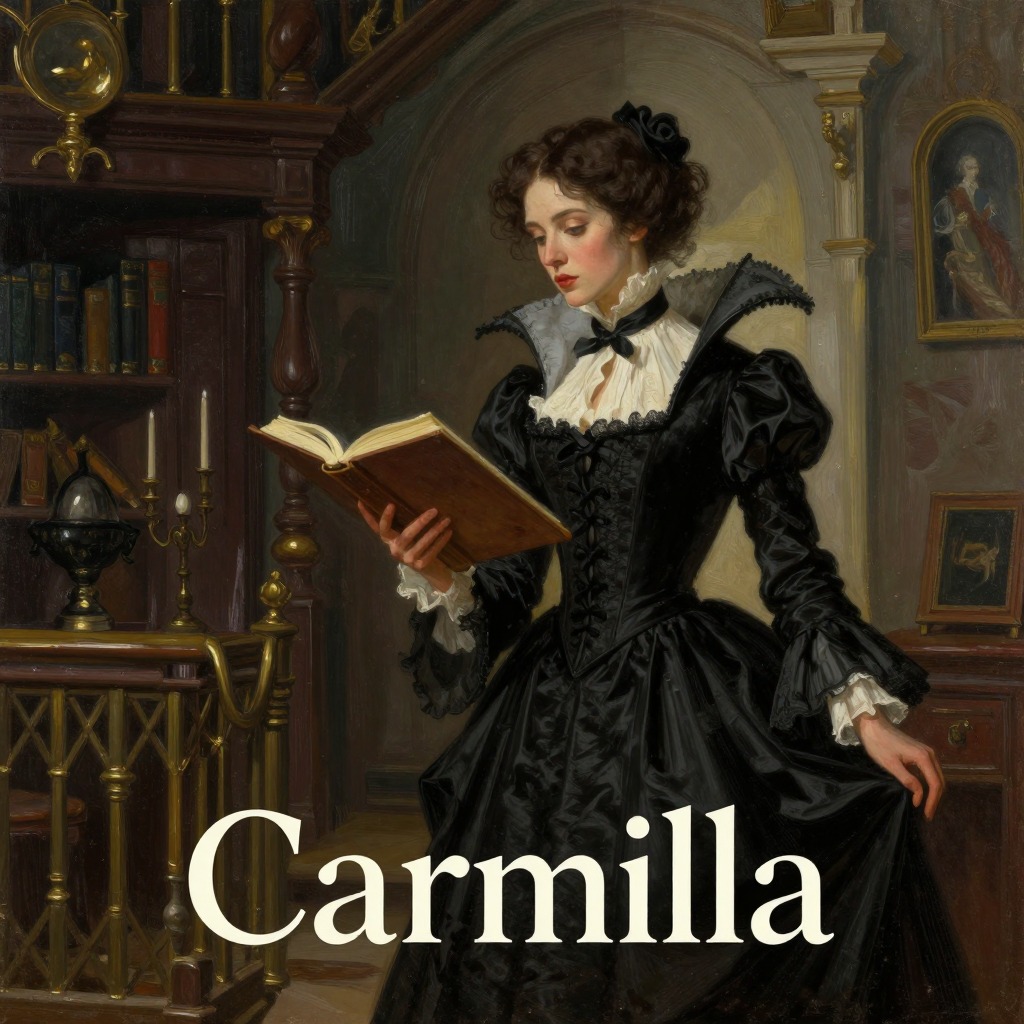
The Lady in Black Velvet's Mysterious Role
Explores the ambiguous character of the lady who delivers Carmilla to the schloss and whose true nature is never fully explained.
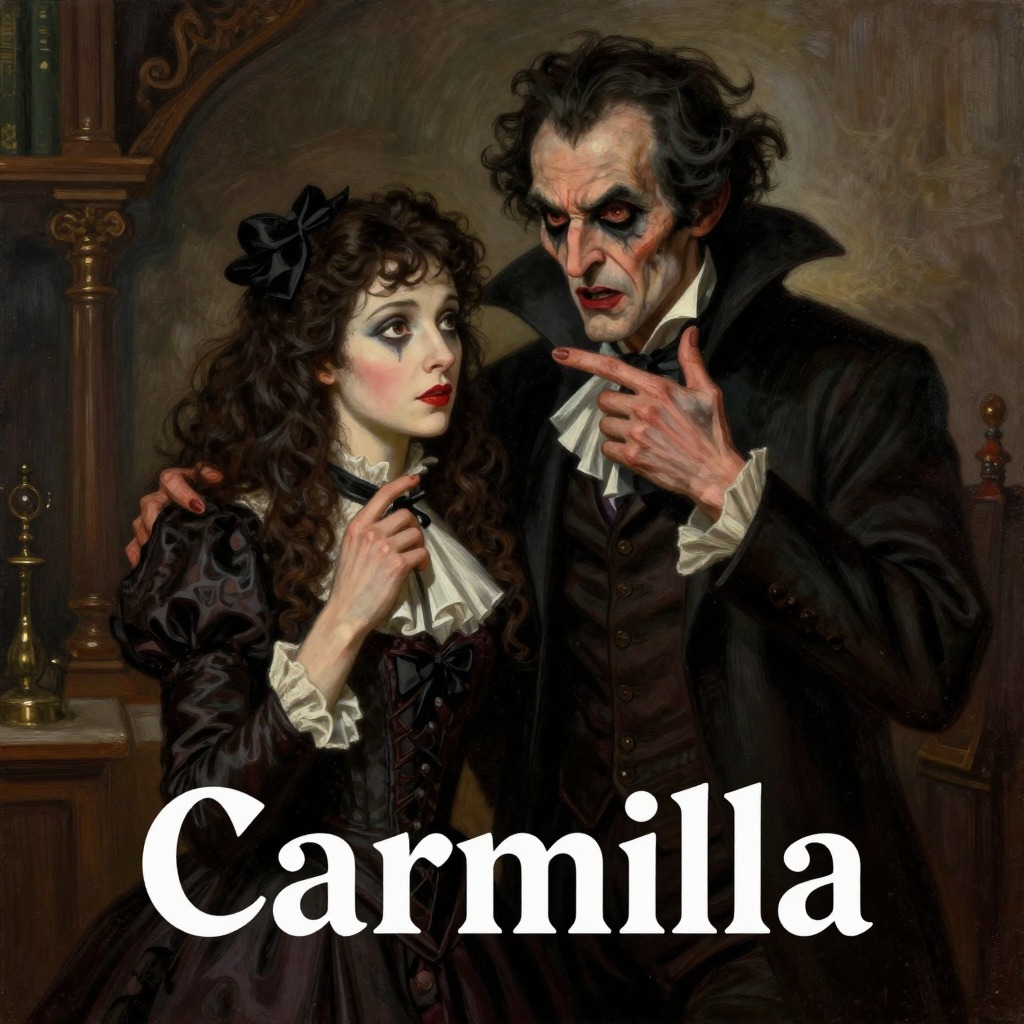
The Mountebank as a Figure of Uncanny Knowledge
Portrays the traveling hunchback who seems to see through Carmilla's disguise and offers protection against the vampire.
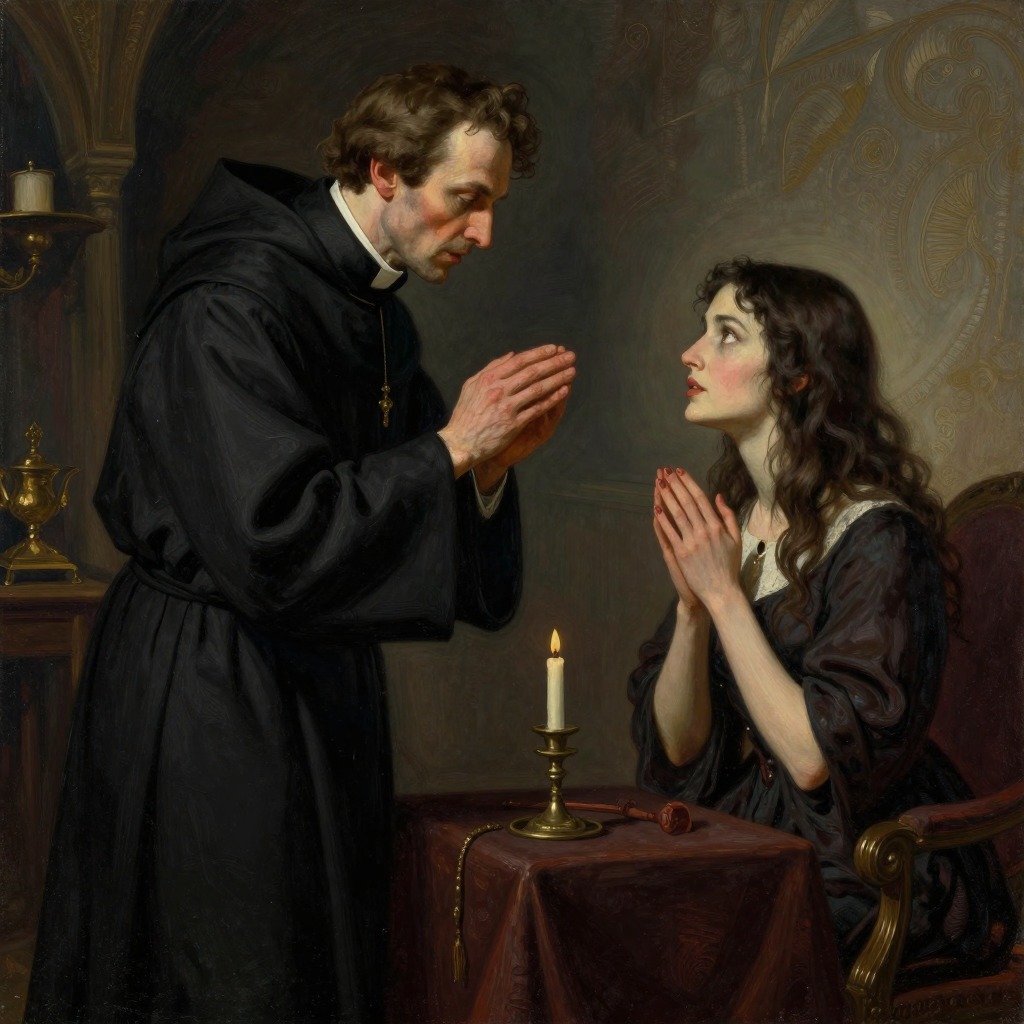
The Priest as a Spiritual Guardian
Follows the role of the clergyman who performs prayers and rituals to protect Laura from the vampire.
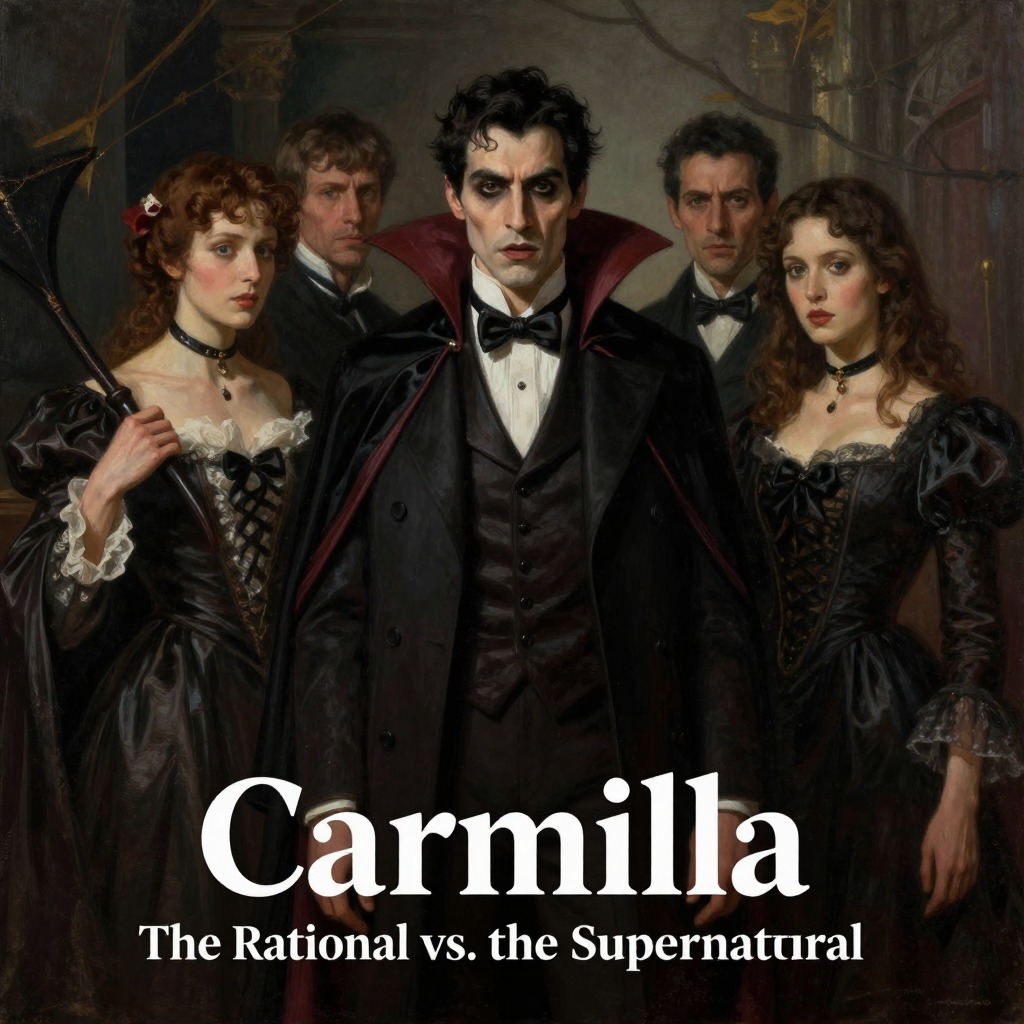
The Rational vs. the Supernatural
Traces the central conflict between the characters' Enlightenment rationality and the terrifying reality of the vampire.
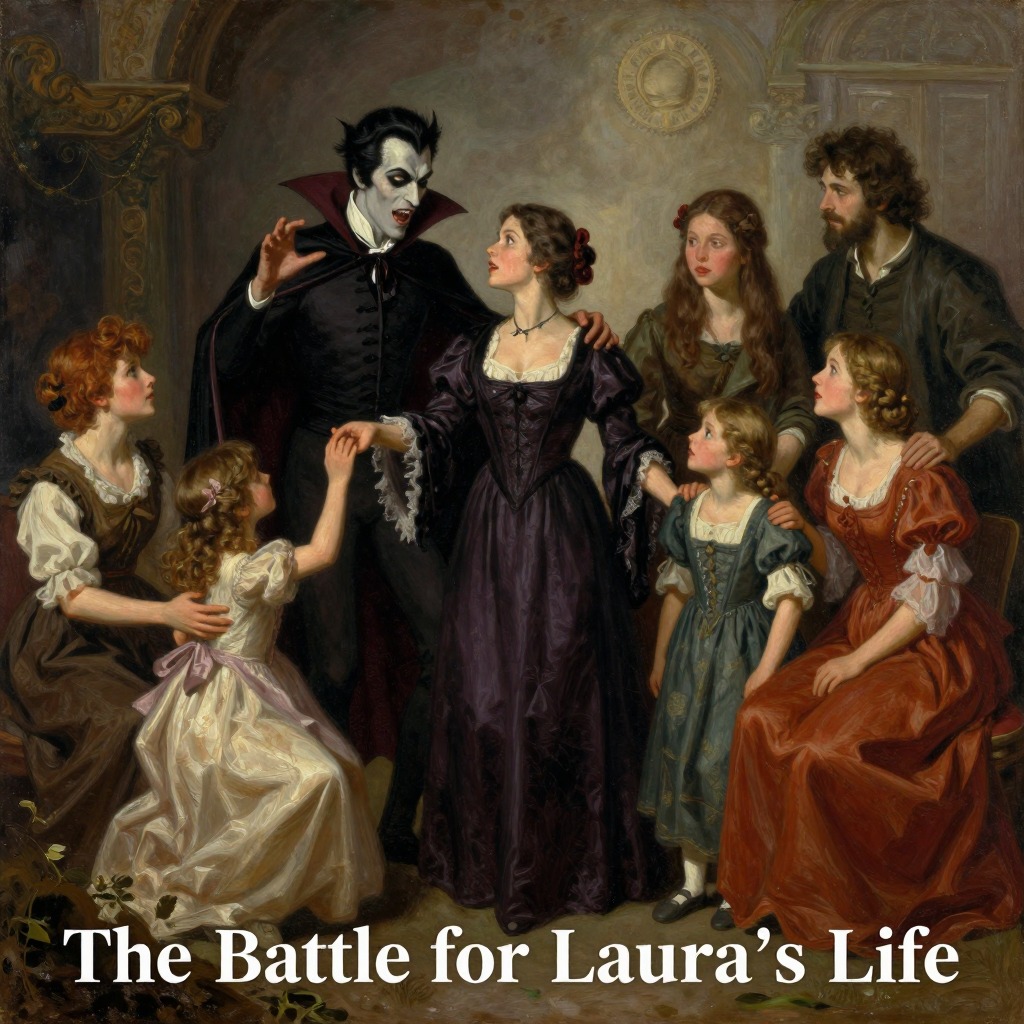
The Battle for Laura's Life
The escalating conflict between the vampire's predatory drive and the protective efforts of Laura's family and allies.
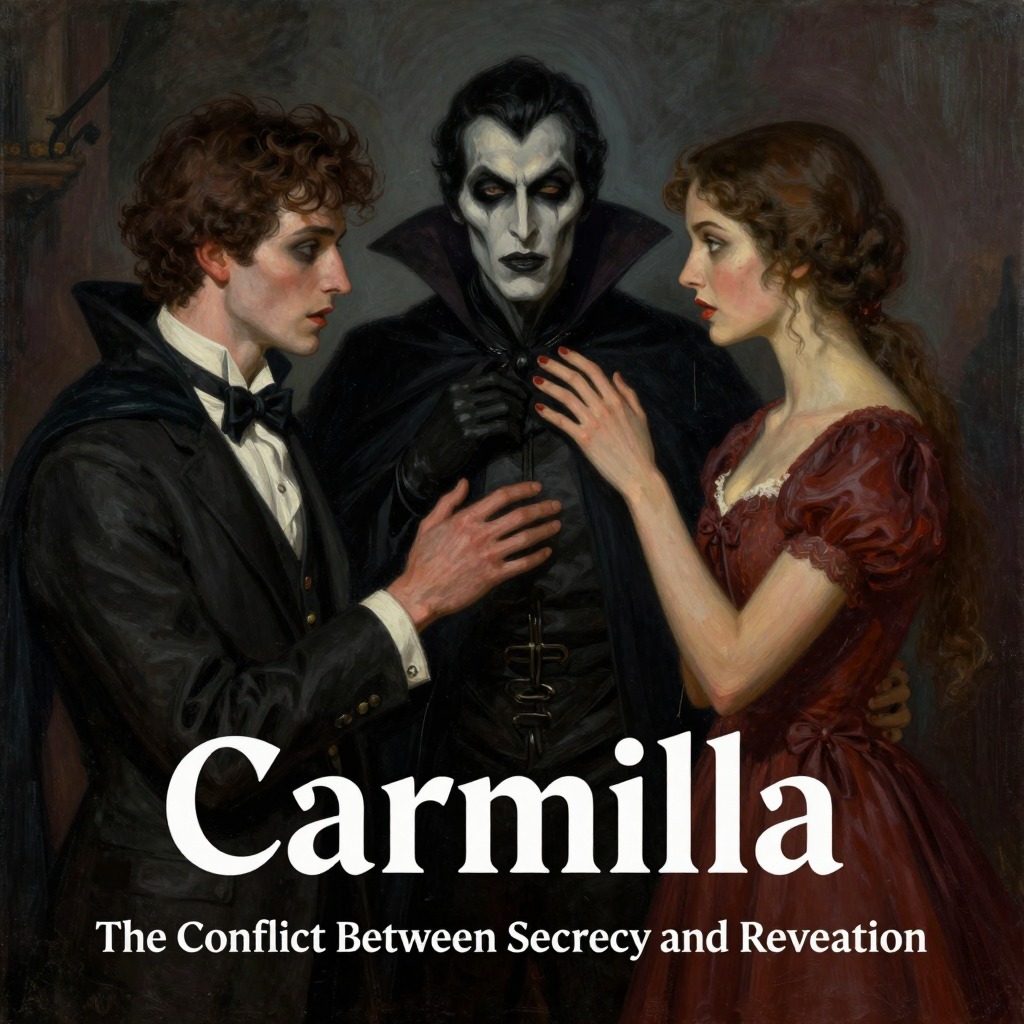
The Conflict Between Secrecy and Revelation
Examines the tension between the characters' desire to keep secrets and the need to uncover the truth about the vampire.
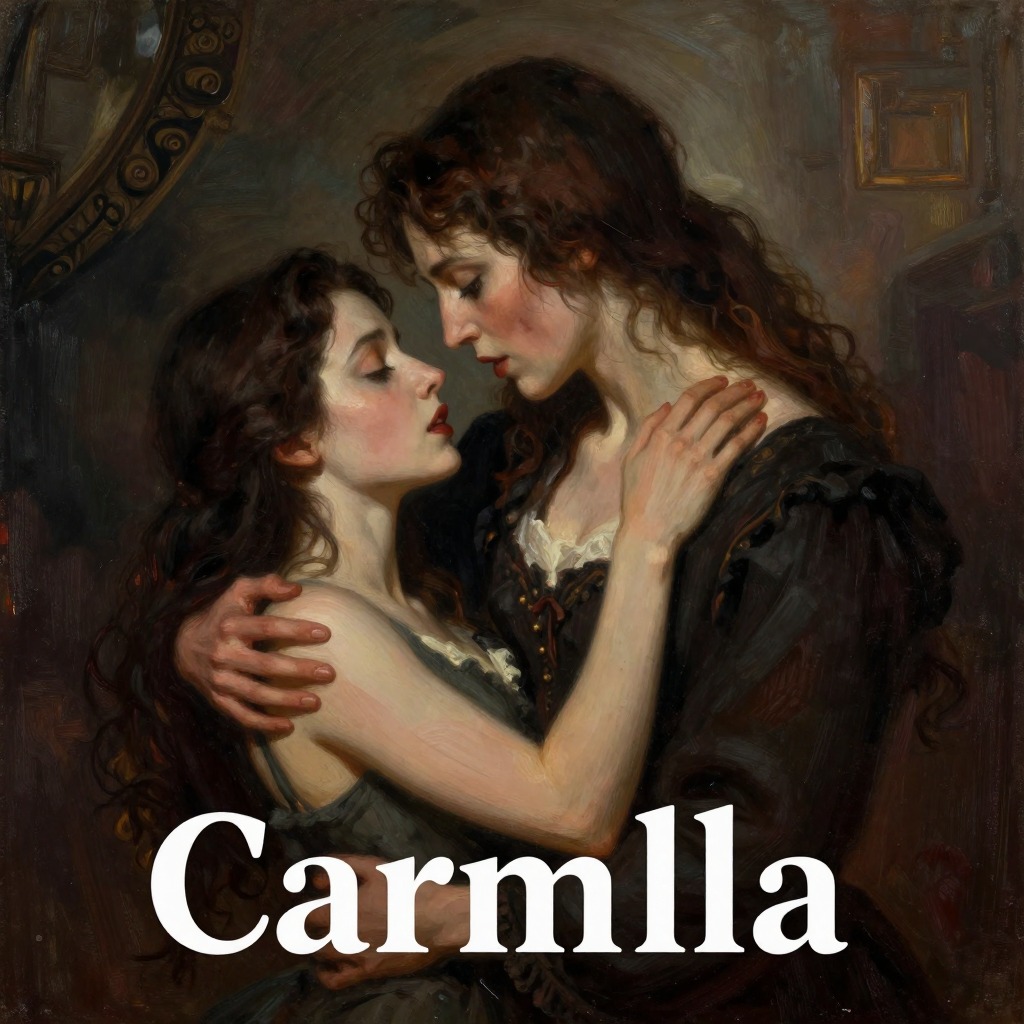
The Conflict Between Love and Death
Explores the paradoxical nature of Carmilla's love, which is both a source of emotional connection and a deadly threat.
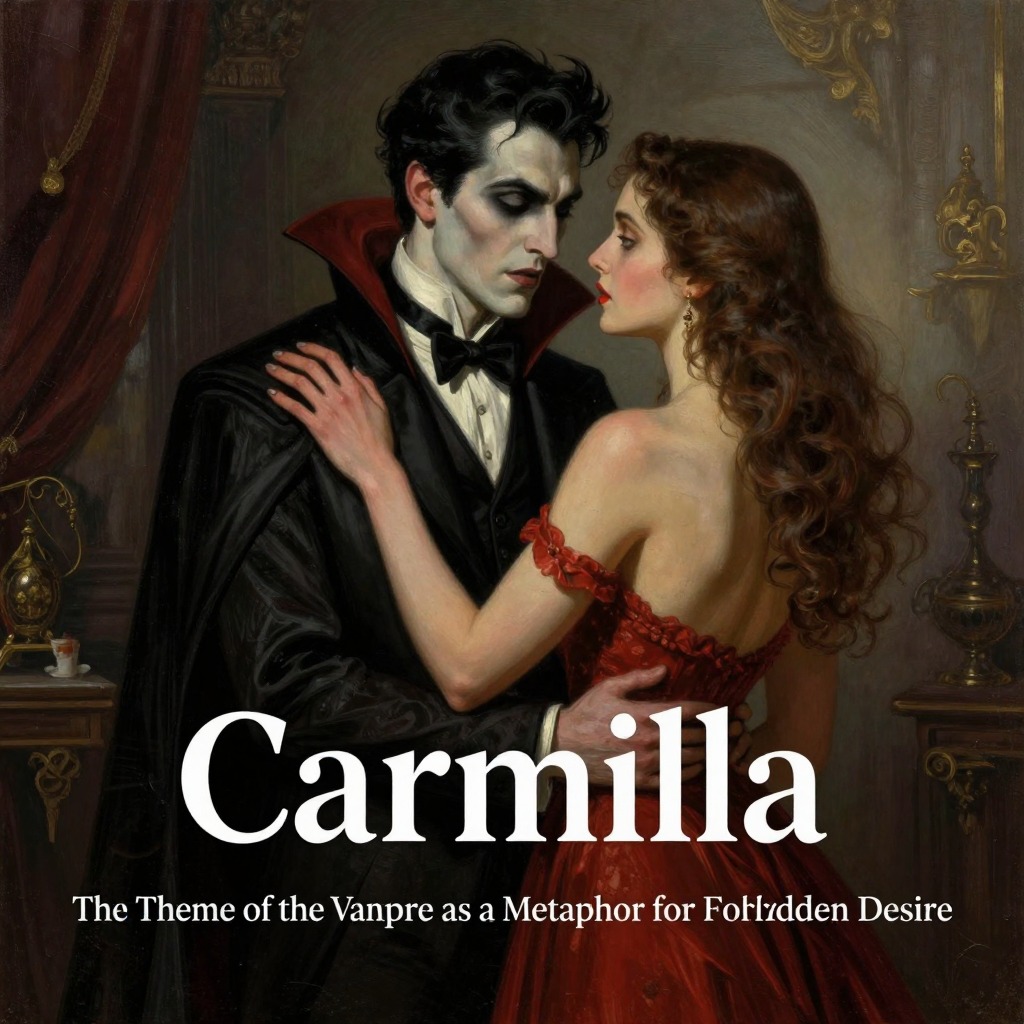
The Theme of the Vampire as a Metaphor for Forbidden Desire
Examines how the novel uses the vampire to represent taboo erotic attraction, particularly between women, and the social anxieties surrounding it.

The Theme of Isolation and Longing for Connection
Explores how the characters' loneliness makes them vulnerable to the vampire's seduction, and how the novel critiques the solitary life.
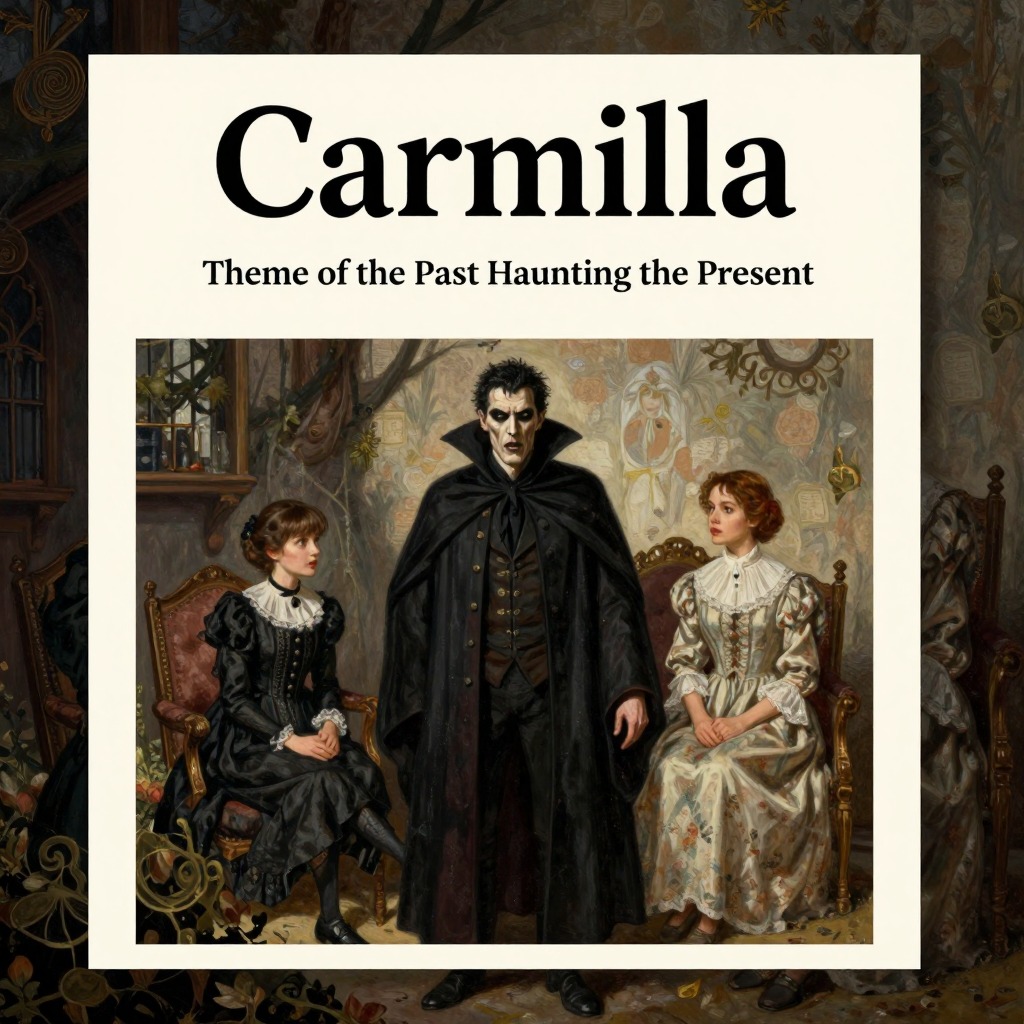
The Theme of the Past Haunting the Present
Explores how the history of the Karnstein family and the vampire's former life continue to affect the living, embodying the Gothic trope of the past's return.
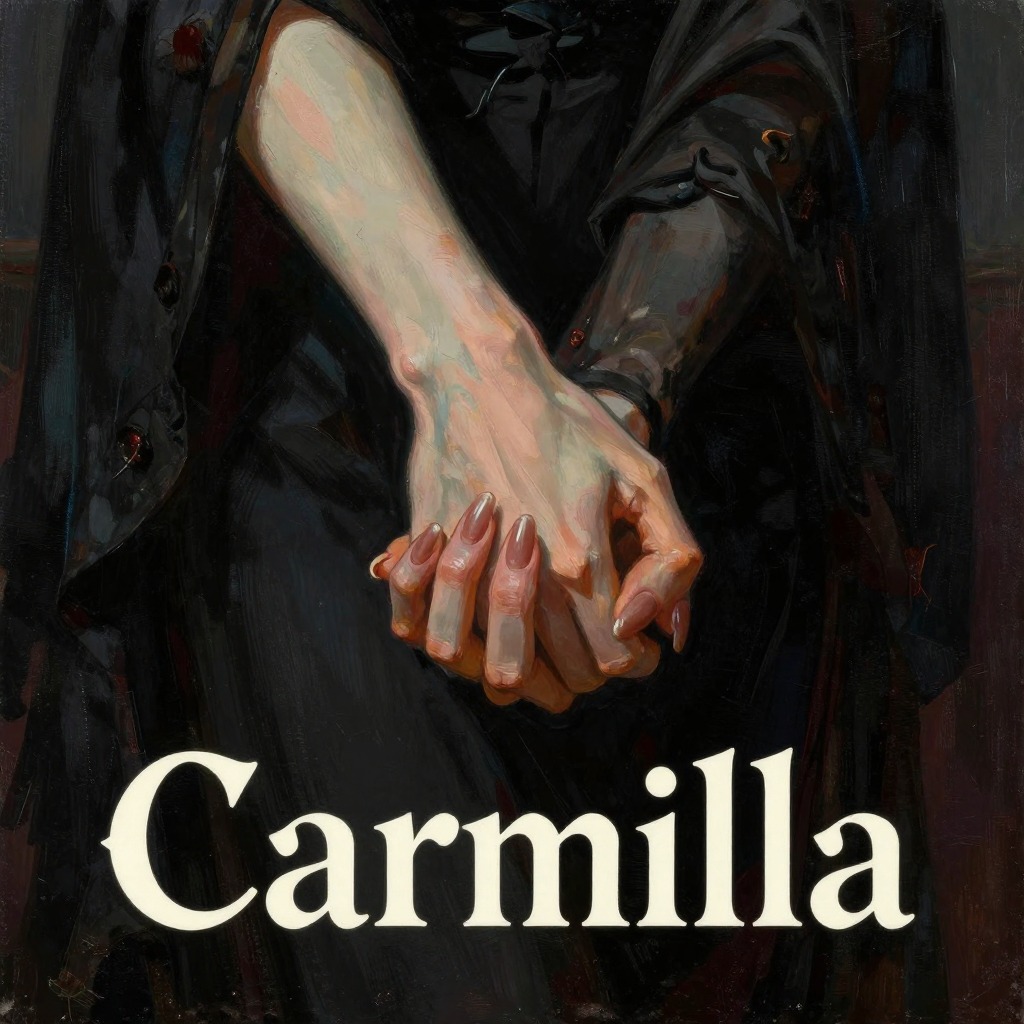
The Theme of the Power of the Hand
Explores the vampire's supernatural strength, symbolized by her grip, as a metaphor for her inescapable hold on her victims.
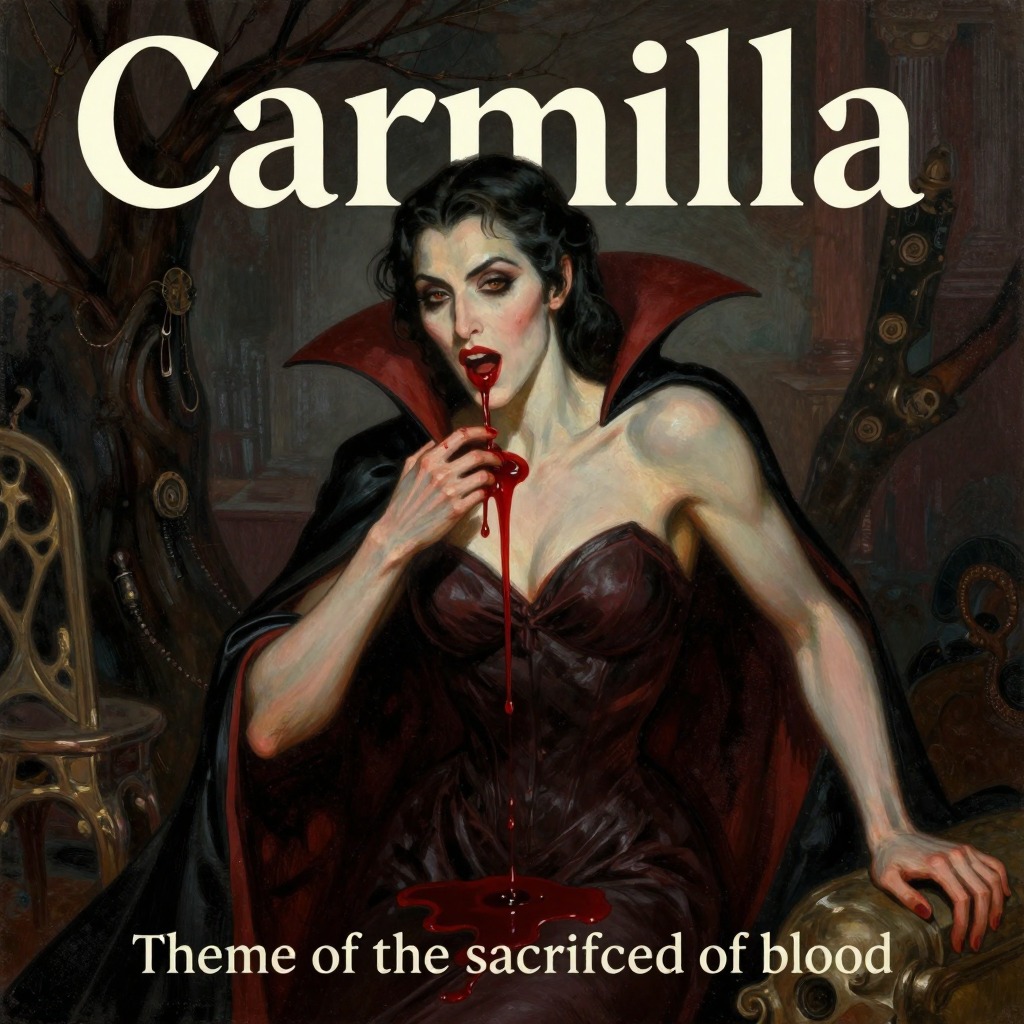
The Theme of the Sacrifice of Blood
Explores the recurring motif of blood as a life force and a symbol of the vampire's need for sacrifice, and the counter-sacrifice of the vampire's own blood.
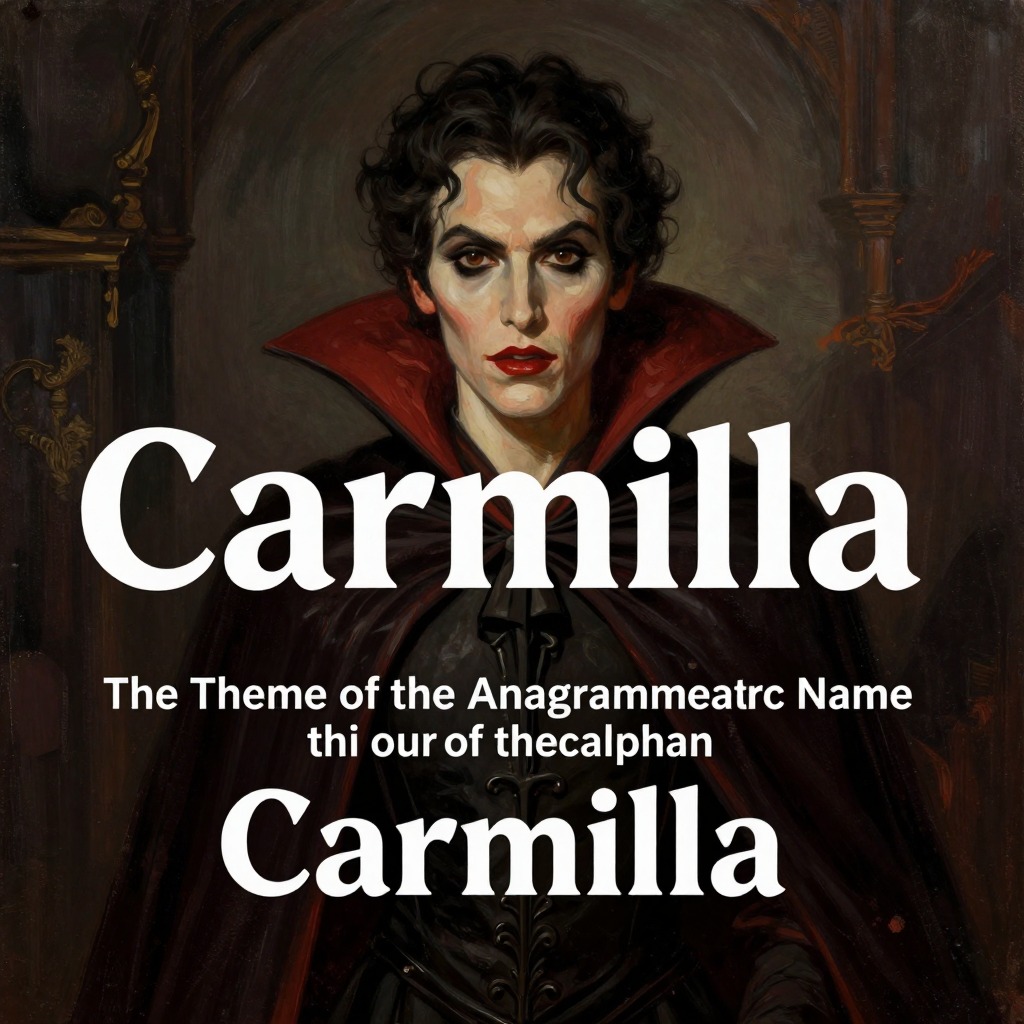
The Theme of the Anagrammatic Name
Examines the significance of the vampire's name shifting through anagrams, symbolizing her unchanging predatory nature beneath different identities.
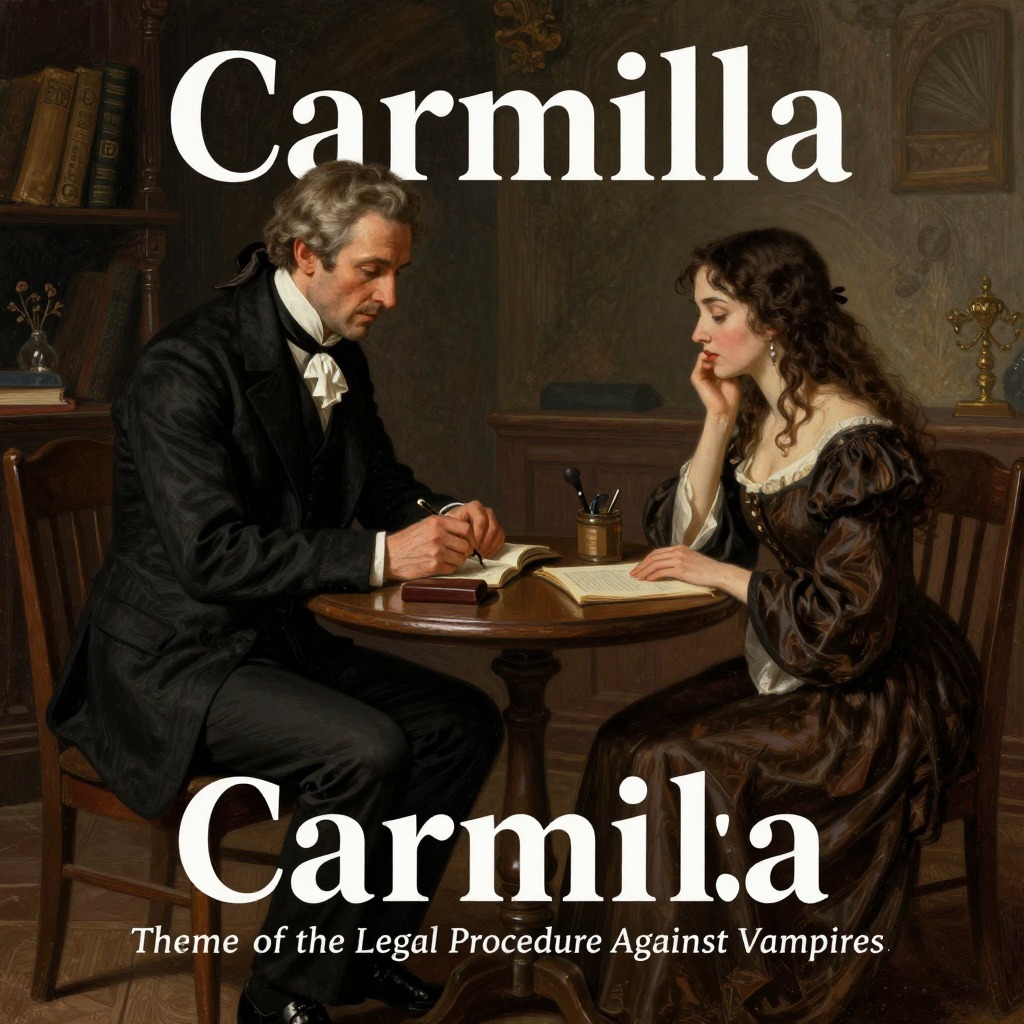
The Theme of the Legal Procedure Against Vampires
Examines how the novel incorporates formal legal procedures to deal with the supernatural, reflecting 18th-century practices.