Pamela Legat
MunichPamela Legat, Hugh Legat’s wife, is introduced as a striking, socially assured presence whose marriage is marked by unspoken distance and sudden upheaval. Seen largely through Hugh’s attention, she moves between polished public style and the intimate disorder of a household that appears to have been left in haste as the national crisis bears down on family life.
Introduction and Public Image
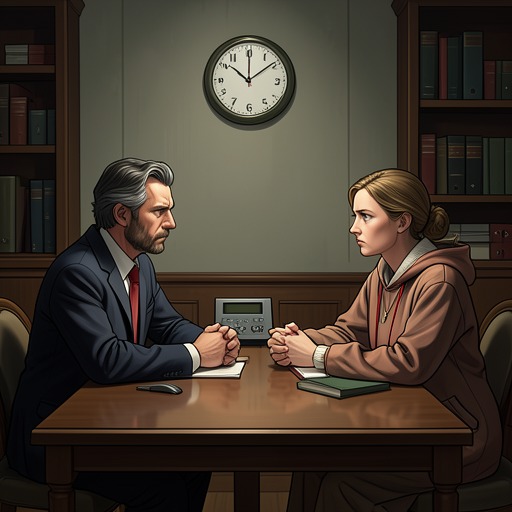
At their anniversary lunch, Hugh spots Pamela’s reflection among flowers in the restaurant’s gilded mirrors. She stands on tiptoe, searching the room, her long neck extended and chin raised; when she sees him, she smiles, waves, and threads quickly between the tables in a tight skirt and tailored silk jacket, drawing other diners’ attention. Hugh considers her as though she were a stranger, measuring her against the admiring, class-inflected judgments he remembers hearing at their engagement celebration. Her arrival is fifteen minutes late, but he rises to greet her. She kisses him firmly, apologizes while slightly out of breath, and removes her gloves after setting a small cardboard box on the table.
Pamela gives the lateness a perfectly innocent explanation, though the account does not disclose where she has been. She leans toward Hugh and marks their anniversary with a toast. Her confident manner and carefully composed appearance contrast with the uncertainty in their private life: Hugh has learned not to ask where she has been, and on this occasion he had tried to call but could not reach her at home.
Marriage and Family Under Pressure
The lunch is shadowed by the danger outside it. As workmen dig in the park, Hugh cannot stop thinking about their young children wearing gas masks; he pushes the cardboard box out of sight beneath the table. Pamela orders Dover sole and green salad without consulting the menu, and Hugh follows her choice, but his attention remains fixed on the children and the threat of war. The scene places ordinary marital ritual—an anniversary meal, a shared order, a toast—beside the preparations and fears intruding into family life.
Later, Hugh telephones Pamela and asks her to pack a week’s clothes and have the garage drive her and the children to her parents immediately. When she points out that it is already six o’clock, he insists they will still be open. The exchange shows Hugh issuing an urgent practical instruction rather than discussing the danger at length; the evidence does not record Pamela’s response in the call itself.
Home and Departure
When Hugh returns, the house is empty, and its details suggest that Pamela and the children have gone in a hurry. The silk jacket she wore at lunch is draped over the banister, and a child’s tricycle lies on its side in the passage. Hugh rights it before going upstairs. The domestic setting carries both care and deterioration: rotting stairs and damp in the party wall coexist with Persian rugs, crimson damask curtains, feathers, beads, and antique lace. Pamela has made the place chic despite its condition, a talent Hugh recognizes as genuine; one evening she had transformed it with scented candles, only for the smell of damp to return the next morning.
The bedroom is left in greater disarray. Pamela’s clothes lie in heaps on the bed and across the floor, and Hugh steps over her underwear to reach the bathroom. He packs his shaving things and looks for a shirt, then pauses at the sound of a car moving slowly along North Street. A small car stops outside with its passenger door open; after a clatter downstairs, a figure in a hat and dark coat leaves the house and gets back into the car. The scene closes on an unexplained departure, without identifying the figure or establishing its connection to Pamela.
Narrative Perspective and Significance
Pamela’s character is conveyed chiefly through what Hugh sees: her figure in the restaurant, her clothes, her lateness, her decorating, and the traces she leaves behind. Her own motives and private feelings remain largely unstated. That imbalance makes the marriage’s distance part of the way she is presented: Hugh watches and interprets, while the circumstances behind her absences are withheld. At the same time, the house gives her an unmistakable presence. Its deliberate style persists against damp and decay, just as the anniversary’s gestures persist beside the fear and urgency reshaping the family’s ordinary routines.