Adolf Hitler
MunichAdolf Hitler is the political force driving the September 1938 crisis toward the threatened invasion of Czechoslovakia. In the available scenes, he is chiefly seen through speeches, reported statements, and a letter to Neville Chamberlain: each presents a leader who rejects delay and presses Britain to secure Prague’s compliance even as opposition within the German Army threatens his control.
Speech and Threat of Invasion
On the afternoon of Tuesday 27 September 1938, Hugh Legat reads for the third time the speech Hitler delivered the previous night at Berlin Sportpalast. The repeated reading gives the speech immediate weight: it is not distant political rhetoric but a warning Legat is trying to understand as events unfold.
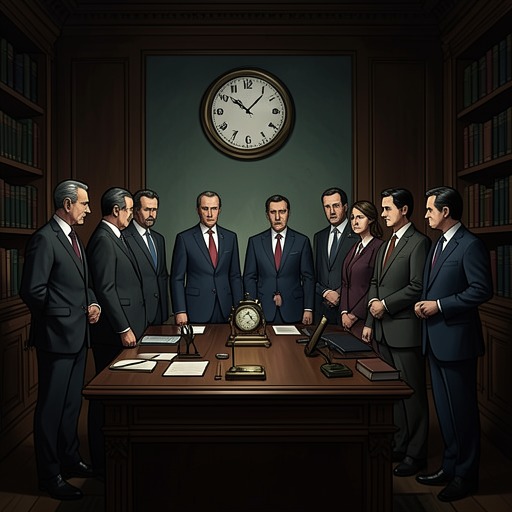
At a Cabinet meeting that afternoon, Chamberlain reports that Hitler has refused to wait even a week longer for the orderly transfer of the Sudeten territory, which had been expected to proceed subject to a plebiscite. According to Chamberlain, Hitler has announced that Germany will invade on Saturday. The prospect of an invasion turns the dispute over timing and territory into an imminent military crisis.
Diplomatic Pressure on Chamberlain
A letter beginning with Hitler’s account of his conversations with Sir Horace Wilson sets out a belligerent interpretation of the dispute. It accuses the Czechs of stalling, dismisses their objections to immediate German occupation of the Sudetenland as contrived, and alleges that Prague is working toward a general war. The letter closes by placing responsibility on Chamberlain to decide whether to continue trying to persuade the Government of Czechoslovakia to yield at the last hour.
The letter’s diplomatic form does not soften its pressure. It presents German occupation as the remedy for supposed obstruction and makes continued British efforts to influence Prague part of Hitler’s proposed path forward. Read alongside the reported invasion deadline, the appeal leaves little room for negotiation on terms other than those he has set.
Opposition Within the German Army
Ludwig Beck tells the conspirators that he resigned as Chief of the General Staff a little under six weeks earlier in protest against the plan to go to war with Czechoslovakia. He had kept the resignation secret after promising Hitler not to make it public, a promise Beck says he regrets. Though no longer in the post, Beck remains in contact with his former colleagues in the high command.
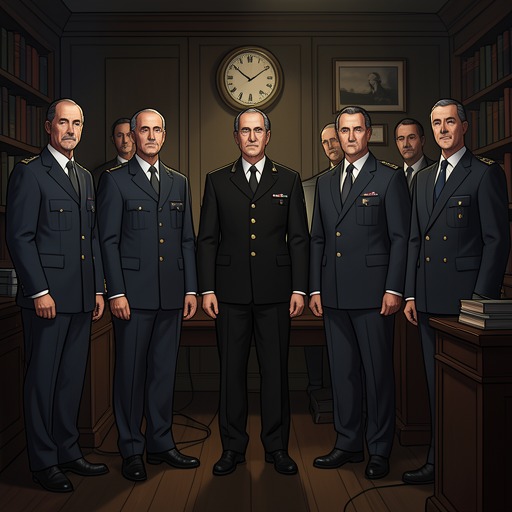
Beck reports strong opposition to Hitler’s course and judges that, if Hitler issues the mobilization order the following day, the Army may disobey and move against the regime. The possibility is conditional, not a completed action: Hitler’s threatened decision could become the trigger for a military challenge to his rule. Colonel Hans Oster responds that the new information changes everything and that the group must be ready to act decisively.
Narrative Role
Hitler’s presence in these passages is mediated by documents and other people’s reports: Legat studies his speech, Chamberlain recounts his threat, and the letter conveys his case to the British Prime Minister. This keeps attention on the political consequences of his words—the threatened invasion, pressure on Prague, and danger of war—rather than on a private account of his thoughts.
The contrast between Hitler’s insistence on immediate action and Beck’s account of opposition within the high command makes the crisis run on two linked fronts. The threat to Czechoslovakia is also a test of Hitler’s authority inside Germany: the mobilization order he may issue could prompt the Army to turn against his regime.