General Ludwig Beck
MunichGeneral Ludwig Beck is a former Chief of the General Staff whose opposition to war with Czechoslovakia gives the anti-Hitler group a possible opening at a moment of crisis. A senior officer still in contact with the high command, he brings both military weight and firm limits: the Army may turn against the regime, but Beck will not endorse either breaking his oath as the initiating force or killing Adolf Hitler outside the law.
Identity and Introduction
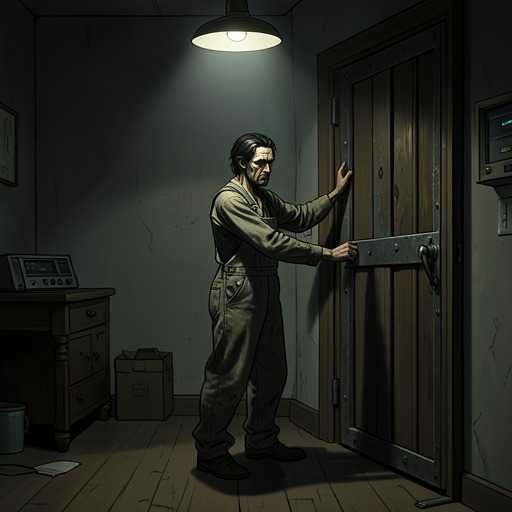
When Paul von Hartmann arrives at Beck’s house, Beck identifies himself simply by surname and draws him inside before locking the door. His composed appearance—a grey suit, blue tie, and face that might belong to a professor—contrasts with the importance of the meeting. He leads Hartmann to a room where several men are gathered, joining a secret discussion whose stakes are not yet fully clear to its newest participant.
Resignation and Opposition
Beck tells the group that he resigned as Chief of the General Staff a little under six weeks earlier to protest the plan to go to war with Czechoslovakia. His resignation has remained publicly unknown because he promised Adolf Hitler not to make it public. Beck regrets having given that word, but says that he kept it. The secrecy of the protest has therefore concealed both his break with the regime and his continuing role in the crisis.
His influence has not ended with his resignation. Beck remains in touch with former colleagues in the high command and reports strong military opposition to the course being taken. If Adolf Hitler orders mobilisation the next day, Beck believes the Army may disobey and move against the regime. The disclosure changes the group’s assessment: Colonel Hans Oster says they must be ready to act decisively, since they may not have another such chance.
The Army’s Oath and the Limits of Action
Beck explains why military opposition cannot simply begin with an Army coup. The Wehrmacht has sworn an oath of loyalty to Adolf Hitler, and Beck argues that the Army’s first move against him would violate that obligation. He nevertheless sees a way for the Army to intervene: if a disturbance occurs in the Chancellery, it could enter to maintain order. In this formulation, the Army can become decisive without initiating the action against Hitler; that first move must come from others.
The distinction makes Beck’s opposition conditional rather than unrestricted. He offers the conspirators a prospect of military support, but only within a narrow interpretation of duty. The oath is at once an obstacle and a rule that shapes the resistance’s proposed sequence of action: others must create the opening, after which the Army may claim to restore order.
Justice Rather Than Killing
Beck also draws a clear boundary around what should happen if Hitler is arrested. He agrees with the proposal that Hitler should be taken somewhere secure, but refuses to participate in an extrajudicial killing. Instead, he calls for a thorough psychiatric examination, followed either by confinement in an asylum or by making Hitler answer for his crimes. His position sets lawful process against expedient violence, even as the conspirators contemplate an urgent operation.
Beck’s appearance in the meeting thus supplies no simple promise of rescue. He makes military resistance seem possible while exposing the constraints imposed by secrecy, the oath, and his own rejection of unlawful killing. The same qualities that give his warning authority also narrow the action he is willing to support.