Other World
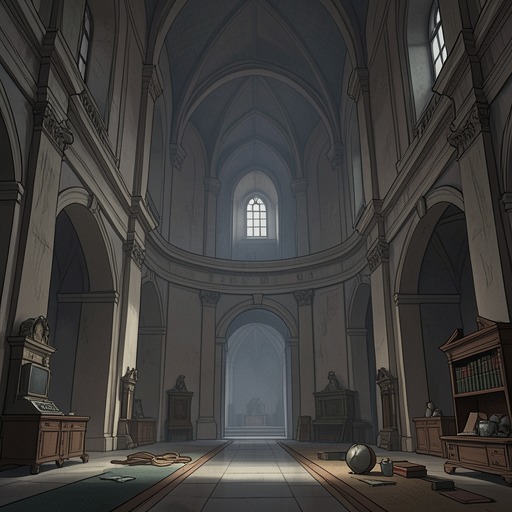
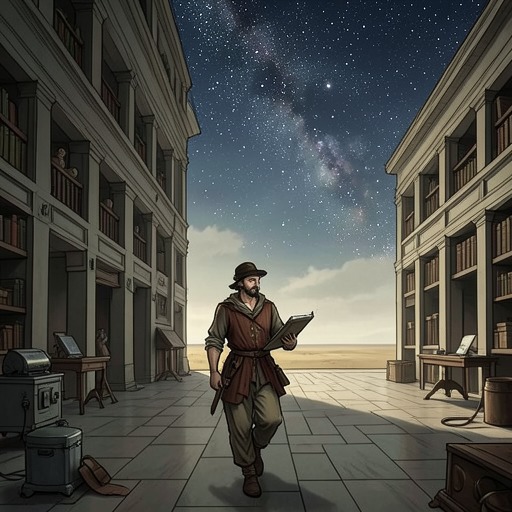
PiranesiThe Other World is the actual world beyond the House, not another part of its halls. It is where the Other goes after meeting Piranesi, and where Sarah Raphael can return after visiting him. The contrast between this world and the House explains the different meanings their inhabitants attach to memory, language, and the statues—and makes Piranesi’s eventual departure a choice between remaining in the House and rejoining a world he has nearly forgotten.
Definition and Relation to the House
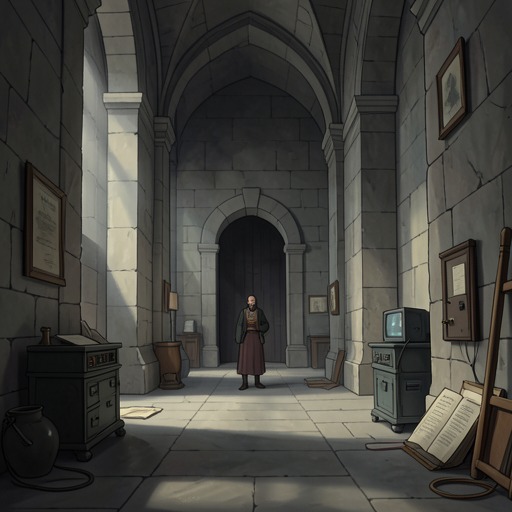
Piranesi comes to understand the Other World through the Other’s movements: unlike Piranesi, the Other does not remain in the House. He walks away from their meetings and returns to his own world. That distinction accounts for the Other’s ability to remember Matthew Rose Sorensen’s identity and for his caution about words such as “Battersea,” which might awaken memories Piranesi has lost. The House is therefore not merely a place with different rooms; staying in it has consequences for memory that the Other avoids by leaving.
A World of Different Referents
The contrast becomes explicit in Piranesi’s conversation with Sarah Raphael. In the House, words such as “Manchester” and “police station” have no meaning because the things they name do not exist there. “River” and “mountain,” by contrast, have meaning because they are depicted in the statues; Piranesi reasons that such things must exist in the Older World. Raphael confirms the distinction: the House contains representations, while in the Other World one can encounter an actual river or mountain.
Piranesi resists the hierarchy implied by calling the House’s images “only” representations. He argues that a statue may be superior to the thing it depicts because it is perfect, eternal, and not subject to decay. The disagreement gives the two worlds more than a geographical difference: Raphael speaks from the practical distinction between an image and its referent, while Piranesi defends the House’s own order of value. His attachment to the House is not simply a failure to recognize the outside world; it rests on a serious conviction that the statues possess a permanence the actual world lacks.
Return and Departure
The Other World also frames Piranesi’s final decision. He recognizes that if he remains in the House, he will be alone: Raphael has promised to visit, but each time she returns to her own world he will know that she has left him there. This differs from his earlier understanding of the Other’s departures, when he believed the Other was merely elsewhere in the House. Knowing what separation means does not make staying easier; it makes the choice more conscious.
Piranesi nevertheless decides to go with Raphael. Before leaving, he returns the Dead to their allotted places and walks through the halls, visiting the statues he loves and considering that it may be his last time seeing each face. His departure thus follows an act of care and a farewell to the House, rather than a repudiation of it. The Other World is both the destination Raphael offers and the world that makes possible a life beyond the House’s isolation and memory-eroding effects.