Elrond
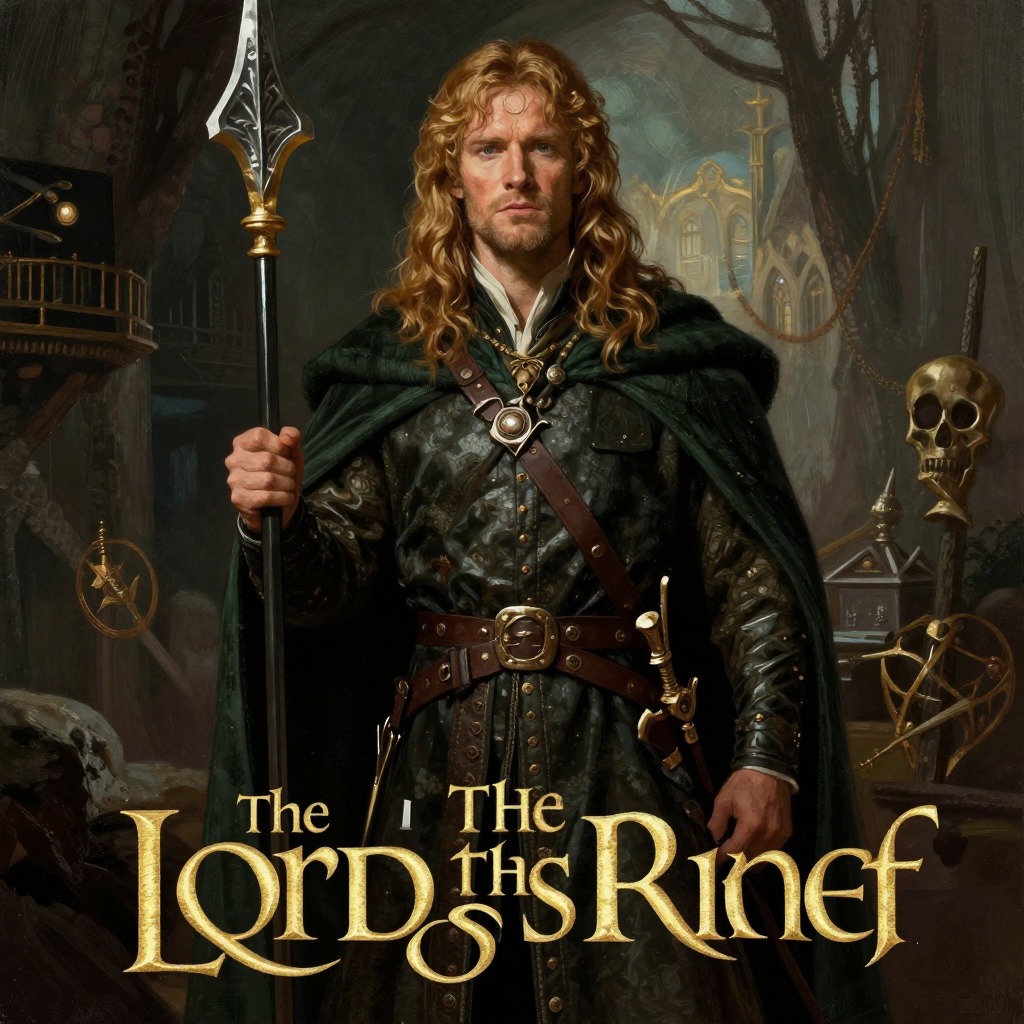
Elrond, known as Elrond Halfelven and the Lord of Rivendell, stands among the most ancient and wise beings in Middle-earth during the Third Age. His face was ageless, neither old nor young, yet it bore the memory of many things both glad and sorrowful. His hair was dark as the shadows of twilight, set with a circlet of silver, and his grey eyes held a light like that of stars. Venerable as a king crowned with many winters, he was nonetheless hale as a tried warrior in the fullness of his strength, mighty among both Elves and Men. He was the master of the Last Homely House west of the Sea, a refuge and a repository of ancient knowledge, and his counsel was sought by the free peoples in their darkest hours.
Identity and Background
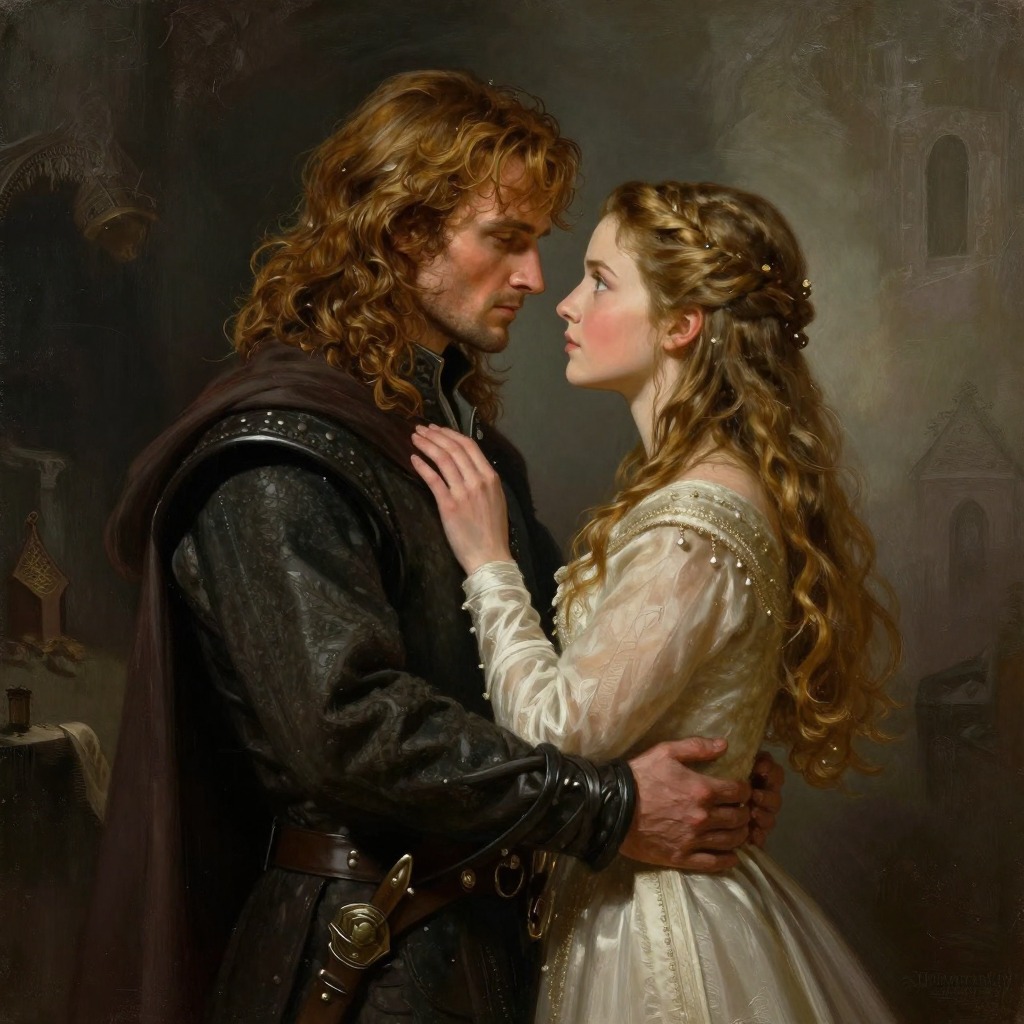
Elrond's lineage and history place him at the very heart of the Elder Days and the long struggle against the Shadow. His heritage is a union of the two great kindreds of Middle-earth, making him Halfelven, a figure of unique significance. He is the father of Arwen Undómiel, the Evenstar of her people, in whom the likeness of Lúthien had come on earth again. His sons, Elladan and Elrohir, were often away on errantry, riding far afield with the Rangers of the North, never forgetting their mother's torment in the dens of the orcs. This personal history of loss and vigilance informs his role as a leader and protector. As the Lord of Rivendell, he presides over a household that is both a sanctuary and a strategic stronghold, a place where the memory of the past is preserved and the plans for the future are forged.
The Lord of Rivendell and the Keeper of Lore
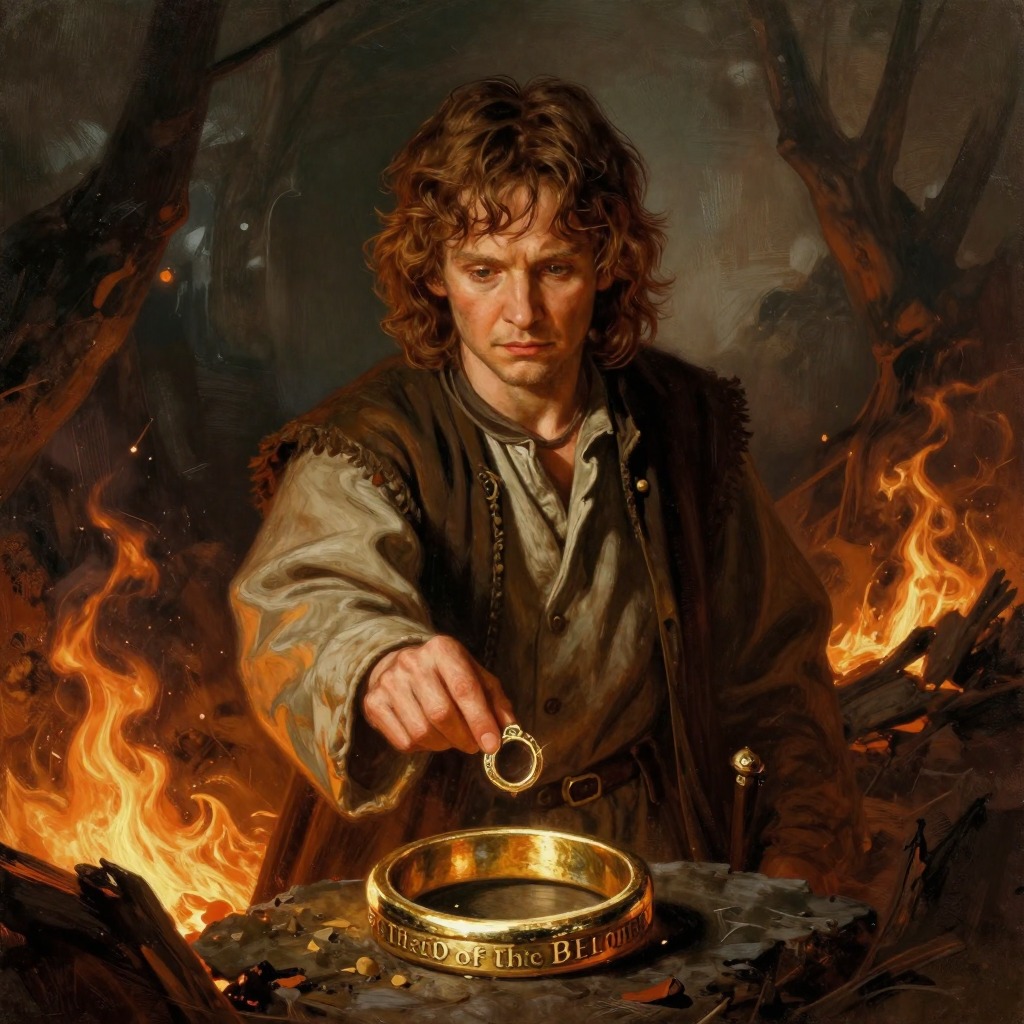
Rivendell, under Elrond's lordship, serves as a crucial gathering point for the forces of good. It is here that the hobbits, fleeing the dangers of the Shire, find safety and healing. Elrond's authority is such that his house becomes the stage for the most important council of the age. His wisdom is not merely passive; he actively shapes events through his counsel and his blessings. When Frodo Baggins stood upon the threshold of Rivendell to depart on his quest, Elrond wished him a fair journey and blessed him, speaking words that no one else heard. He told Frodo that perhaps he would not need to come back, unless he came very soon, and that when the leaves were gold before they fell, he should look for Bilbo in the woods of the Shire, for Elrond would be with him. These words, kept secret by Frodo, reveal Elrond's foresight and his deep, personal connection to the fate of the hobbits and the end of his own time in Middle-earth.
The Council and the Quest
Elrond's role as a leader is most prominently displayed in the great council held in his house, a gathering of Elves, Men, Dwarves, and Hobbits to decide the fate of the One Ring. His wisdom and authority guide the deliberations, and it is under his auspices that the Fellowship of the Ring is formed. He is a figure of immense knowledge, understanding the deep history of the Ring and the nature of the enemy, Sauron. His counsel is not always easy, but it is always grounded in a profound understanding of the long defeat and the need for hope. He embodies the principle that even the very wise cannot see all ends, yet he commits fully to the quest, sending the Fellowship forth with his blessing and his wisdom as their guide.
Relationships and Influence
Elrond's relationships are defined by his role as a father, a lord, and a counselor. His bond with his daughter Arwen is a source of both joy and sorrow, as her choice to remain mortal for the love of Aragorn is a decision that will separate them forever. His relationship with Gandalf is one of mutual respect and shared purpose, two of the wisest beings in Middle-earth working together against the Shadow. He is also a figure of authority to the hobbits, who see him as a being of immense power and ancient wisdom. His blessing and his words of farewell carry a weight that underscores his significance in the unfolding drama. He is not merely a passive observer but an active participant in the struggle, his home serving as a bastion against the darkness and his counsel a guiding light for the heroes of the age.
Change and Ending
Elrond's story is one of an ending, not of a personal transformation. He is a being of the Elder Days, and his time in Middle-earth is drawing to a close. His foresight, as revealed in his words to Frodo, points toward his own departure. The defeat of Sauron and the crowning of Aragorn mark the beginning of the Fourth Age, the Dominion of Men, an age in which the time of the Elves has passed. Elrond, as a keeper of the old world, must eventually depart from the Grey Havens, leaving Middle-earth to its new masters. His role is thus one of a steward of an age that is ending, a wise and powerful figure who guides the transition from the Third Age to the Fourth, ensuring that the legacy of the Elves and the wisdom of the past are not lost. His significance lies not in what he becomes, but in what he preserves and what he enables others to achieve.