Vory v zakone
LimonovVory v zakone, or thieves in law, are depicted as the criminal aristocracy that captivates the adolescent Eduard Limonov and helps shape his ambition. Their appeal lies not in simple lawlessness but in a ranked world with its own rules, rituals, and measure of distinction. The narrative sets that ideal against the petty delinquency of Saltivka and uses Eduard’s changing response to expose the difference between admiring criminal power and imagining oneself destined to command it.
Status and Code
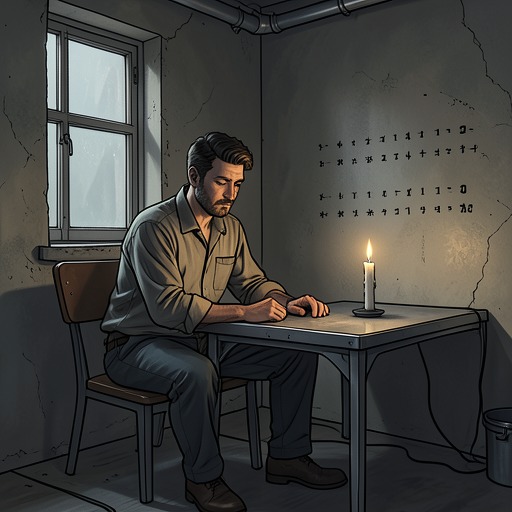
Eduard and his friends regard gangsters as heroes, while dismissing political prisoners as either pompous intellectuals or people who have landed in prison without understanding why. Their admiration is directed especially toward Vory v zakone. There are none in Saltivka, where the criminals are described as petty delinquents, but Gorkun has encountered members of the criminal aristocracy in prison camp and recounts their exploits.
The stories give criminal standing a code-bound structure. Gorkun admires a gangster who observes the laws of his clan and knows how to kill and die. In that perspective, audacity and cruelty can appear as equal proofs of distinction: a card game staked on a cellmate’s life, followed by bleeding him after the game, and an escape plan that conceals an intention to eat one’s companion if food runs out on the taiga. The code does not make these acts humane; it makes them legible within a criminal hierarchy that the boys mistake for moral grandeur.
Tattoos and Rank
Gorkun’s body becomes part of his authority as a storyteller. Eduard listens intently and studies his tattoos, which are not random decoration: their images and placement indicate the bearer’s position in the criminal hierarchy. The right to cover one’s body with them is acquired as one rises through its ranks. A pretender who claims that status prematurely risks being skinned, with gloves made from his hide.
The tattoos thus make rank visible while also marking the danger of falsely claiming it. Eduard is initiated into their meanings through Gorkun’s accounts, learning to read criminal identity as a system of signs and earned permissions. Yet knowledge of the hierarchy does not satisfy him for long; it becomes a standard against which he measures both Gorkun and his own prospects.
Eduard’s Reversal
At first, Eduard admires Gorkun and dreams of becoming like him. In his final days in jail, however, that admiration gives way to a strange sense of plenitude: he concludes that Gorkun is not so impressive after all, and that he himself will go further. Gorkun’s camp experience and tattoos may command provincial adolescents for a time, but, as Eduard comes to see it, Gorkun speaks of the great gangsters from the limited position of a small gangster. He can describe their world without imagining himself among its rulers.
That distinction matters more to Eduard than Gorkun’s accumulated experience. Gorkun’s acceptance of his place has an element of humility and candor, but Eduard rejects it. He thinks criminal life may be the highest calling, yet insists that one must aim to become a kingpin rather than remain a low-ranking subordinate. The concept therefore enters the narrative not merely as an object of adolescent fascination but as the vocabulary through which Eduard converts admiration into ambition.
Consequences for the Boys
When Eduard shares this new perspective, Kostya is galvanized. The boys turn their disdain outward, finding something contemptible in every part of Saltivka’s social order: resigned laborers, young punks expected to become laborers, engineers and officers who seem to them like laborers of a higher class, and shopkeepers. Their conclusion is that they must become gangsters.
The episode’s irony lies in the distance between the criminal aristocracy they worship and the provincial environment that supplies their immediate models. Gorkun is not presented as one of the Vory v zakone, and the boys’ ambition begins with stories about a world they have not entered. But the hierarchy’s promise is already decisive: it offers Eduard a way to reject an ordinary place in society and to recast low status as a challenge to be overcome.