Bowen Marsh
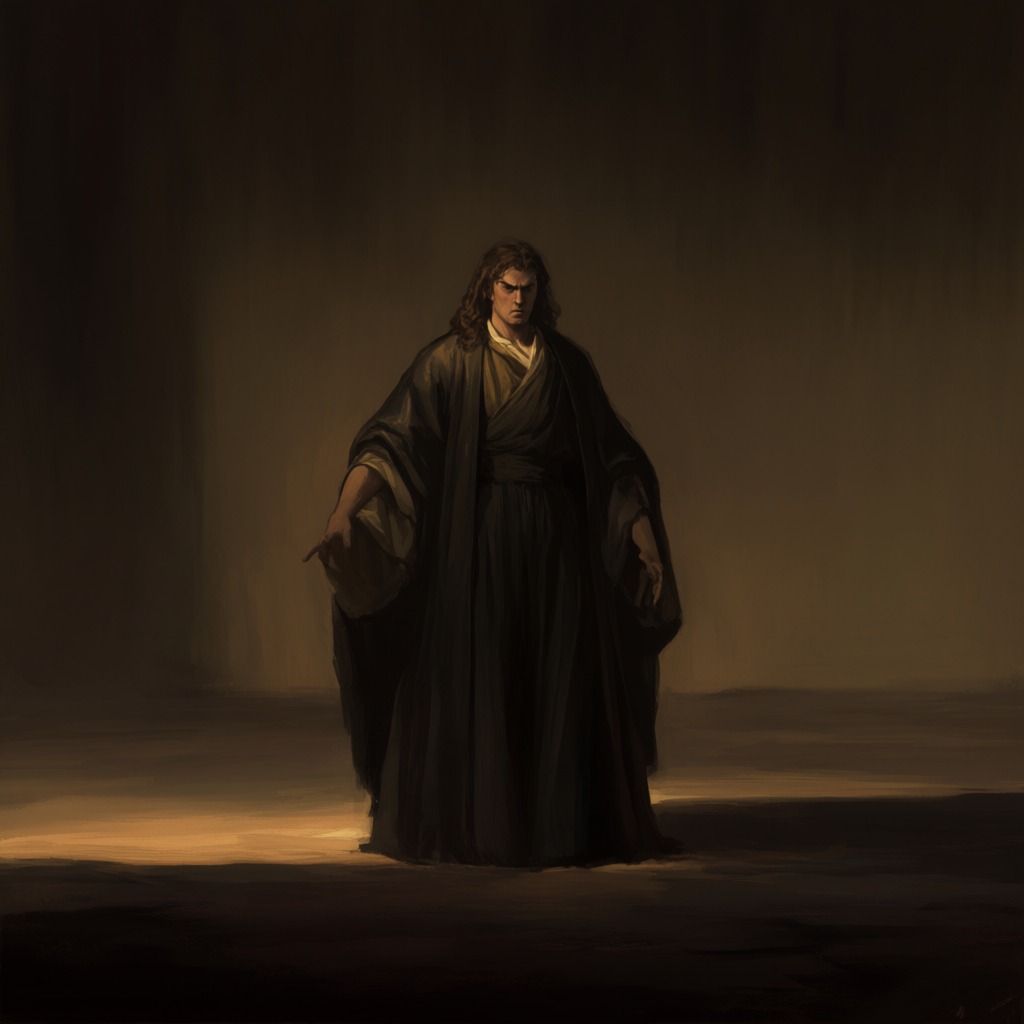
Bowen Marsh, the Lord Steward of the Night's Watch, is the embodiment of institutional caution and fiscal prudence, a man who counts every barrel of salt beef and every sack of barley as if the survival of the Watch depends on it—which, in his view, it does. He is Jon Snow's most persistent and principled adversary within Castle Black, not out of personal malice but out of a deep, unyielding conviction that the ancient vows and traditions of the Watch must be preserved against the radical changes Jon forces upon them. His loyalty is to the ledger, the storehouse, and the letter of the oath, and it is this very loyalty that drives him to become the architect of the Lord Commander's assassination.
Identity and Role
Bowen Marsh is the Lord Steward of the Night's Watch, the officer responsible for the Wall's food stores, clothing, equipment, and all matters of supply and logistics. He is a man of numbers and inventories, more comfortable with a tally sheet than a sword. His physical appearance reflects his nature: he is described as having a round, red face that once earned him the nickname "Pomegranate" from the brothers, though after suffering a head wound at the Bridge of Skulls, part of one ear is gone and he no longer looks much like the fruit. He is a competent and dedicated administrator who has served the Watch for decades, and he takes his duties with the utmost seriousness. When Jon Snow becomes Lord Commander, Marsh is the first to brief him on the dire state of the Watch's winter stores, leading him through the subterranean vaults beneath the Wall to show him the meat lockers and granaries, warning that the influx of Stannis's men and the wildlings will exhaust their provisions long before spring.
Opposition to Jon Snow's Policies
From the moment Jon Snow begins to implement his policies—allowing wildlings through the Wall, garrisoning the abandoned castles, and seeking an accommodation with Stannis Baratheon—Bowen Marsh becomes the voice of conservative opposition. He argues that the wildlings are the ancient enemies of the Watch and cannot be trusted, that Stannis is a doomed rebel whose cause will bring the Iron Throne's wrath down upon them, and that every decision Jon makes is a step toward breaking the sacred oaths of the Night's Watch. He is particularly horrified by Jon's plan to open the gates to Tormund Giantsbane and his thousands of free folk. "For eight thousand years the men of the Night's Watch have stood upon the Wall and fought these wildlings," Marsh declares. "Now you mean to let them pass, to shelter them in our castles, to feed them and clothe them and teach them how to fight." When Jon asks him directly, "What are these wildlings, if not men?", Marsh has no answer, but his silence is not agreement—it is the quiet before the storm.
The Breaking Point and the Mutiny
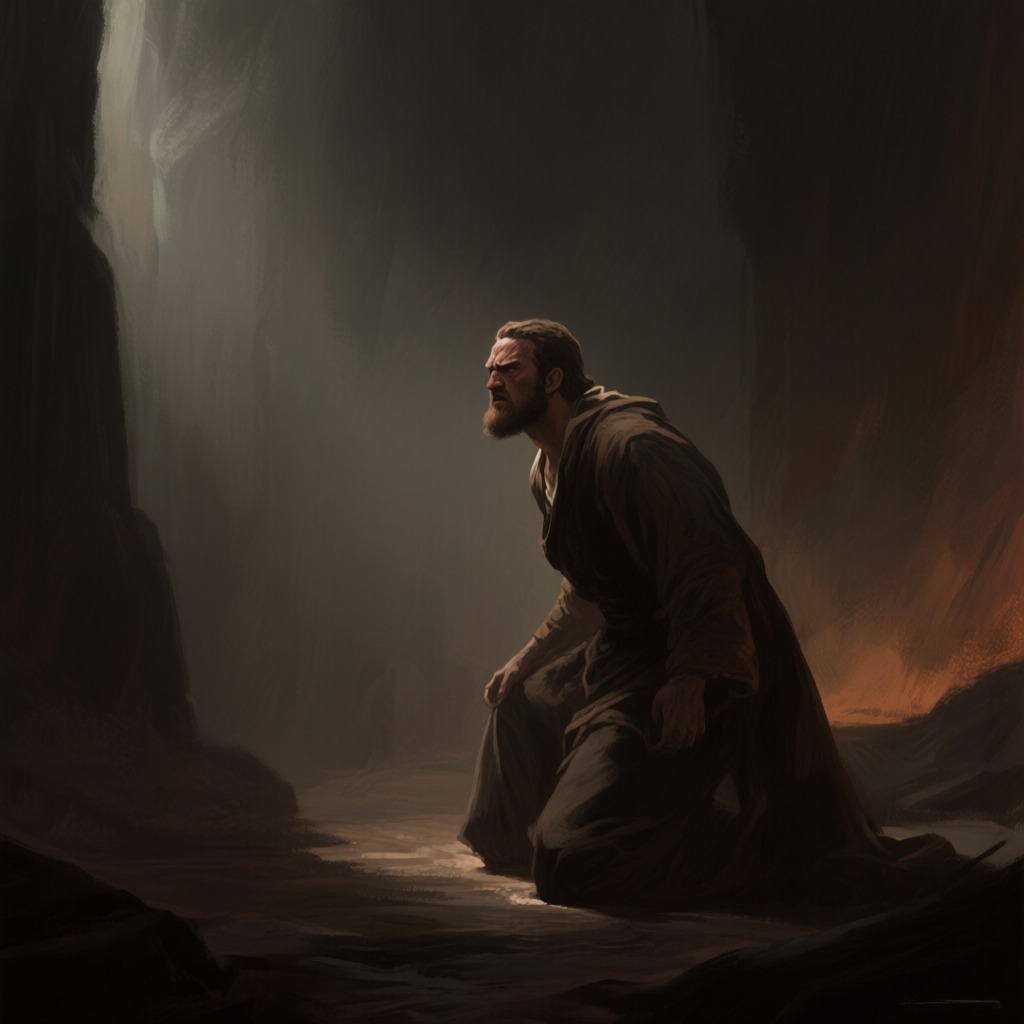
Marsh's opposition hardens into active conspiracy after Jon reads Ramsay Bolton's letter, which threatens the Watch and demands the return of "Arya Stark" and other hostages. Jon announces that he will march south to confront the Bastard of Bolton, effectively abandoning his post and involving the Watch in the wars of the Seven Kingdoms. For Marsh, this is the final, unforgivable violation of the oath. He slips out of the Shieldhall with Othell Yarwyck and their men as Jon rallies the wildlings to his cause. Later, when the giant Wun Weg Wun Dar Wun kills Ser Patrek of King's Mountain in a frenzy, Jon rushes to the scene to restore order. In the chaos, Bowen Marsh approaches the Lord Commander. Tears are running down his cheeks. "For the Watch," he says, and punches Jon in the belly, burying a dagger in his gut. The mutiny is joined by other brothers, and Jon Snow falls face-first into the snow, stabbed multiple times. Bowen Marsh's tears are genuine—he believes with all his heart that he is saving the Night's Watch from itself, that killing the Lord Commander is a tragic but necessary act of loyalty to the institution he has served his entire life.
Thematic Significance
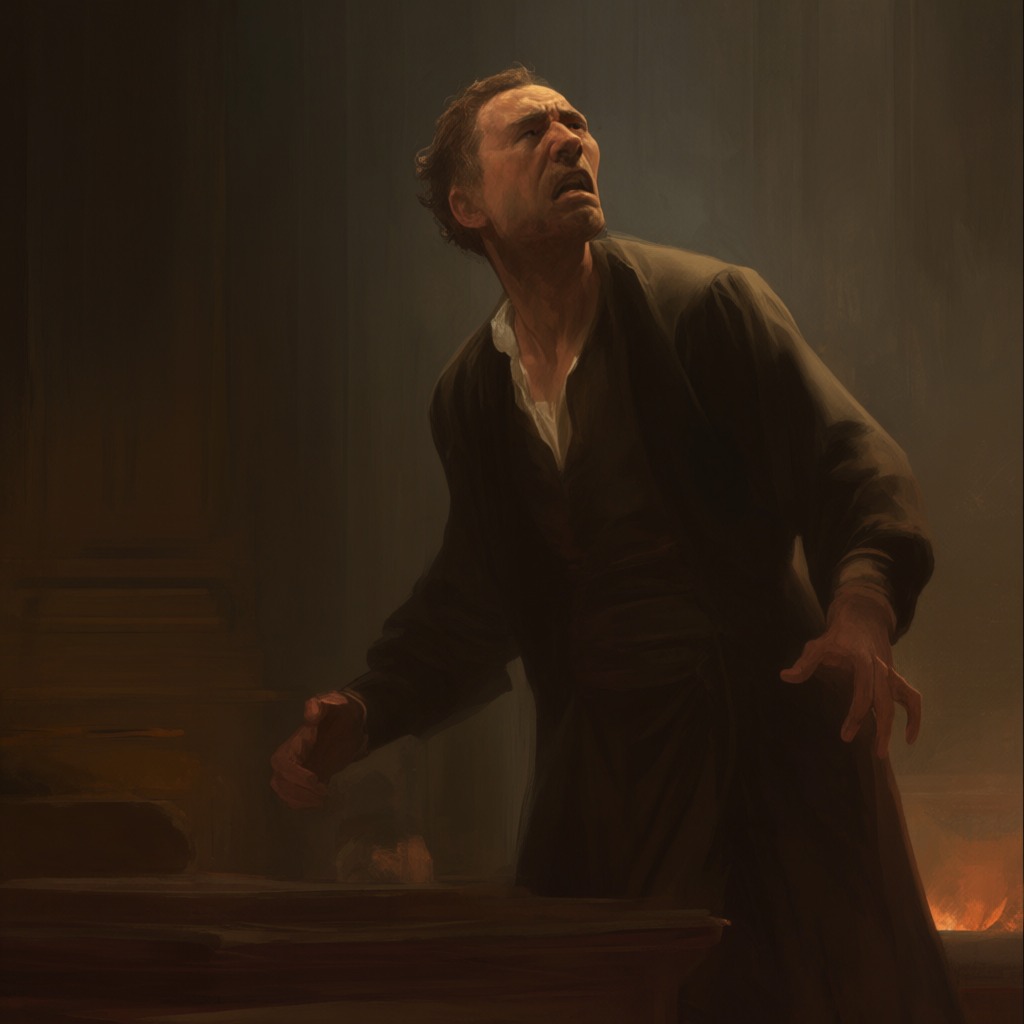
Bowen Marsh represents the tragic paradox of institutional loyalty: a man who loves the Night's Watch so deeply that he will murder its leader to preserve it. He is not a villain in the conventional sense; he is a bureaucrat who has been pushed beyond the limits of his worldview. His every objection to Jon's policies is grounded in the Watch's historical mission and its practical limitations—the food will run out, the wildlings cannot be trusted, the oath forbids interference in the realm's wars. He is correct on every factual point, yet his inability to adapt to the existential threat of the Others makes his correctness a form of blindness. His tears as he stabs Jon are the tears of a man who believes he is performing a terrible duty, and they make his act far more disturbing than any simple treachery. He is the shield that guards the realms of men, turned into a weapon against the man who tried to save them.