Ilmarinen's wife
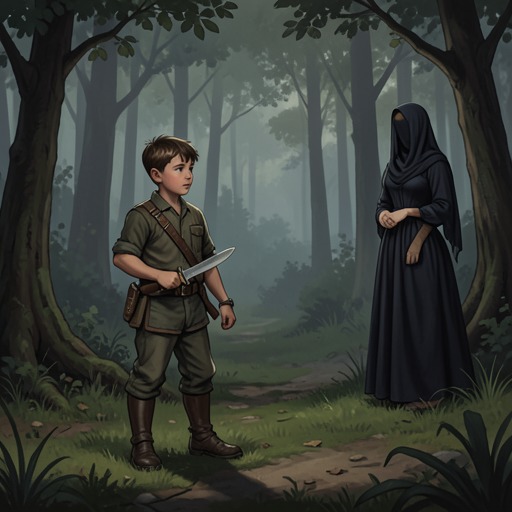
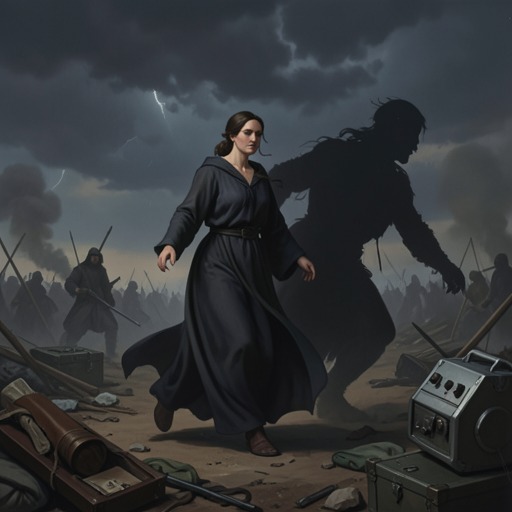
KalevalaIlmarinen's wife is identified as the woman who was once the Maiden of the Rainbow. In her brief but consequential appearance, she presides over a household where Kullervo serves as herdsman, sets aside inferior food for him, and waits for his return with the herd. Her death, as Kullervo takes revenge with Bears and Wolves, turns that household relationship into a fatal conflict and makes her one of the victims of his retaliation.
Identity and status
The poem gives her no personal name in these passages. Instead, it identifies her through marriage to Ilmarinen and recalls her former identity as the Maiden of the Rainbow. The two designations place her at different points in a life whose earlier distinction is not explained here: she appears now as a wife and hostess, while the repeated reminder of who she once was keeps her former status present in the account of her death.
That naming also locates her within the household's social order. She is the hostess, the person who allocates food to the herdsman and waits for the household herd to come in. The narrative thus introduces her not through a description of her appearance or private thoughts, but through her relationship to Ilmarinen, her authority in the home, and her dealings with Kullervo.
Kullervo in her household
The food set aside for Kullervo makes the unequal terms of his place in the household concrete. While the other provisions include barley cakes and rich food, his portion is cabbage and wasted fragments. The contrast is not abstract: it is enacted in the separate serving reserved for the herdsman. The passage establishes the material difference between the household's provisions and what reaches the person doing its herding, without making her reasons explicit.
That division matters to the later conflict. Kullervo's service places him within her household but does not give him equal standing at its table. The narrative records the slight through the food itself, a modest domestic detail that acquires weight when their relationship ends in violence. It does not require the meal to explain everything about Kullervo's conduct; it shows one specific circumstance of his treatment before his revenge.
Waiting and death
Ilmarinen's wife is also shown waiting for the herd with Kullervo. The account emphasizes the length of that wait and her position as hostess, connecting the household's daily routine to the moment when the routine breaks. Her role in the scene is practical and domestic: the herd is expected back, and she has been waiting for its arrival.
Her death comes suddenly. The narration says that the hostess falls and perishes in the hurdles on the ground before her cottage. The location places the violence at the edge of the household she presides over, rather than in some remote setting. The account identifies the victim again as Ilmarinen's wife and recalls that she was once the Maiden of the Rainbow, carrying her former identity into the stark report of her death.
Narrative role
Her story links the ordinary hierarchy of the household to Kullervo's revenge. The food allotted to him and the work he performs establish their unequal relation; his retaliation, carried out with Bears and Wolves, makes that relation part of a deadly reckoning. The passages support this connection without giving her a fuller account of her intentions or presenting a reconciliation between them.
The repeated descriptions of her as hostess, wife, and former Maiden of the Rainbow give the death more than one frame. She is a figure of domestic authority in the present action, yet the account also recalls an earlier identity associated with her before marriage. That contrast does not undo the circumstances of her death or supply an explanation for them. Instead, it makes the abrupt loss legible as the destruction of both a household's mistress and the woman whose former identity the poem continues to remember.