StoryFlow
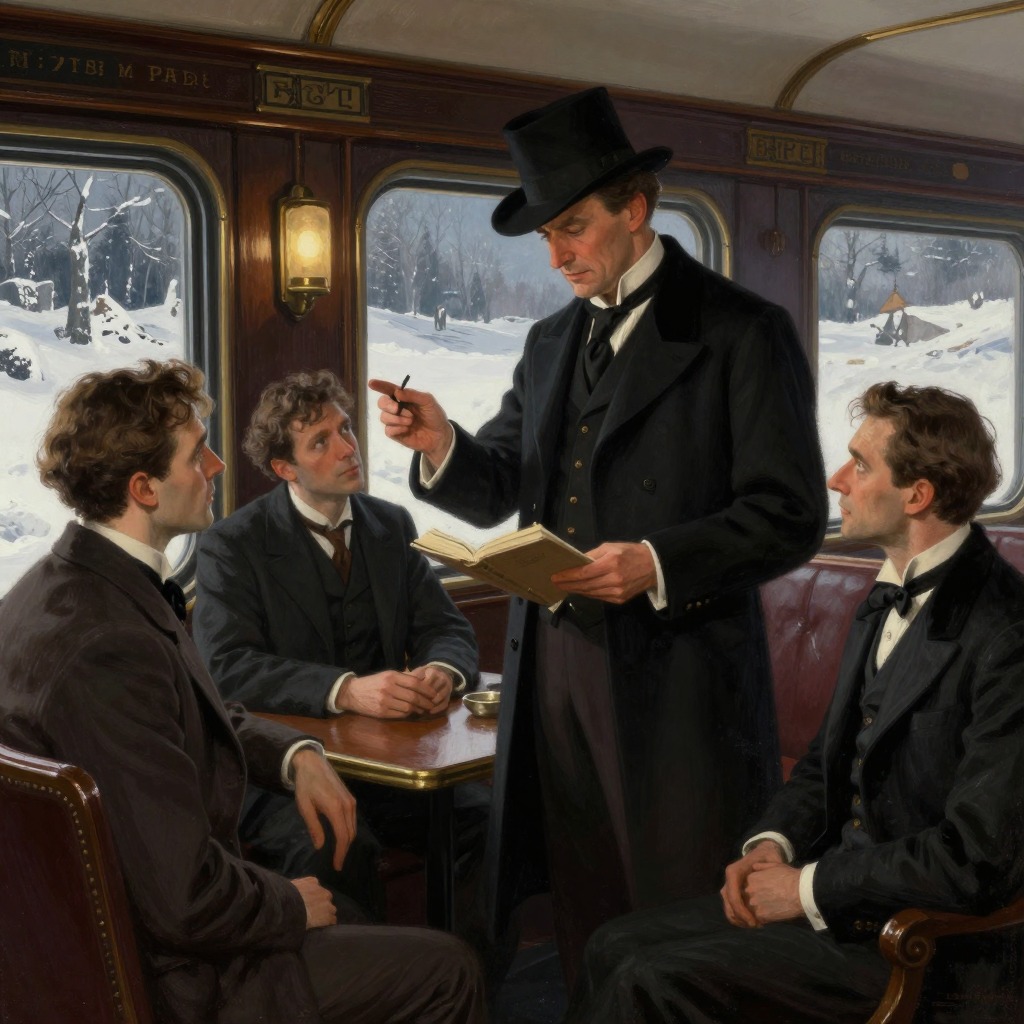
Poirot's Investigation of the Murder
Hercule Poirot is recruited by M. Bouc to solve the murder of Samuel Ratchett aboard the snowbound Orient Express, systematically interviewing passengers and collecting evidence.
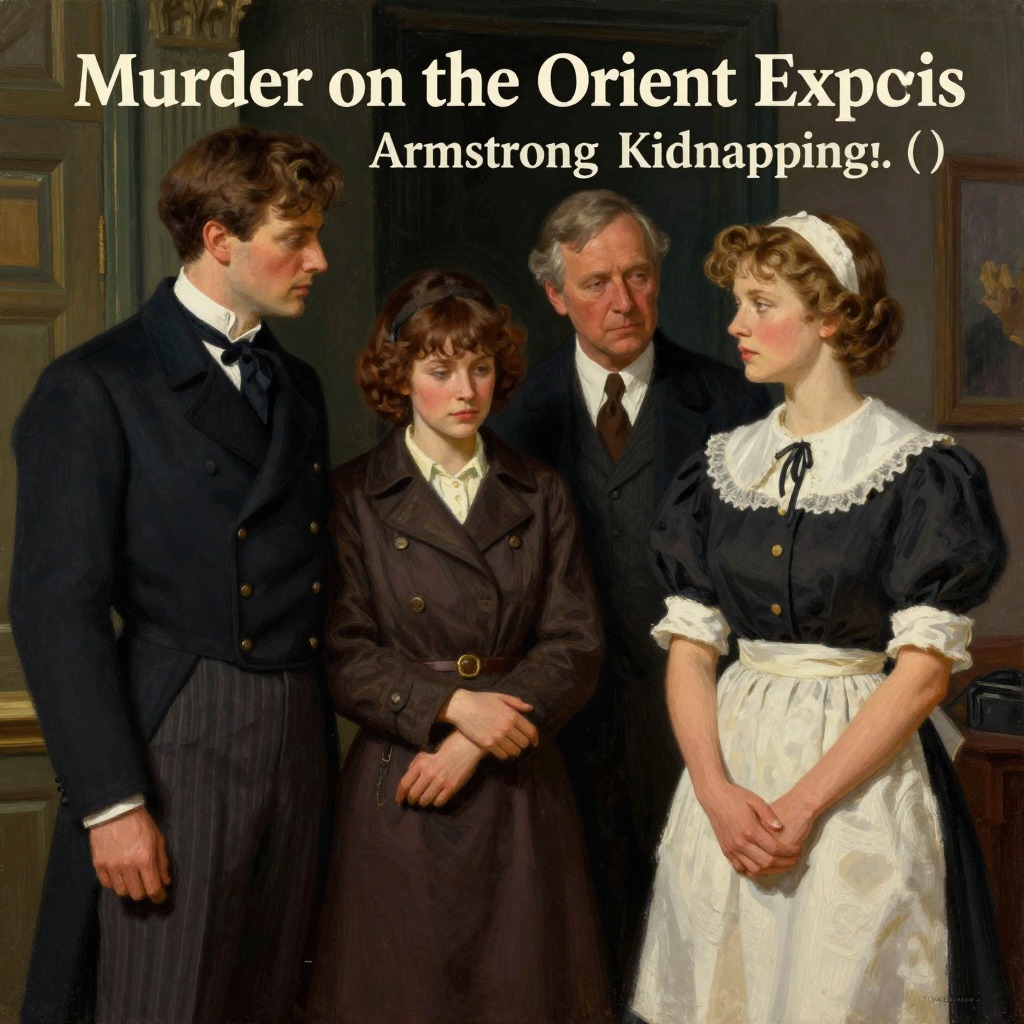
The Armstrong Kidnapping Case Backstory
The tragic story of the Armstrong family is revealed: the kidnapping and murder of Daisy Armstrong, the subsequent deaths of her parents, and the suicide of the maid Susanne.
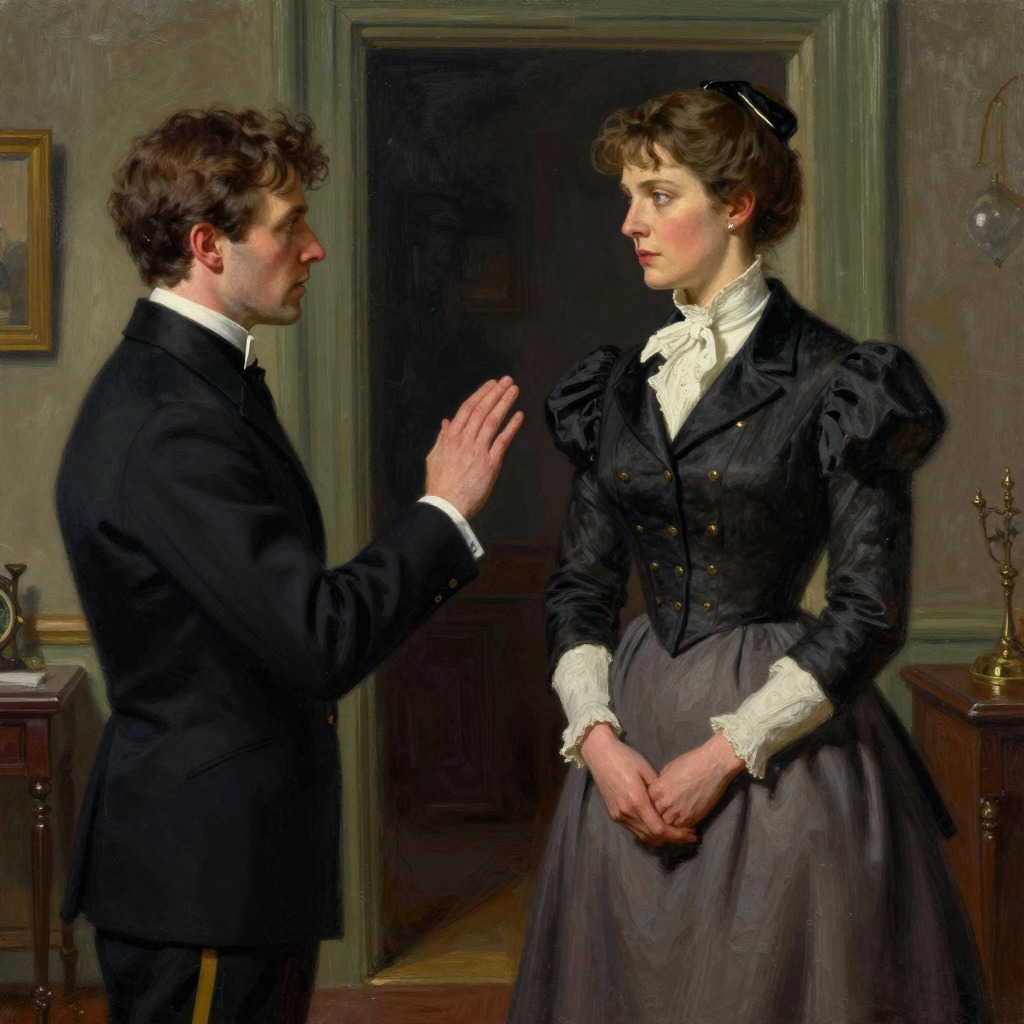
Mary Debenham's Secret and Romance
Mary Debenham, the governess in the Armstrong household, conceals her past and her relationship with Colonel Arbuthnot while being investigated for the murder.
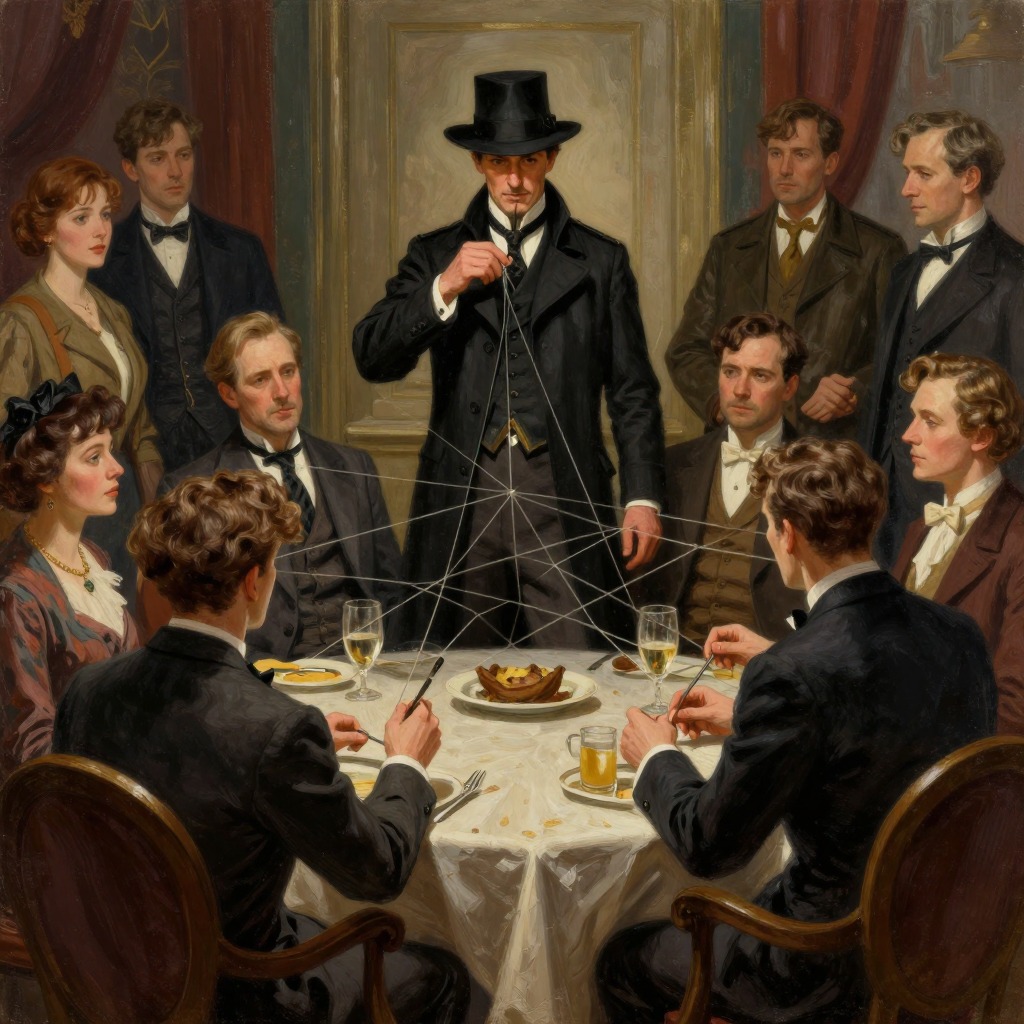
Poirot vs. the Passengers' Lies
Hercule Poirot systematically dismantles the web of lies constructed by the passengers, exposing their hidden connections to the Armstrong case.
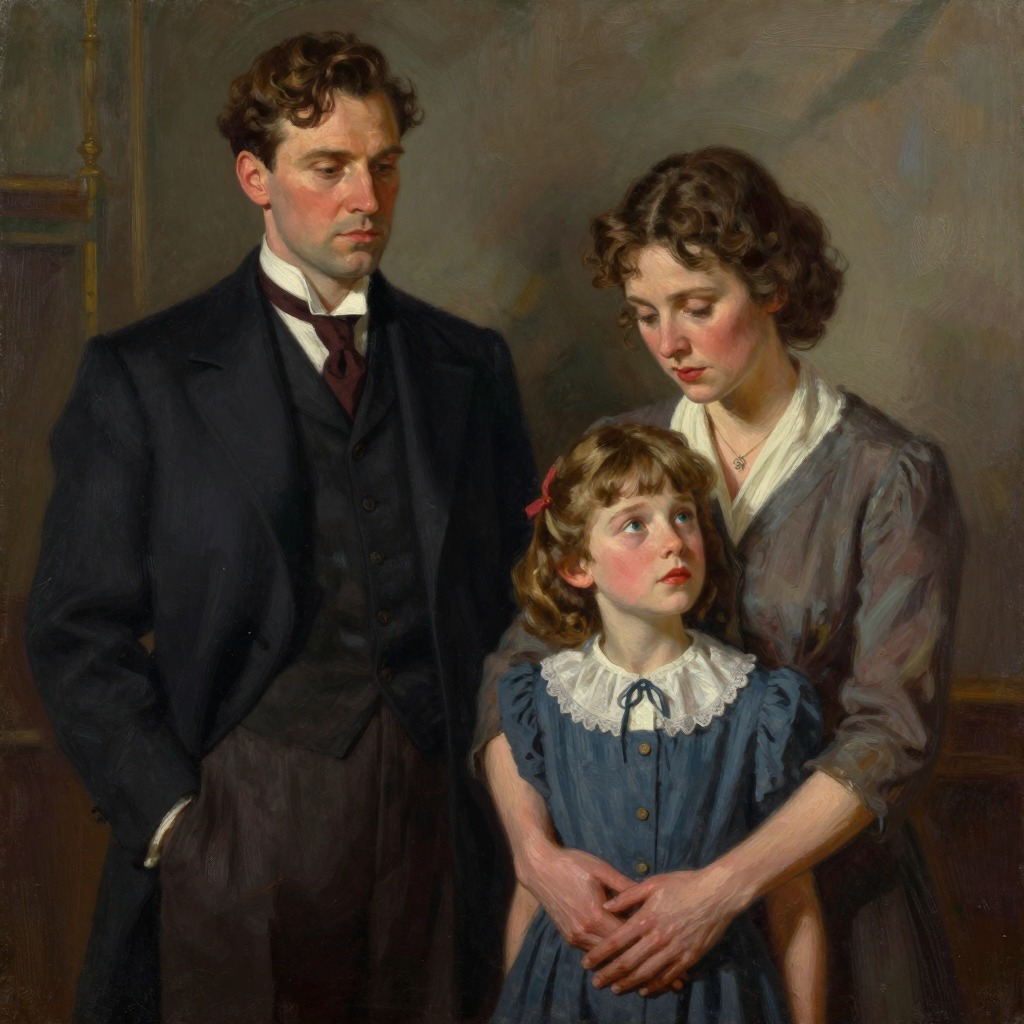
Linda Arden's Maternal Grief and Vengeance
Linda Arden, the famous actress and mother of Sonia Armstrong, disguises herself as Mrs. Hubbard to lead the plot to kill Ratchett and avenge her family.
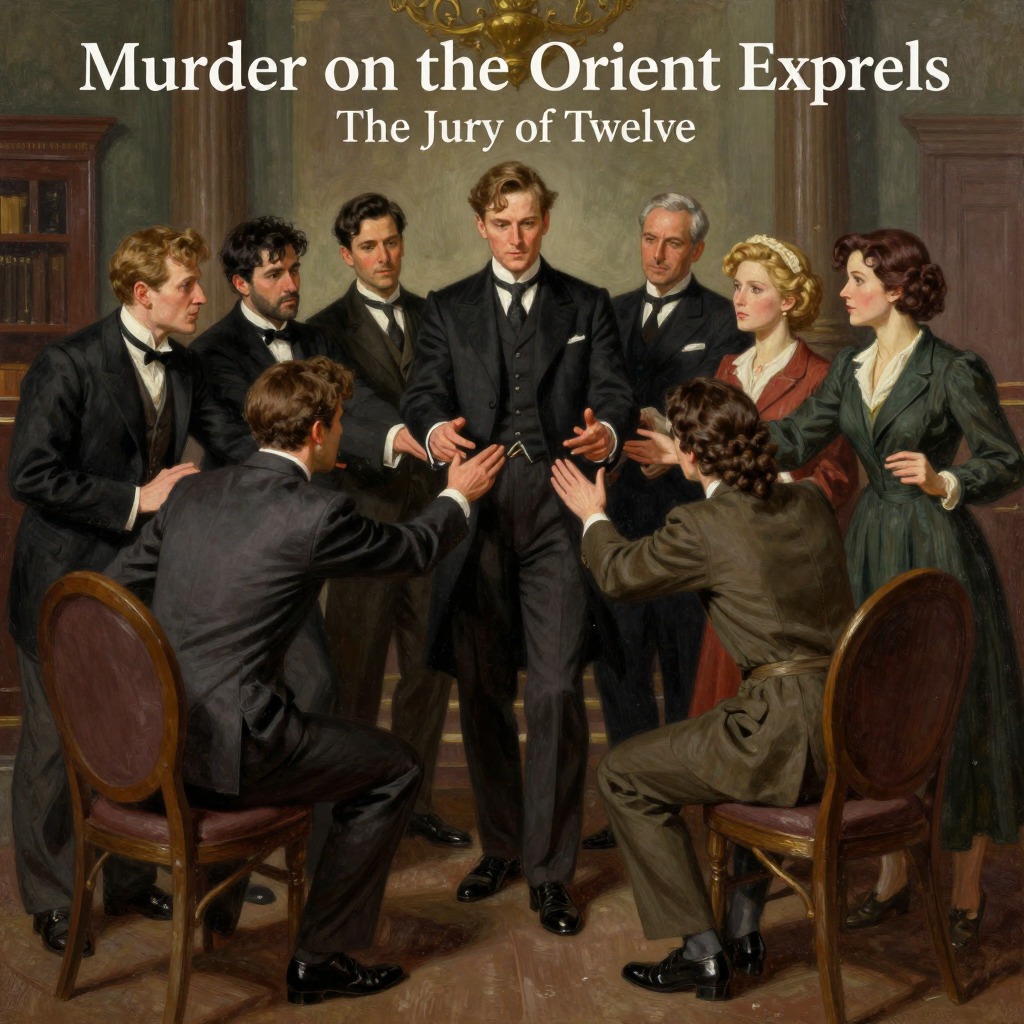
The Jury of Twelve: Collective Justice
The theme of collective justice versus individual morality is explored through the conspiracy of twelve passengers who each stab Ratchett once, acting as a jury and executioners.
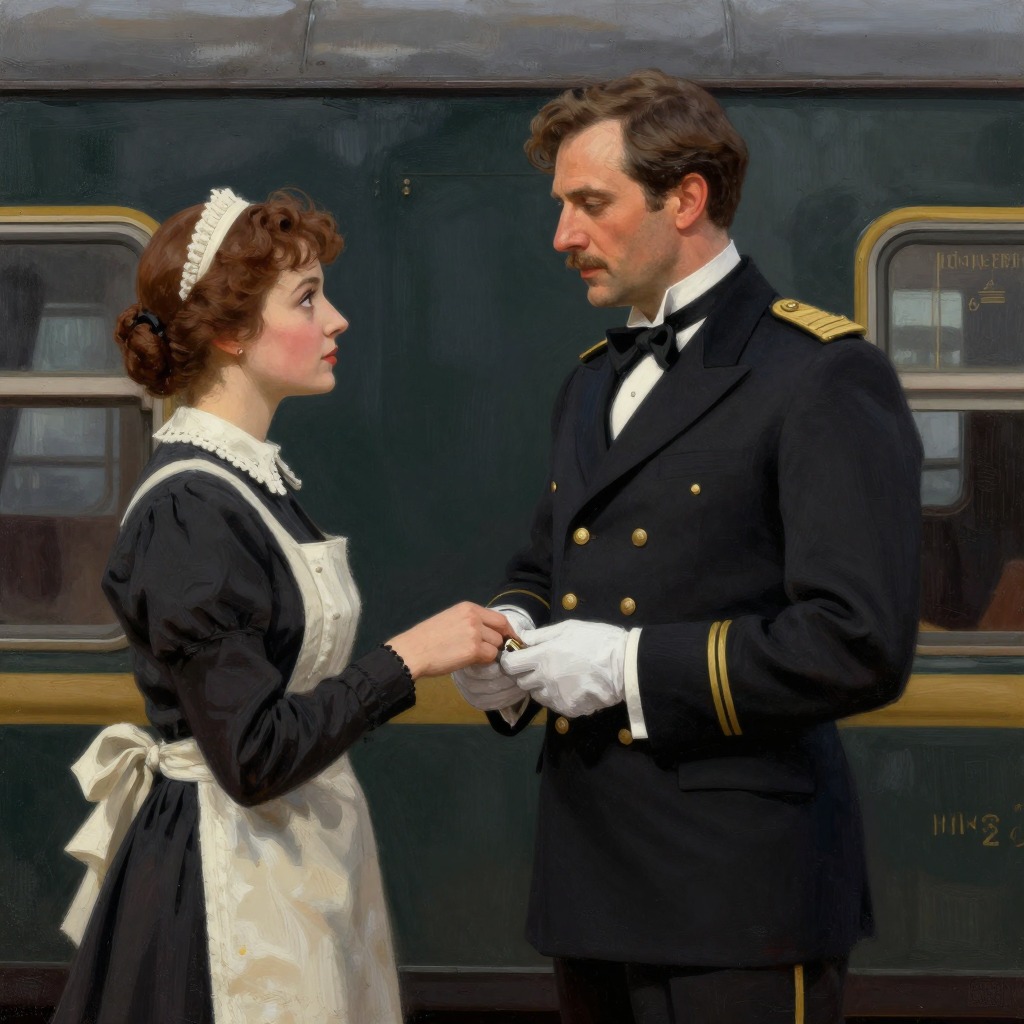
The Role of the Wagon Lit Conductor Pierre Michel
Pierre Michel, the conductor of the Orient Express, is the father of the maid Susanne who died in the Armstrong case, and he facilitates the murder by allowing the conspirators to use his uniform and pass-key.
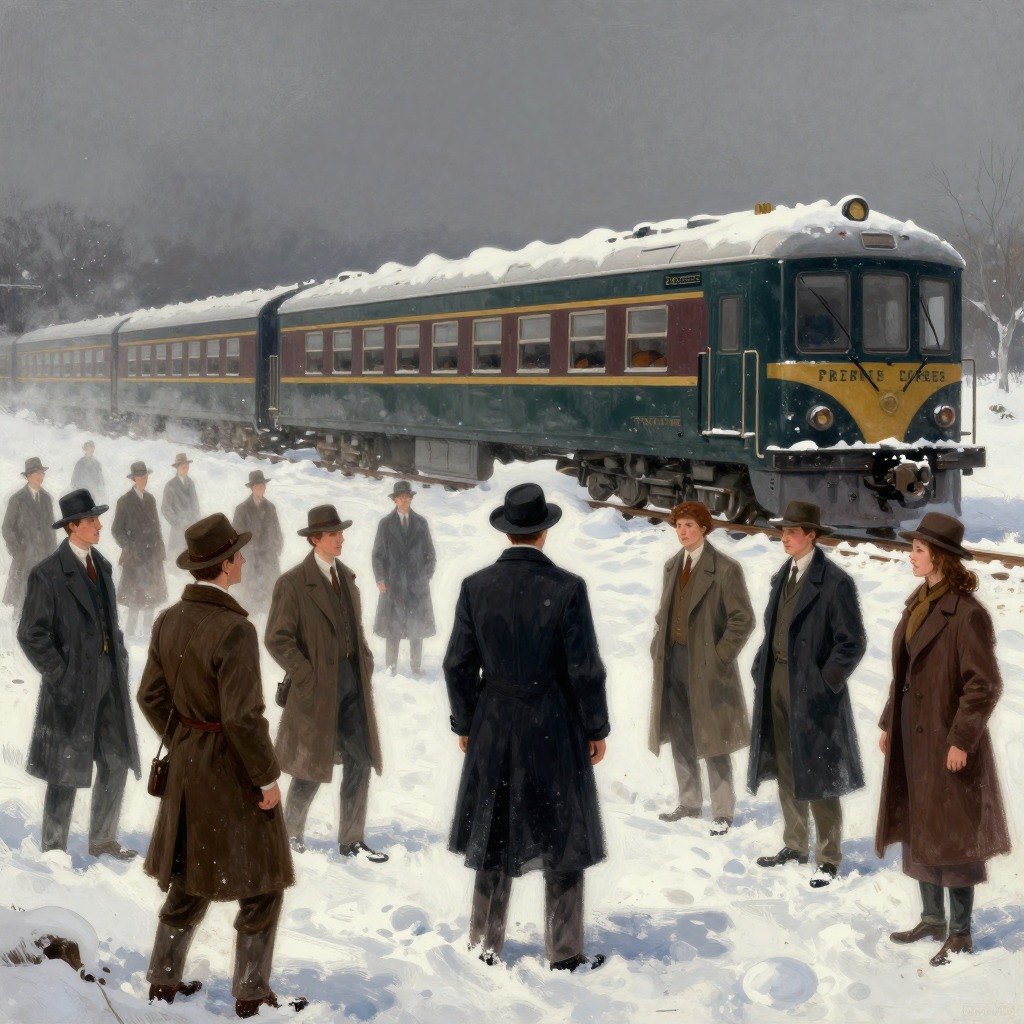
The Snowdrift as an Obstacle
The unexpected snowdrift that stops the Orient Express becomes the central obstacle that forces the conspirators to alter their perfect plan and traps them with the detective.
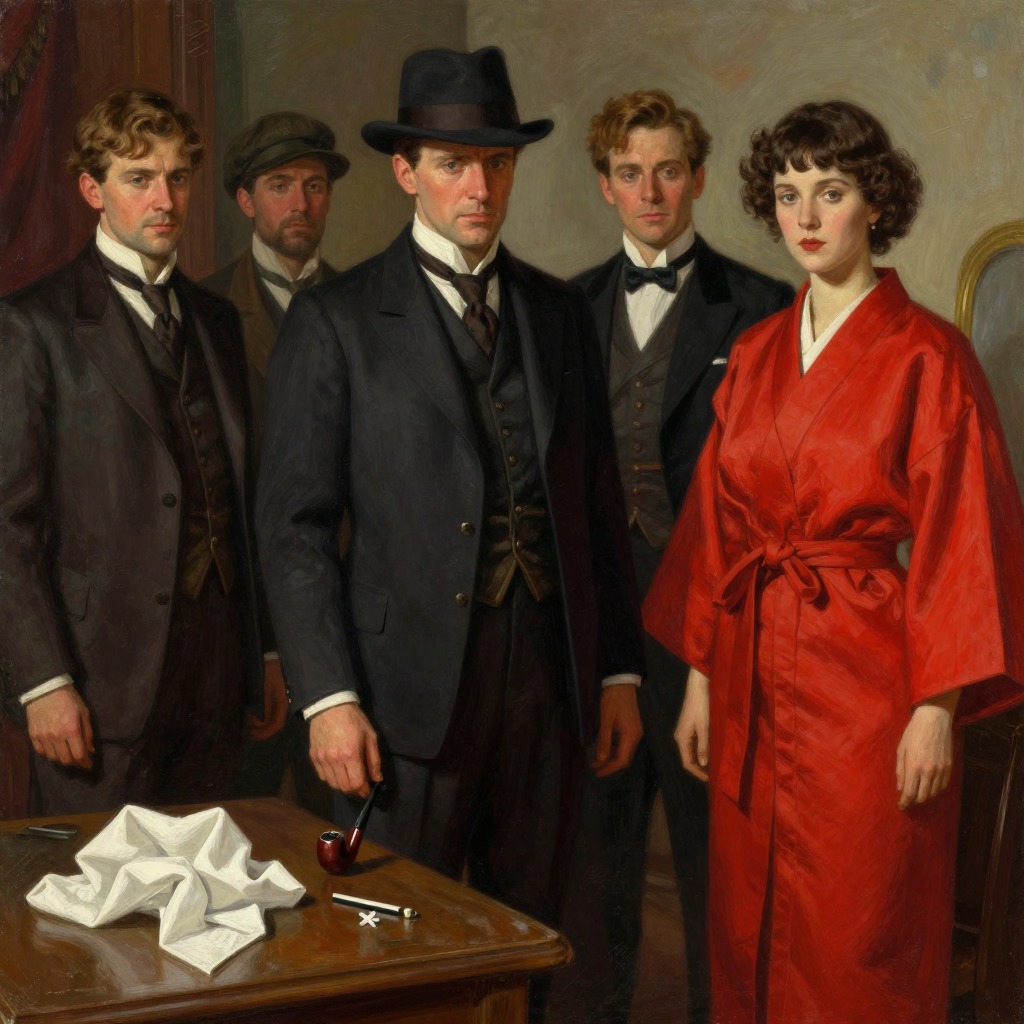
The Red Herrings: Handkerchief, Pipe-cleaner, and Kimono
The conspirators plant false clues—a handkerchief, a pipe-cleaner, and a scarlet kimono—to mislead the investigation, but Poirot eventually sees through them.
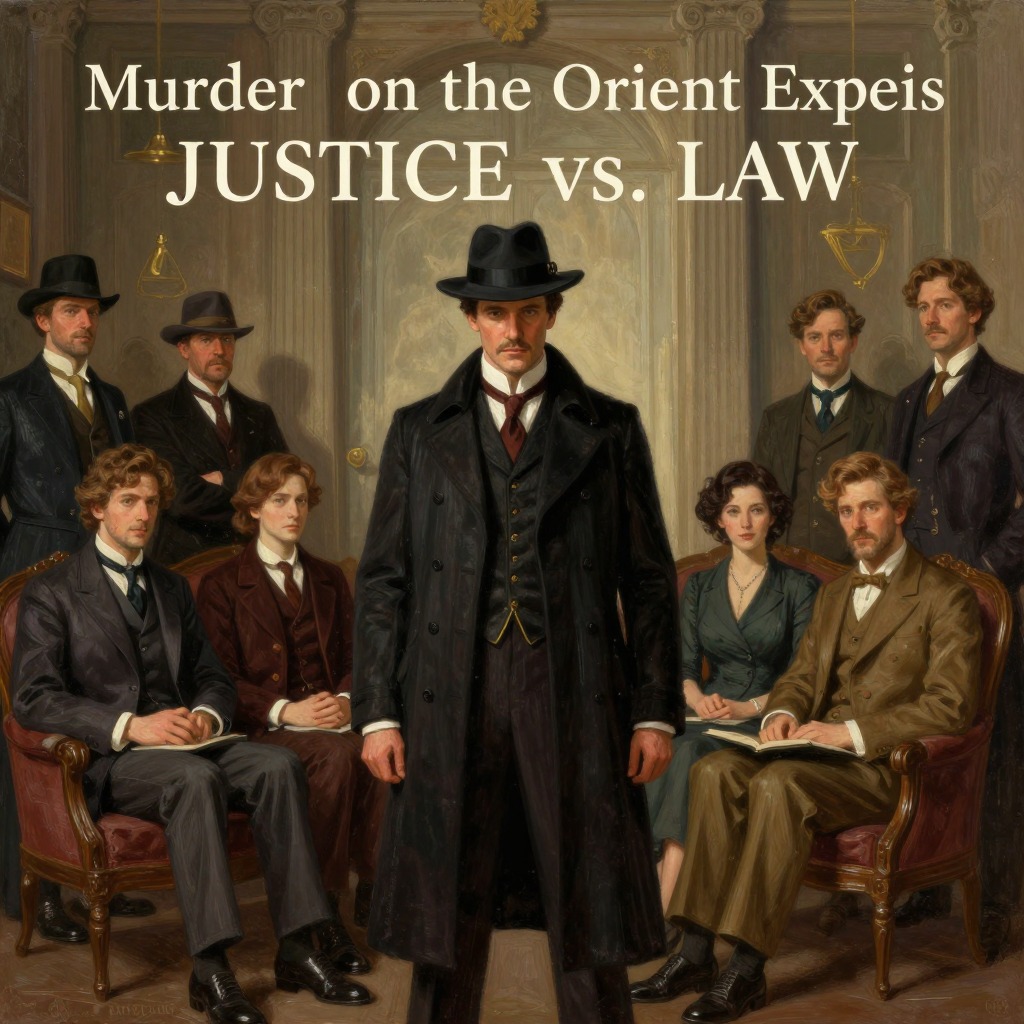
The Moral Conflict: Justice vs. Law
The novel explores the tension between legal justice and moral justice, as Poirot must decide whether to expose the conspirators or allow them to go free.
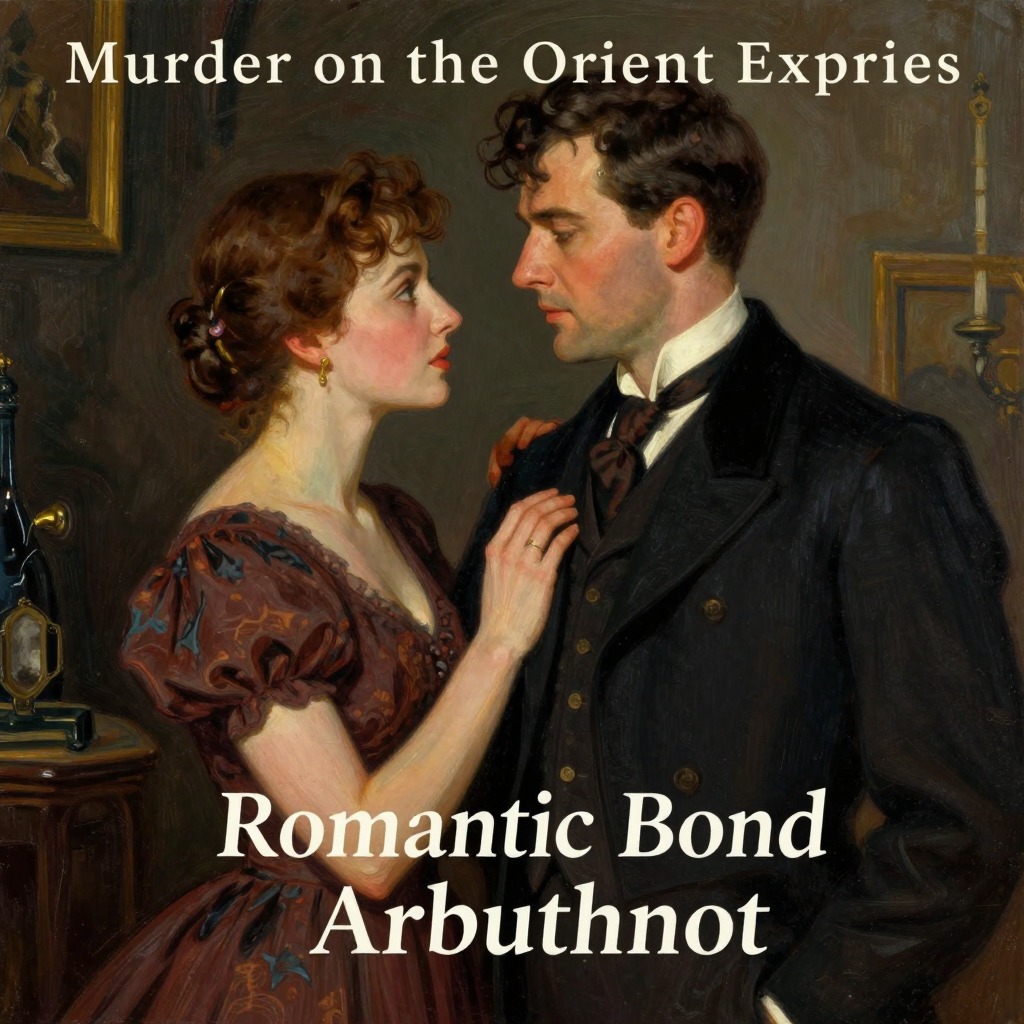
The Romantic Bond of Mary and Arbuthnot
The developing romance between Mary Debenham and Colonel Arbuthnot, who are both part of the conspiracy, is a central emotional thread in the story.

The Role of Chance and Fate
The novel explores the role of chance occurrences, such as the snowdrift and Poirot's presence, that shape the outcome of the conspiracy.
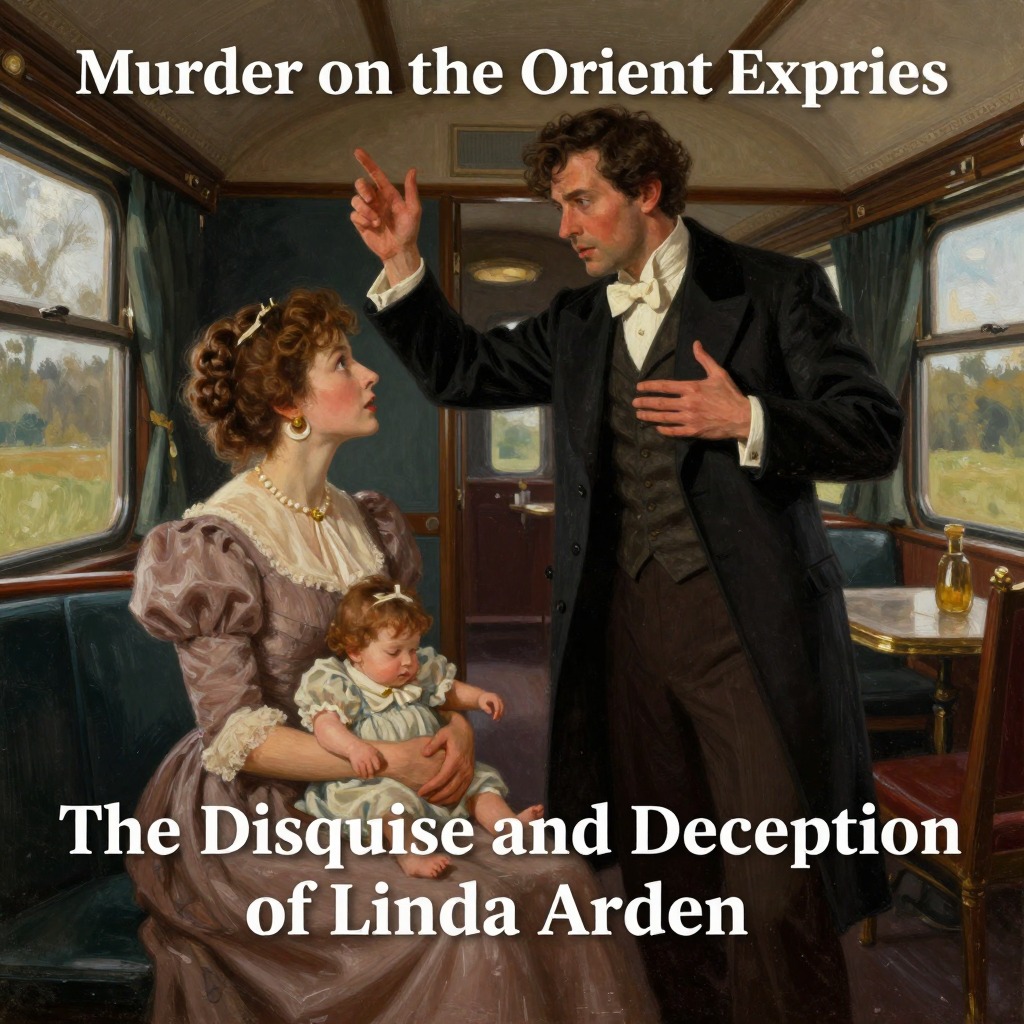
The Disguise and Deception of Linda Arden
Linda Arden's transformation into Mrs. Hubbard and her theatrical performance on the train is a key element of the plot, showcasing her acting skills and maternal devotion.
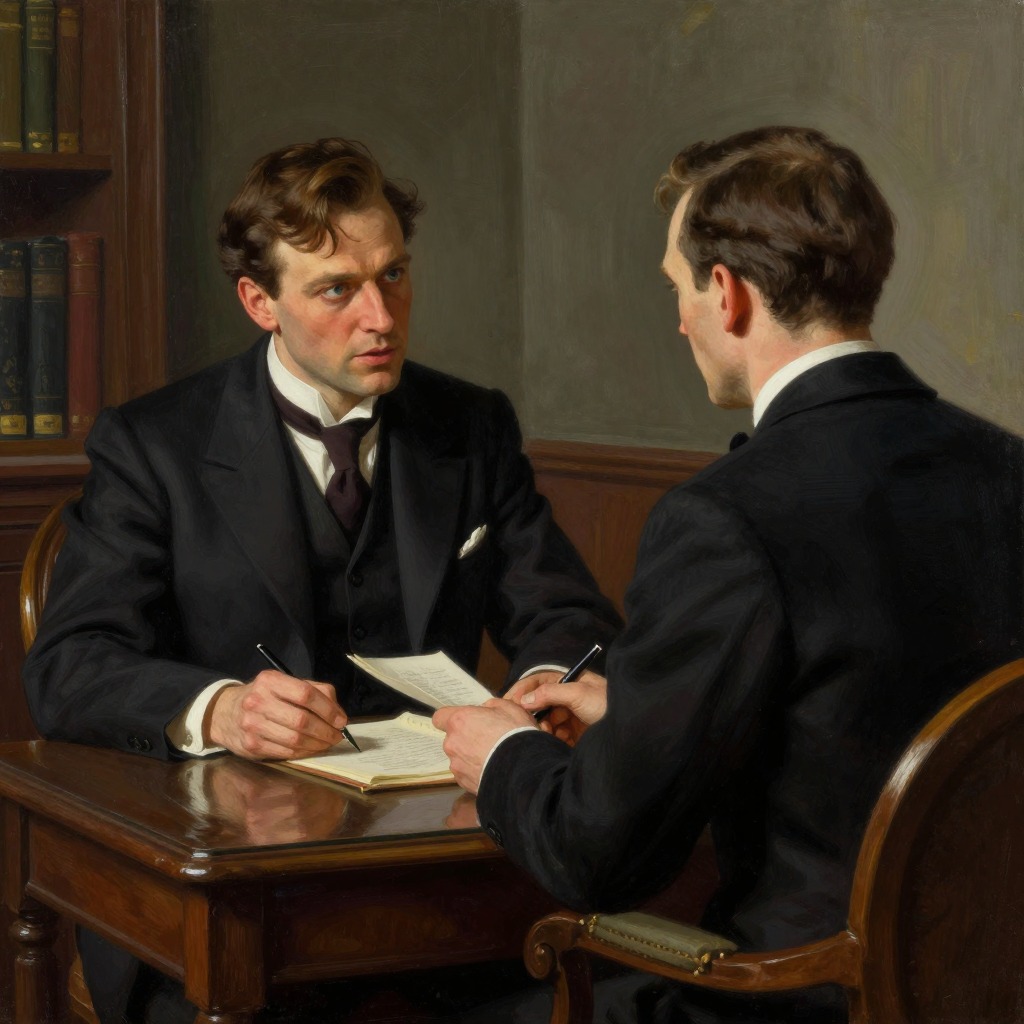
The Interrogation of Hector MacQueen
Hector MacQueen, Ratchett's secretary, is the first to be interviewed; his hidden connection to the Armstrong case and his role in the conspiracy slowly emerge.
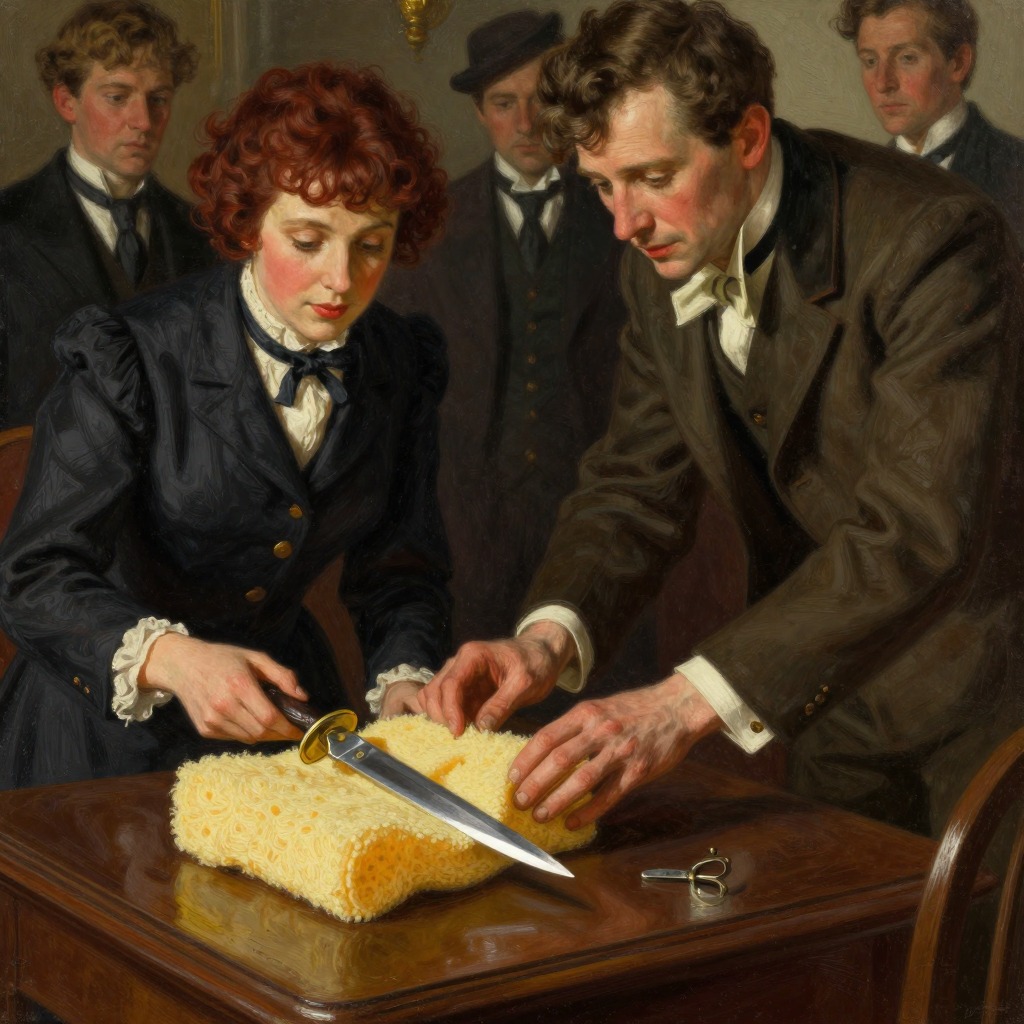
The Evidence of the Weapon
The discovery of the dagger in Mrs. Hubbard's sponge-bag provides a crucial piece of evidence, but its placement is part of the conspirators' plan to mislead.
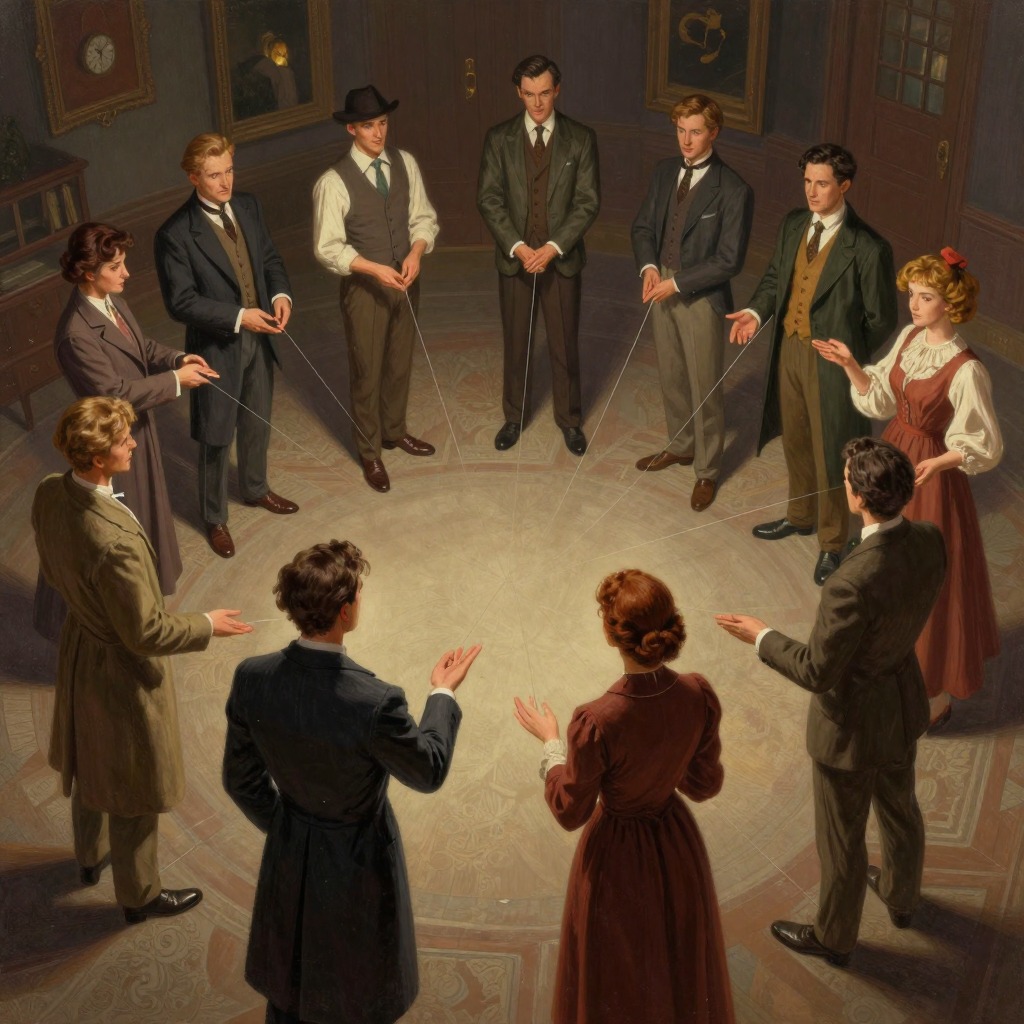
The Creation of the Alibi Web
The conspirators design a complex system of alibis, each passenger vouching for another, to create a closed circle of suspects that seems impossible to break.
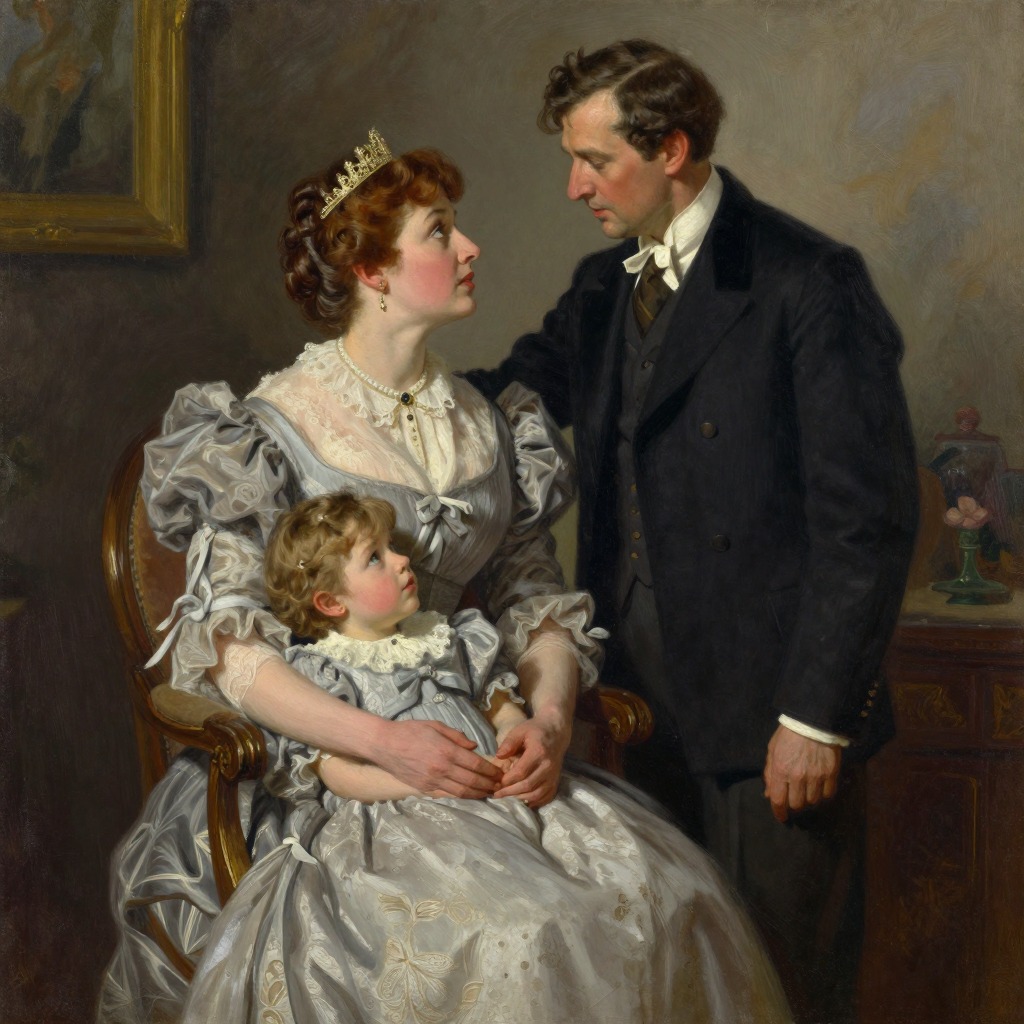
The Grief of Princess Dragomiroff
Princess Dragomiroff, godmother to Sonia Armstrong, uses her position and influence to protect the conspirators, revealing her deep loyalty to the Armstrong family.
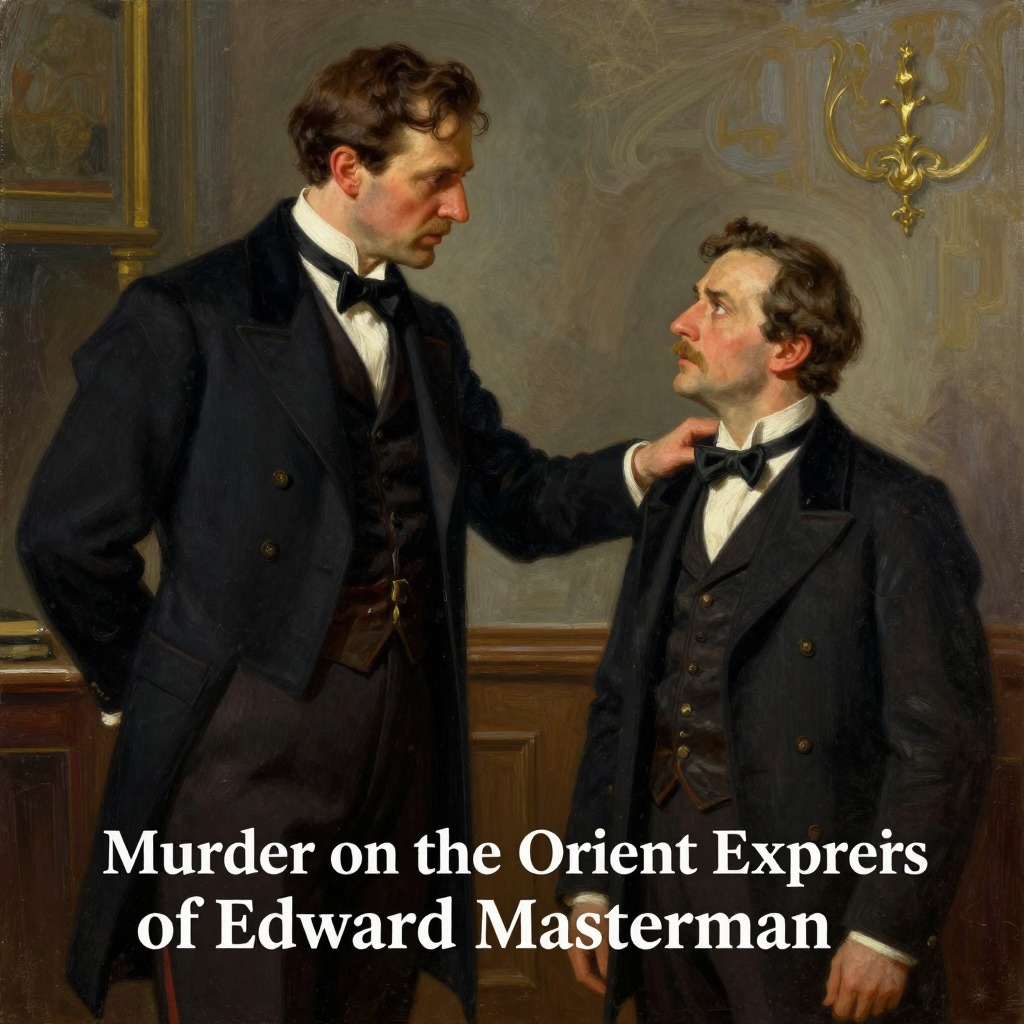
The Confession of Edward Masterman
Edward Masterman, the valet, was Colonel Armstrong's batman and valet, and his quiet loyalty to the family leads him to participate in the murder.
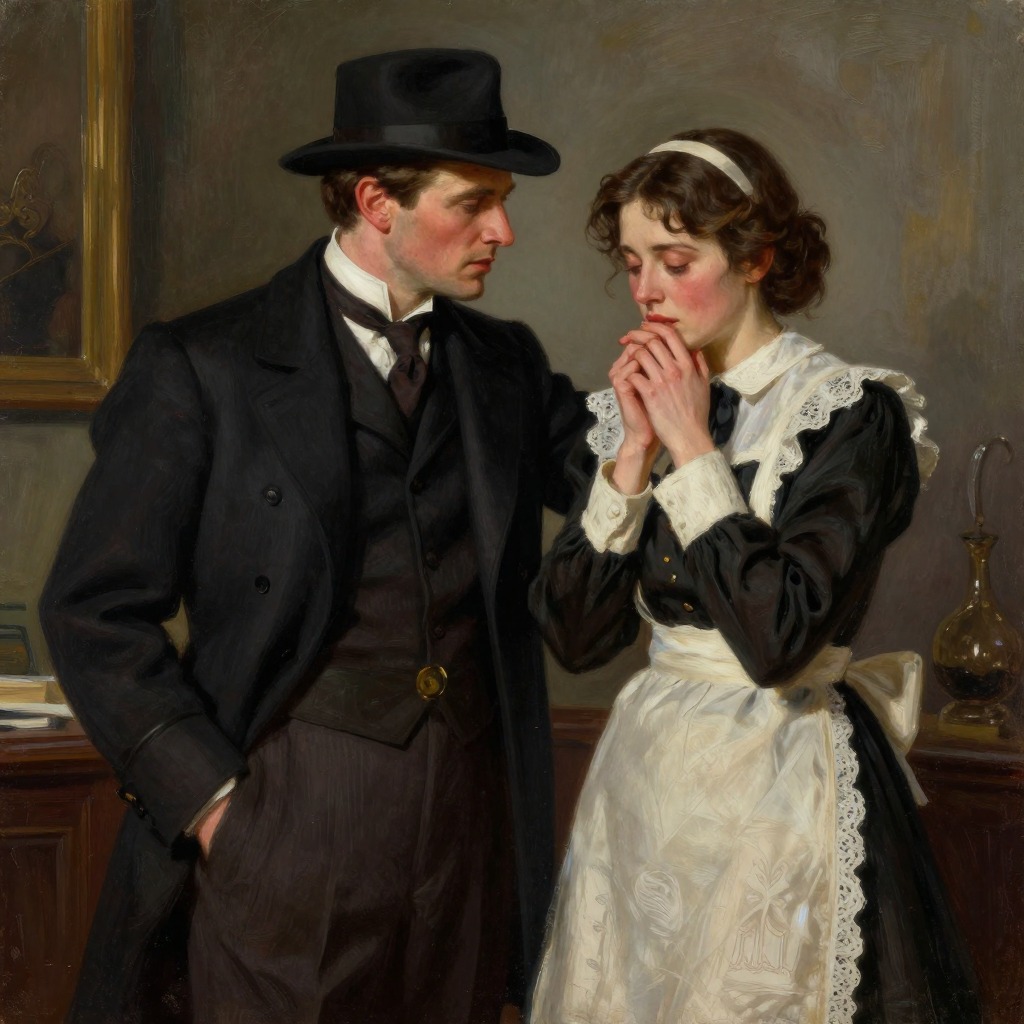
The Love of Cyrus Hardman for Susanne
Cyrus Hardman, the American detective, was in love with Susanne, the maid who died in the Armstrong case, and joins the conspiracy out of grief and a desire for justice.
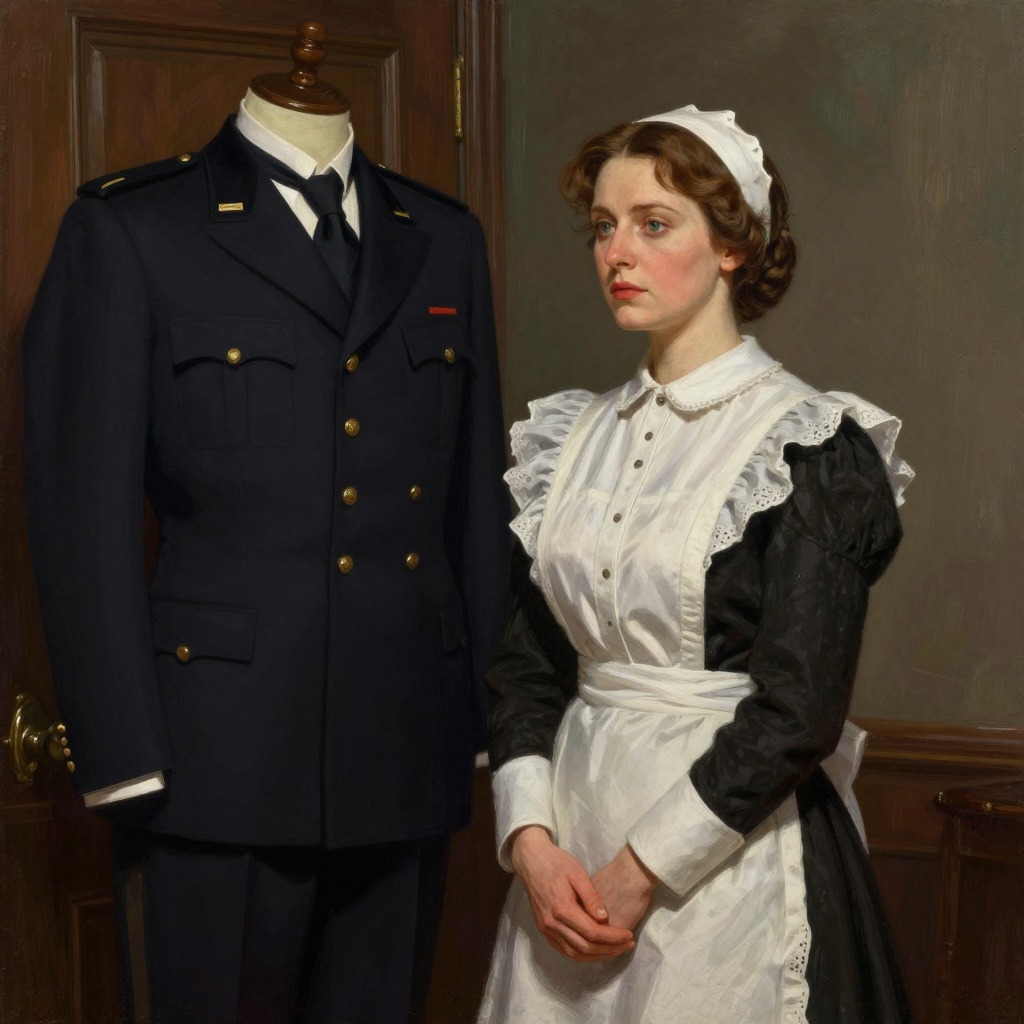
The Role of the Maid Hildegarde Schmidt
Hildegarde Schmidt, the German lady's-maid, is an unwitting participant in the conspiracy, used as a pawn to hide the uniform and provide an alibi.
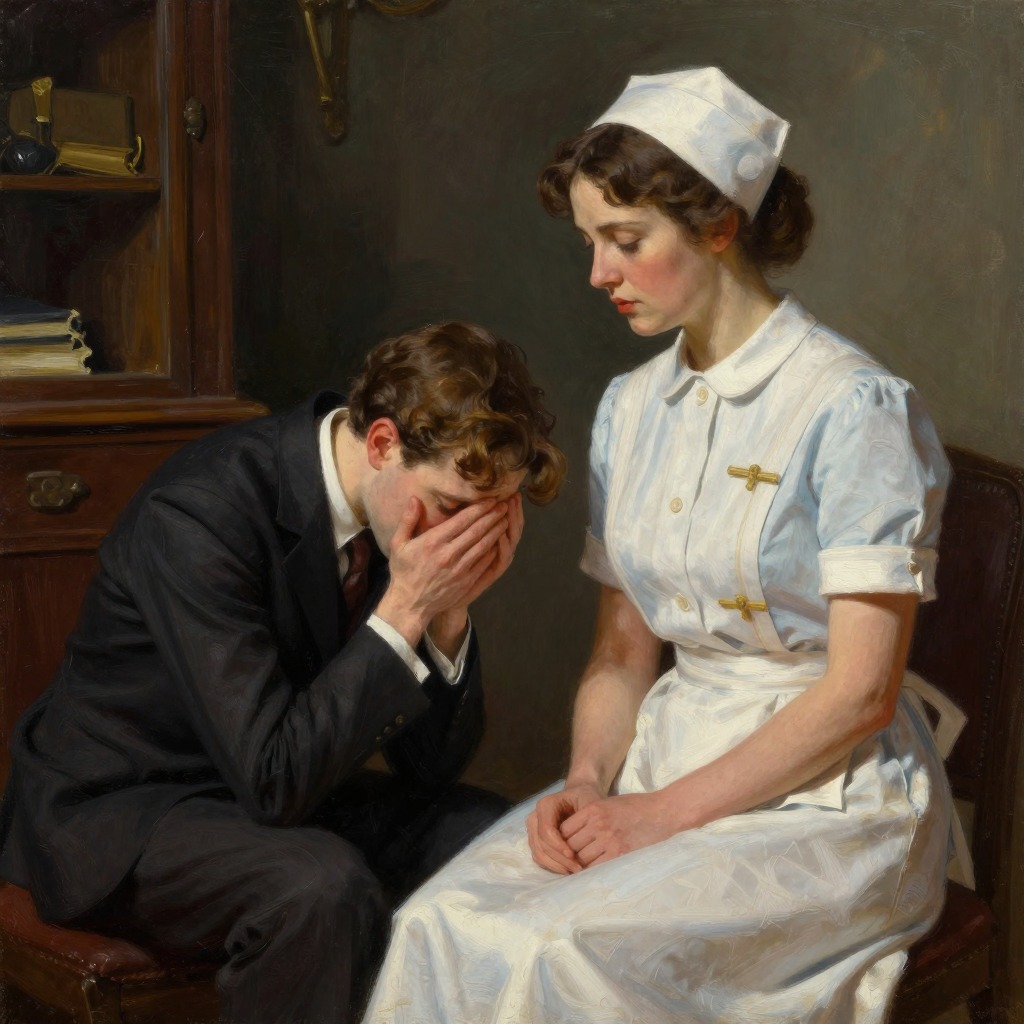
The Testimony of Greta Ohlsson
Greta Ohlsson, the Swedish nurse who cared for Daisy Armstrong, is a reluctant participant in the murder, overcome by guilt and grief.
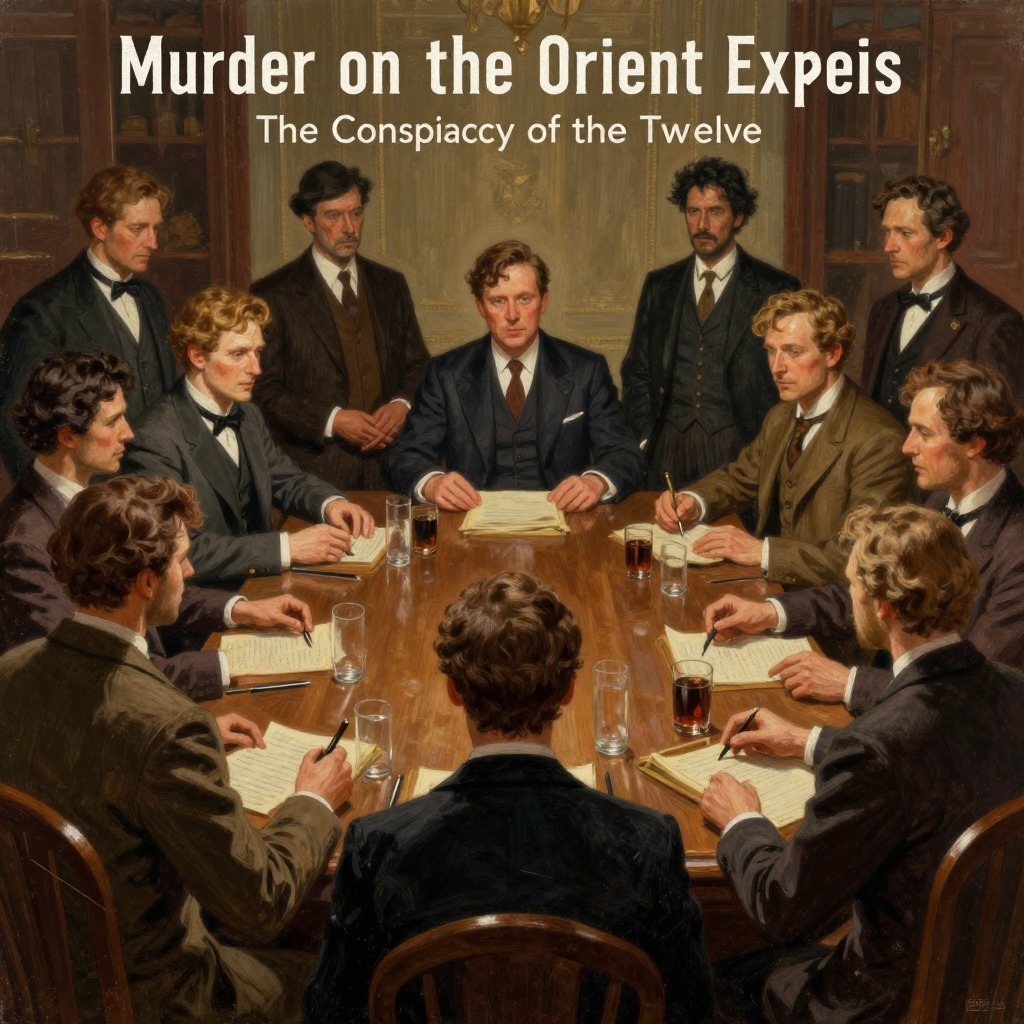
The Conspiracy of the Twelve
The novel's central plot—the twelve passengers acting as a jury and executioners—is a thematic exploration of collective justice and the nature of murder.
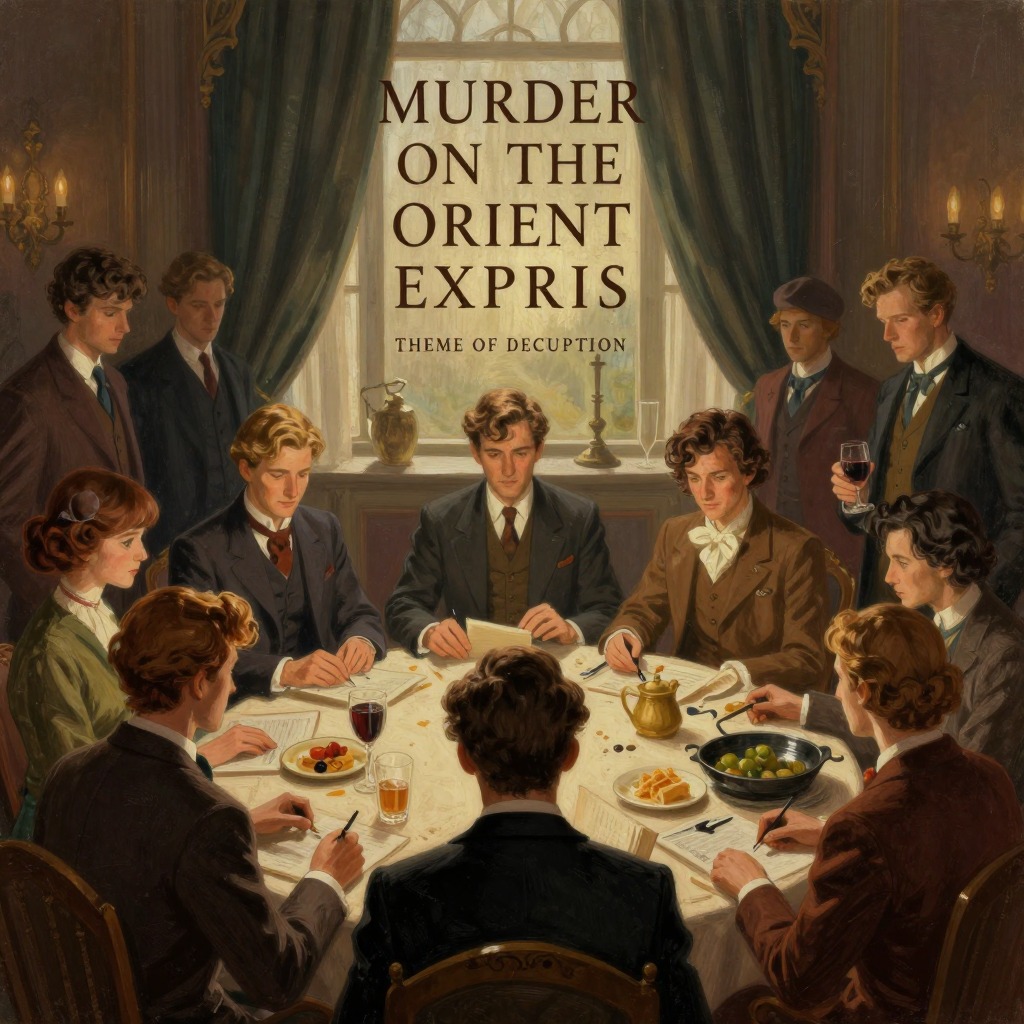
The Theme of Deception and Truth
The novel is filled with layers of deception, from the passengers' false identities to the clues planted to mislead, ultimately leading to the truth.
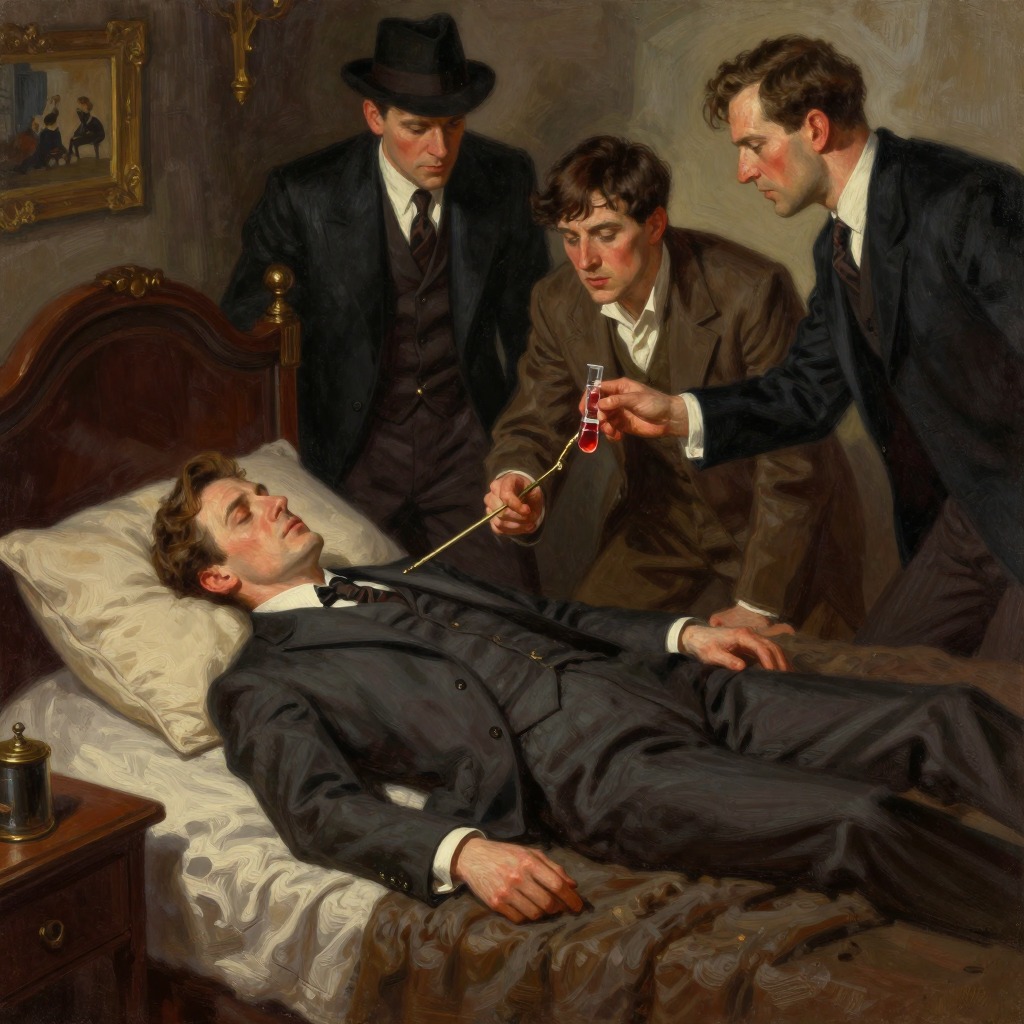
The Role of the Sleeping Draught
The sleeping draught given to Ratchett is a key element of the crime, ensuring that he is unconscious and unable to defend himself when the conspirators attack.
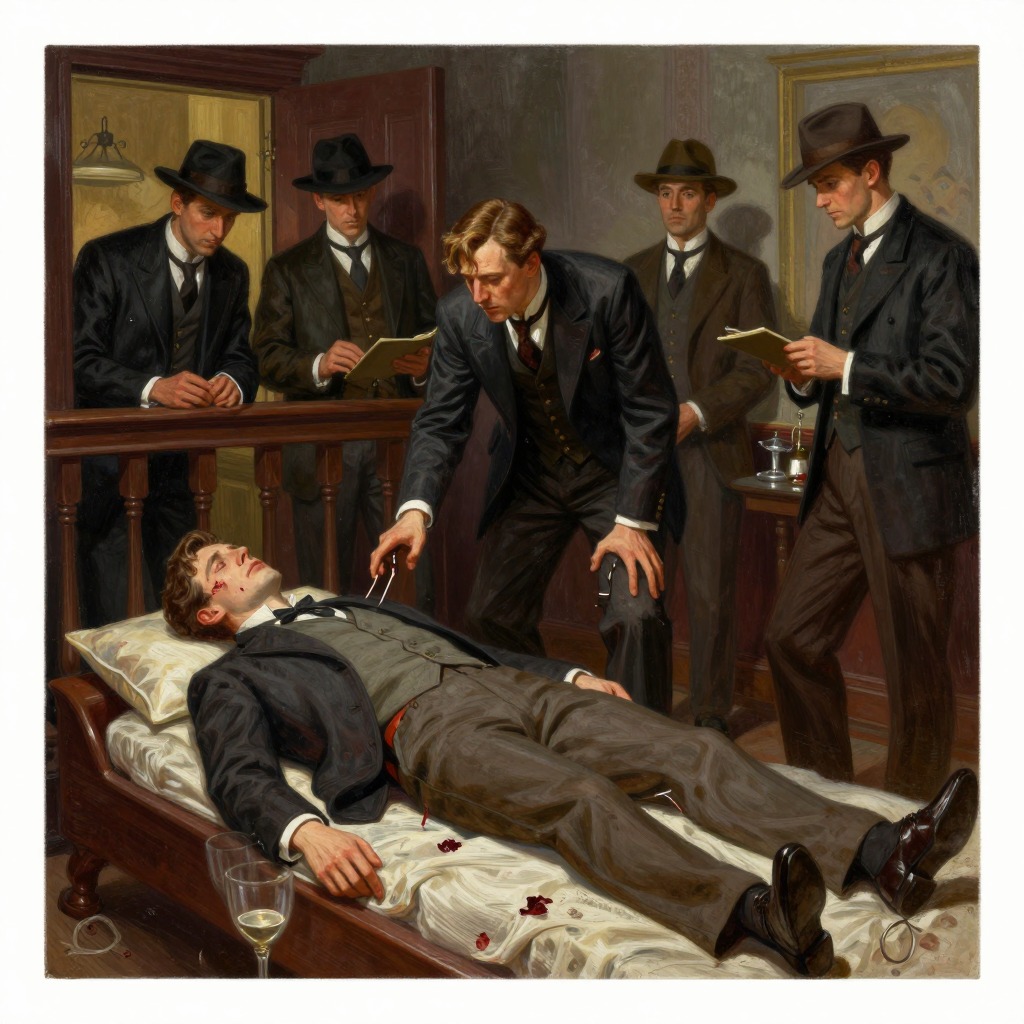
The Discovery of the Body
The discovery of Ratchett's body sets the investigation in motion, with the locked room and the multiple stab wounds immediately puzzling the investigators.
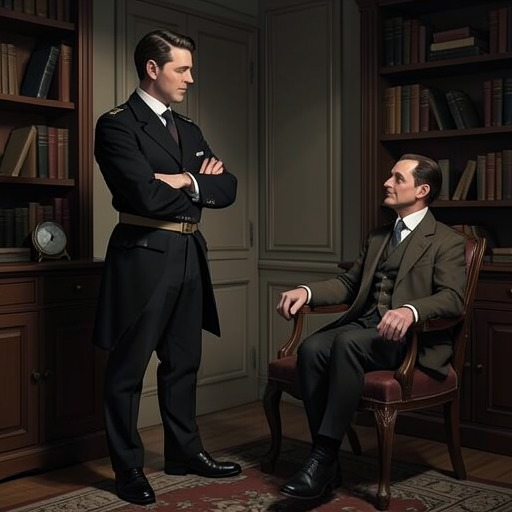
The Interrogation of Colonel Arbuthnot
Colonel Arbuthnot, a friend of Colonel Armstrong, is questioned by Poirot; his stiff upper lip and protective attitude toward Mary Debenham reveal his involvement.
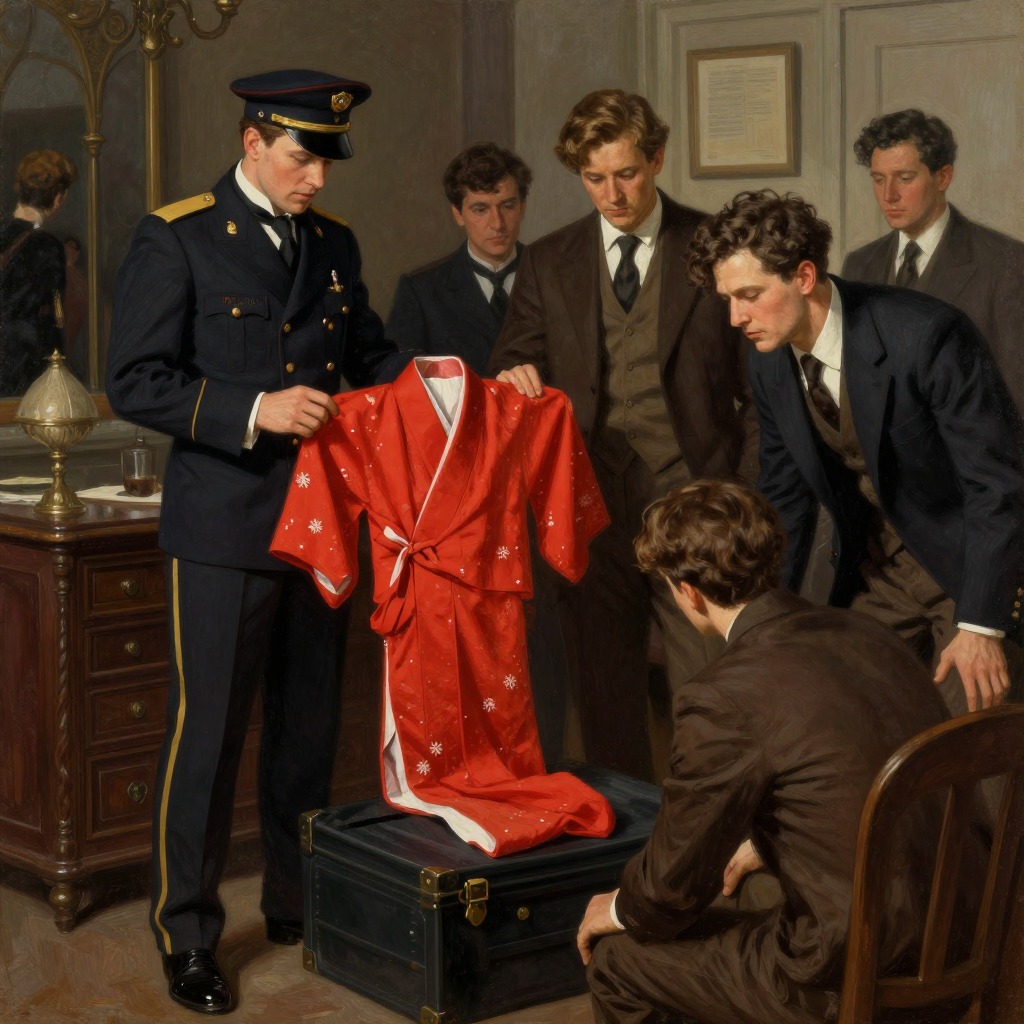
The Search of the Passengers' Luggage
The search of the passengers' baggage reveals the Wagon Lit uniform and the scarlet kimono, providing crucial evidence but also showing the conspirators' attempts to mislead.
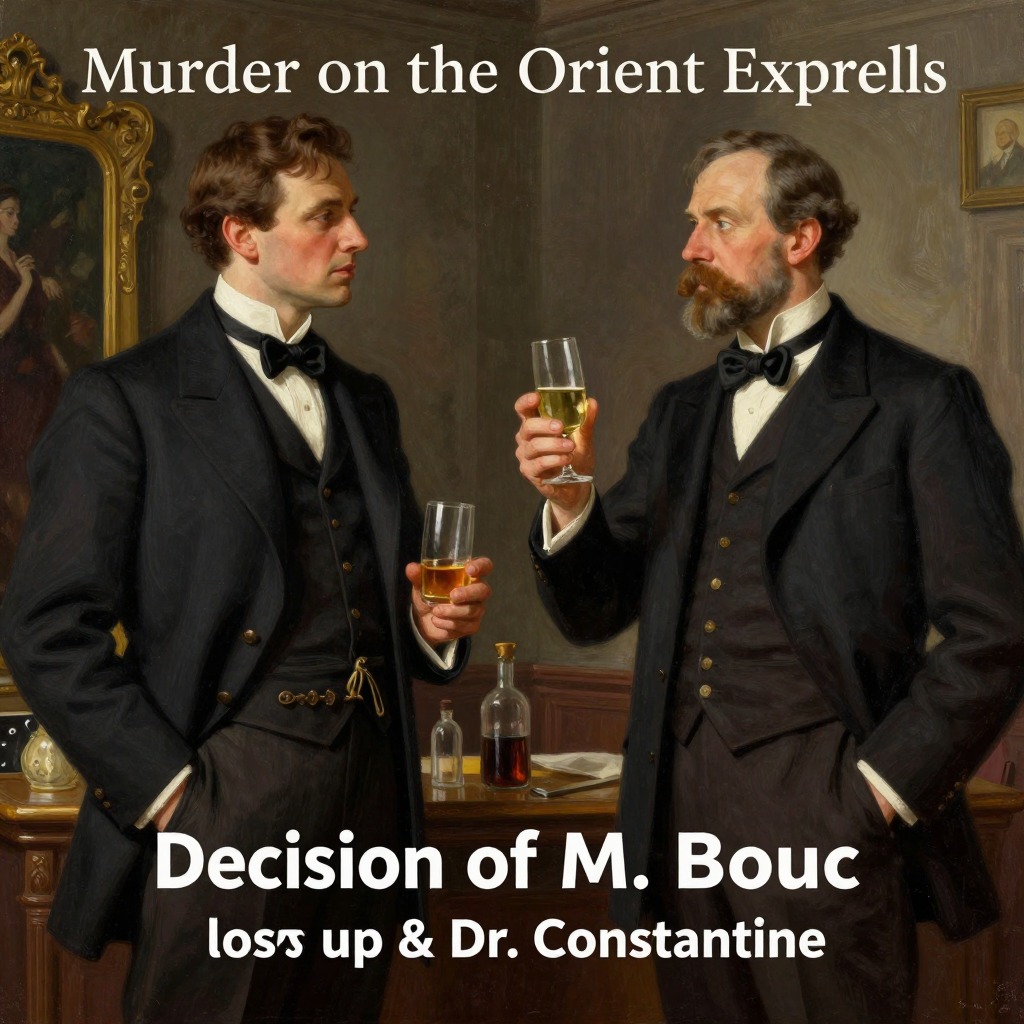
The Decision of M. Bouc and Dr. Constantine
M. Bouc and Dr. Constantine, as representatives of the railway and medicine, must decide which solution to accept, reflecting the theme of complicity and justice.

The Love of the Armstrong Family
The love between the Armstrong family members—Sonia, Colonel Armstrong, Daisy, and Linda Arden—is the emotional core that drives the entire conspiracy.
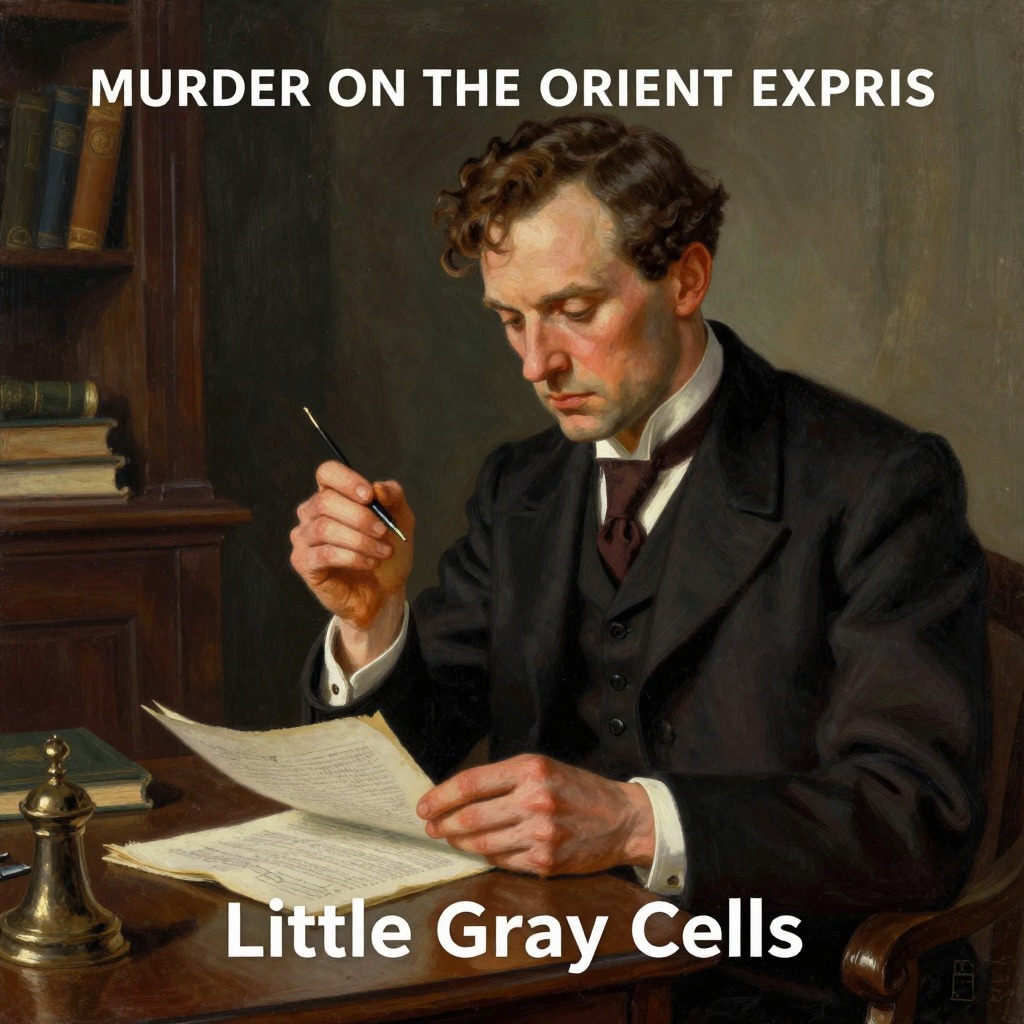
The Role of the Little Grey Cells
Poirot's method of using his 'little grey cells' to solve the case is a recurring theme, emphasizing the power of pure intellect over physical evidence.
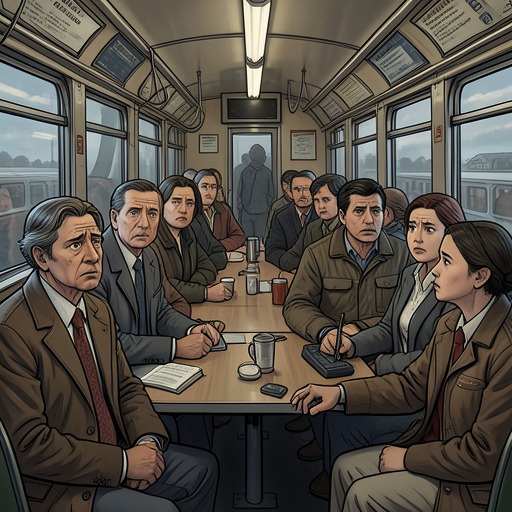
The Suspicion of the Passengers
The growing suspicion among the passengers and their fear of being discovered is a thread that runs through the investigation, adding tension and psychological depth.