Raoul de Kercoz
PossessionRaoul de Kercoz is a Breton folklorist, widower, and father to Sabine de Kercoz, whose home at Manoir de Kernemet becomes a refuge for Christabel LaMotte. Gentle and imaginative but hesitant over practical decisions, he responds to Christabel’s concealed pregnancy with a readiness to accept her child as family. His stories and domestic life make him a figure through whom folklore, parental care, and the novel’s silences meet.
Identity and Household
Raoul’s life is closely bound to his daughter and to the house where they live. Sabine describes him as kind and gentle, though poorly equipped for practical decisions and unable to understand all that she fears or desires. He has tried to serve as both father and mother since his wife died. His own account of his wife’s final words and his promise to raise their infant daughter establish a family history that Sabine knows largely through his telling.
His work and habits shape the household. One room serves as both his library and bedroom, with books exposed to the damp sea air; he devises a preservative mixture for their bindings. Sabine remembers polishing the books instead of learning embroidery, an early sign of a life organized around her father’s scholarly interests rather than conventional feminine accomplishments. When Christabel is expected to visit, Raoul has his late wife’s room prepared for the guest, a practical act of hospitality that also brings Sabine into contact with the traces of her mother’s life.
Folklore and Storytelling
Raoul’s stories are not fixed retellings but changing performances. At Toussaint, he tells Sabine and the household a version of the Merlin and Vivien tale: its recurring structure remains recognizable, while the characters’ motives and emotional balance shift from year to year. Merlin may be a lover, a weary magician ready to surrender, or a clear-sighted figure outmatched by Vivien. The changing versions show folklore as a living practice, remade within a stable narrative pattern.
His tale-making can temporarily eclipse ordinary life. Sabine recalls the imagined fountain, flowers, birds, and hidden paths with such force that the real house and orchard seem diminished beside them. Christabel recognizes his power to create an enchanted world through words. The scene also gives Sabine a way to assess the art of storytelling itself: its imaginative richness is a gift, but it can make everyday circumstances harder to face directly.
Care for Christabel and the Child
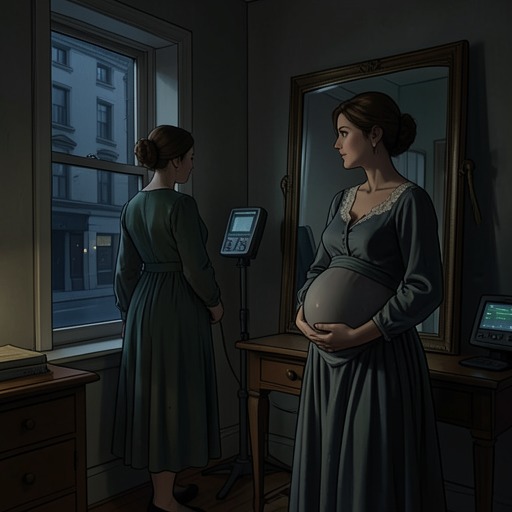
Raoul’s household receives Christabel during the period when she has withdrawn from public life. His daughter’s account portrays him as offering her small kindnesses while the family avoids speaking openly about her pregnancy. Raoul wants Christabel to know that the child is welcome, belongs to their kin, and will be cared for. Yet he cannot find a way to broach the subject. Christabel’s manner inhibits him, and he fears that confronting her carelessly could deepen her distress.
The silence weighs on him and on Sabine. Raoul tries to ask a nun for help in addressing Christabel’s refusal to speak, but the encounter leaves him depressed rather than supported. When Christabel returns after disappearing, he moves toward her with affection; she stops him and insists that she can stand on her own. Her changed appearance and refusal of comfort make the distance between his impulse to care and her determination to control what is said and done unmistakable.
Family History and Narrative Significance
The eventual account of the child’s history shows the limits of what Raoul could know. Christabel had arranged with her sister Sophie for the child to be born in Brittany and then raised in England as Sophie’s own. Raoul had wanted to welcome the baby, but the family’s inability to speak openly left him without the full truth of Christabel’s arrangements or the child’s parentage. Later discussion of the period’s inheritance rules underscores how concealed kinship could shape both a child’s prospects and a family’s public identity.
Raoul’s importance lies less in control of events than in the stories and care he offers within them. His folkloric variations echo the novel’s interest in how narratives change while preserving recognizable patterns; his response to Christabel, meanwhile, exposes the inadequacy of kindness when fear and silence prevent direct communication. Through him, the household becomes both a place of imaginative invention and a setting where practical truths remain unspoken.