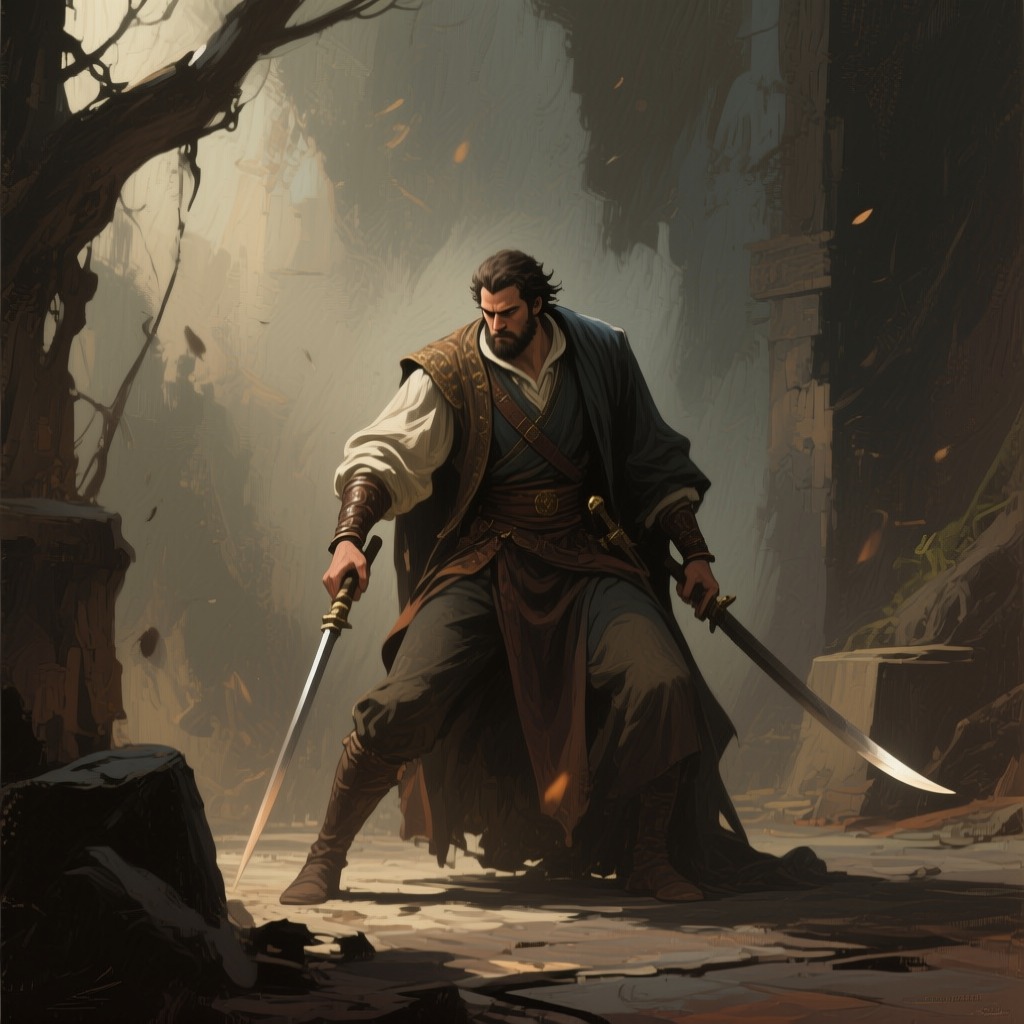
Captain Wren
Captain Wren, along with Captain Piltchard, serves as one of the two joint squadron operations officers in Yossarian's group. Both are mild, soft-spoken men of less than middle height who enjoy flying combat missions and beg nothing more of life and Colonel Cathcart than the opportunity to continue flying them. They have flown hundreds of combat missions and want to fly hundreds more, assigning themselves to every one. Nothing so wonderful as war has ever happened to them before, and they are afraid it might never happen to them again. They conduct their duties humbly and reticently, with a minimum of fuss, and go to great lengths not to antagonize anyone, smiling quickly at everyone they pass and mumbling when they speak. They are shifty, cheerful, subservient men who are comfortable only with each other and never meet anyone else's eye, not even Yossarian's eye at the open-air meeting they call to reprimand him publicly for making Kid Sampson turn back from the mission to Bologna.
Role in the Mission System
Captain Wren and Captain Piltchard are the administrators who organize the crews for each combat mission. The Glorious Loyalty Oath Crusade, spearheaded by Captain Black, complicates their task, tying men up all over the squadron signing, pledging, and singing, and making the missions take hours longer to get under way. Effective emergency action becomes impossible, but both Captain Piltchard and Captain Wren are too timid to raise any outcry against Captain Black, who scrupulously enforces each day the doctrine of "Continual Reaffirmation." When Captain Black comes with a delegation to advise them bluntly to make each man sign a loyalty oath before allowing him to fly on a combat mission, they are pitched about in their bewildering predicament. Captain Black points out that everyone else is making them sign loyalty oaths, and it will look mighty funny to the F.B.I. if they are the only ones who don't care enough about their country to make them sign loyalty oaths, too. Captain Wren and Captain Piltchard, both too timid to raise any outcry, are caught in this pressure.
Key Actions and Interactions
Captain Wren is the one who, at the open-air meeting, follows Captain Piltchard's awkward opening by stating, "Captain Piltchard's right, fellas. And that's all I'm going to say to you on that subject. Well, we finally got to Bologna today, and we found out it's a milk run. We were all a little nervous, I guess, and didn't do too much damage. Well, listen to this. Colonel Cathcart got permission for us to go back. And tomorrow we're really going to paste those ammunition dumps. Now, what do you think about that?" This statement reveals their role as conduits for Colonel Cathcart's decisions, presenting the dangerous return mission to Bologna as a positive development. Later, when Yossarian refuses to fly more missions, Captain Piltchard and Captain Wren leave his name off the flight schedule for the next mission and report the matter to Group Headquarters. Colonel Korn then instructs them to send Yossarian to Rome for a rest, suggesting that Nately's death might have hurt him. They also offer Yossarian a deal: they would arrange things so he would only go on milk runs, a proposal Yossarian turns down. Captain Wren is also the one who, when General Dreedle demands to know why Yossarian is naked in formation, replies, "A man was killed in his plane over Avignon last week and bled all over him. He swears he's never going to wear a uniform again." This explanation, though factual, is used by Colonel Korn to craft a sanitized version for General Dreedle.
Narrative Significance
Captain Wren and Captain Piltchard are the embodiment of the administrative machinery that enables Colonel Cathcart's escalating mission quotas. They are not malicious but are utterly compliant, their timidity and desire to avoid antagonizing anyone making them perfect instruments for the system. They fly every mission themselves, yet their enthusiasm for the war and their subservience to higher authority make them complicit in the endless cycle of missions that Yossarian and others are trapped in. They represent the "good soldiers" who follow orders without question, their very mildness and lack of ambition serving as a foil to Yossarian's desperate rebellion. Their presence underscores the novel's critique of a bureaucracy where even the most inoffensive individuals become cogs in a machine that grinds up lives.