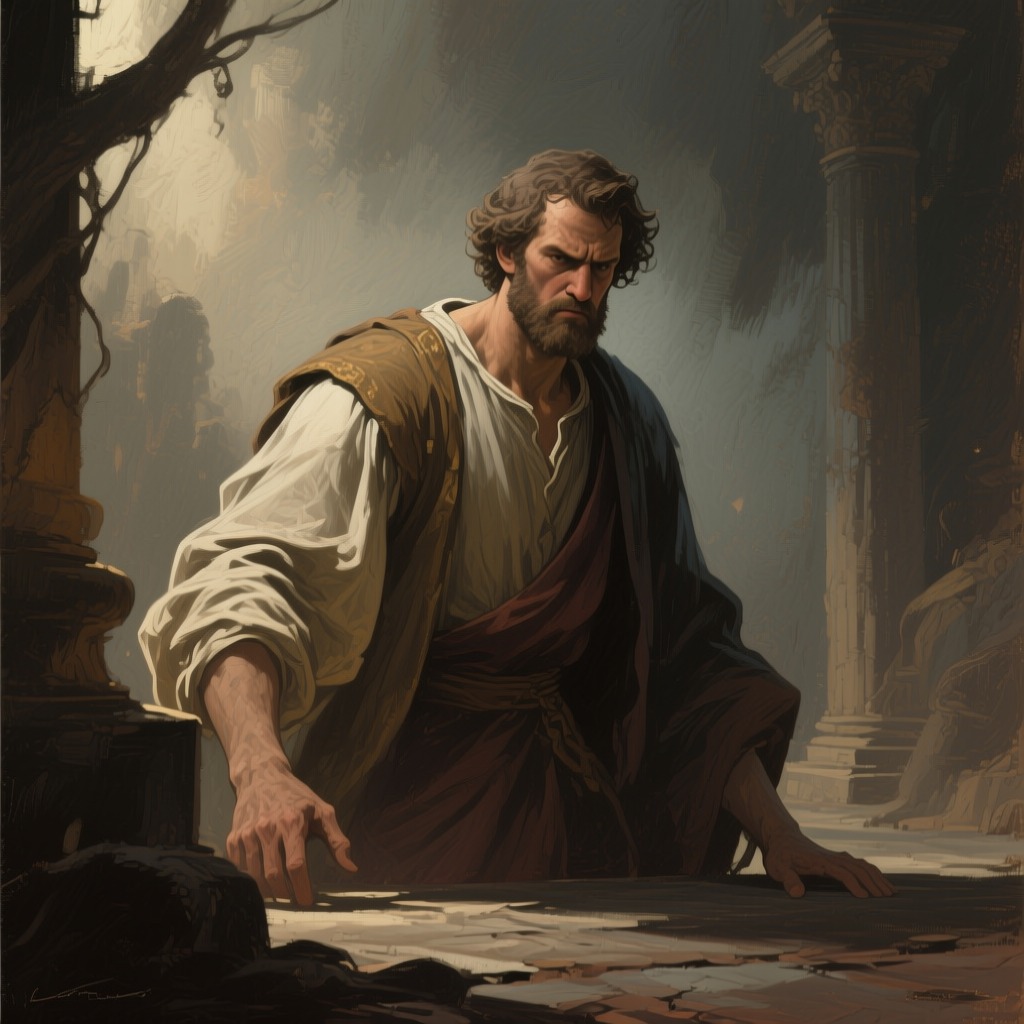
The Texan
The Texan is a minor but catalytic figure in Joseph Heller's Catch-22, a hospital patient whose relentless, good-natured patriotism inadvertently drives every other patient back to combat duty within ten days. His presence in the ward triggers the novel's first explicit articulation of the absurd logic of Catch-22 and serves as a foil to Yossarian's survival instinct, embodying the mindless, institutionalized patriotism that the novel systematically satirizes.
Identity and Introduction
The Texan is introduced as a patient in the hospital ward where Yossarian is malingering with a feigned liver condition. He is described as someone who "looked like someone in Technicolor" and who felt, "patriotically, that people of means—decent folk—should be given more votes than drifters, whores, criminals, degenerates, atheists and indecent folk—people without means." This political view immediately marks him as a caricature of conservative American nationalism, a figure whose patriotism is both sincere and intellectually vacuous. He is placed in a bed in the middle of the ward, and it is not long before he begins to "donate his views" to the other patients.
Effect on the Ward and the Other Patients
The Texan's impact on the ward is swift and paradoxical. He is described as "good-natured, generous and likable," yet within three days, "no one could stand him." His constant, cheerful patriotism creates an atmosphere of such annoyance that the other patients begin to flee. Dunbar, Yossarian, and the fighter pilot all bolt the same morning, with Yossarian telling the doctors his liver pain has gone away. Even the warrant officer flees. In less than ten days, the Texan drives everybody in the ward back to duty—everybody except the C.I.D. man, who catches pneumonia from the fighter pilot. The Texan's effect is so powerful that it is described as clearing the entire ward, a testament to the corrosive effect of his brand of unthinking patriotism on men who are trying to escape the war.
Relationship with the Soldier in White
The Texan's most significant interaction is with the Soldier in White, a patient encased entirely in plaster and gauze, with only a black hole for a mouth. The Texan sits sideways on his own bed and talks to him throughout the morning, afternoon, and evening in a "pleasant, sympathetic drawl," never minding that he gets no reply. When the Soldier in White is discovered dead, Dunbar and Yossarian immediately accuse the Texan of murdering him. Dunbar says, "You murdered him," and Yossarian adds, "You killed him." The Texan shrinks back, protesting, "You fellas are crazy. I didn't even touch him." The accusation is absurd, but it crystallizes the novel's theme that the Texan's brand of hollow, unthinking patriotism is a form of violence in itself, a force that contributes to the death of those it claims to support.
Thematic Significance
The Texan functions as a satirical embodiment of the mindless patriotism that the novel critiques. His belief that "decent folk" should have more votes and his inability to understand why the other patients flee from him highlight the absurdity of a worldview that cannot comprehend dissent. His role in clearing the ward—driving men back to a war that is trying to kill them—underscores the novel's central irony: that the most "patriotic" figures are often the ones most complicit in the machinery of death. The Texan is not malicious; he is simply a walking embodiment of the system's logic, and his very presence is enough to make the ward uninhabitable for anyone trying to survive.