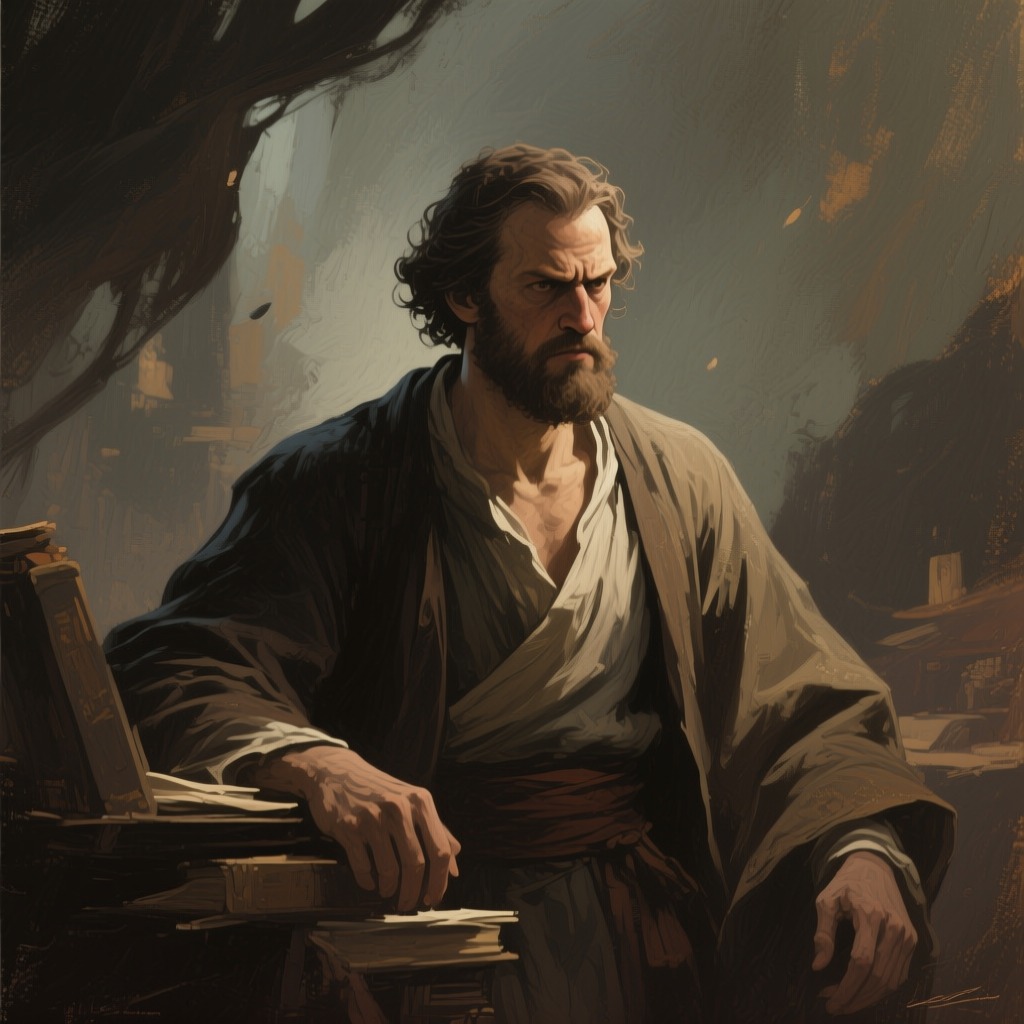
Form letters
The form letters are a bureaucratic instrument of manufactured sympathy, conceived by Corporal Whitcomb and eagerly adopted by Colonel Cathcart as a vehicle for personal publicity. They epitomize the novel's satire of institutional hypocrisy, where the appearance of compassion is cynically produced for self-advancement, and the chaplain's principled opposition is crushed by the relentless logic of careerism.
Origin and Purpose
The form letters originated not from any genuine desire to comfort the bereaved, but from Corporal Whitcomb's ambition to spark a "great spiritual revival" and from Colonel Cathcart's obsession with getting his name into The Saturday Evening Post. Whitcomb, the chaplain's atheist assistant, had long chafed under the chaplain's refusal to allow such letters, viewing the chaplain's restraint as a sign of weakness and a barrier to his own advancement. When Whitcomb bypassed the chaplain and presented the idea directly to Colonel Cathcart, the colonel was immediately captivated. The letters, he realized, could carry his signature and thus serve as a tangible achievement to impress his superiors. The colonel's primary concern was not the solace of the families, but the potential for a feature article. He even volunteered the group for the dangerous Avignon mission again, remarking, "The sooner we get some casualties, the sooner we can make some progress on this. I'd like to get in the Christmas issue if we can." This callous calculation reveals the letters as a tool for personal glory, not a gesture of respect for the dead.
Content and Manufacture
The letters were designed to be mass-produced and insincere. Whitcomb provided a basic template that could be adapted for any situation, beginning with the formulaic opening: "Dear Mrs., Mr., Miss, or Mr. and Mrs.: Words cannot express the deep personal grief I experienced when your husband, son, father or brother was killed, wounded or reported missing in action." Colonel Cathcart was delighted with this opening, declaring it summed up his sentiments exactly. He ordered the chaplain and Whitcomb to fill the letters with "lots of personal details" to create an illusion of sincerity, despite the fact that they did not know the men well enough to provide such details. The chaplain protested that the task was impossible, but his objection was brushed aside. The entire process was a cynical exercise in manufacturing emotion, where the form of a personal letter was used to mask its impersonal, bureaucratic origin.
The Chaplain's Opposition and Its Consequences
The chaplain, who valued genuine human connection, was the only one to oppose the scheme on moral grounds. He argued that the letters were "insincere and dishonest" and that their only purpose was to "bring glory to Colonel Cathcart." This principled stand made him a target. Colonel Cathcart, encouraged by Whitcomb, berated the chaplain for lacking initiative and for not knowing how to delegate responsibility. The chaplain's resistance was framed as a personal failing, a sign of his inability to be a team player. His moral objection was not merely dismissed; it was pathologized. The colonel promoted Whitcomb to sergeant as a reward for bringing the idea forward, further isolating the chaplain and demonstrating that the system rewards those who prioritize institutional advancement over ethical conduct.
Narrative and Thematic Significance
The form letters function as a concentrated symbol of the novel's central critique: the perversion of language and sentiment by bureaucratic and careerist imperatives. They are a perfect example of Catch-22 logic applied to morality—the chaplain is punished for being honest, while Whitcomb is rewarded for his cynical manipulation. The letters also serve as a direct link between the suffering of the men and the ambitions of their commanders. Colonel Cathcart's willingness to create more casualties to have more letters to send reveals the horrifying feedback loop at the heart of the military system he represents. The form letters are not a minor detail but a key mechanism through which the novel exposes the emptiness of official rhetoric and the dehumanizing machinery of war.