Colonel Cathcart
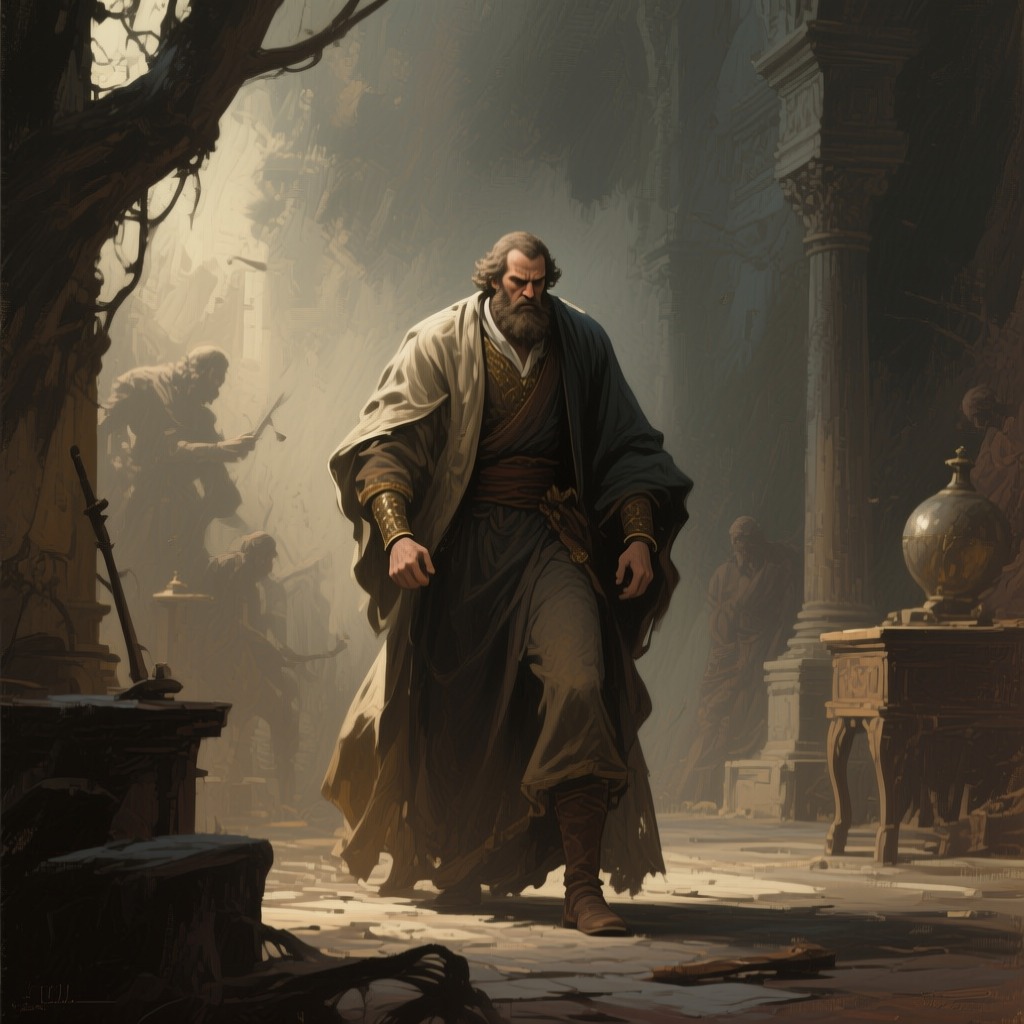
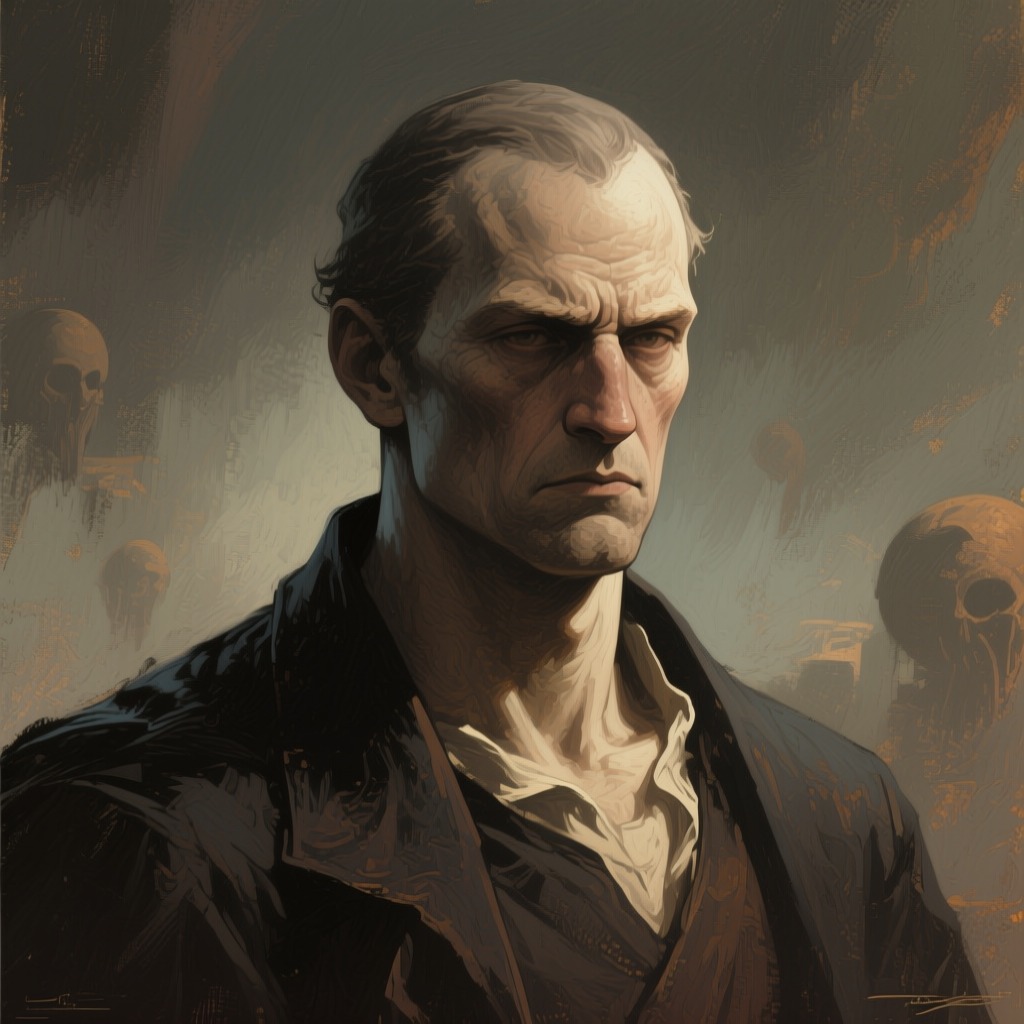
Colonel Cathcart is a slick, successful, slipshod, unhappy man of thirty-six who wants desperately to be a general. He is dashing and dejected, poised and chagrined, complacent and insecure. He is a full colonel with a combat command at a relatively young age, yet he is tormented by the fact that there are men his own age who are already generals. This gnawing sense of failure drives him to constantly seek ways to distinguish himself, no matter the cost to his men. He is a large, pouting, broad-shouldered man with close-cropped curly dark hair graying at the tips, and he affects an ornate cigarette holder, which he believes lends him a sophisticated and heroic air, though he is never quite sure if it impresses his superiors. He lives in a state of perpetual anxiety, oscillating between exhilaration and despair over imaginary triumphs and defeats, and he relies heavily on his subordinate, Lieutenant Colonel Korn, for strategic advice, even as he resents his dependence on a man he considers common.
Ambition and the Raising of Missions
Colonel Cathcart's primary method for gaining attention and a "feather in his cap" is to volunteer his group for the most dangerous targets and to demand that his men fly more combat missions than any other bomber group. He raises the number of missions required for a tour of duty repeatedly—from twenty-five to thirty, then to forty, forty-five, fifty, fifty-five, sixty, sixty-five, and finally to eighty—each time trapping men like Yossarian who are close to finishing. He does this not out of military necessity but out of a desperate need to prove his unique qualities of leadership. He believes that forcing his men to fly more missions than anyone else is the most tangible achievement he has, and he is willing to sacrifice their lives for his own career. When the chaplain protests that the men are upset about the sixty-mission quota, Cathcart dismisses the concern, advising him to "tell them there's a war going on." His ambition is so consuming that he even considers volunteering the group for Avignon again just to generate more casualties, which would allow him to send out more form letters of condolence and potentially get his name in The Saturday Evening Post.
Relationship with Colonel Korn and Insecurity
Colonel Cathcart is utterly dependent on his loyal but indispensable ally, Lieutenant Colonel Korn, who devises the ingenious and often underhanded strategies that Cathcart then nervously implements. Cathcart is jealous of Korn's intelligence and resents that he must rely on a man educated at a state university, yet he is lost without him. He oscillates between pledging eternal gratitude to Korn and being furious with him when their schemes might backfire. This insecurity extends to his relationships with his superiors. He is terrified of General Dreedle, who bullies him, and he is obsequious toward General Peckem, whom he believes is more sophisticated and likely to appreciate him. He is in constant fear of getting a "black eye"—a professional setback—and he keeps a mental ledger of his "black eyes" and "feathers in his cap," obsessively calculating his standing. His fear is so profound that the mere mention of Yossarian's name, associated as it is with the embarrassing incident of the naked man in formation, sends him into a panic.
Key Actions and Conflicts
Cathcart's actions are a series of self-serving blunders that create the central conflicts of the novel. He volunteers his group to destroy the bridge at Ferrara, leading to a week of failed missions and the death of Kraft. To cover up the fiasco, he follows Korn's advice and gives Yossarian a medal for going around twice, a decision that haunts him. He builds a private skeet-shooting range for his officers, only to have General Dreedle force him to open it to all combat personnel, turning a "feather" into a "black eye." He attempts to introduce prayer meetings before missions to get his picture in a magazine, but abandons the idea when he realizes it might anger God or the editors. He is also complicit in Milo Minderbinder's corrupt schemes, buying and selling plum tomatoes through a complex system of shell companies to make a profit, even though he hates the tomatoes. His most significant and destructive act is his deal with Milo to have Nately fly more missions, which directly leads to Nately's death in a mid-air collision. When Yossarian refuses to fly any more missions, Cathcart and Korn offer him a "despicable deal": send him home a hero if he agrees to like them and keep quiet. Cathcart's final, pathetic act is to hurl his prized cigarette holder against the wall, shouting that he hates it, a symbol of his complete confusion about how to succeed.
Thematic Significance
Colonel Cathcart is a perfect embodiment of the novel's central critique of bureaucratic and military authority. He represents the absurdity of a system where personal ambition is prioritized over human life, where the desire for a promotion justifies the endless escalation of deadly demands. He is the living, breathing incarnation of Catch-22 itself: the rule that traps men in a cycle of danger because the authority that could release them is itself trapped by its own logic of self-advancement. He is not a villain in the traditional sense but a product of the system, a man so consumed by his own insecurities and ambitions that he becomes a machine of death for those under his command. His final, desperate question—"How can I please them both?"—reveals the core of his character: a man with no internal compass, forever seeking validation from a hierarchy that will never give it, and willing to sacrifice everyone else in the process.