Milo Minderbinder
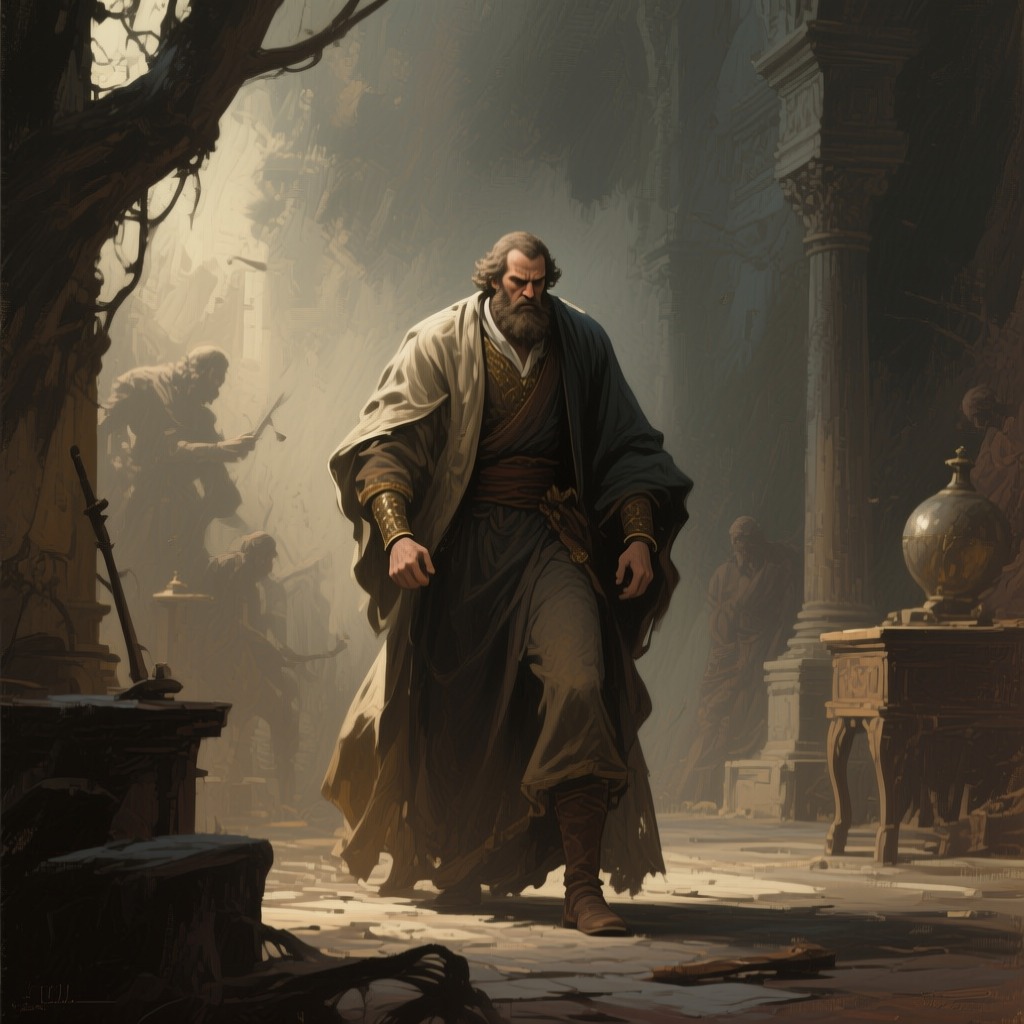
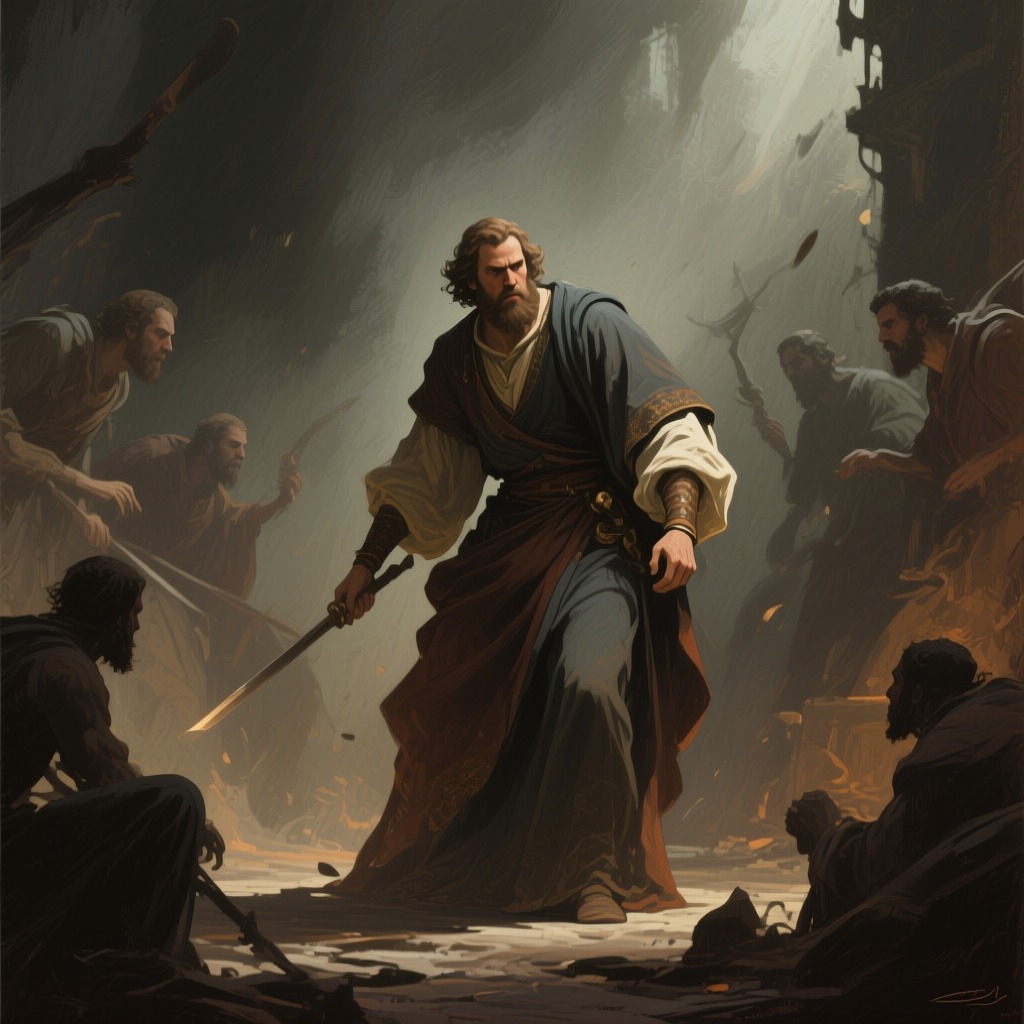
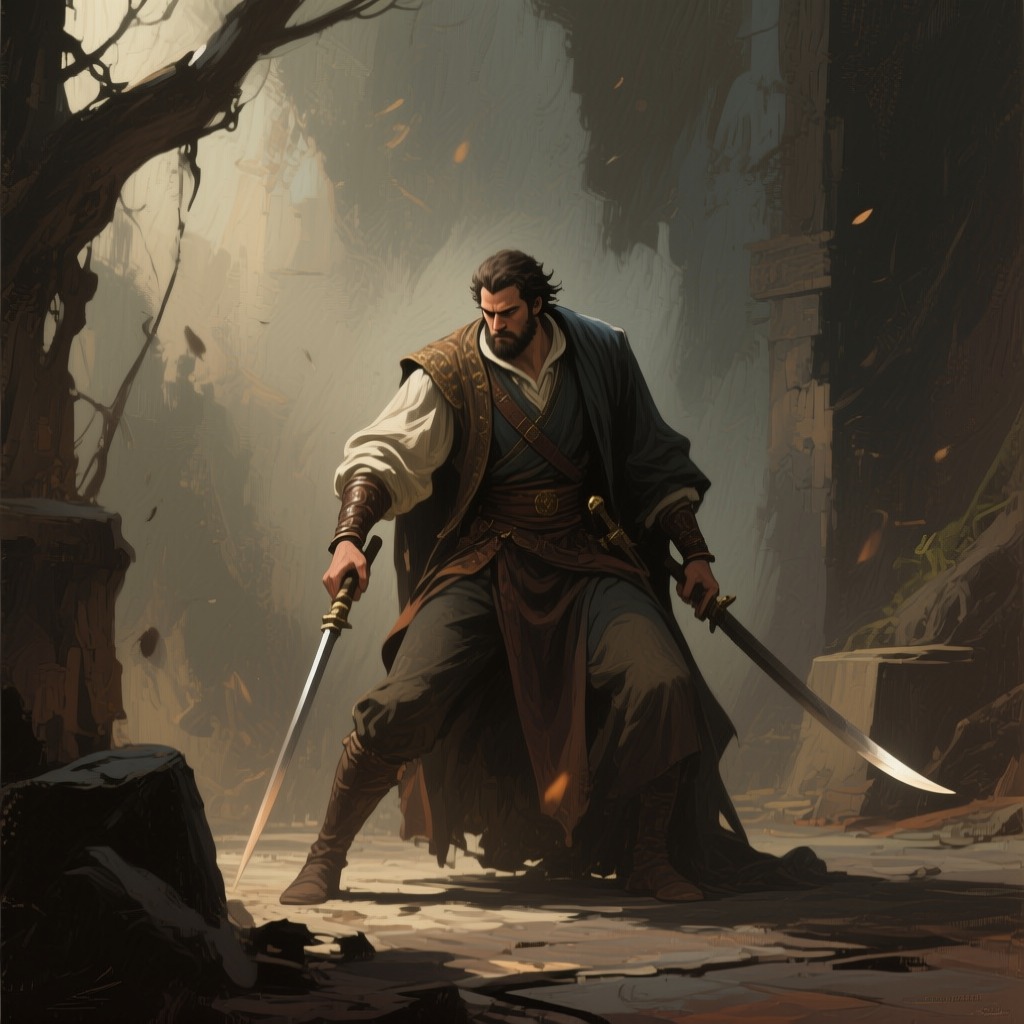
Milo Minderbinder begins as the squadron's mess officer, a role he volunteers for with a sacred trust to provide the best meals possible. He quickly proves to be a genius of logistics and profit, securing fresh eggs from Malta for five cents apiece while buying them for seven, a paradox he explains through a complex web of middlemen and subsidiaries that ultimately benefits the syndicate in which everyone has a share. His simple, sincere face and disunited eyes mask a hardened integrity that never questions charging as much as the traffic will bear, and he trusts Yossarian with every secret but the location of his buried money, reasoning that anyone who would not steal from his country would not steal from anyone.
The Syndicate and Its Expansion
Milo's operation, M & M Enterprises, grows from a single plane to a fleet of bombers and cargo ships from across Europe, all painted with the syndicate's stenciled name. He creates a wholly owned subsidiary, M & M Fancy Pastry, and leases tow signs to Pet Milk and Noxzema. His planes have freedom of passage everywhere, and he contracts with both the American and German military authorities to bomb and defend the same bridge at Orvieto, realizing a fantastic profit for doing nothing more than signing his name twice. When he bombs his own squadron, destroying fuel stocks, ordnance dumps, and repair hangars, he justifies it by disclosing the huge net profit and convincing everyone that it was a commendable blow for private enterprise. He even replaces the morphine in first-aid kits with a note reading, "What's good for M & M Enterprises is good for the country," a theft that directly contributes to Snowden's agonizing death.
Moral Amoralism and the Cotton Crisis
Milo's moral code is rigidly self-serving: he refuses to borrow a package of pitted dates from the mess hall because the food is government property, but he trades them for a stolen bedsheet and then denies the trade because the thief does not understand English. He is outraged when M.P.s try to confiscate German bombers he has acquired, insisting they belong to the syndicate. His greatest crisis comes when he corners the market on Egyptian cotton, buying the entire harvest after seeing a stock ticker in a Cairo restaurant. The cotton piles up on piers, and no one wants it. Milo tries to make the mess halls feed chocolate-covered cotton to the men, but even he admits it made him sick. Yossarian suggests he bribe the government, and Milo, though initially shocked, eagerly adopts the plan, reasoning that bribery is not against the law if it is for a fair profit.
Relationships and Influence
Milo's influence extends beyond the squadron. He is elected mayor of Palermo and several other Sicilian towns for importing Scotch, knighted as Major Sir Milo Minderbinder in Malta for bringing the egg trade, and named Vice-Shah of Oran. He becomes a corn god, rain god, and rice god in backward regions. He manipulates Colonel Cathcart and Colonel Korn by threatening to fly more combat missions, forcing them to raise the number of missions for everyone else to cover his own. He merges with ex-P.F.C. Wintergreen, and makes Colonel Cathcart a vice-president of the syndicate, ensuring his own power. Despite his amoral dealings, he shows a rare moment of genuine emotion when he agrees to help Yossarian find Nately's whore's kid sister, only to be distracted by the prospect of smuggling illegal tobacco.
Thematic Significance
Milo embodies the novel's central critique of a system where profit and self-interest override all other values, including human life. His syndicate reduces war to a business transaction, where bombing one's own men is acceptable if it yields a profit. He represents the logical endpoint of capitalism unchecked by morality, where every human impulse and tragedy is an opportunity to cash in. His final act in the narrative is to abandon Yossarian's desperate plea for help in favor of a new profit scheme, demonstrating that his commitment to the syndicate supersedes any personal loyalty or compassion.
Milo's maxim "What's good for M&M Enterprises is good for the country" parodies Charles Erwin Wilson's 1953 Senate statement about General Motors, reinforcing the novel's critique of capitalism. The character has appeared in multiple adaptations: Jon Voight portrayed Milo in Mike Nichols's 1970 film adaptation, and the role was later taken by an actor in the 2019 Hulu miniseries produced by and starring George Clooney. The novel's influences include Jaroslav Hašek's The Good Soldier Švejk, which Heller credited as indispensable. In 1998, some critics drew comparisons between Catch-22 and Louis Falstein's 1950 novel Face of a Hero, though Falstein never raised the issue, and Heller denied knowledge of the work, citing instead Céline, Waugh, and Nabokov as influences. The similarities are often attributed to both authors' shared wartime experiences as U.S. Army Air Forces aircrew in Italy.