Mudd
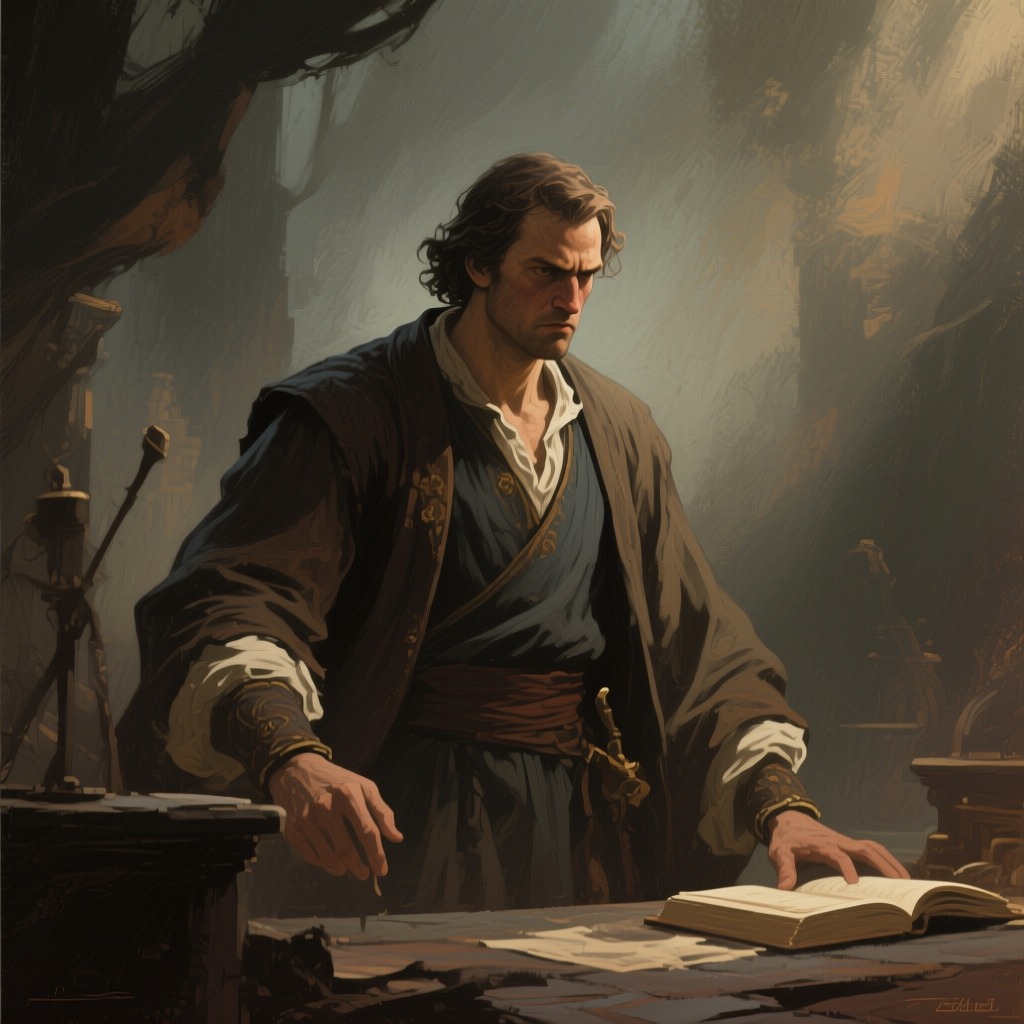
Mudd is the dead man in Yossarian's tent, a replacement pilot who never officially existed in the squadron and whose unprocessed belongings become a persistent, absurd administrative and psychological burden. He embodies the anonymous, bureaucratic waste of war: a life reduced to a paperwork problem that no one can solve.
Identity and Circumstance of Death
Mudd was a replacement pilot who arrived on Pianosa and, instead of reporting to the orderly room, stopped at the operations tent to ask for directions. Because so many men had completed the thirty-five missions required at the time, Captain Piltchard and Captain Wren were desperate for crews and sent him directly into combat. Less than two hours after his arrival, he was killed over Orvieto. No one could recall who he was or what he looked like; the men in his plane were all blown to bits with him. Sergeant Towser, who deplored violence and waste, found it an abhorrent extravagance to fly Mudd all the way across the ocean just to have him blown into bits.
The Administrative Paradox
Because Mudd never officially reported to the squadron, he could never officially be gotten out. Sergeant Towser decided it would be safest to report him as never having arrived at all, and the multiplying communications relating to the poor man continued reverberating forever. Major Major, the squadron commander, forfeited the authority to remove Mudd's effects when he permitted this fiction. The only one with any right to remove his belongings from Yossarian's tent, it seemed to Major Major, was Yossarian himself, and Yossarian had no right. The dead man in Yossarian's tent was simply not easy to live with; he even disturbed Orr, who was not easy to live with either.
The Belongings and Their Fate
Mudd's belongings lay in a tumble on the cot in Yossarian's tent almost exactly as he had left them three months earlier the day he never arrived. They included a hunting knife slung over the mosquito-net bar and an empty leather gun holster, from which Havermeyer had stolen the .45 pistol he used to shoot field mice at night. The knife hung beside the holster, a constant, tangible reminder of the absent man. Yossarian knew exactly who Mudd was: the unknown soldier who had never had a chance, for that was the only thing anyone ever did know about all the unknown soldiers—they never had a chance. They had to be dead. Yossarian's roommates, four clean-cut, energetic new officers, finally solved the problem that had baffled Yossarian and Sergeant Towser for months: they carried Mudd's cot and all his belongings right out into the bushes and simply dumped them there, disposing of the dead man with brisk, practical efficiency.
Narrative and Thematic Significance
Mudd functions as a recurring symbol of the absurd, bureaucratic machinery of war that treats human life as a logistical inconvenience. He is the dead man who cannot be processed, a ghost in the system whose existence is denied even as his effects remain. Yossarian uses Mudd's name when arguing with Nurse Cramer about the Soldier in White, suggesting that the bandaged figure might be Mudd. The dead man in Yossarian's tent is also the victim of Milo Minderbinder's contract with the Germans to bomb and defend the bridge at Orvieto, a deal that realized a fantastic profit for the syndicate while costing Mudd his life. Milo insists he didn't kill Mudd, but Yossarian points out that Milo got a thousand dollars extra for it. Mudd's death is the direct consequence of the profit motive overriding human life, and his unburied belongings are the physical evidence of a crime that the system refuses to acknowledge.