Dunbar
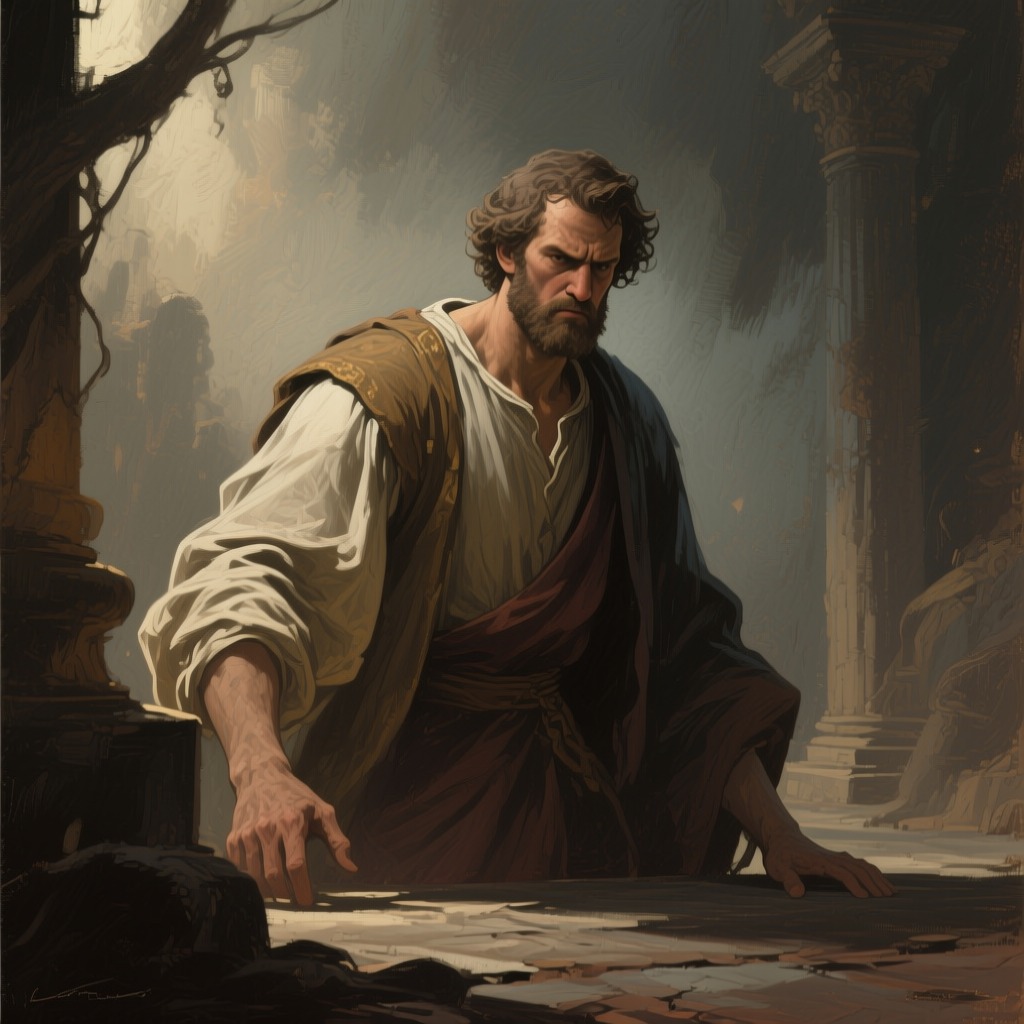
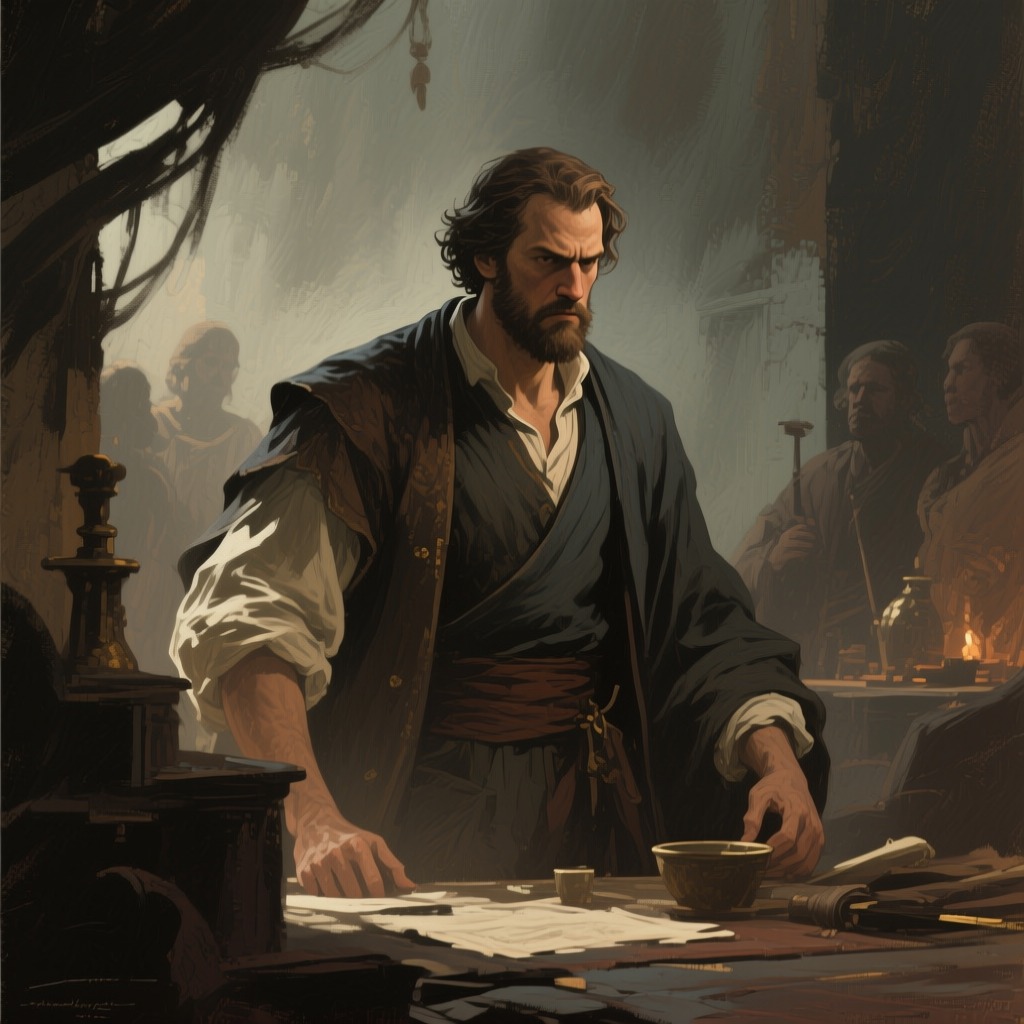
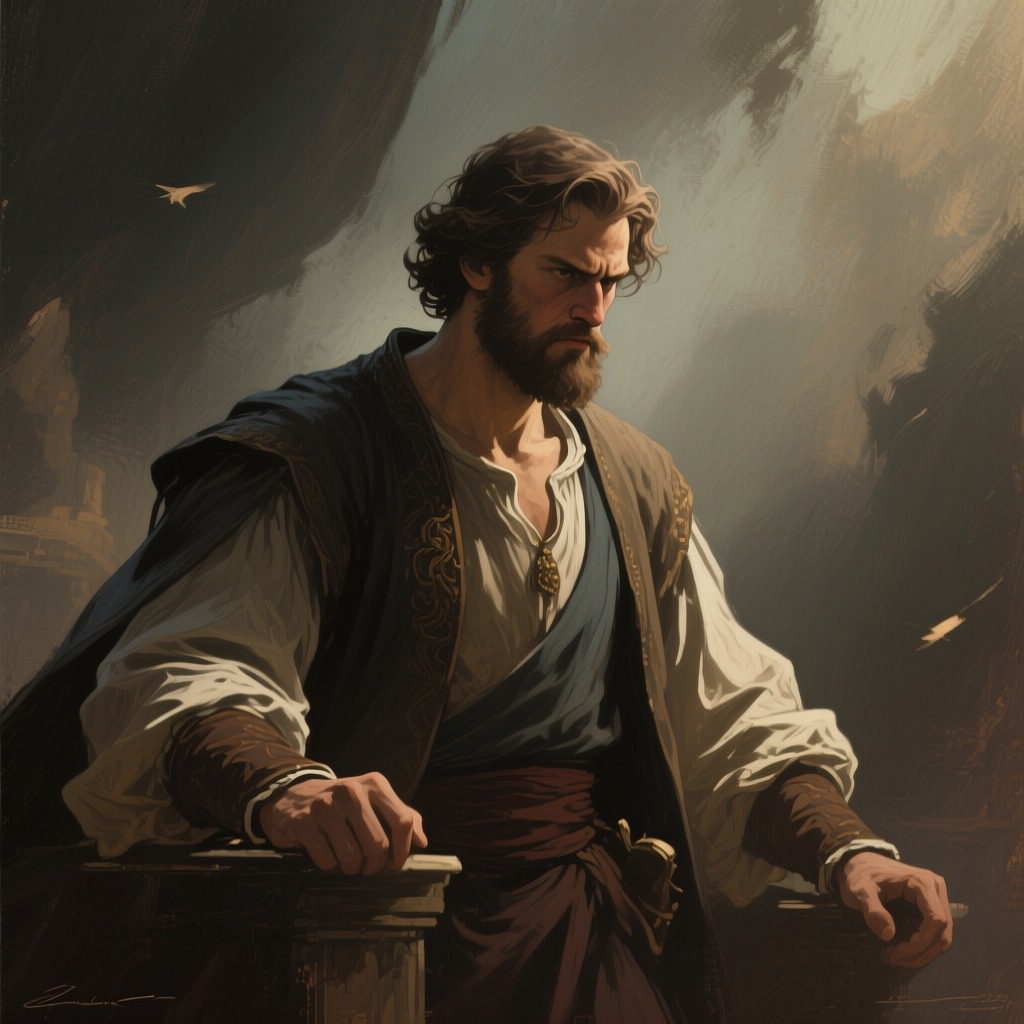
Dunbar is one of the most intellectually unsettling figures in Yossarian's circle, a bombardier who has turned the art of living into a grim science of duration. Where Yossarian fights desperately to stay alive, Dunbar fights to make time last, and his method—a deliberate cultivation of boredom and discomfort—transforms him into a living paradox: a man who embraces misery in order to cheat death of its speed. His presence in the squadron is a constant, quiet challenge to the frantic logic of war, and his eventual disappearance—the novel's chilling euphemism for being made to vanish by the authorities—marks the point at which the system's power to erase dissent becomes literal.
Identity and Philosophy
Dunbar's defining trait is his obsessive pursuit of longevity through tedium. He lies motionless on his back, staring at the ceiling like a doll's, working hard at increasing his life span by cultivating boredom . He has figured out that a single hour on the skeet-shooting range with people like Havermeyer and Appleby can be worth as much as eleven-times-seventeen years . His logic is stark: time rockets by when life is pleasant, so to make life last, one must fill it with unpleasant conditions. "How the hell else are you ever going to slow time down?" he demands, almost angry, when Clevinger challenges him . This philosophy makes him a kind of inverted hedonist—a man who seeks pain not for its own sake but as a tool to stretch the finite span of existence.
Relationships and Role in the Squadron
Dunbar is Yossarian's closest intellectual companion, often finishing his thoughts or echoing his moans of despair. During the Avignon briefing, when Yossarian moans at the sight of General Dreedle's nurse, Dunbar answers him from across the room, turning a private agony into a public insurrection . He likes Clevinger precisely because Clevinger annoys him and makes the time go slow . He is the one who, when the chaplain asks about the soldier in white, suggests that "maybe they just sent the bandages here for a joke" , a remark that cuts to the heart of the novel's anxiety about the emptiness behind official forms. He is also the one who, after the soldier in white reappears, screams "He's back!" and insists "There's no one inside!" , triggering a ward-wide panic that exposes the men's collective dread of meaninglessness.
The Disappearance
Dunbar's fate is the most chilling illustration of the system's power. After the chaos in the hospital, Nurse Duckett warns Yossarian that "they're going to disappear him" . The phrase is deliberately vague, a bureaucratic euphemism for an act of erasure that has no legal name. When Yossarian tries to warn Dunbar, he is nowhere to be found . The novel never specifies what happens—whether he is transferred, imprisoned, or killed—but the ambiguity is the point. Dunbar, who had made it his mission to slow time and resist the rush toward death, is simply removed from the narrative, a casualty not of war but of administrative convenience. His disappearance haunts the final chapters, a reminder that the same logic that created Catch-22 can also make a person vanish without a trace.
Thematic Significance
Dunbar embodies the novel's deepest philosophical tension: the desire to live fully versus the knowledge that life is matter, that "the spirit gone, man is garbage" . His strategy of boredom is a desperate attempt to assert control over the one thing that cannot be controlled—time itself. Yet his disappearance proves that even the most determined effort to slow down cannot outrun the machinery of power. In a world where colonels raise mission numbers on a whim and where men can be "disappeared" for thinking too much, Dunbar's fate is the logical endpoint of a system that treats human life as a resource to be managed. His absence, more than any death, underscores the novel's grim conclusion: that the only escape from the trap is not to slow time, but to change the game entirely—as Orr does by rowing to Sweden, and as Yossarian finally attempts by running away.