Hungry Joe
Hungry Joe is a jumpy, emaciated combat pilot in Yossarian's squadron who has flown more combat tours than anyone else in the Air Force, yet his life is a grotesque cycle of screaming nightmares when he is not flying and terrified relief when he is sent back into combat. He embodies the psychological destruction wrought by the military's endless escalation of missions, serving as a living barometer of the squadron's collective dread.
Identity and Appearance
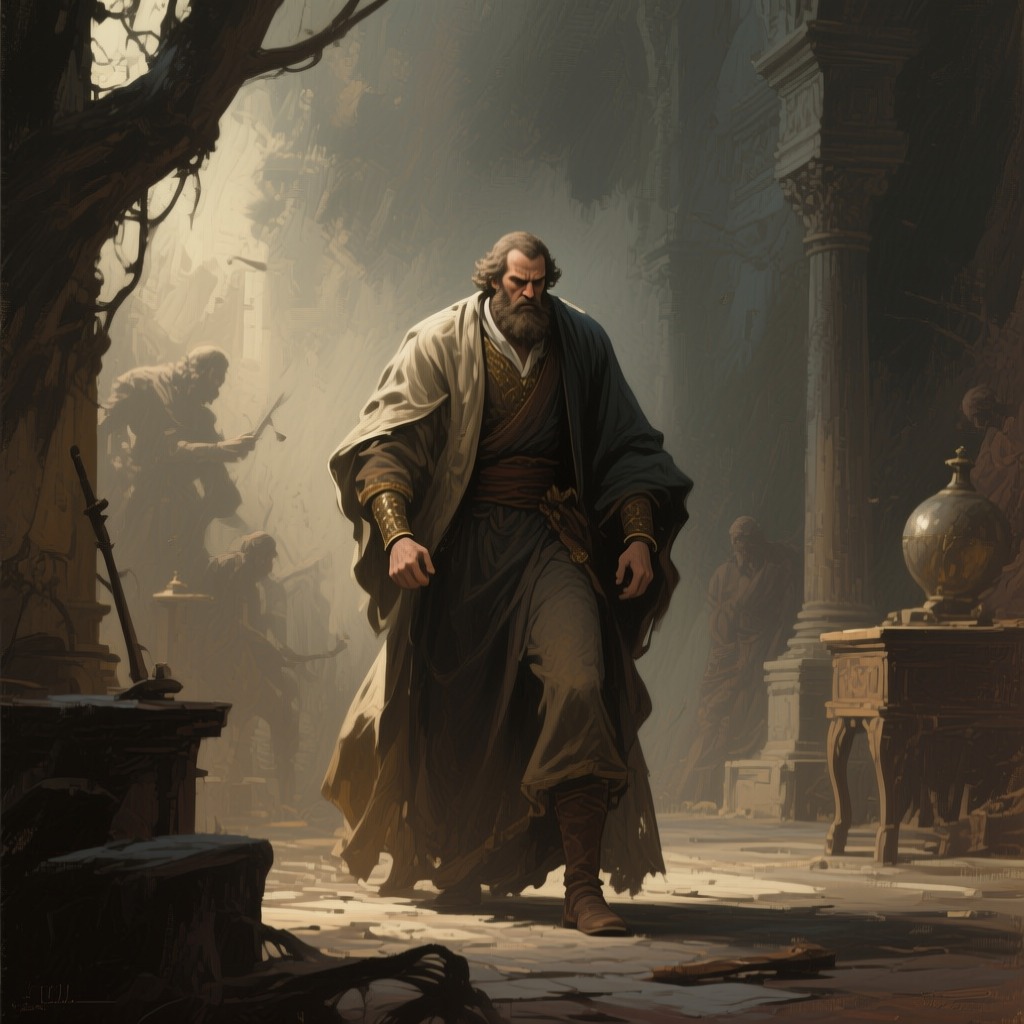
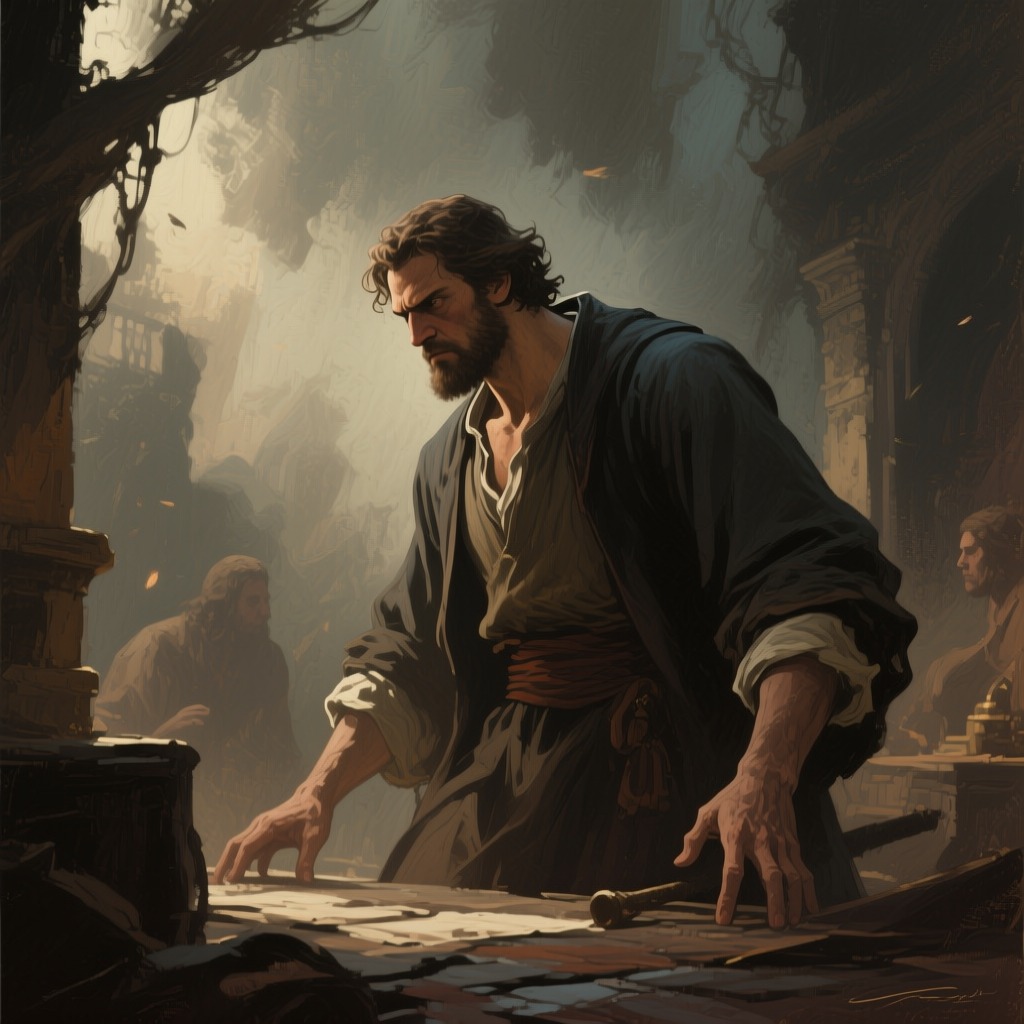
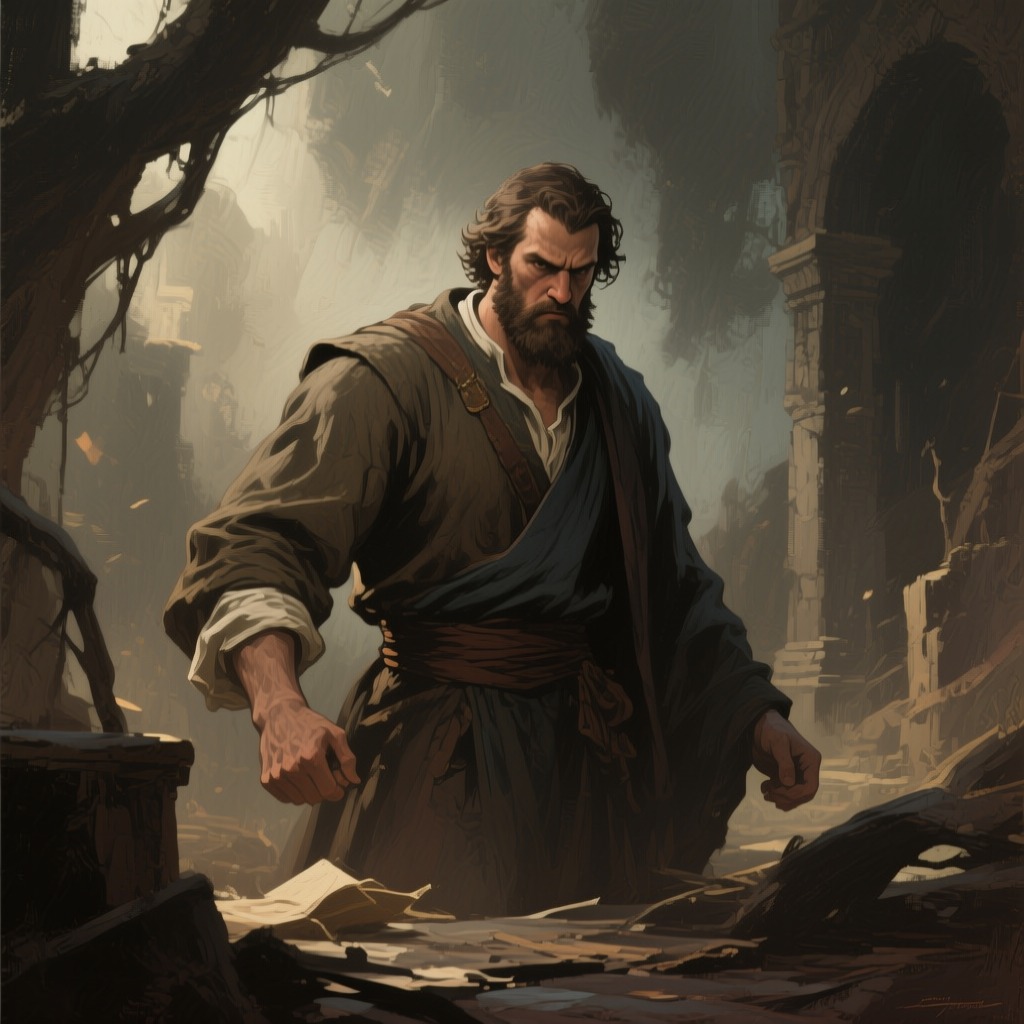
Hungry Joe is a throbbing, ragged mass of motile irritability, a jumpy, emaciated wretch with a fleshless face of dingy skin and bone. Twitching veins squirm subcutaneously in the blackened hollows behind his eyes like severed sections of snake, and his face is a desolate, cratered landscape, sooty with care like an abandoned mining town. He eats voraciously, gnaws incessantly at the tips of his fingers, and springs from spot to spot fanatically with an intricate black camera with which he is always trying to take pictures of naked girls—pictures that never come out because he is always forgetting to put film in the camera or turn on lights or remove the cover from the lens opening. Small noises enrage him: he hollers himself hoarse at Aarfy for the wet, sucking sounds he makes puffing on his pipe, at Orr for tinkering, at McWatt for the explosive snap he gives each card he turns over when he deals at blackjack or poker. The steady ticking of a watch in a quiet room crashes like torture against his unshielded brain. He insists that Huple, his fifteen-year-old tentmate, roll his wrist watch up in a pair of wool socks every night and keep it on the bottom of his foot locker on the other side of the room.
Life and Plot Trajectory
Hungry Joe has flown six complete combat tours of duty, making him the biggest hero the Air Force has, in Yossarian's estimation. He finished his first twenty-five missions during the week of the Salerno beachhead, when Yossarian was laid up in the hospital with a burst of clap. He packed his bags, wrote happy letters home, and began hounding Sergeant Towser humorously for the arrival of the orders rotating him back to the States. The next day Colonel Cathcart arrived, brimming with tough pride in his new outfit and celebrating his assumption of command by raising the number of missions required from twenty-five to thirty. Hungry Joe unpacked his bags and rewrote the happy letters home. He stopped hounding Sergeant Towser humorously and began hating him venomously, even though he knew Sergeant Towser had nothing to do with the arrival of Colonel Cathcart. This pattern repeats itself every time he finishes a tour: he gives a big party, breaks out bottles of bourbon, laughs, sings, and shuffles in a festival of inebriated ecstasy until he can no longer keep awake; as soon as Yossarian, Nately, and Dunbar put him to bed, he begins screaming in his sleep. In the morning he steps from his tent looking haggard, fearful, and guilt-ridden, an eaten shell of a human building rocking perilously on the brink of collapse. The nightmares appear with celestial punctuality every single night he spends in the squadron when he is not flying combat missions and is waiting once again for the orders sending him home that never come. Every time Colonel Cathcart increases the number of missions and returns Hungry Joe to combat duty, the nightmares stop and he settles down into a normal state of terror with a smile of relief. Yossarian reads Hungry Joe's shrunken face like a headline: it is good when Hungry Joe looks bad and terrible when Hungry Joe looks good.
Key Actions and Objectives
Hungry Joe's primary objective is to go home, but his every attempt to achieve it is thwarted by Colonel Cathcart's relentless escalation of the required mission count. He flies the courier ship once a week, removing him from the squadron for four nights, a remedy devised by Colonel Korn that successfully stops his nightmares during those absences. He is a photographer by trade—in civilian life he really was a photographer for Life magazine—and he uses his intricate black camera to try to take pictures of naked girls, shouting, "Me big man! Me big photographer from Life magazine! Big picture on heap big cover!" His response to women as sexual beings is one of frenzied worship and idolatry; he can never decide whether to furgle them or photograph them, for he has found it impossible to do both simultaneously. In fact, he is finding it almost impossible to do either, so scrambled are his powers of performance by the compulsive need for haste that invariably possesses him. The pictures never come out, and Hungry Joe never gets in.
Relationships and Conflict
Hungry Joe's most significant relationship is with Huple's cat. Late one night, he dreams that Huple's cat is sleeping on his face, suffocating him, and when he wakes up, Huple's cat is sleeping on his face. His agony is terrifying: he lets out a piercing, unearthly howl that splits the moonlit dark. Yossarian intervenes, carrying both Hungry Joe and the cat outside by the scruffs of their necks and declaring a fair fight—fists, fangs, and claws, but no guns. The cat turns chicken the moment Yossarian releases him and flees ignominiously. Hungry Joe is declared the winner, swaggers away happily with the proud smile of a champion, goes back to bed victorious, and dreams again that Huple's cat is sleeping on his face, suffocating him. He also has a fist fight with Huple's cat, and his screaming nightmares are so disturbing that impressionable men in the squadron like Dobbs and Captain Flume begin to have shrieking nightmares of their own. He is irate and inconsolable when Nurse Duckett decides to marry a doctor and will not take chances in the vicinity of the man who might someday be her husband.
Change and Ending
Hungry Joe dies in his sleep while having a dream. They find a cat on his face. Yossarian, upon hearing the news from the chaplain, begins to cry, hiding his tears in the crook of his shoulder. Hungry Joe's death is the final confirmation that the system has consumed everyone Yossarian has known: "They've got all my pals, haven't they? The only ones left are me and Hungry Joe." His end is a grotesque, fitting conclusion to a life defined by the absurd and inescapable logic of Catch-22.
Narrative Role and Evaluation
Hungry Joe functions as a living barometer of the squadron's collective psychological state. His inverted set of responses—nightmares when safe, relief when in danger—makes explicit the insane logic of the war, where the only peace is found in the certainty of combat. He is a tragicomic figure, a hero who has flown more missions than anyone yet is reduced to a quivering wreck by the very system that celebrates him. His death, caused by a cat on his face during a nightmare, is the novel's final, brutal joke: even in sleep, he cannot escape the terror that defines his existence.