Rome
Rome is the ancient capital of Italy and the primary destination for rest leaves and black-market operations for the men of Colonel Cathcart's bomb group. For Yossarian and his comrades, the city is a place of desperate pleasure, a fragile sanctuary from the war, and ultimately, a stage for the novel's most harrowing demonstrations of institutionalized hypocrisy and arbitrary violence. It is a city of ruins—both ancient and freshly made—where the promise of escape collides with the inescapable reach of Catch-22.
Rest Leaves and the Pursuit of Pleasure
Rome is the destination for the rest leaves that punctuate the men's combat tours. Major — de Coverley, the squadron's executive officer, rents two large apartments in the city for the officers and enlisted men to use, establishing a base for their off-duty activities. The officers' apartment is a new white stone building, while the enlisted men's place is a red brick building on a sixth floor, a site of constant activity where Yossarian brings young girls who trade sex for shelter and food. It is in this apartment that Nately first sees his whore, sitting naked from the waist down in a room full of grumpy blackjack players, and falls in love. The city is also the setting for Yossarian's brief, intense affair with Luciana, a tall, earthy Italian girl he meets in an Allied officers' night club. Their relationship is a whirlwind of dinner, sex, and a paradoxical refusal to marry, ending when Yossarian, acting like a big shot, tears up the slip of paper with her address. Rome, for a time, offers the illusion of a normal, hedonistic life, a place where men can drink, gamble, and pursue women, pretending the war is far away.
The Brothel and the Old Man's Philosophy
The heart of the enlisted men's social life is the vast, sprawling brothel run by a lecherous old man and a clucking old woman. This place is a fertile cornucopia of female flesh, where Nately's whore and her kid sister live alongside a rotating cast of prostitutes. It is here that Nately engages in his long, frustrating debates with the cynical, 107-year-old old man, who argues that Italy's true strength lies in losing wars and that patriotism is a foolish delusion. The old man's philosophy—that he was a fascist under Mussolini and an anti-fascist under the Americans—represents a survivalist amorality that both horrifies and fascinates Nately. This brothel is also the site of Orr's bizarre, unexplained encounter with a girl who beats him over the head with her shoe, a secret Yossarian never fully uncovers. The apartment is a world unto itself, a chaotic, amoral space where the rules of the outside world, including the war, seem suspended.
The Nightmare of the Eternal City
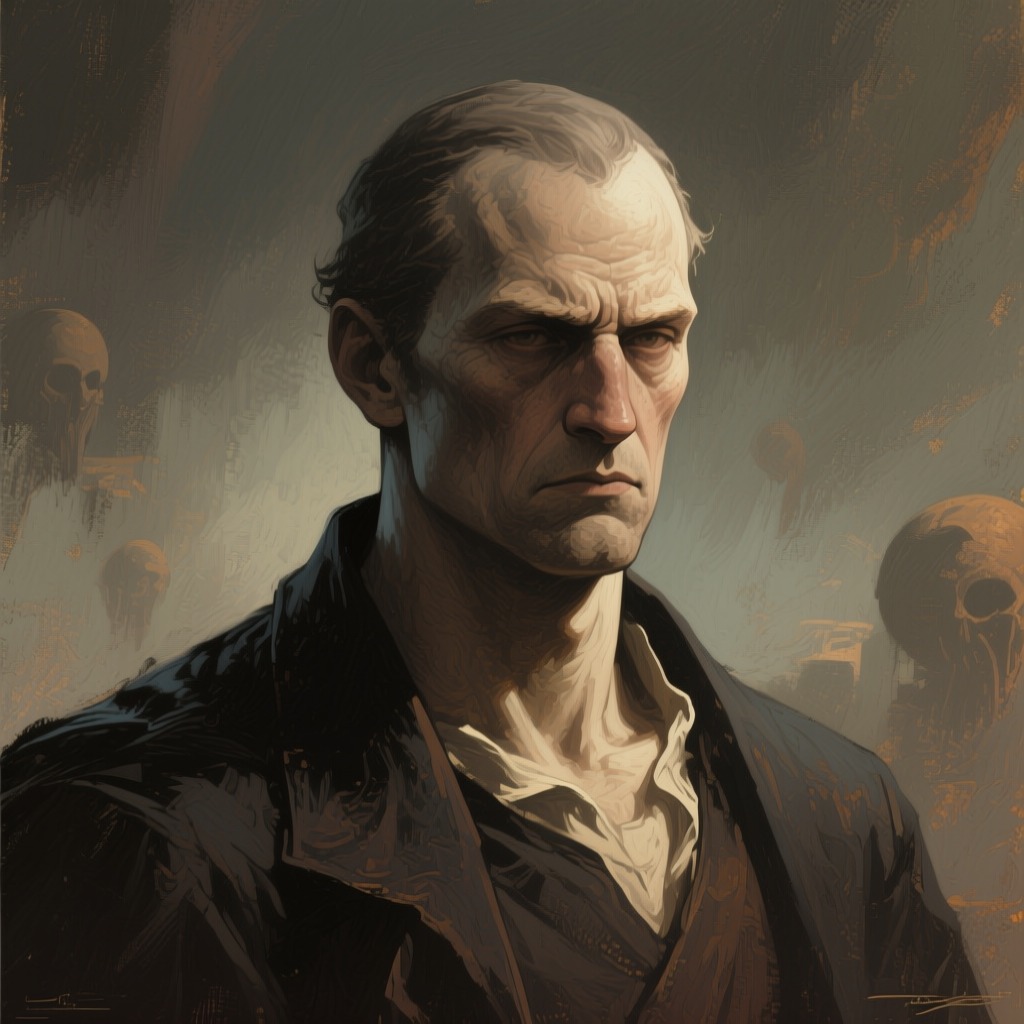
Rome's character shifts dramatically in the novel's penultimate chapter, "The Eternal City." After Nately's death, Yossarian returns to find the brothel has been destroyed. The old woman tells him the military police, with their hard white hats and clubs, chased all the girls out into the street. When she asks by what right, they answered, "Catch-22." Yossarian then walks through a nightmarish, surreal Rome, a city in ruins where he witnesses a series of grotesque, random acts of violence: a man beating a dog, a man beating a small boy, a drunken soldier assaulting a woman, and a civilian being arrested by a mob of policemen. The city becomes a landscape of pure, meaningless suffering, a physical manifestation of the chaos and cruelty that the war and its bureaucratic logic have unleashed. It is in this Rome that Aarfy rapes and murders the simple-minded maid Michaela, throwing her body out the window, and is then completely unpunished, while Yossarian is arrested by the M.P.s for being in the city without a pass. The Eternal City, a symbol of civilization and law, is revealed to be a place where the law is a tool of the powerful and where the innocent are abandoned.