Sergeant Towser
Sergeant Towser is the lean, angular, and perpetually overburdened administrative backbone of the 256th Squadron, a man who runs the unit's daily operations with grim efficiency while being haunted by the bureaucratic ghosts of dead men who never officially existed. He is the reluctant gatekeeper to the reclusive Major Major, the keeper of the squadron's records, and the first to confront the absurd, paper-logged reality of a war where a man can be killed before he is ever processed into the system. Towser's quiet competence is matched only by his quiet despair, as he finds himself trapped in a labyrinth of Catch-22 logic, where his duty to maintain order forces him to perpetuate the very chaos that drives men like Yossarian to the brink.
Identity and Role
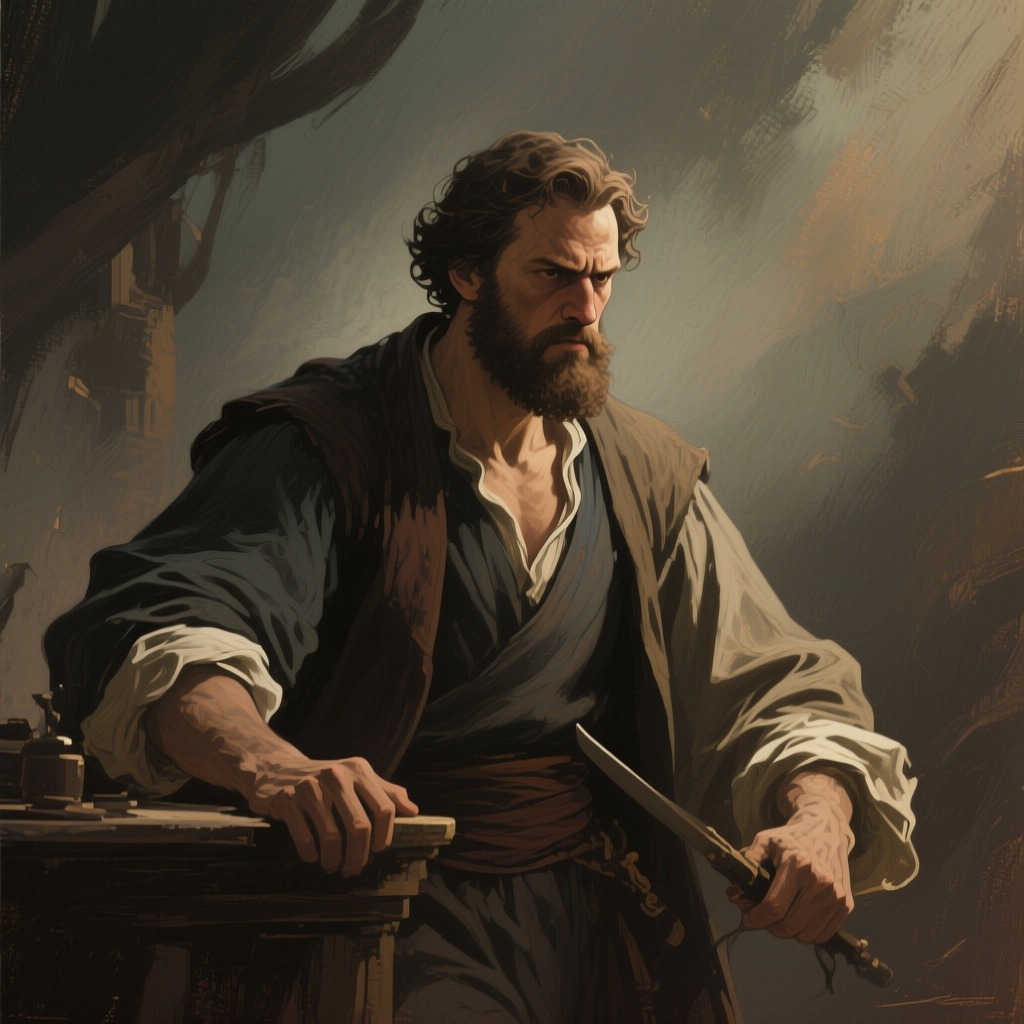
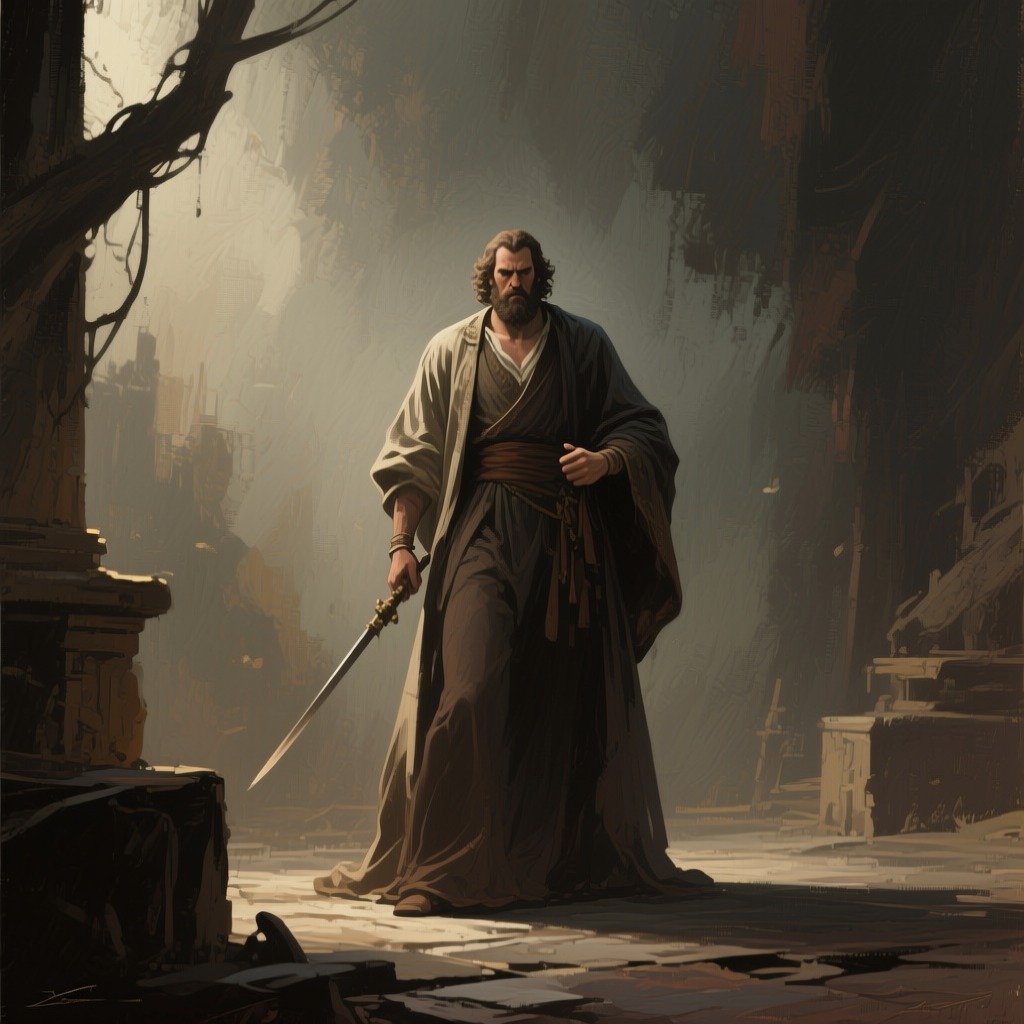
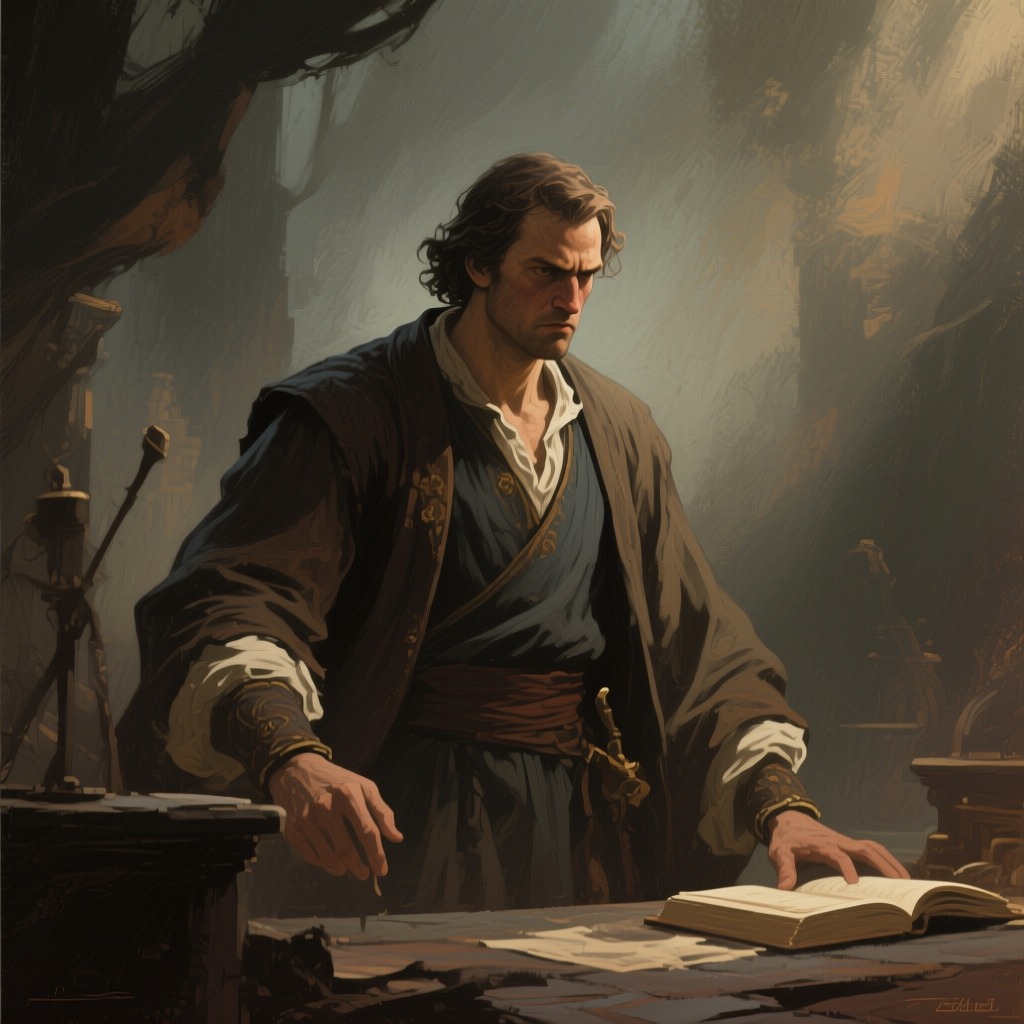
Sergeant Towser is described as lean and angular, with fine blond hair so light it is almost without color, sunken cheeks, and teeth like large white marshmallows. He runs the squadron because there is no one else in the squadron to run it, a position he holds without any interest in war or advancement; his personal passions lie in shards and Hepplewhite furniture. His domain is the orderly room, where he fields the constant, solemn inquiries from men who have finished their missions and are waiting for orders sending them home, men who move sideways like crabs and worry and bite their nails. He is the first point of contact for new arrivals, like Appleby, whom he informs with deadpan precision that Major Major never sees anyone in his office while he is in his office, a statement that leaves the new pilot crimson with humiliation.
The Gatekeeper and the Recluse
Towser is the primary executor of Major Major's elaborate system of self-imposed isolation. When Major Major, after being beaten by the men on the basketball court, orders that no one be allowed to see him while he is in his office, it is Towser who must implement the absurd protocol: tell visitors the major is in and ask them to wait until he has left. He is the one who must explain to Appleby that the squadron commander can be seen only after he has gone out to lunch, and that he will not be back until after lunch, a circular logic that perfectly prefigures the novel's central paradox. Towser is also the one who, without consulting Major Major, has the new commander's belongings moved into the trailer of the deceased Major Duluth, setting in motion the chain of events that isolates the new major from his men.
The Custodian of the Dead
Towser's most persistent and troubling administrative burden is the dead man in Yossarian's tent, a replacement pilot named Mudd who was killed in combat before he officially reported for duty. Because Mudd stopped at the operations tent to ask directions and was sent directly into action, he never officially got into the squadron and therefore can never officially be gotten out. Towser senses that the multiplying communications relating to the poor man will continue reverberating forever. He has fallen into the habit of thinking of the dead man in Yossarian's tent in Yossarian's own terms, as a dead man in Yossarian's tent, a concession to the surreal that does nothing to solve the paperwork. When Doc Daneeka is later declared dead after McWatt's crash, Towser is the one who must strike his name from the roster and break the news to Gus and Wes, only to find himself with two dead men on his hands: Mudd, who was never there, and Doc Daneeka, who most certainly is.
The Burden of Knowledge
Towser is the silent witness to the squadron's accumulating absurdities. He knows that Hungry Joe glowers at him with blameful hatred, and that Appleby subjects him to vindictive discourtesy. He is the one who must inform Yossarian that the new officers will have to be admitted to his tent, despite Yossarian's protest that he is living with a dead man. He is also the one who, when the chaplain comes seeking Major Major, must explain the major's impossible orders with a low, courteous, melancholy voice, revealing that he himself is not allowed to see the major either. His role is to be the conduit of bad news and impossible instructions, the man who makes the system work even as he understands its fundamental brokenness. He is, in the end, the first to know that Doc Daneeka is dead, and the first to know that Doc Daneeka is still alive, a contradiction he must manage with the same weary competence he brings to everything else.