Orr's stove
Orr's stove is one of the most distinctive and symbolically charged objects in the world of Catch-22, a testament to its builder's peculiar genius and a quiet anchor of domesticity in the chaos of war. Constructed from an inverted metal drum and fueled by gasoline, the stove is not merely a source of heat but a complex, handcrafted system designed to provide comfort and self-sufficiency. It embodies Orr's patient, methodical nature and his deep, if eccentric, care for his roommate, Yossarian, standing in stark contrast to the absurdity and violence of the military bureaucracy that surrounds them.
Construction and Design
Orr builds the stove from scratch, demonstrating a remarkable range of practical skills. He constructs a smooth cement floor for the tent to house it, and the stove itself is an inverted metal drum with a sophisticated feed control valve that Orr painstakingly assembles from thirty-seven separate parts. The stove is designed to burn all night, with metal plates to radiate heat throughout the tent. Orr's plan includes a feature that would allow Yossarian to have warm water for washing in the morning simply by leaving a helmet full of water on the stove overnight. It is also intended for cooking, capable of boiling eggs or soup. The stove is connected to an external gasoline tank via a line that Orr has chiseled into the cement floor to be flush with the surface, a detail that speaks to his meticulousness. He also builds andirons for the fireplace out of excess bomb parts and fills them with silver logs, further enhancing the tent's comfort.
Orr's Tinkering and Yossarian's Reaction
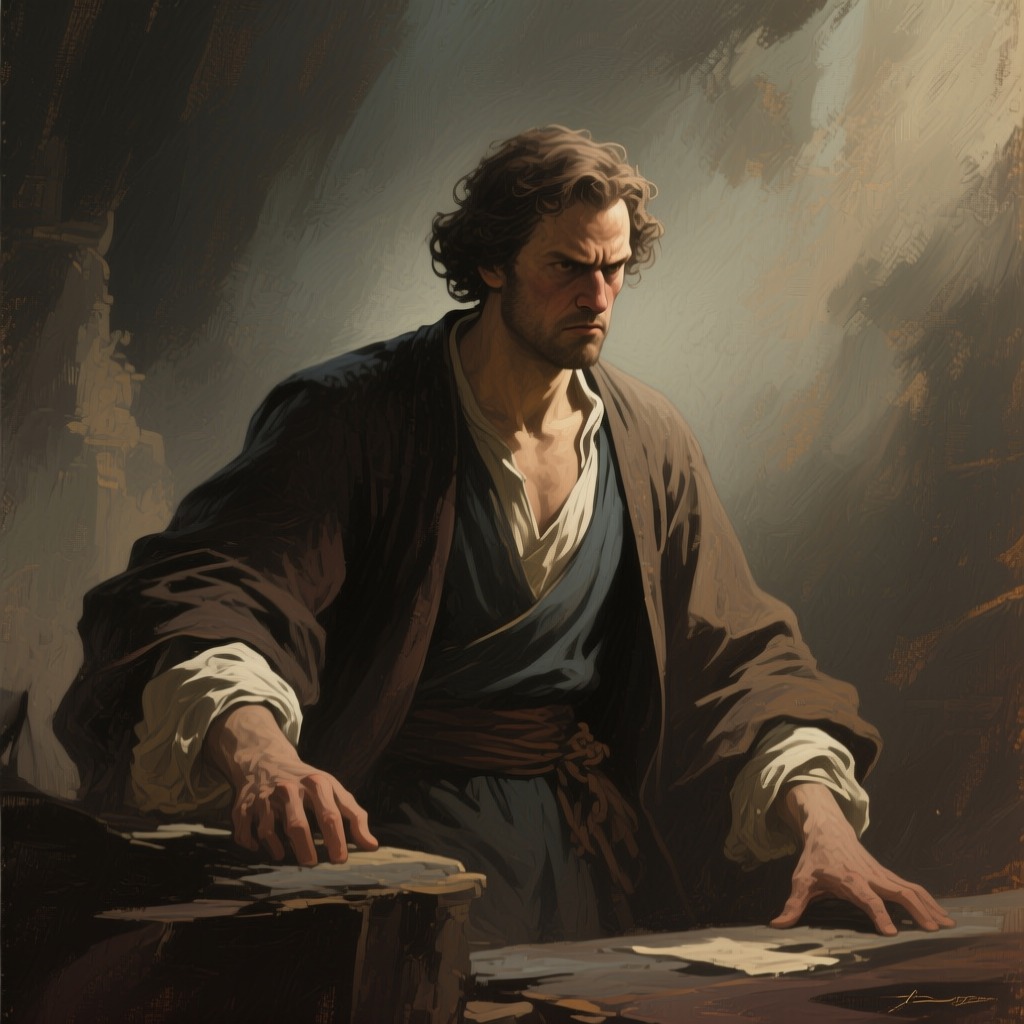
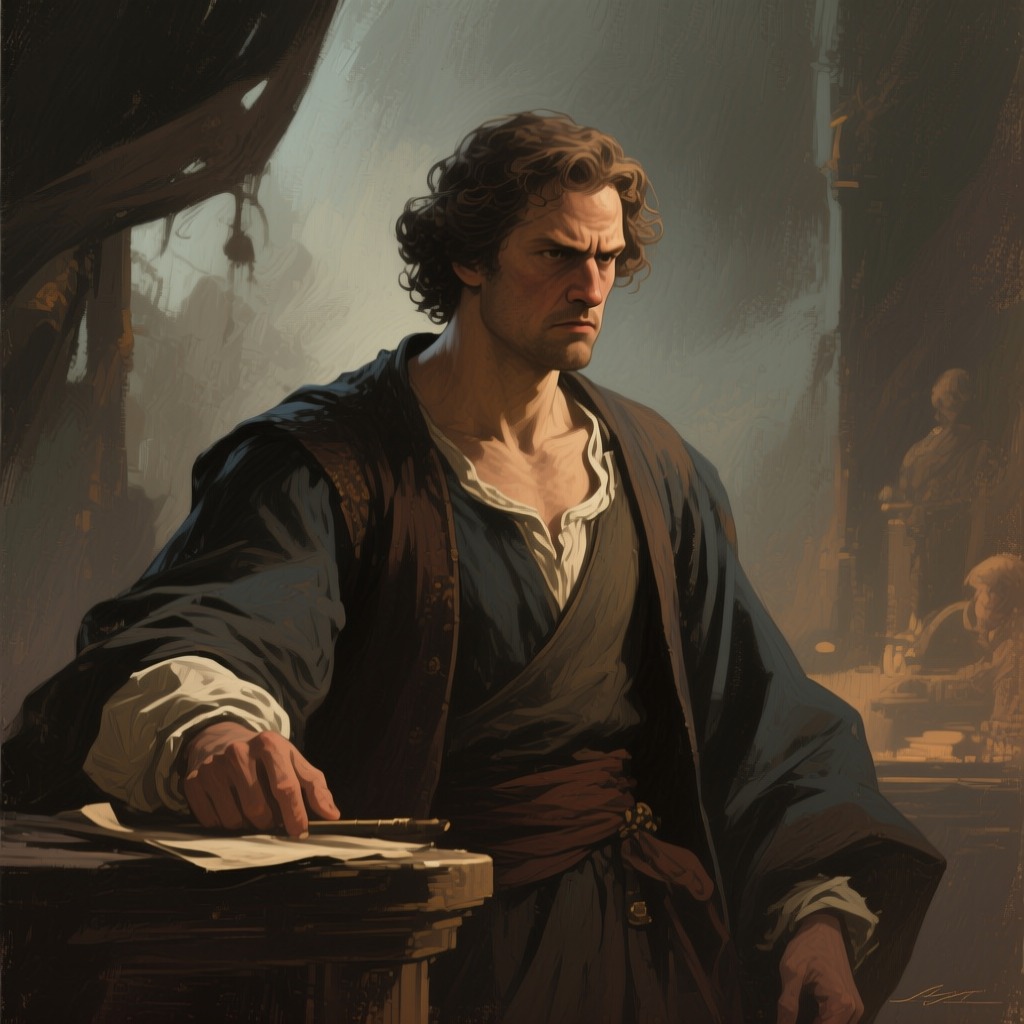
Orr's relationship with the stove is one of constant, almost ritualistic tinkering. He is frequently seen taking the valve apart and reassembling it, a process that drives Yossarian to the brink of madness. Yossarian finds the sight of Orr working over the tiny, seemingly insignificant parts unbearable, especially when he is already under immense stress. He threatens Orr with violence, claiming he will murder him if he does not stop. Orr, however, is undeterred, explaining that he is trying to fix a leak in the gasoline line, reducing it to an ooze. This obsessive tinkering is part of Orr's inscrutable nature, a practice that Yossarian interprets as a form of happy imbecility, failing to grasp its deeper purpose. Orr's cryptic comments about the stove, such as wanting to get it finished for Yossarian "while there's still time," take on a prophetic quality only after his disappearance.
Symbolic Significance and Thematic Resonance
The stove represents Orr's quiet, practical rebellion against the chaos of war. While others seek escape through madness or deals, Orr builds. His creation is a sanctuary of order and comfort, a small, tangible assertion of control over his environment. The stove's eventual fate is deeply ironic and poignant. After Orr is lost at sea, Yossarian's new, cheerful roommates, who are oblivious to the stove's significance, immediately set a roaring fire in it, burning Orr's beautiful birch logs. This act of casual destruction marks the final erasure of Orr's presence and the end of the carefully constructed domestic world he had built. The stove, once a symbol of Orr's protective ingenuity, becomes a monument to his absence, its warmth now a source of pain for Yossarian rather than comfort.
Connection to Orr's Escape
In retrospect, the stove and Orr's tinkering with it become part of a larger pattern of preparation for his eventual escape to Sweden. His ability to fix a valve, build a fire, and create a self-sufficient system mirrors the skills he uses to survive in his yellow raft, where he catches codfish, makes tea, and navigates with a compass. The stove is a microcosm of Orr's resourcefulness and his ability to create order and comfort in any environment, skills that ultimately allow him to row to freedom. Yossarian's failure to understand the stove's significance parallels his failure to understand Orr's larger plan, a failure he bitterly regrets when he learns of Orr's successful escape.