
The Role of the Narrator
No Longer HumanExamines the framing device of the three notebooks and the epilogue, and how the external narrator's perspective reinterprets Yozo's life.
increasing Bearing strength in each event
 decreasing
Bearing strength in each eventdecreasingThe Prologue
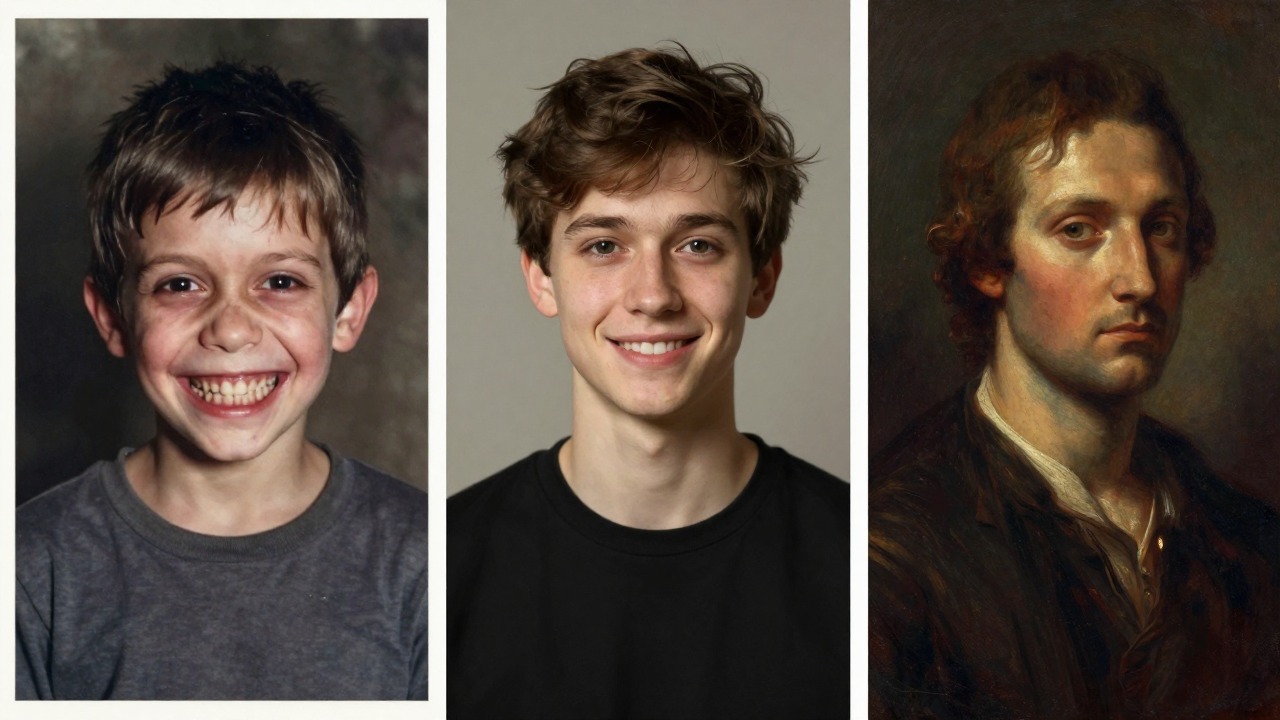
The Three Photographs
The First Picture
A childhood photograph shows a boy with a monkey-like grin, ugly and unsettling. The narrator feels horror.
The Second Picture
A handsome young man, but the smile is artificial, like a blank sheet of paper. The narrator finds it baffling.
The Third Picture
A grey-haired man with no expression, a death mask. The narrator feels a repulsive discomfort. This is the man who wrote the notebooks.
The Epilogue
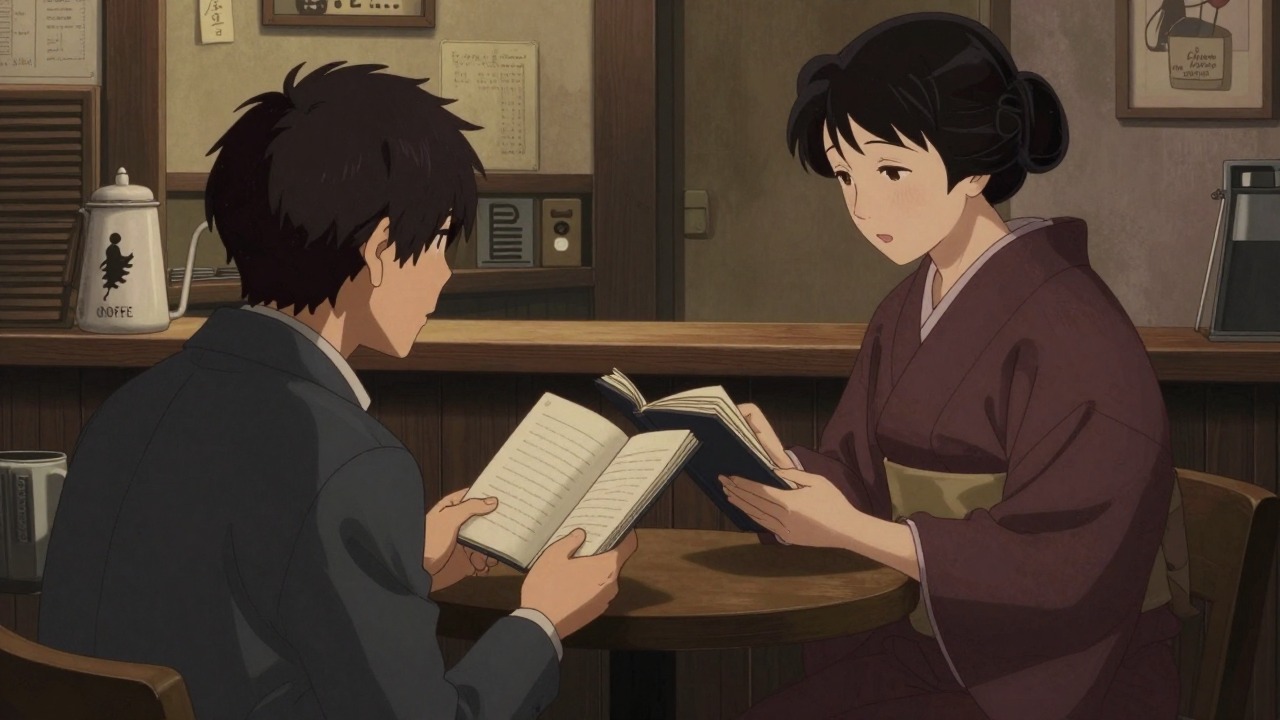
The Meeting with the Madam
The Coffee Shop
A friend of Yozo's (the narrator) visits a coffee shop in Funabashi and meets the madam of the Kyobashi bar. She gives him the notebooks.
The Reading
The narrator reads the notebooks and is fascinated. He decides to publish them as they are, without improvement.
The Final Judgment
The madam says, "He was a good boy, an angel." The narrator realizes that Yozo's self-portrait was incomplete.
The Unreliable Narrator
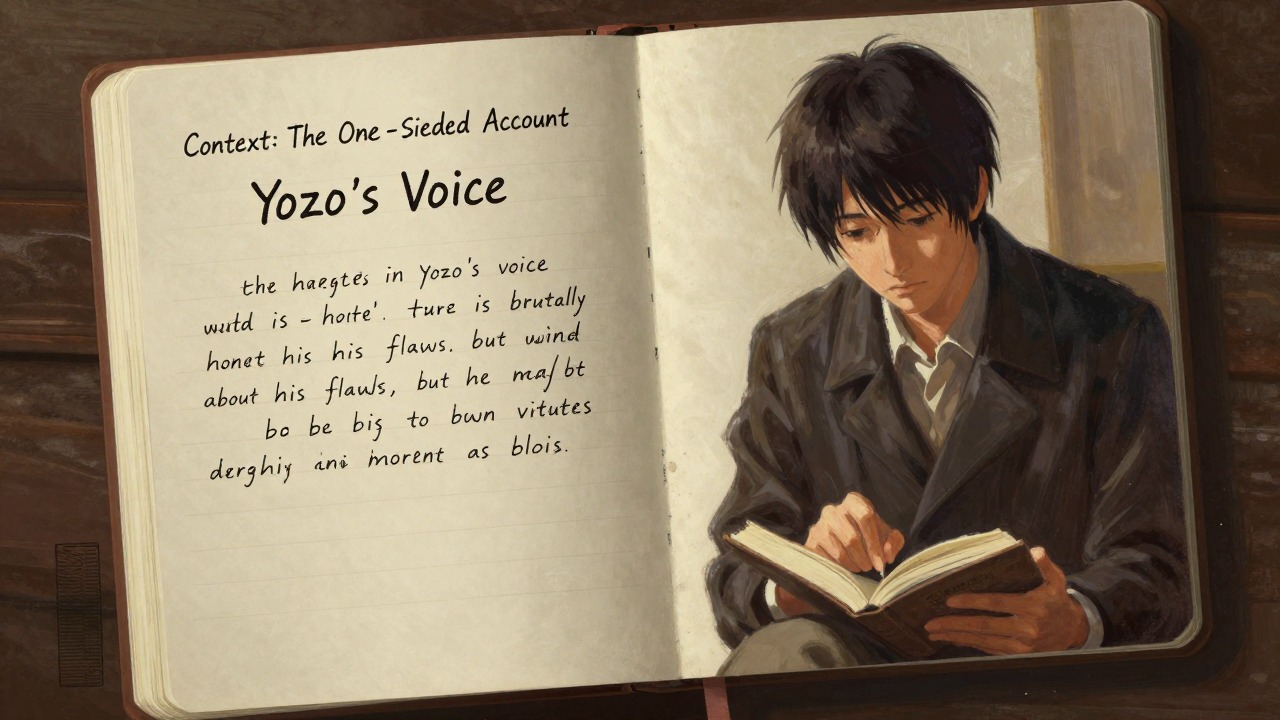
The One-Sided Account
Yozo's Voice
The notebooks are written in Yozo's voice. He is brutally honest about his flaws, but he may be blind to his own virtues.
The Narrator's Clues
The narrator, in the epilogue, provides a different perspective. The madam's testimony contradicts Yozo's self-loathing.
The Incomplete Picture
We are left with a mystery: was Yozo a monster or an angel? The novel refuses to give a simple answer.
before the notebooks, the narrator's present
ten years after the events, in Funabashi
throughout the notebooks
