StoryFlow
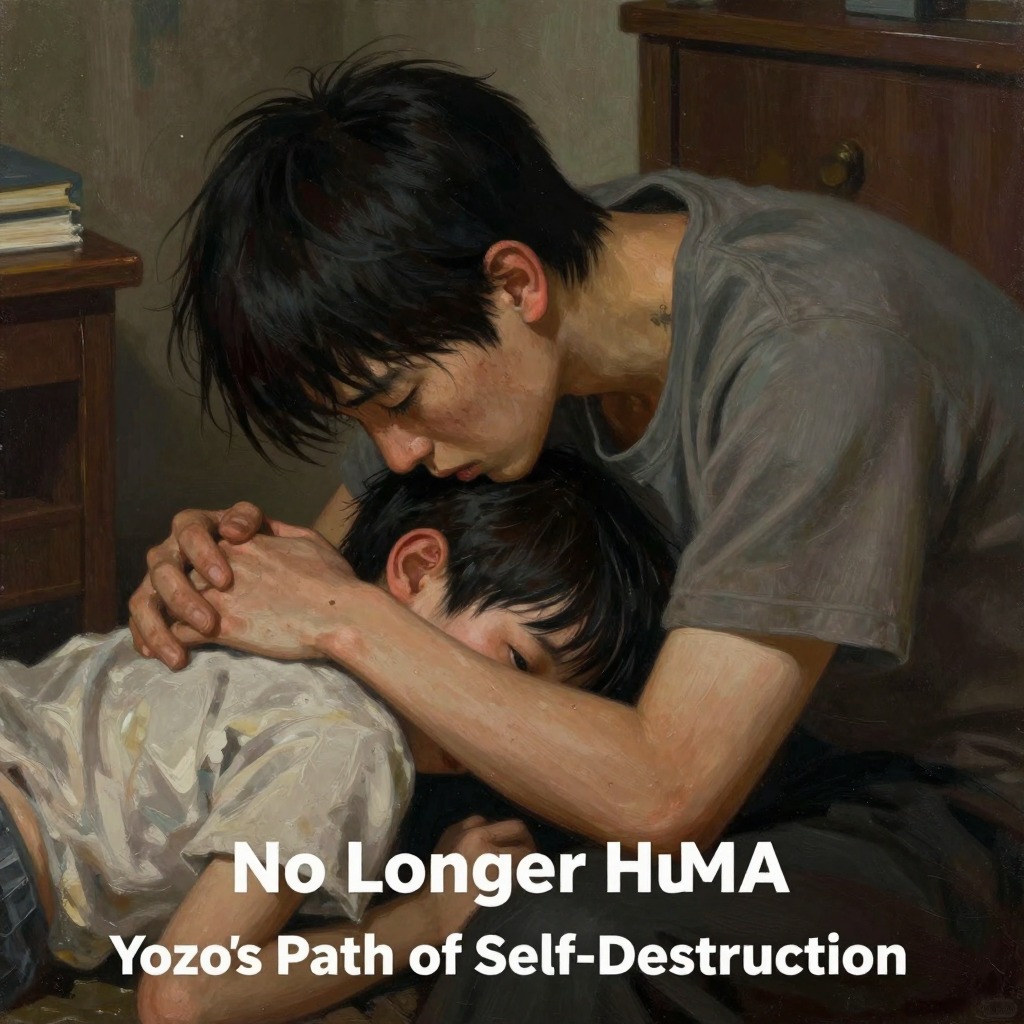
Yozo's Path of Self-Destruction
Traces Yozo's relentless descent from childhood fear to addiction and institutionalization, marking his gradual loss of the ability to live as a human being.
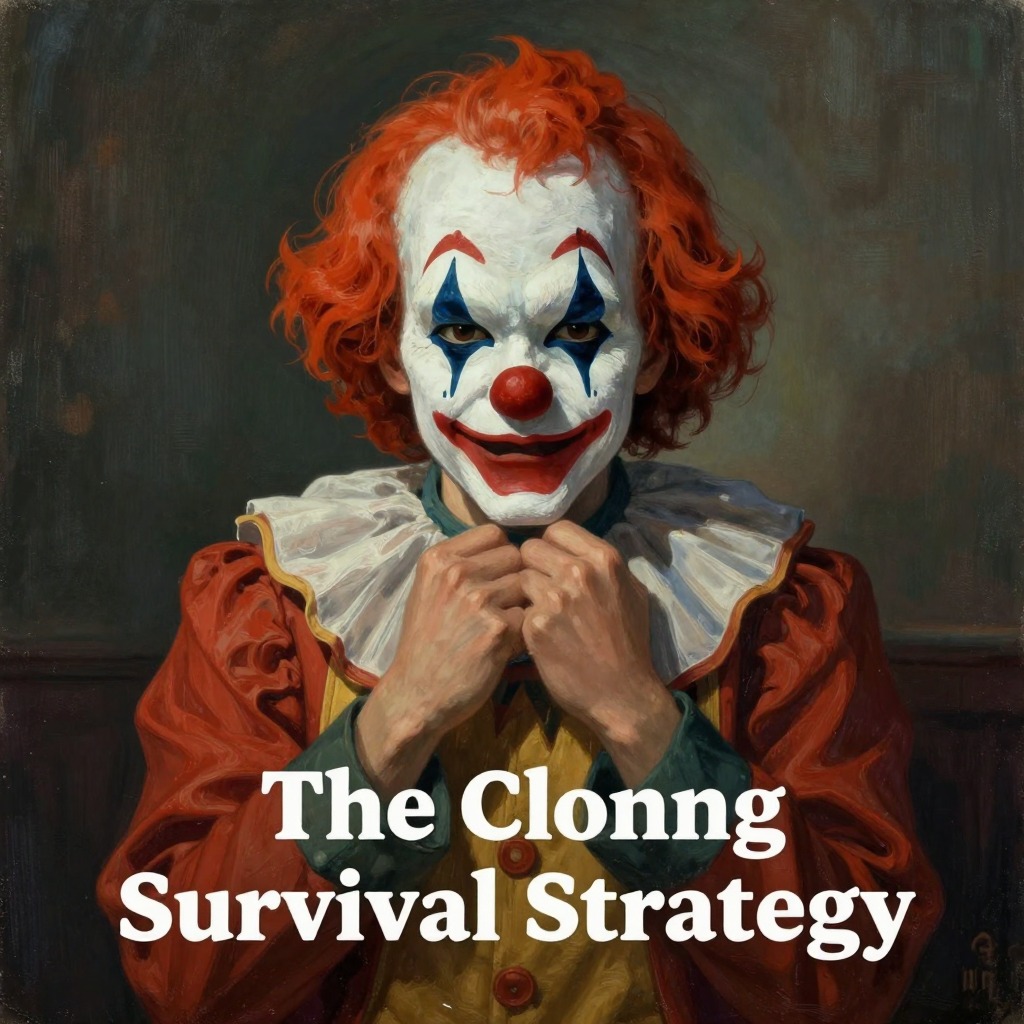
The Clowning Survival Strategy
Explores how Yozo's lifelong clowning began as a shield against human fear and evolved into a trap that prevented genuine connection.
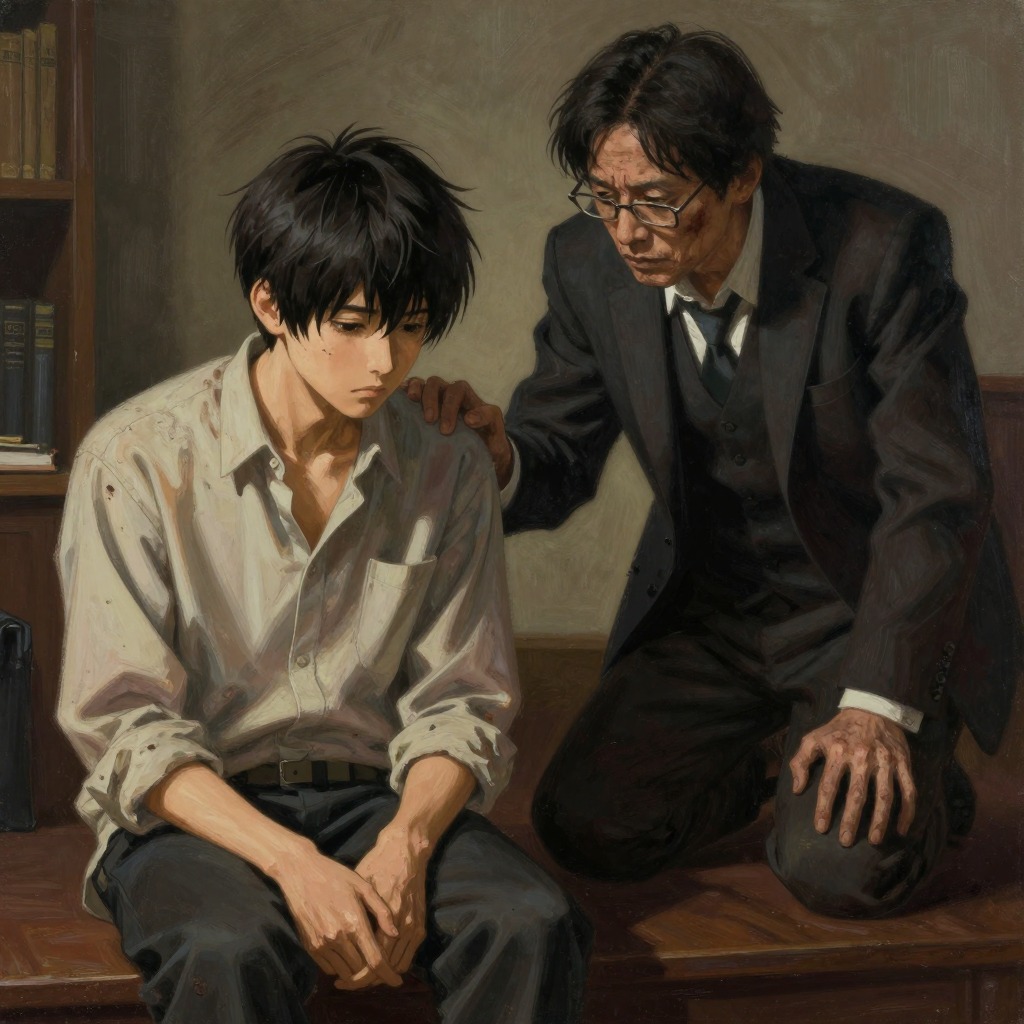
Father-Son Dynamic
Examines Yozo's relationship with his father, a figure of authority and fear, whose expectations and death shaped Yozo's sense of self.
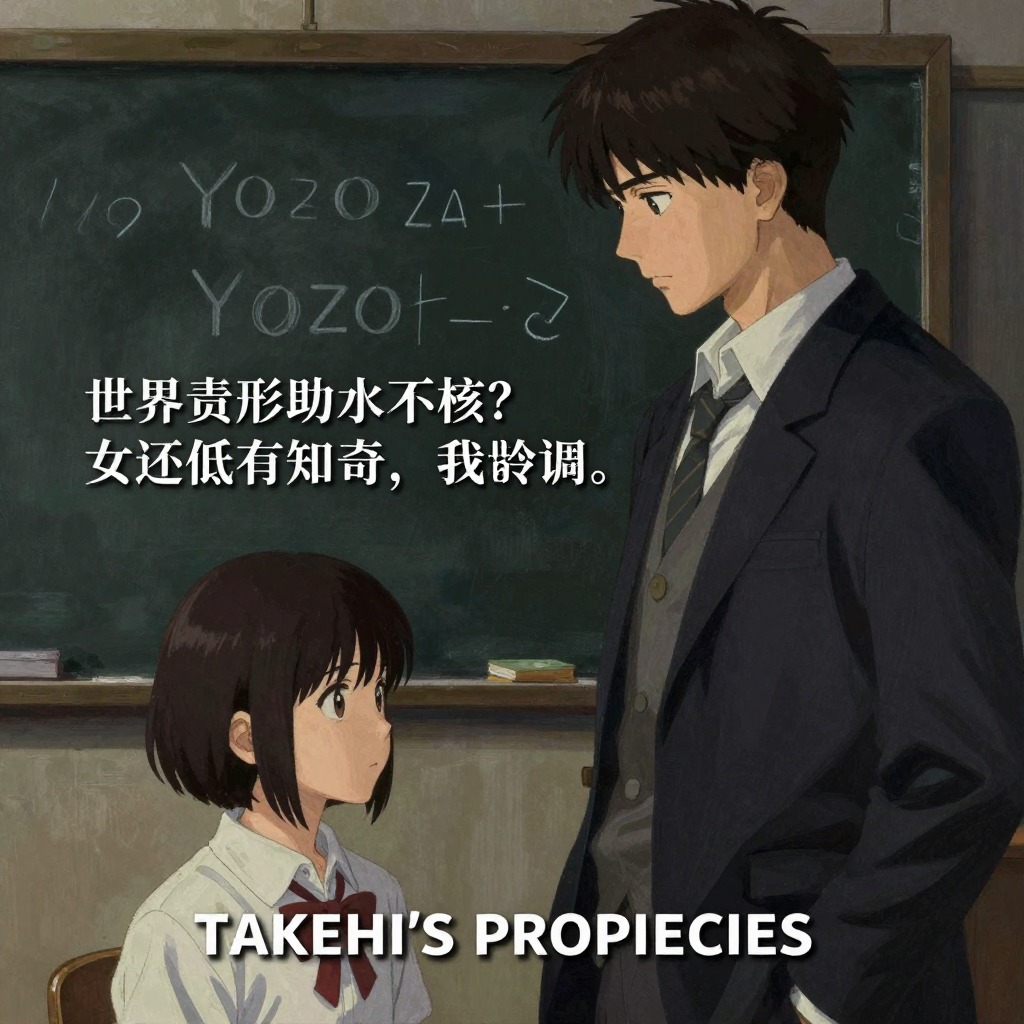
Takeichi's Prophecies
Follows the two prophecies made by Takeichi in high school—that Yozo would be a great painter and that women would fall for him—and how they shaped Yozo's fate.
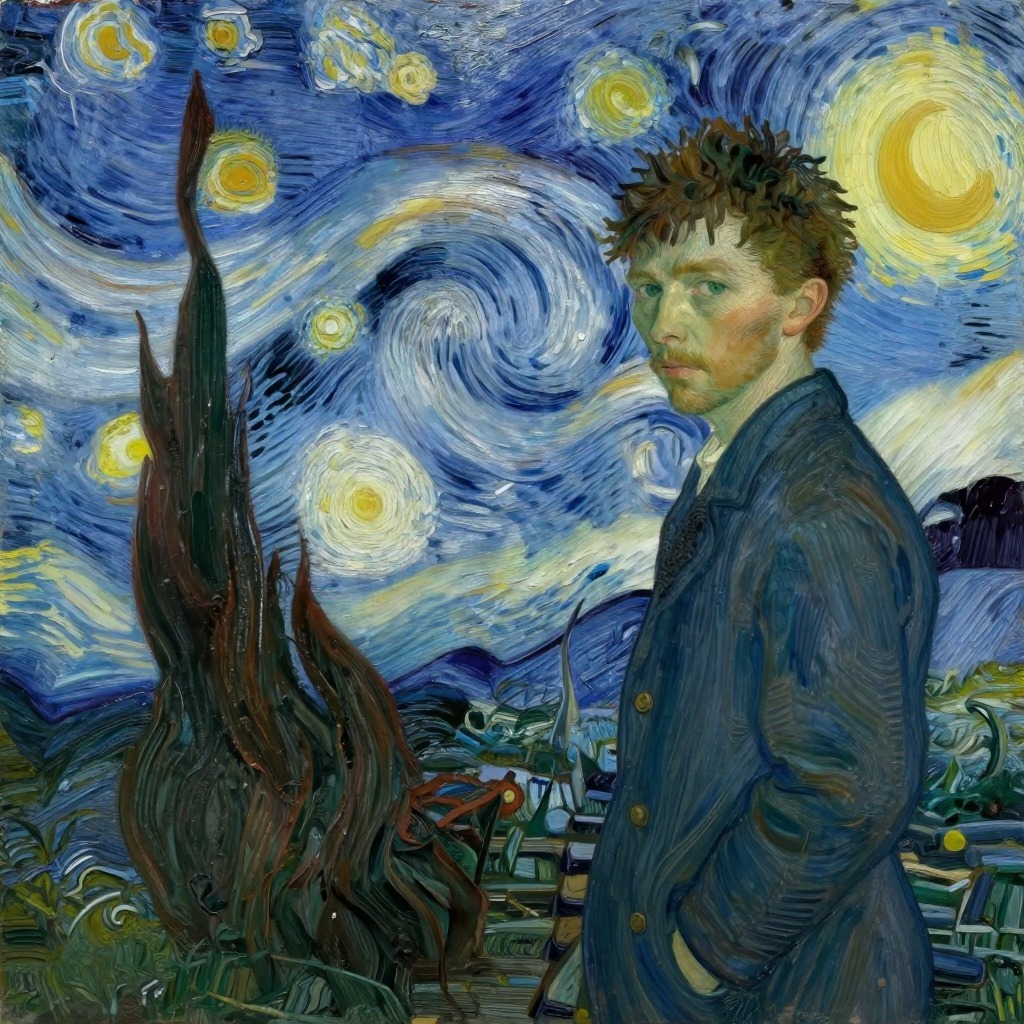
The Art of the Ghost
Traces Yozo's development as a painter, from his early discovery of van Gogh's 'ghost pictures' to his eventual abandonment of authentic art.
The Lovers: Tsuneko
Details Yozo's first and only love affair with Tsuneko, their suicide pact, and the lasting impact of her death.
Yoshiko's Trust and Violation
Traces Yozo's marriage to Yoshiko, the hope it brought, and the devastating effect of her violation on both of them.
The Horiki Friendship
Examines the toxic friendship between Yozo and Masao Horiki, a relationship of mutual contempt and dependency that accelerates Yozo's downfall.
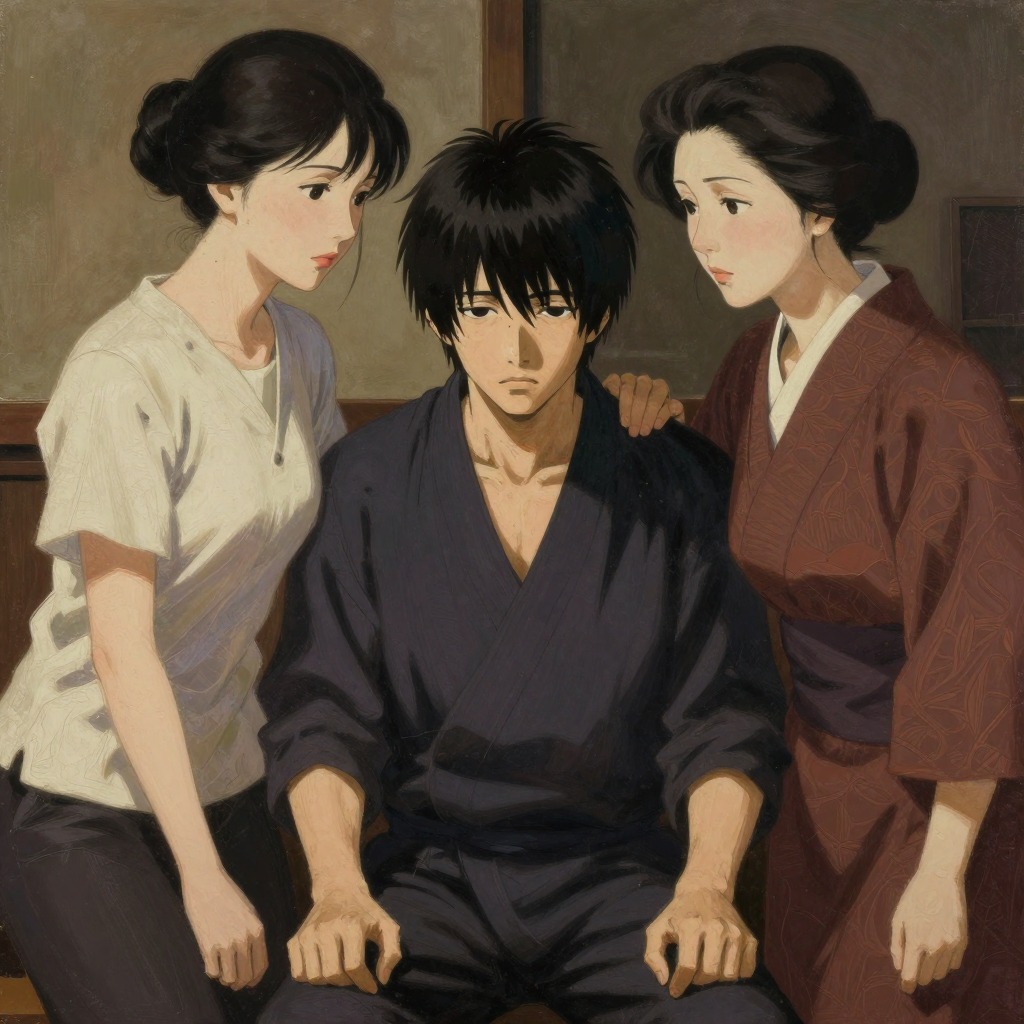
The Dependency on Women
Traces Yozo's pattern of being 'kept' by women—from prostitutes to Shizuko to the madam—and how this dependency deepened his shame.
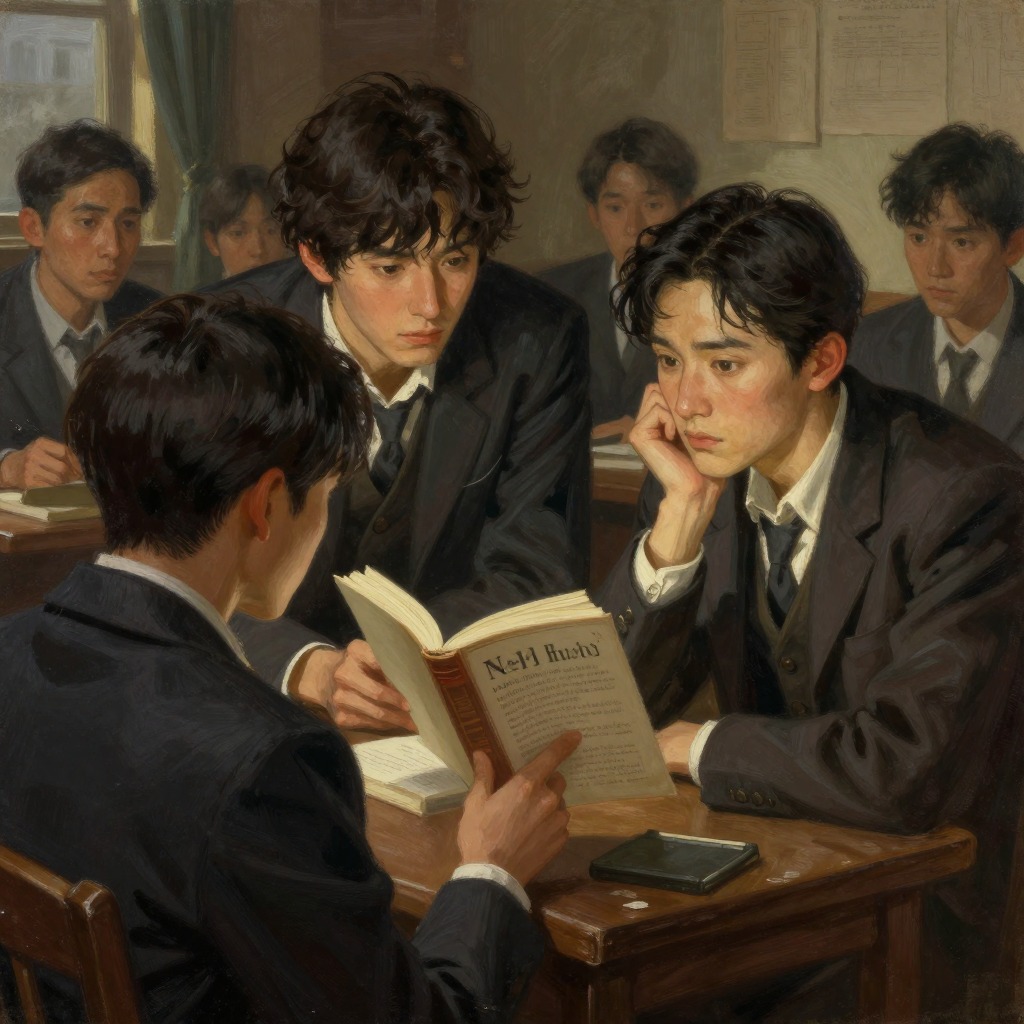
The Left-Wing Movement
Explores Yozo's involvement with the Communist Reading Society, his role as a liaison, and his eventual disillusionment.
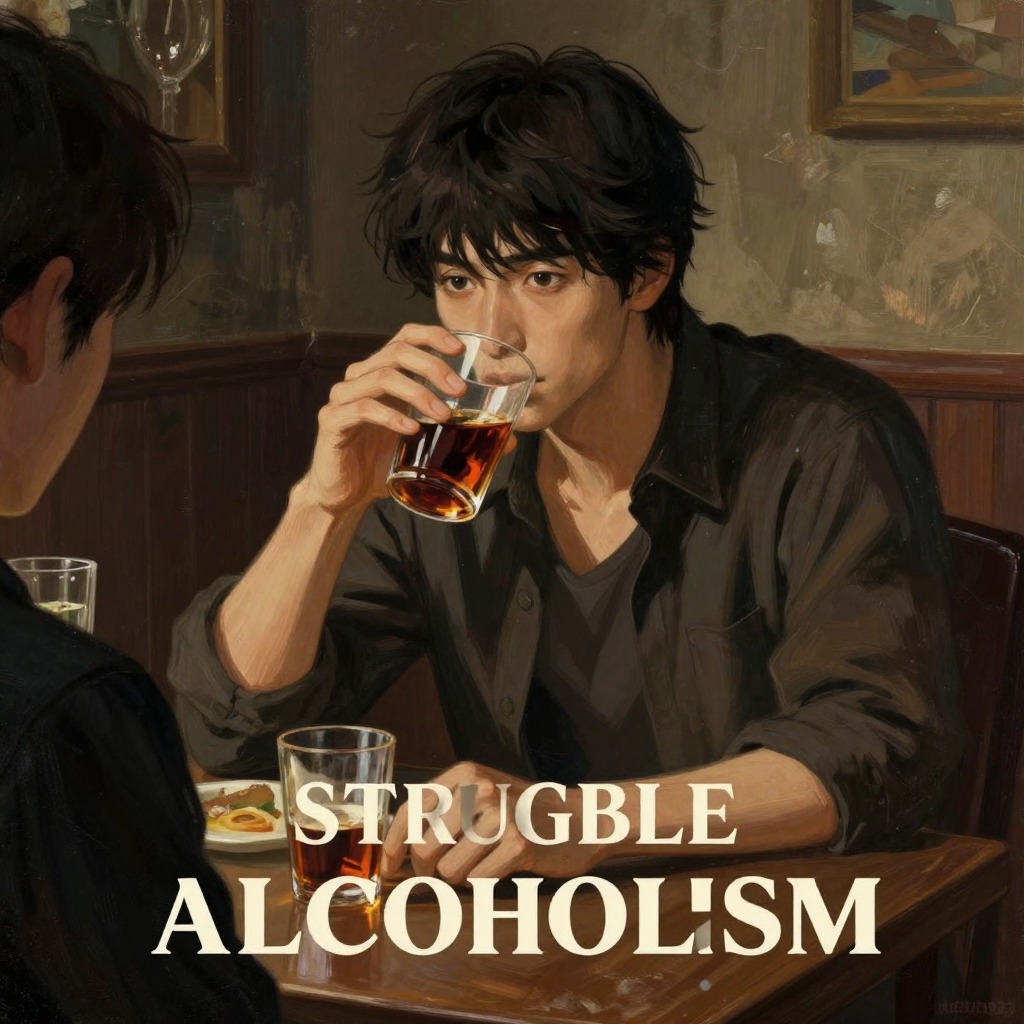
The Struggle with Alcoholism
Chronicles Yozo's progressive alcohol addiction, from social drinking to destructive dependence, and its role in his decline.
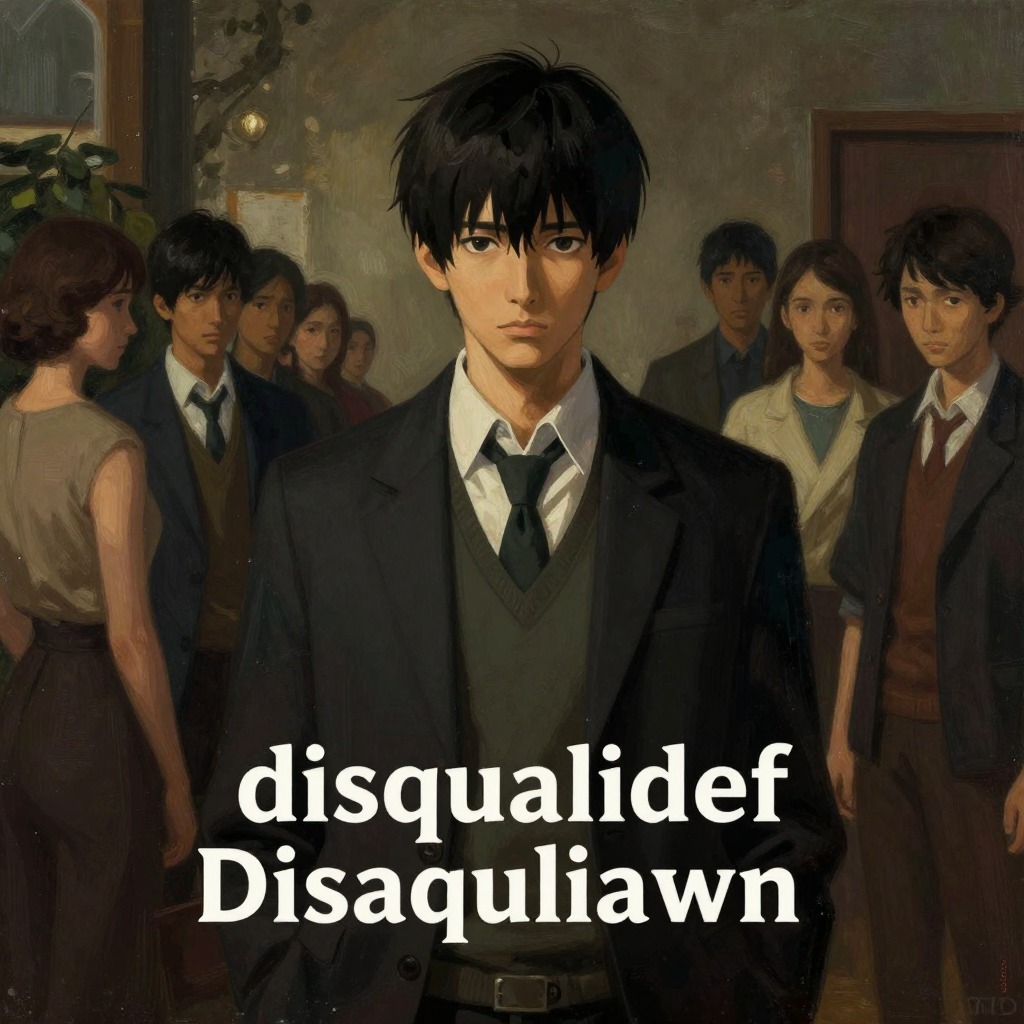
The Theme of Disqualification
Tracks the recurring motif of being 'disqualified as a human being' through Yozo's self-perception and society's judgment.
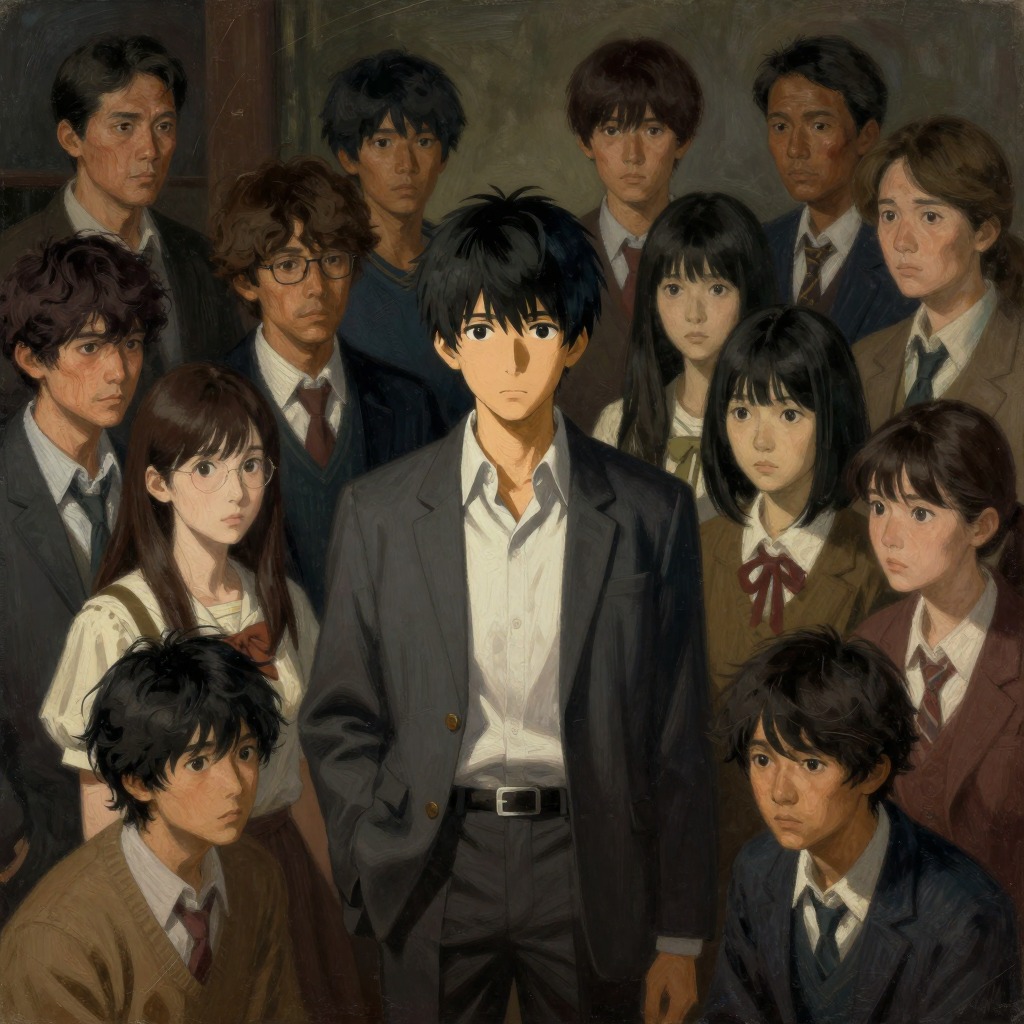
The Transformation of Society
Shows how Yozo's understanding of 'society' evolves from a terrifying abstraction to a collection of individuals, influencing his behavior.
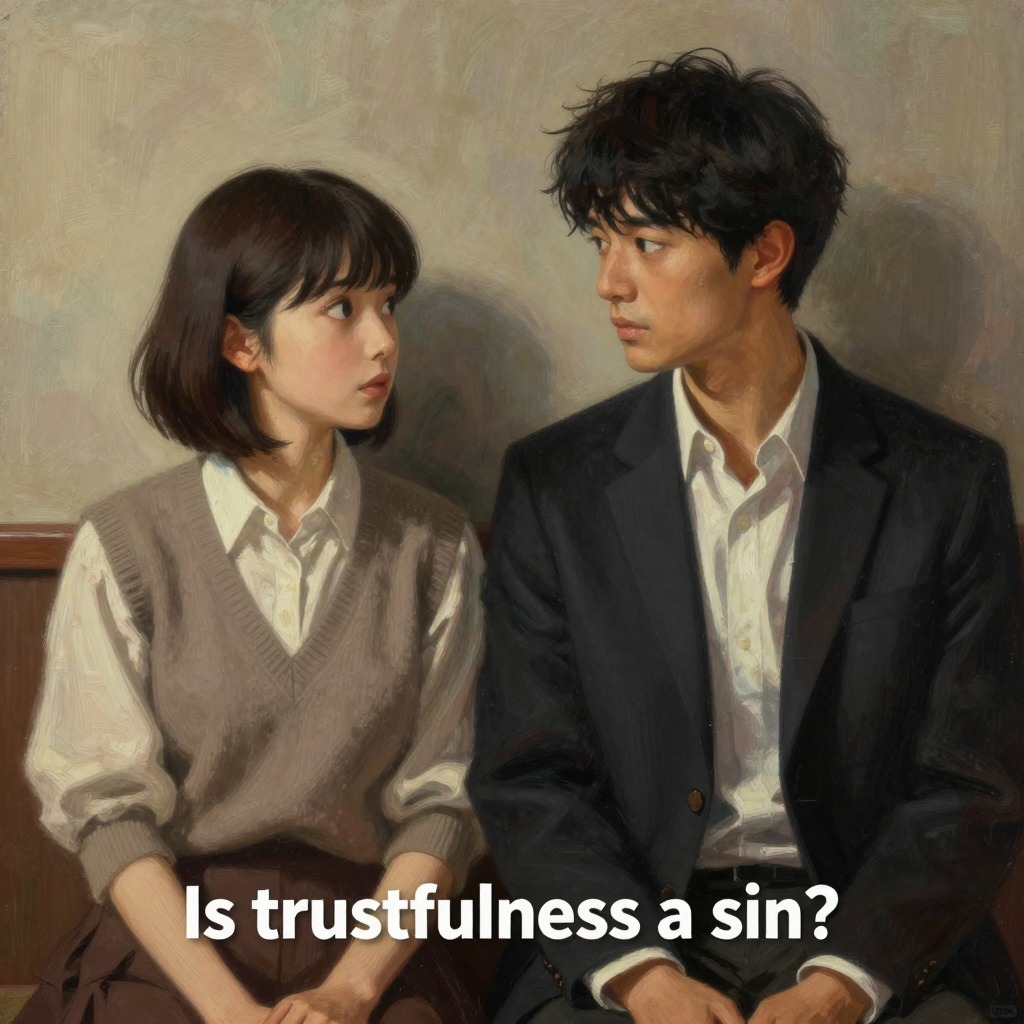
The Motif of Trustfulness
Explores the theme of trust as a double-edged sword through the characters of Yoshiko and Yozo, culminating in the question 'Is trustfulness a sin?'

The Descent into Drug Addiction
Details the transition from alcohol to morphine, the physical and moral decay, and the final attempt to quit.
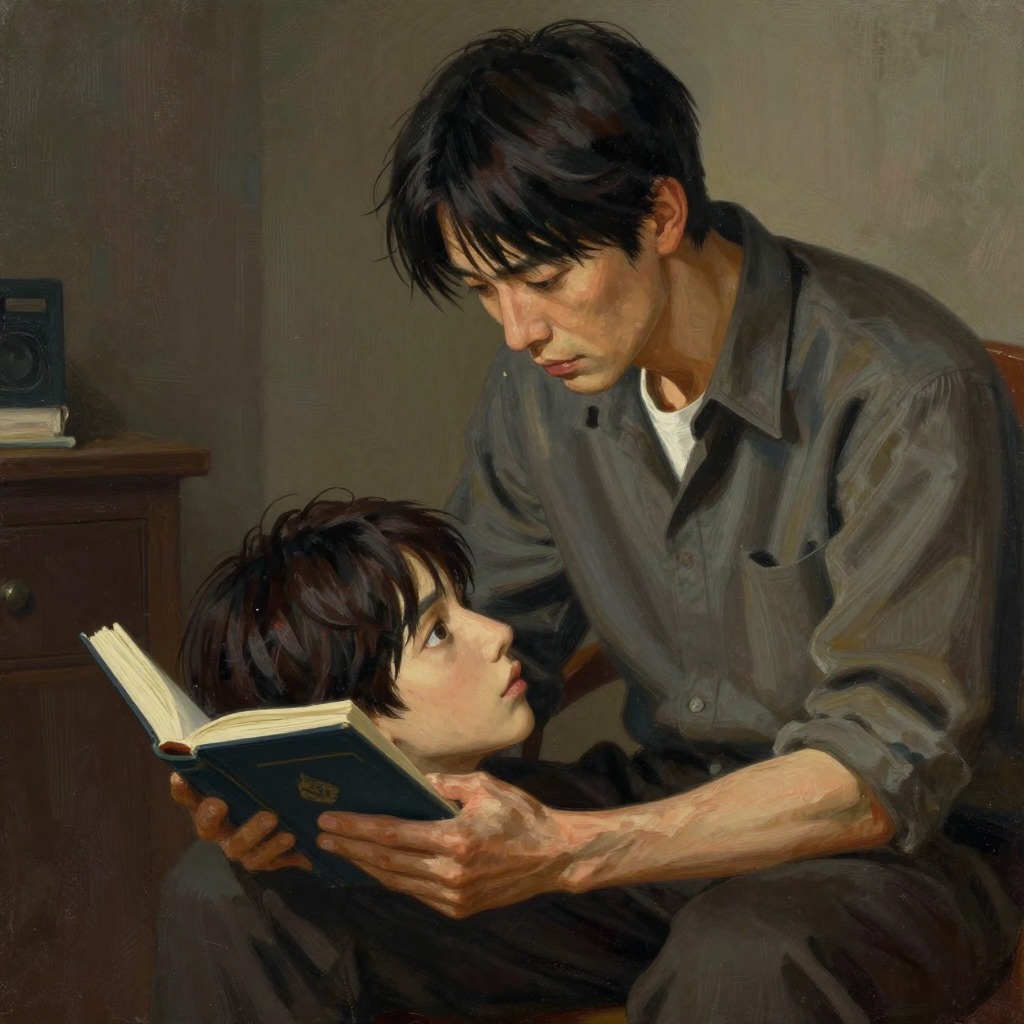
The Role of the Father
Traces Yozo's psychological dependence on his father's authority and approval, and the void left by his death.
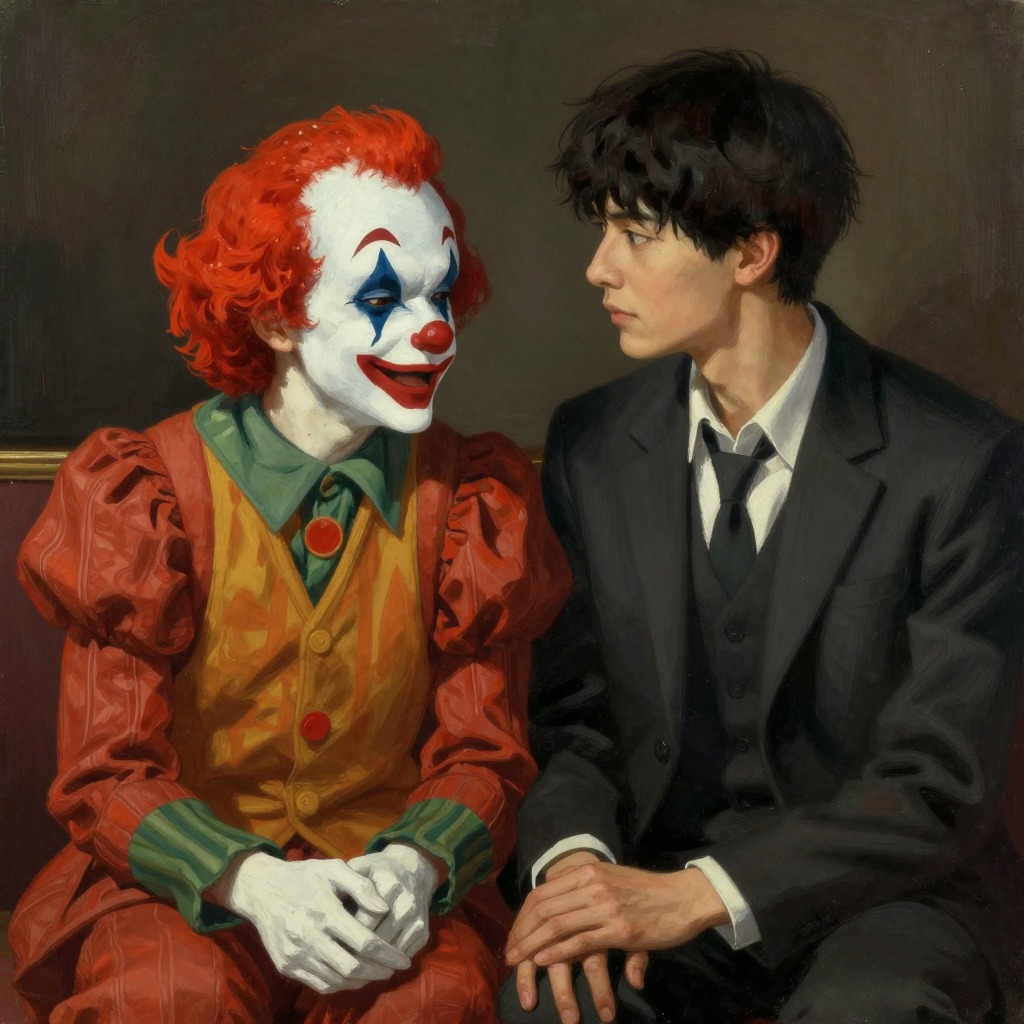
The Takeichi Friendship
Follows the brief but significant friendship with Takeichi, the only person who saw through Yozo's clowning and gave him two prophecies.
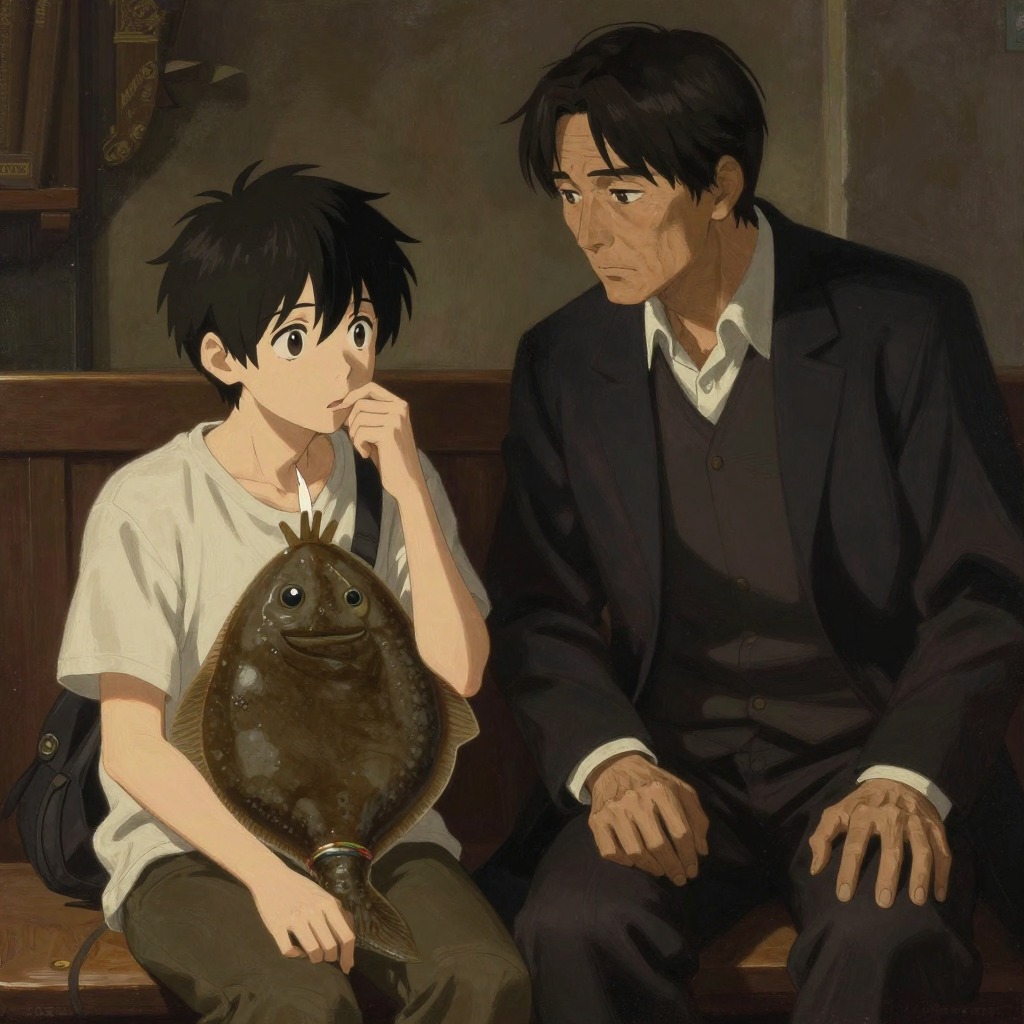
The Flatfish Guardianship
Examines Yozo's relationship with Flatfish, his father's henchman, who became his guardian and a symbol of the hypocrisy of the adult world.
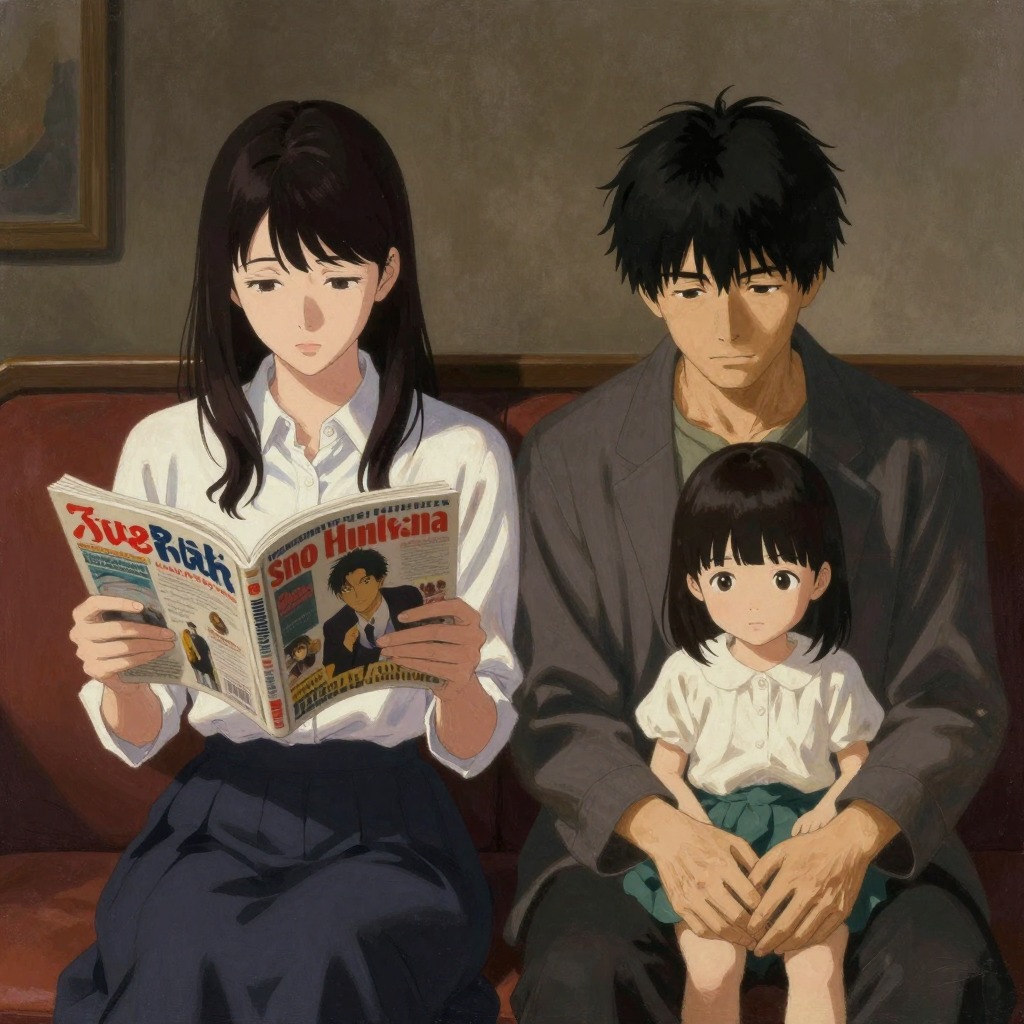
The Shizuko Interlude
Chronicles Yozo's time as a kept man with Shizuko, the magazine journalist, and his brief role as a father figure to Shigeko.
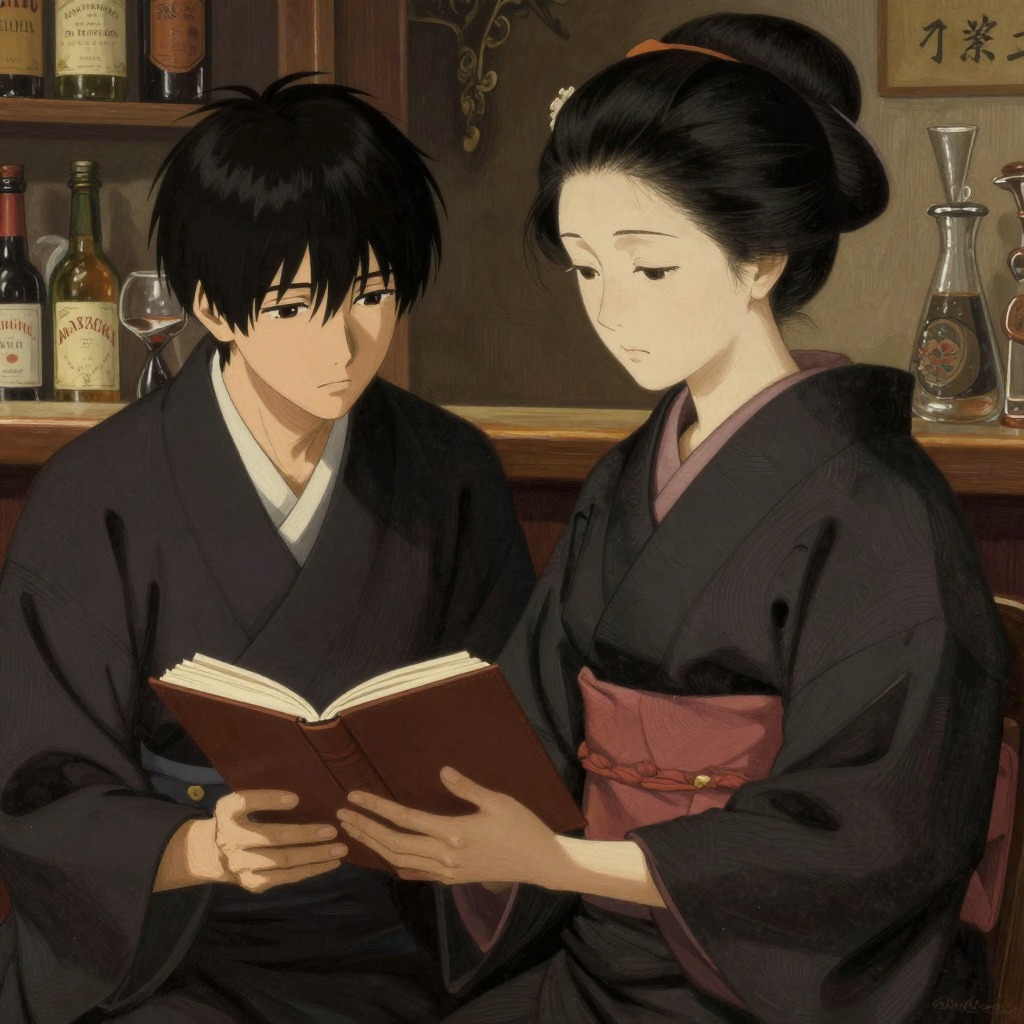
The Madam of Kyobashi
Explores Yozo's relationship with the bar madam, who became a protector and later the keeper of his notebooks.
The Yoshiko Violation
Focuses on the single event of Yoshiko's violation and its immediate and long-term consequences for both characters.
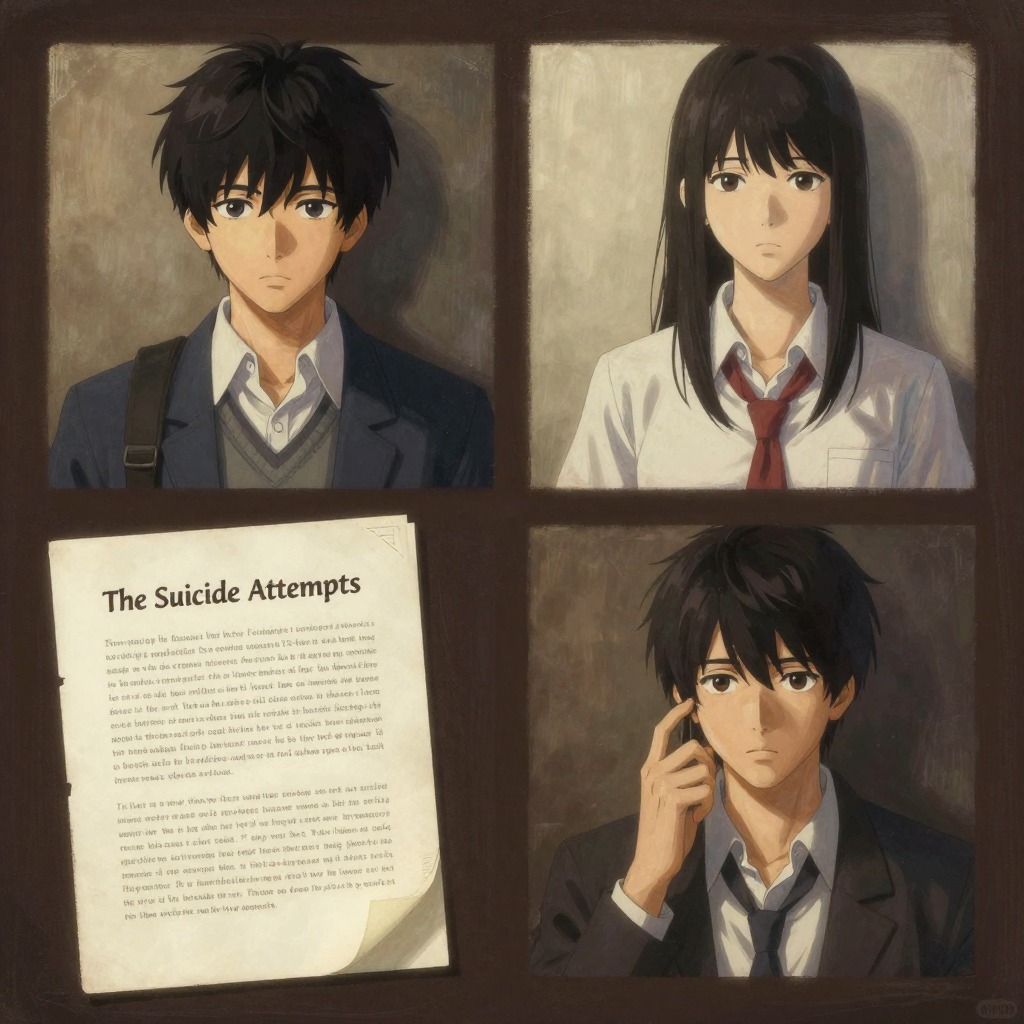
The Suicide Attempts
Documents Yozo's two major suicide attempts—with Tsuneko and with Dial—and his reflections on death.
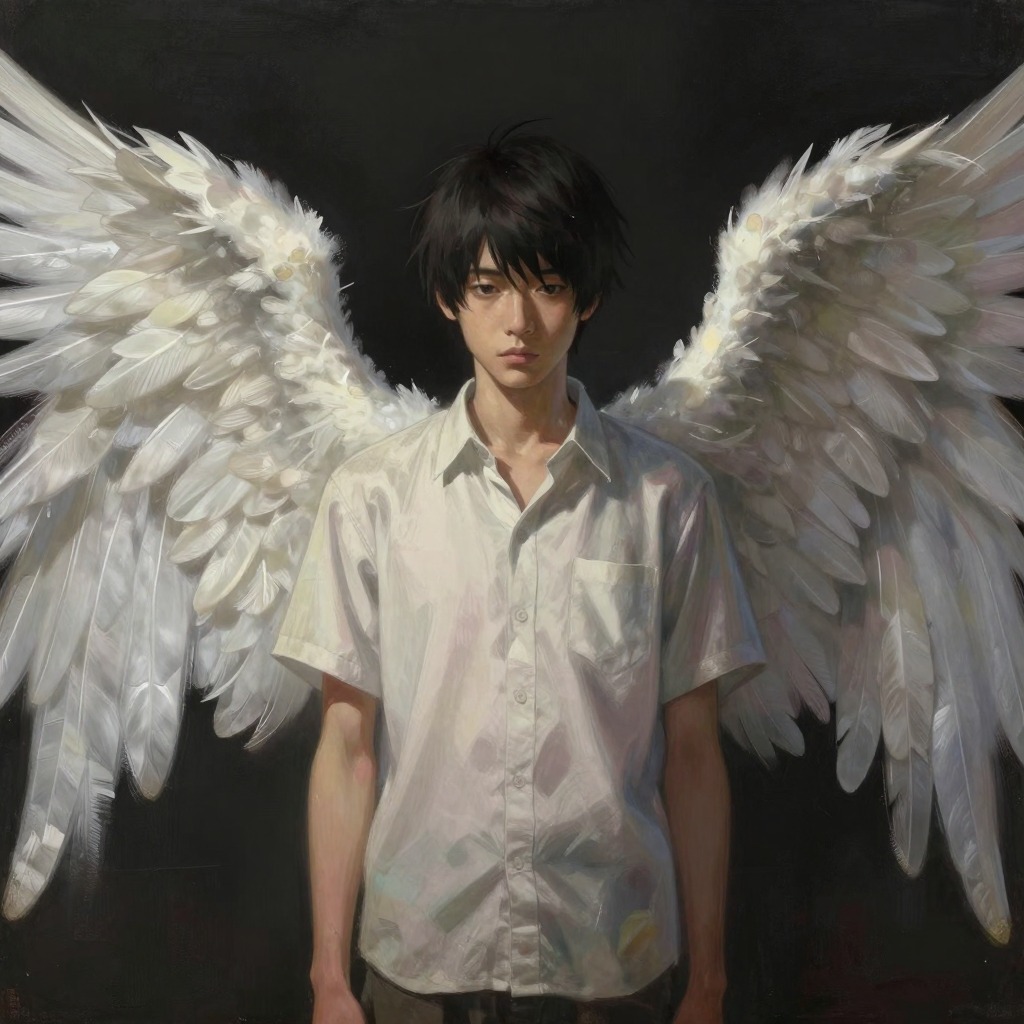
The Evolution of the 'Angel'
Traces how Yozo's self-perception shifts from 'disqualified human' to 'angel' in the eyes of others, culminating in the epilogue.
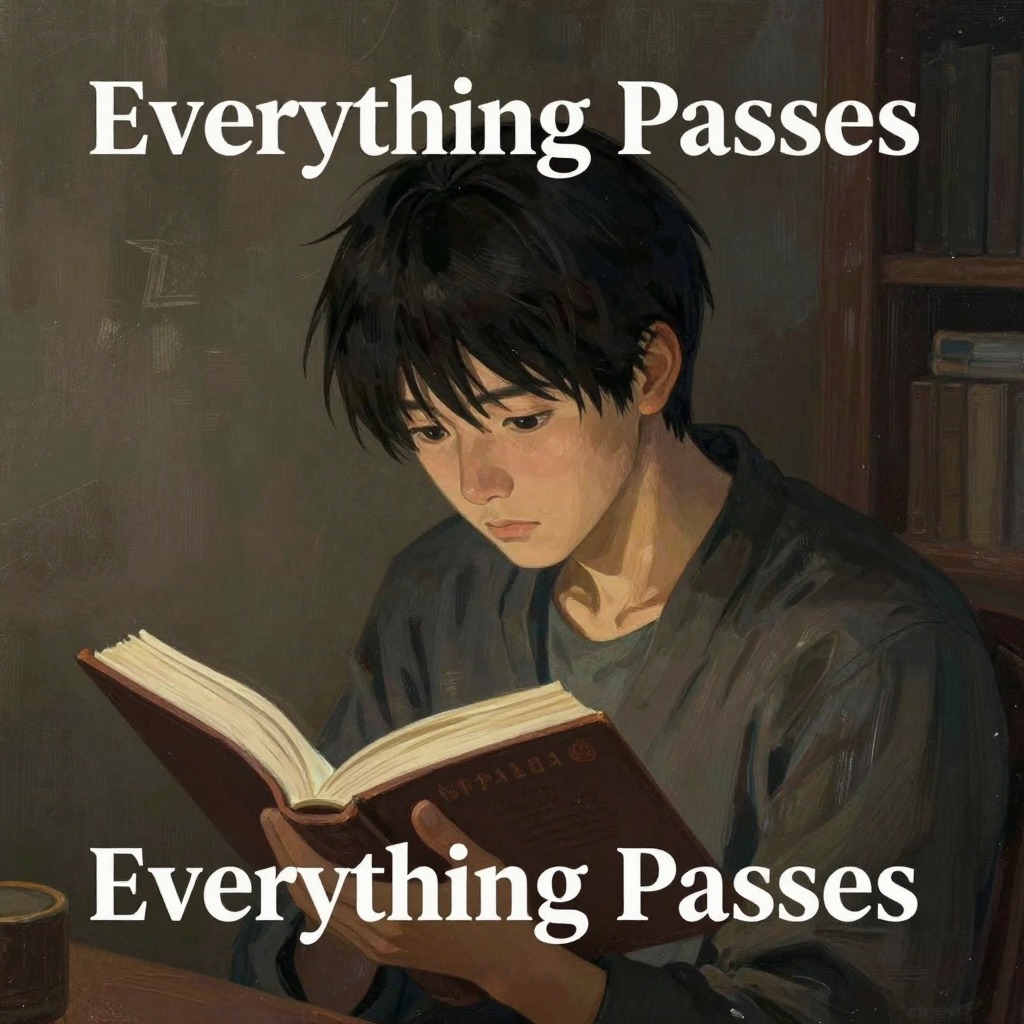
The Theme of 'Everything Passes'
Explores the recurring insight that all suffering and joy are transient, culminating in Yozo's final acceptance of this truth.
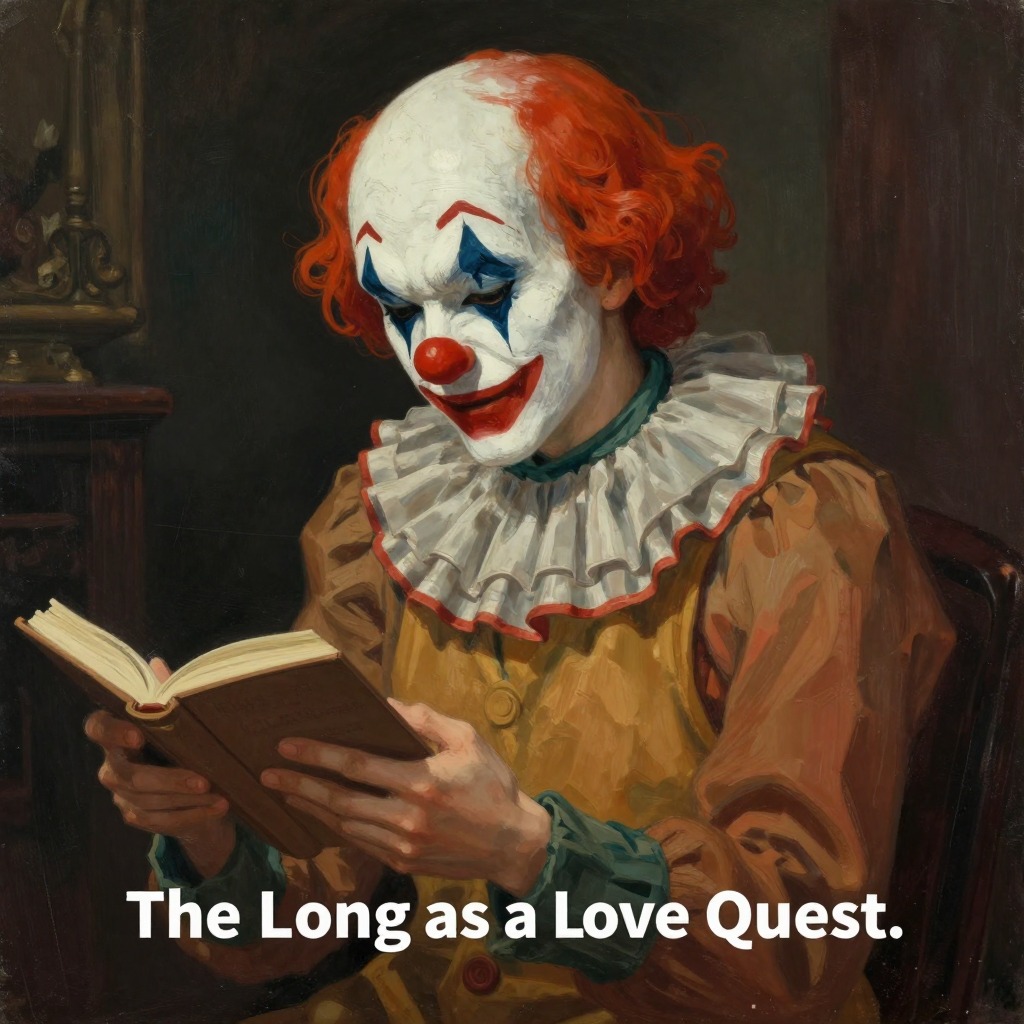
The Clowning as a Love Quest
Examines how Yozo's clowning was his last attempt to seek love from human beings, and how it ultimately failed.
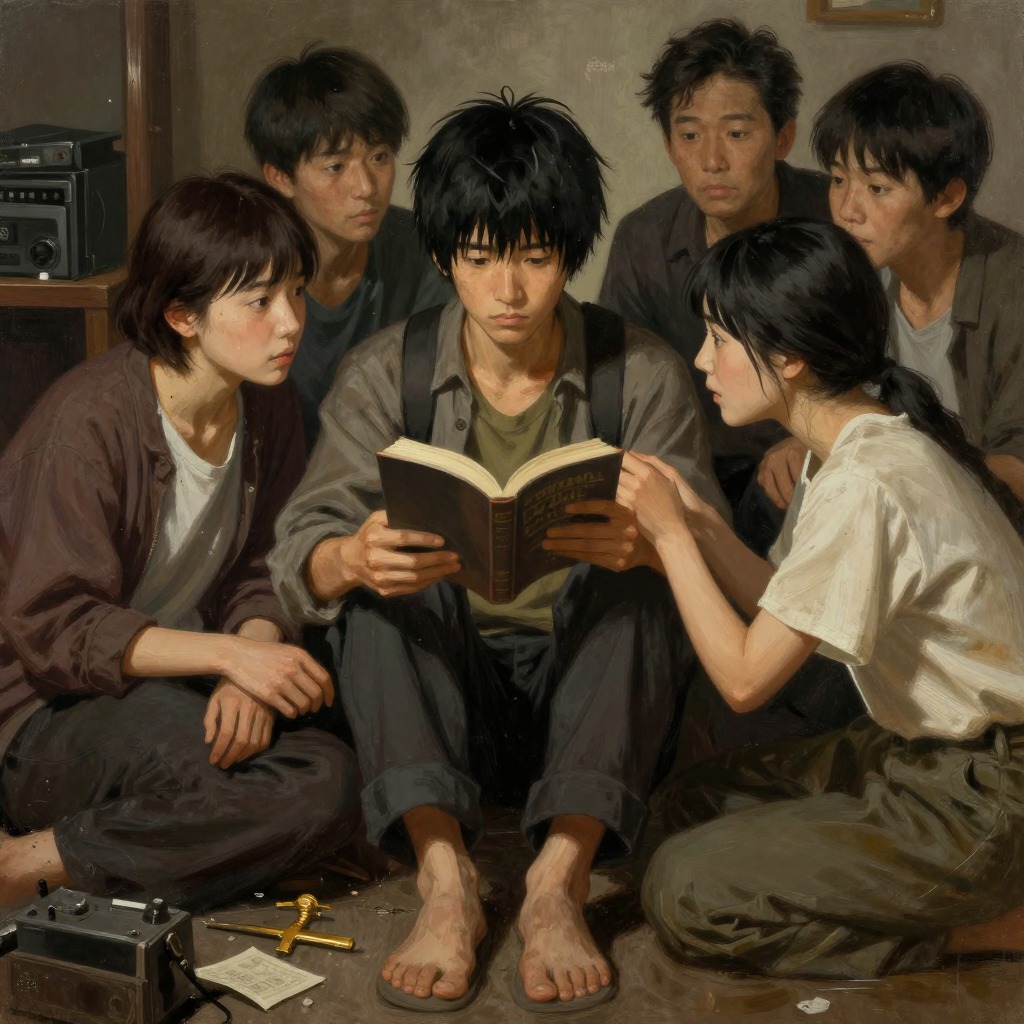
The Struggle with Poverty
Traces how Yozo's financial dependence and poverty shaped his relationships and his sense of self.
The Aspect of Vanity
Explores how Yozo's physical handsomeness and his 'lady-killer' aura affected his interactions and contributed to his downfall.
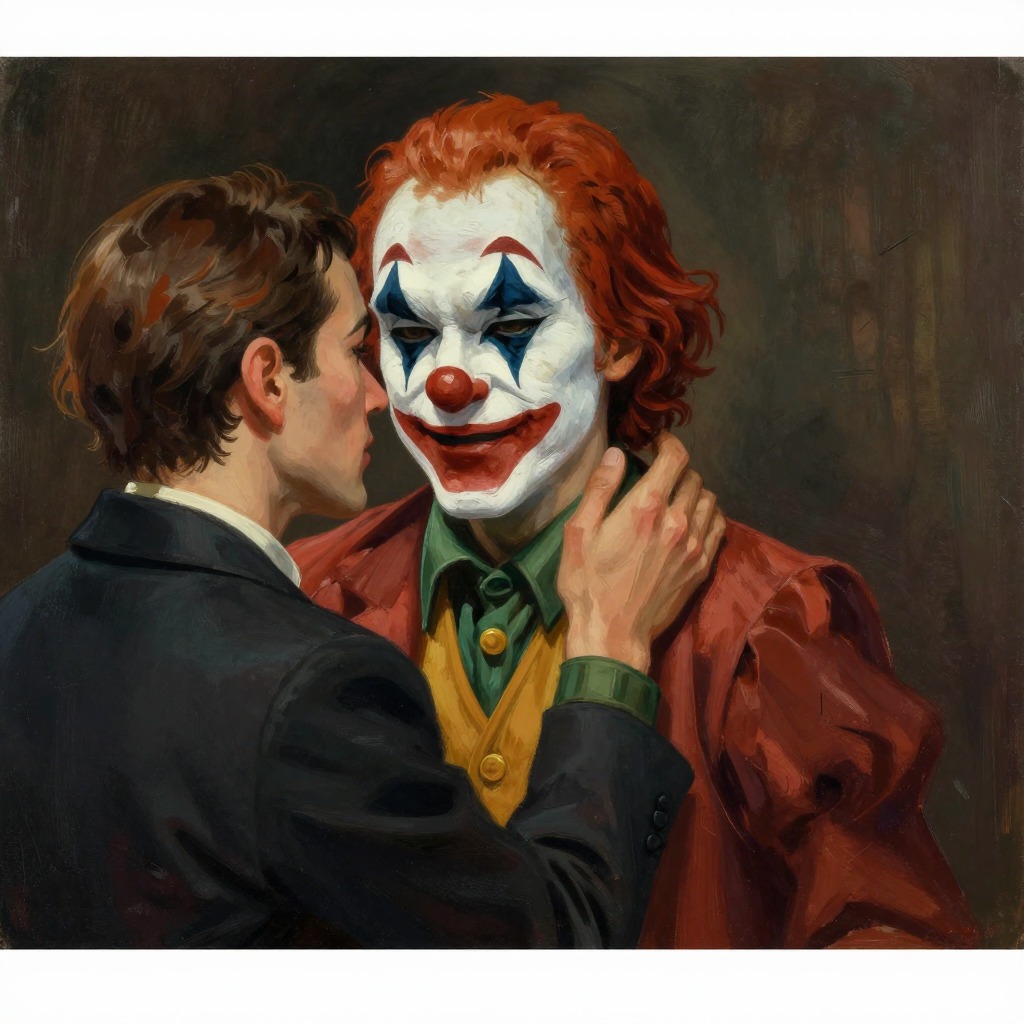
The Impact of Takeichi's Discovery
Focuses on the single moment when Takeichi saw through Yozo's clowning, and its profound psychological impact.
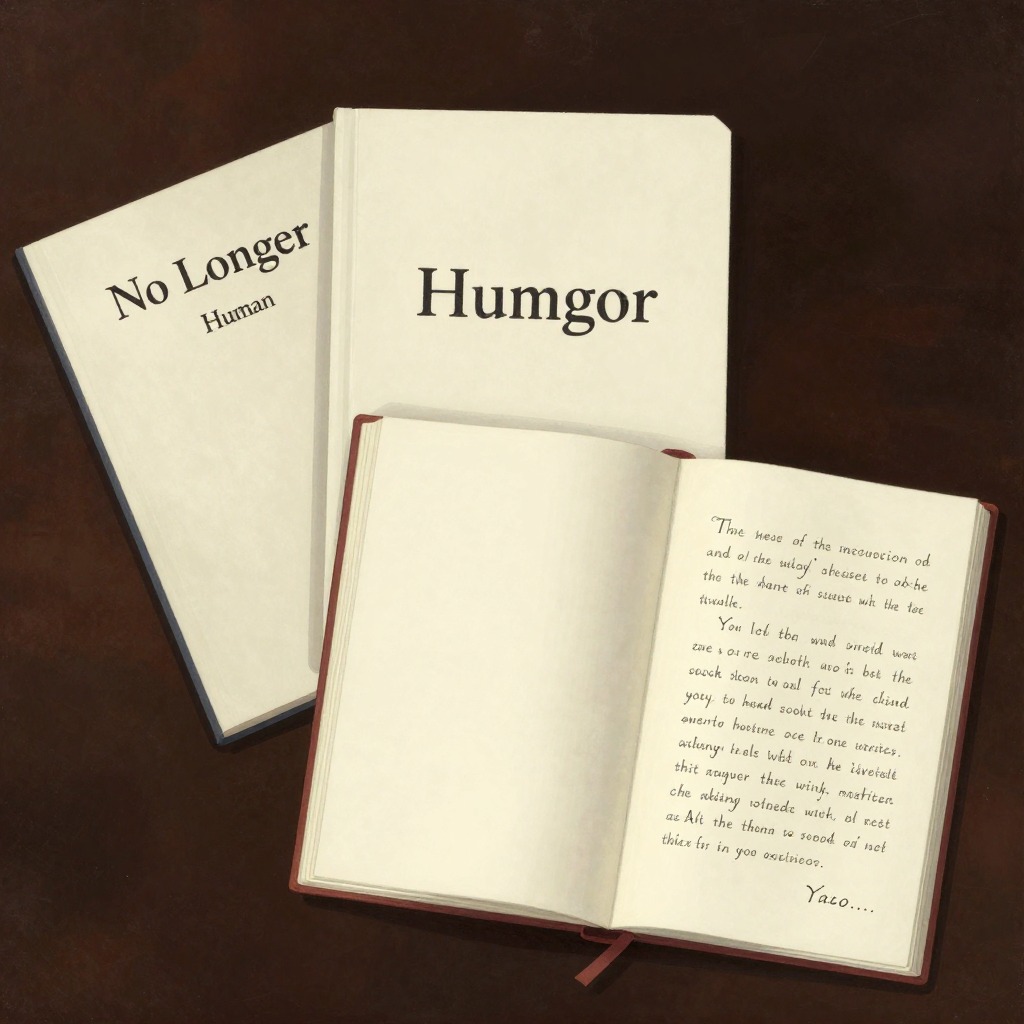
The Role of the Narrator
Examines the framing device of the three notebooks and the epilogue, and how the external narrator's perspective reinterprets Yozo's life.
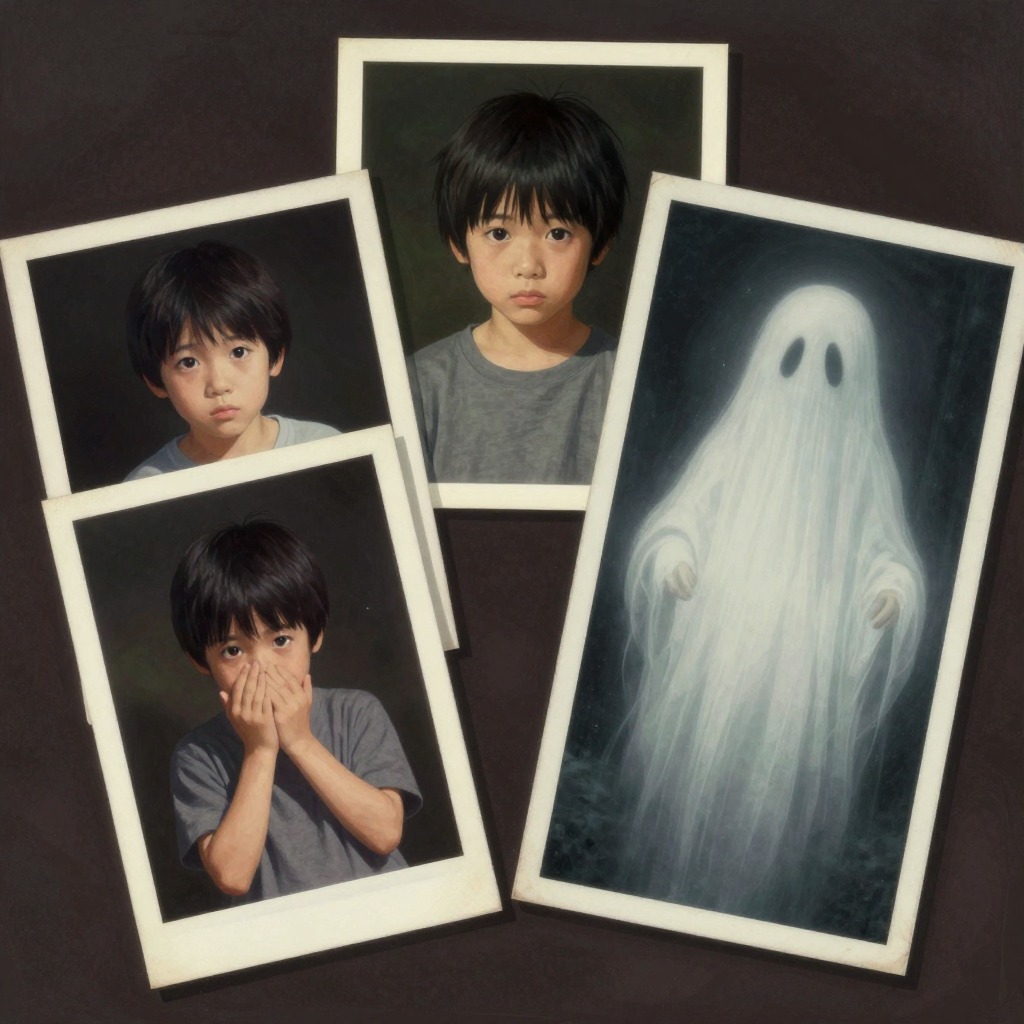
The Symbolism of the Photographs
Traces the meaning of the three photographs of Yozo, which serve as a visual summary of his transformation from child to ghost.
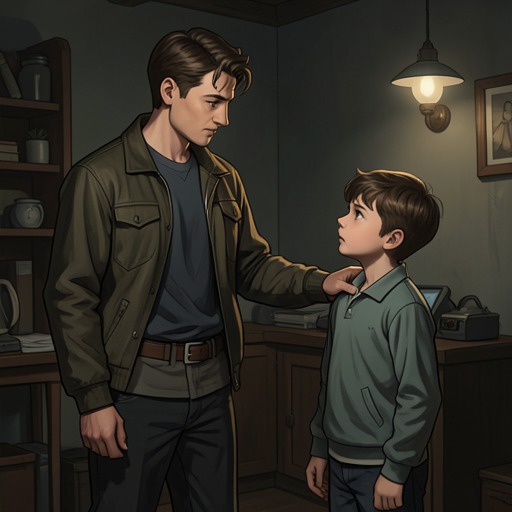
The Sibling Relationship
Explores Yozo's relationship with his elder brother, who acted as a surrogate father after their father's death.