Kathleen Garrity
AfterburnKathleen Garrity, known as Cat, is a naval flight officer and radar intercept officer whose place in the squadron was earned through resistance as well as skill. Having proved herself over the Kola, she enters the Georgia no-fly-zone operation as a combat-experienced aviator and a steadying presence for the newly arrived Tom Mason. Their pairing makes her history visible in the present: Mason faces his first taste of combat with the excitement she remembers from nine months earlier, while she now occupies the more seasoned role.
Identity and Hard-Won Assignment
Garrity is a naval flight officer assigned as a radar intercept officer, or RIO, in Viper Squadron. She is paired with Lieutenant Tom Mason, whose callsign is Dixie. The two are newcomers to working together aboard the Jefferson and CVW-20, but their early partnership is described as functioning well. The text presents the pairing as operationally important: Mason is new to the squadron and to combat, while Garrity has already passed through an earlier trial by fire.
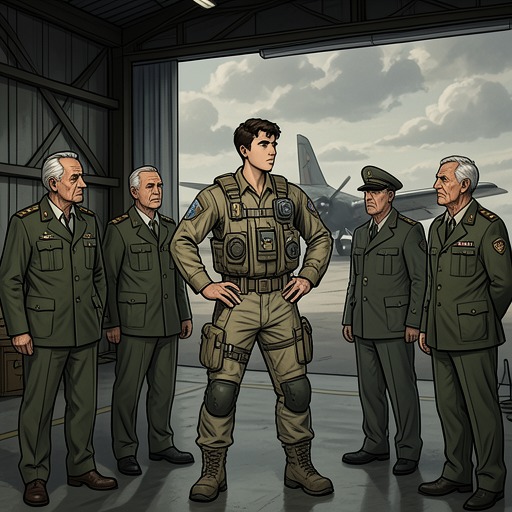
Her route to the RIO assignment was difficult. Garrity had to battle harassment and prejudice, as well as the sneers and jibes of fellow aviators, to obtain the role she wanted. The account identifies those obstacles without suggesting that she overcame them through anyone else’s intervention. Her assignment is therefore more than a technical posting: it marks a position she deliberately pursued in an environment where other aviators challenged her presence. The emphasis is on persistence and professional purpose, not on a claim that prejudice has disappeared.
Experience and the Georgia Mission
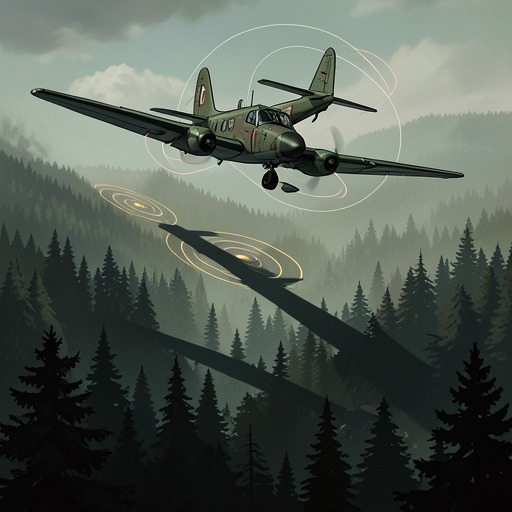
By the time the squadron operates in the United Nations no-fly zone over the Republic of Georgia, Garrity has already demonstrated her ability over the Kola. That record distinguishes her from Mason, whom the narration calls a new arrival and a nugget. His knowledge appears sound, but he has not yet acquired combat seasoning. The text treats first combat as a vulnerable threshold: inexperienced aviators might act rashly or freeze, and their chances of surviving that first encounter are described as poor. Garrity’s previous experience makes her a plausible source of steadiness for her new partner if the mission turns dangerous.
At 0923, Mason reacts to the Georgia mission with boyish enthusiasm, comparing the experience to Star Wars. Garrity smiles behind her oxygen mask. She recognizes the feeling because nine months earlier she had felt the same excitement herself. The moment establishes a contrast without dismissing Mason’s enthusiasm: what is new and thrilling to him is familiar to her, but it remains recognizable rather than foolish. Her response joins professional composure to memory. She can understand his eagerness precisely because she has not always been the veteran in the cockpit.
Later, at 0929, a blip appears suddenly on Dixie’s Vertical Display Indicator. It is identified as a hard signal from the Tomcat’s own AWG-9 radar rather than a data signal. This development places the crew’s work within a live operational picture, but the available account does not establish what Garrity does in response or what the contact ultimately proves to be. The distinction matters: her role places her alongside Mason in the aircraft’s radar-intercept work, but the scene does not warrant attributing a particular decision or outcome to her.
Partnership and Professional Function
Garrity and Mason’s pairing combines unequal experience with an initially successful working relationship. Mason is the newcomer; Garrity has combat experience and has earned her position amid resistance. Their relationship is not presented as a personal bond detached from the mission. Its immediate significance is practical: a new aviator enters a hazardous assignment with a RIO who has already faced combat and can potentially steady him.
The narrative does not portray Garrity as a substitute for Mason’s own training or judgment. Instead, her previous experience offers a contrast and a possible influence when pressure arrives. The account says she ought to provide a good, steadying influence if anything nasty happens, while also observing that Mason seems to know his business. That qualification keeps the partnership reciprocal in professional terms: he is inexperienced, not incompetent, and she is seasoned, not merely defined by the need to guide him.
Character and Narrative Significance
Garrity’s brief scenes connect institutional exclusion to operational competence. The harassment, prejudice, and jibes are not abstract background; they stand behind the assignment she fought to obtain. Her successful service over the Kola then supplies concrete evidence that she belongs in the role, while the Georgia mission tests how that experience bears on a less-seasoned partner. The sequence shifts the emphasis from proving that she can enter the cockpit to showing what her experience may mean once she is there.
The comparison between Garrity’s earlier excitement and Mason’s present reaction also gives her a small but distinct arc of perspective. She recognizes in him the person she was nine months before, yet now meets that enthusiasm from the other side of experience. The text does not claim that combat has made her fearless, nor does it disclose the full extent of her earlier Kola actions. It establishes something narrower and more grounded: she has already proved herself in combat, remembers the exhilaration of being new, and enters the Georgia operation as a capable aviator whose hard-won expertise may matter to the survival and performance of her crew.