StoryFlow
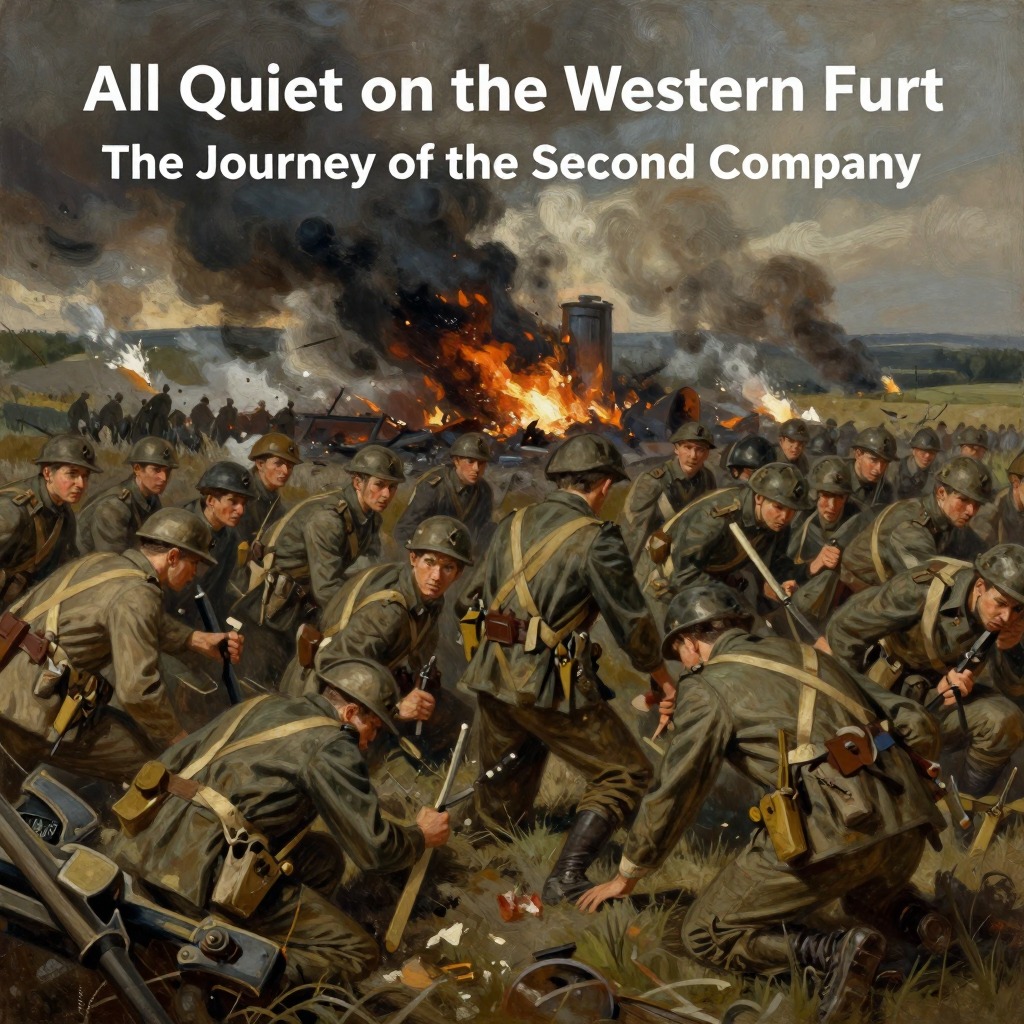
The Journey of the Second Company
Traces the Second Company from its initial strength of 150 men through constant attrition, culminating in a remnant of 32 after a major bombardment.
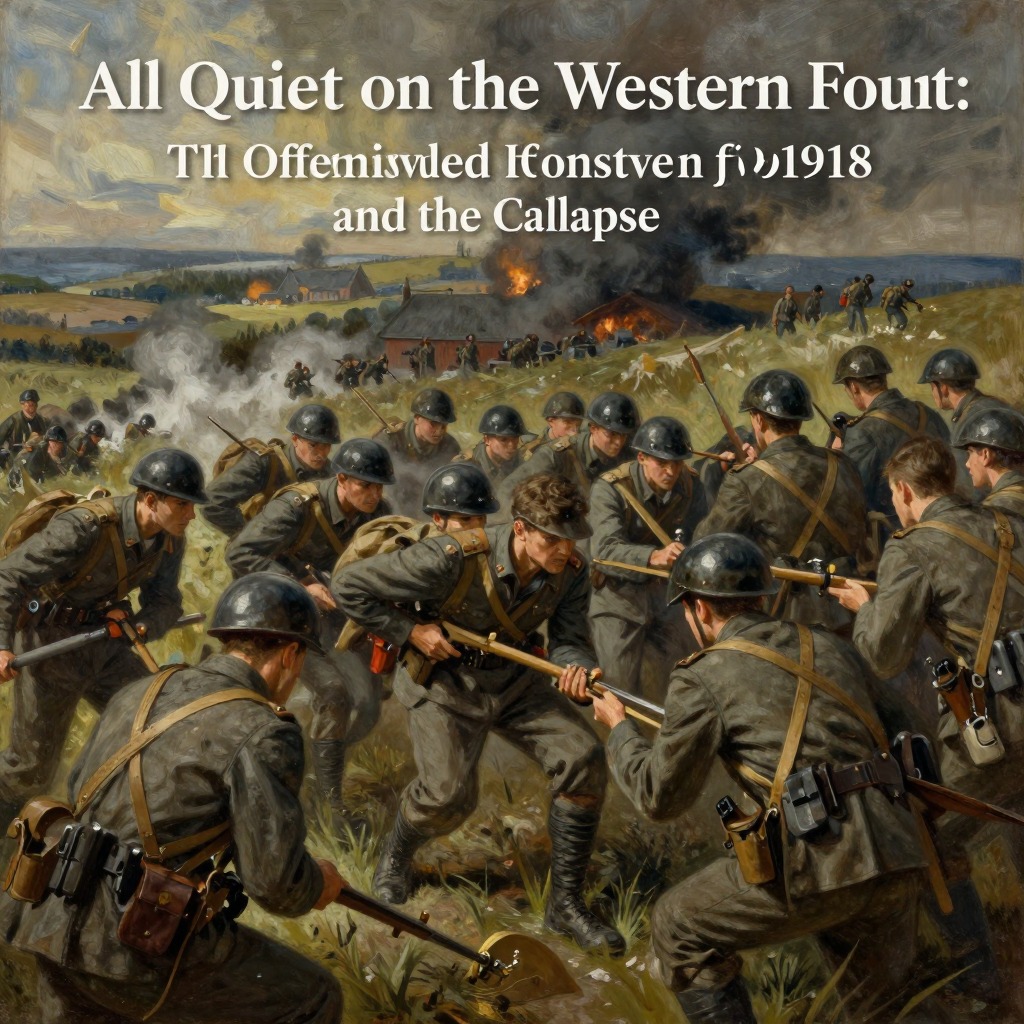
The Offensive of 1918 and the Collapse
Follows the German army's last major offensive and the subsequent retreat, highlighting the disintegration of morale and the overwhelming force of the Allies.
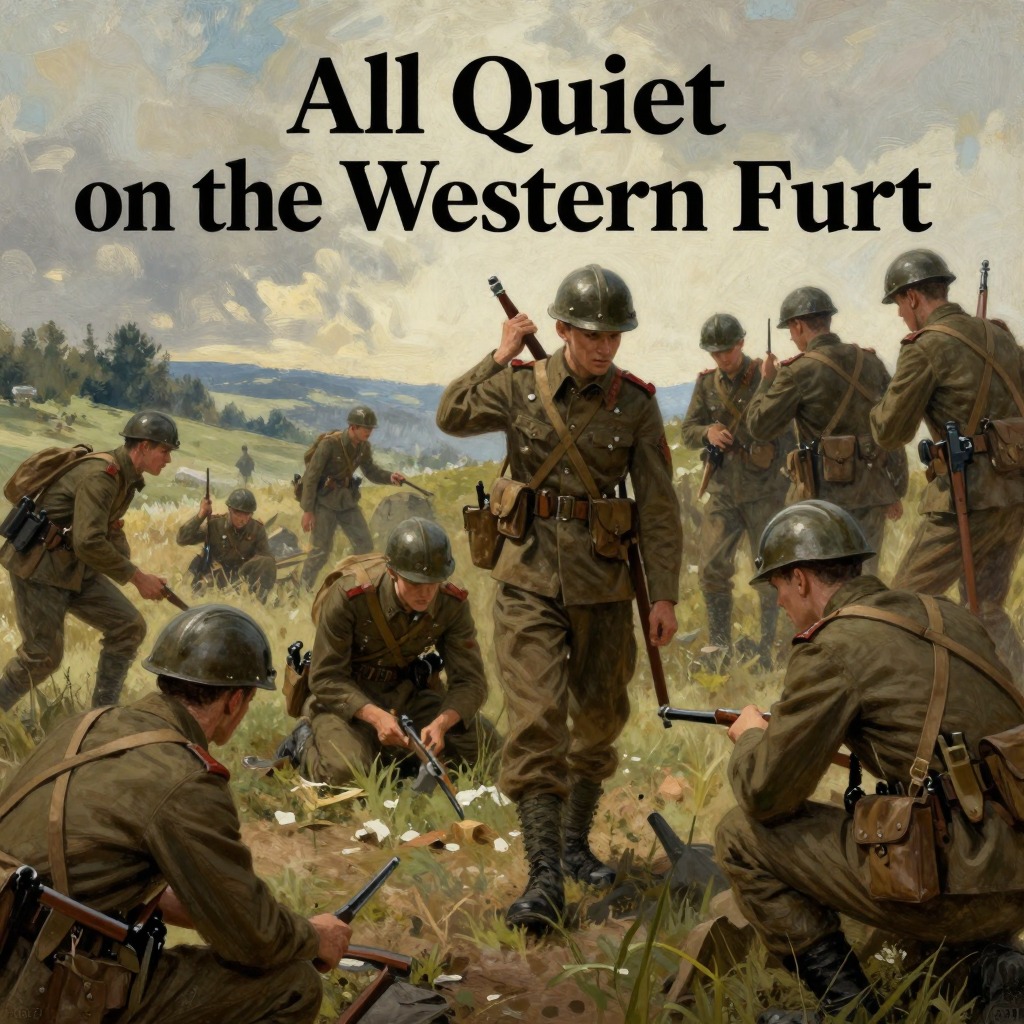
The Cycle of Front and Rest
Examines the alternating rhythm of combat and respite that defines the soldiers' existence, from the front line to the rear and back again.
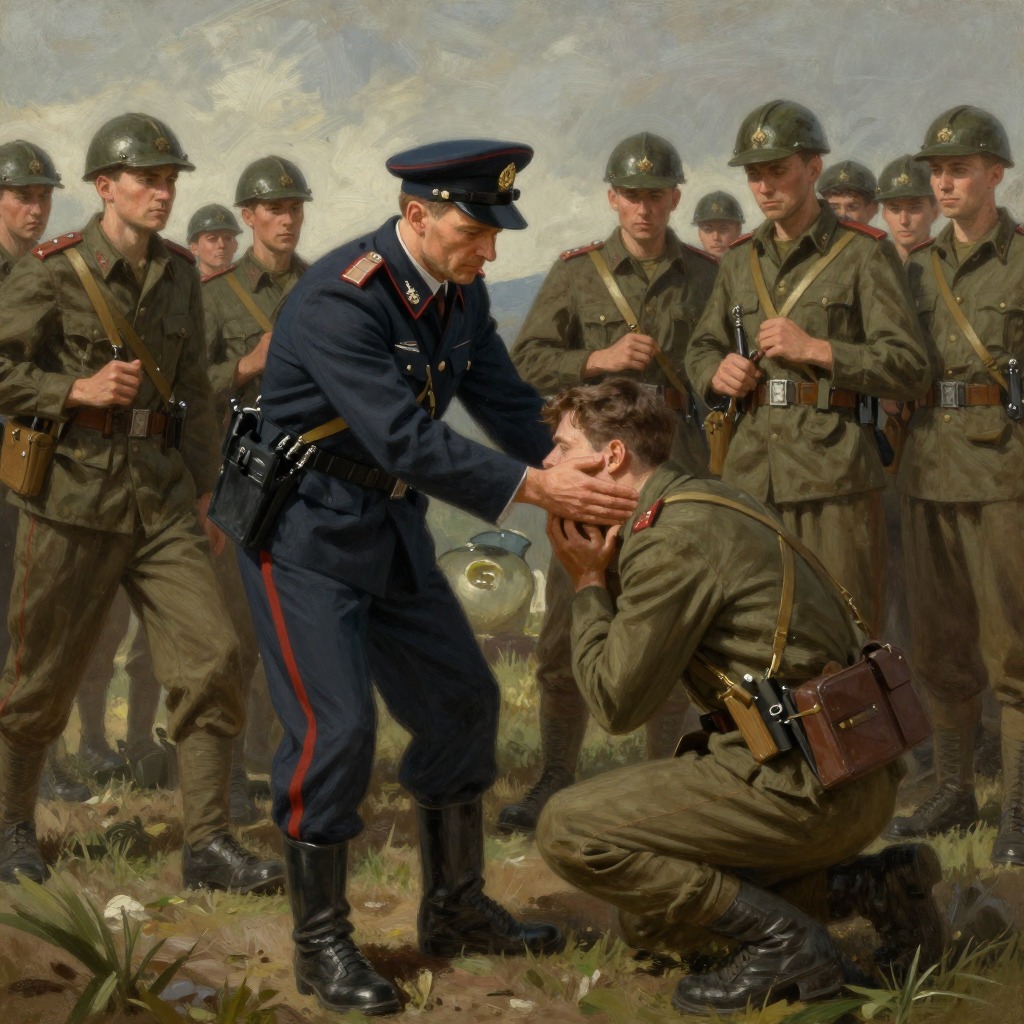
The Conflict with Himmelstoss
Traces the abusive relationship between the postman-turned-corporal Himmelstoss and the soldiers, from his tyranny in basic training to his humiliation at the front.
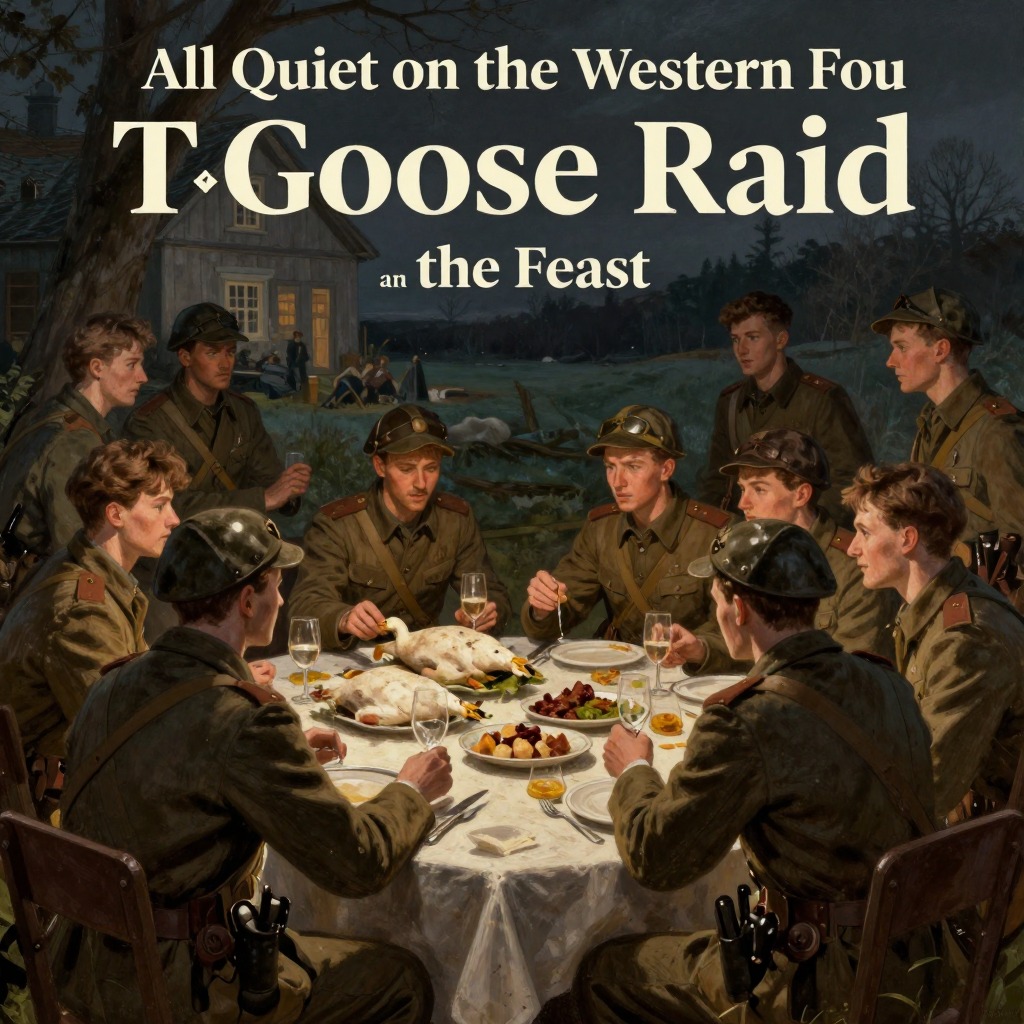
The Goose Raid and the Feast
The story of the night-time raid on the regimental headquarters to steal two geese, and the subsequent feast shared with the comrades.

The Love Affair with the French Girls
The soldiers' encounter with three French women across the canal, and the night of passion and tenderness that follows.
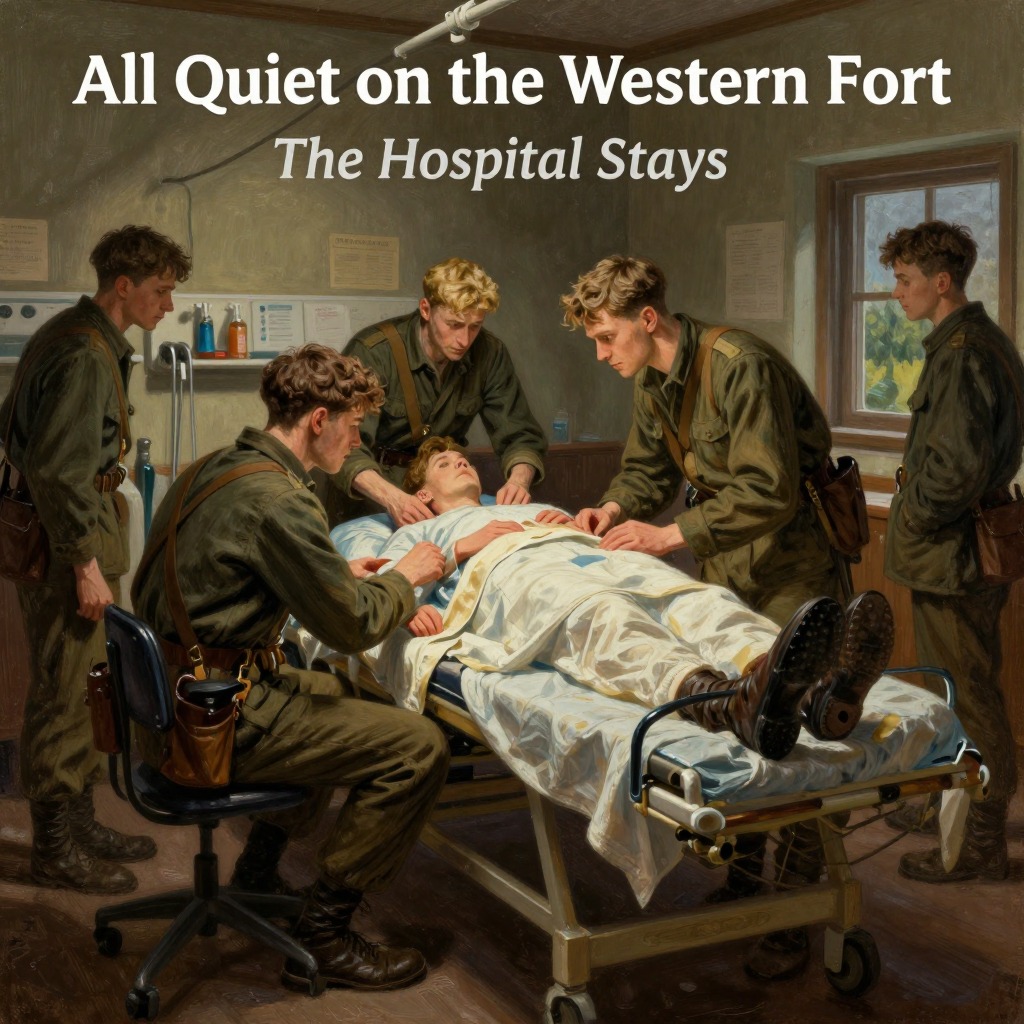
The Hospital Stays
Paul and Albert Kropp's experience in the Catholic hospital, from the journey to the operations, the Dying Room, and the bureaucracy of healing.
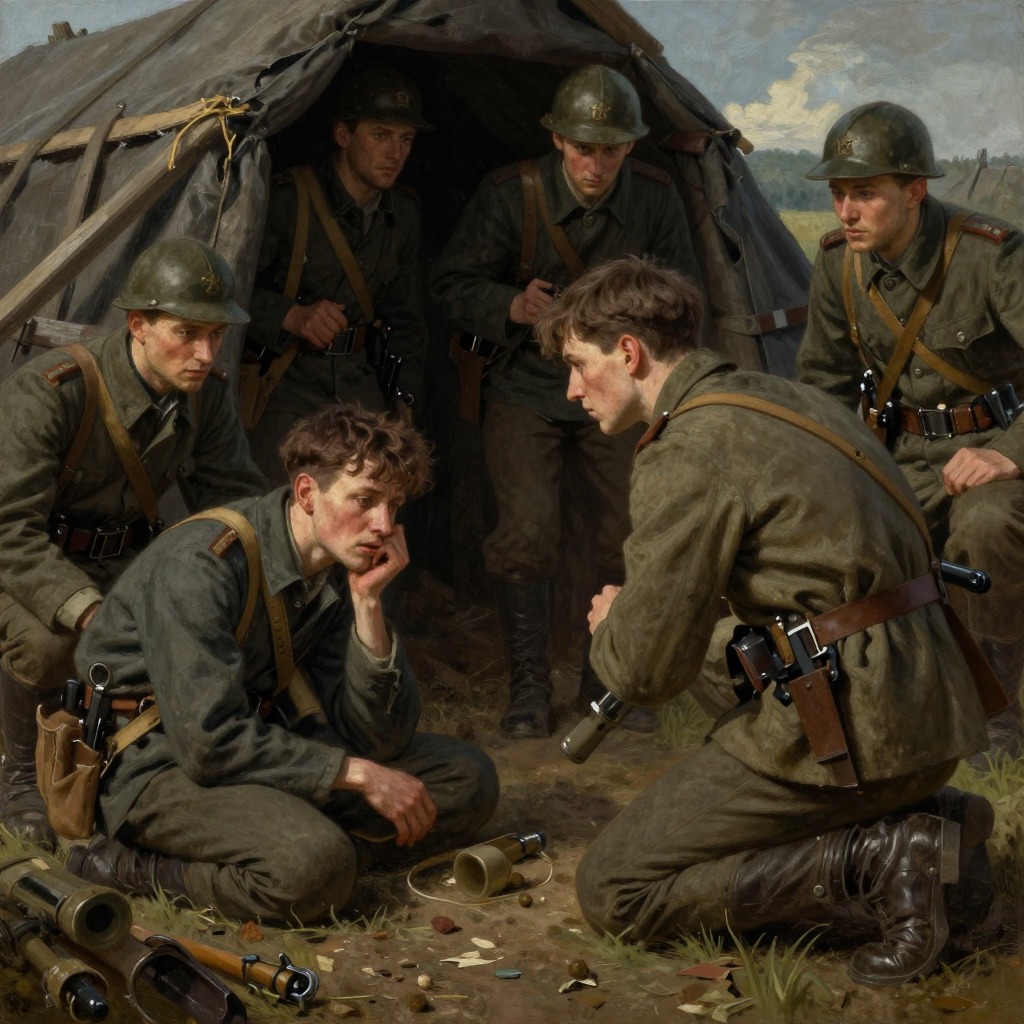
The Russian Prisoners
The time Paul spends near the Russian prisoner camp, observing their suffering and feeling a sense of shared humanity.
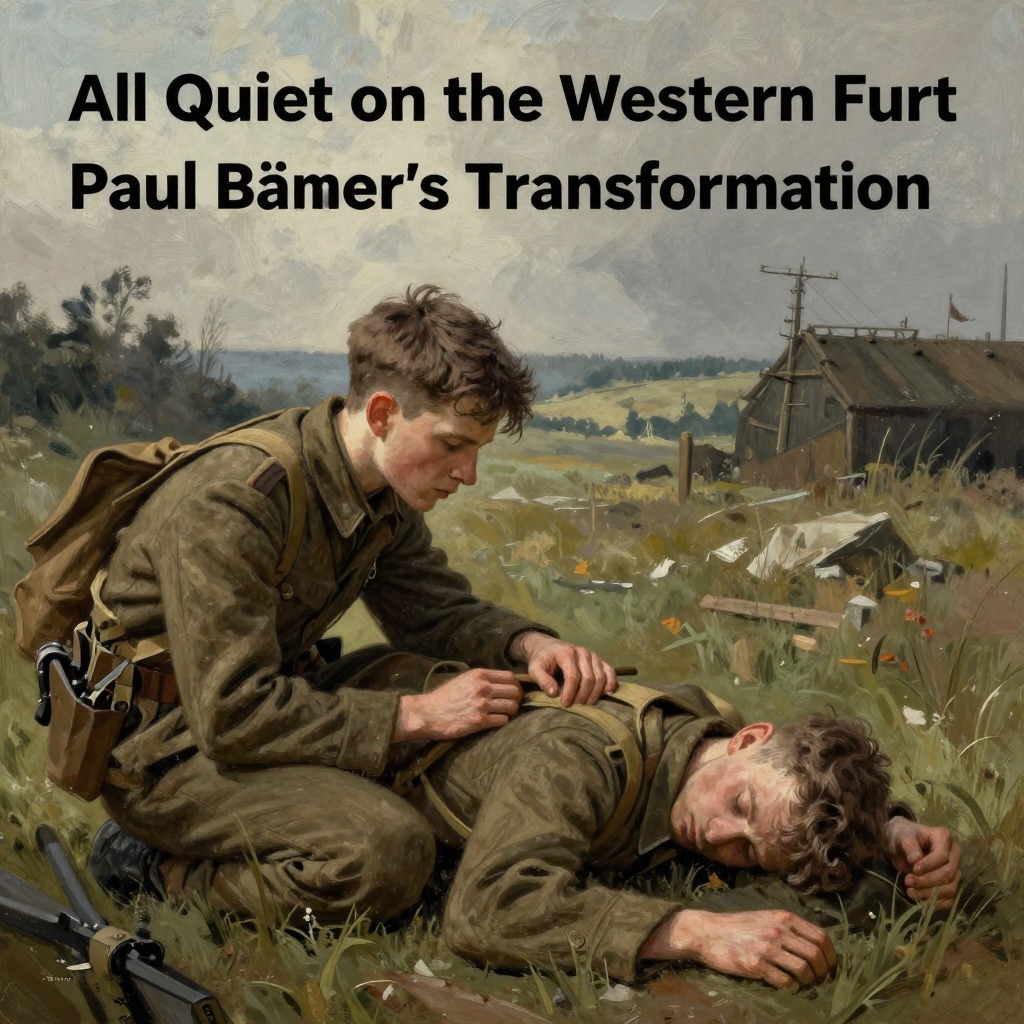
Paul Bäumer's Transformation
The arc of Paul Bäumer from a naive schoolboy to a hardened, disillusioned soldier, and finally to a dead man on a quiet day.
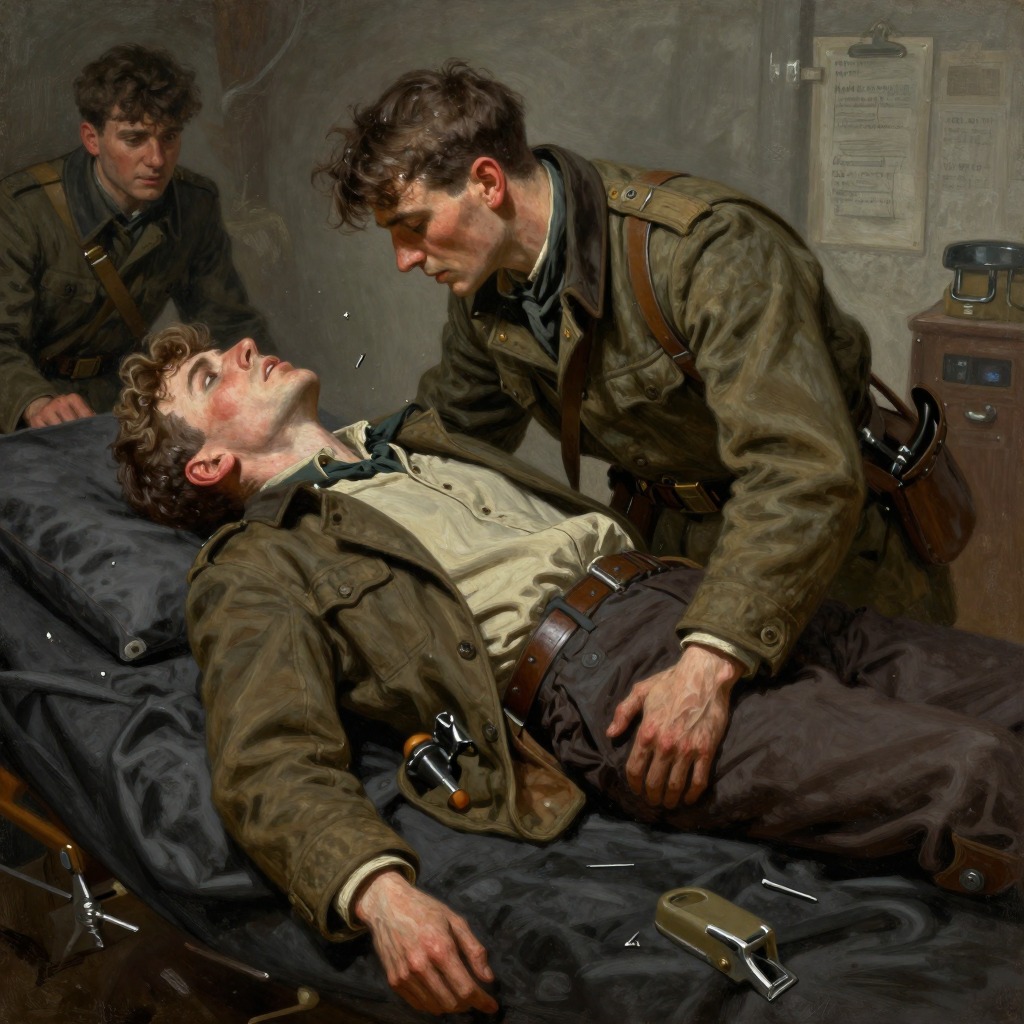
Stanislaus Katczinsky's Death
The death of Kat, the wise and resourceful cobbler, who is killed by a stray splinter while being carried to the dressing station.
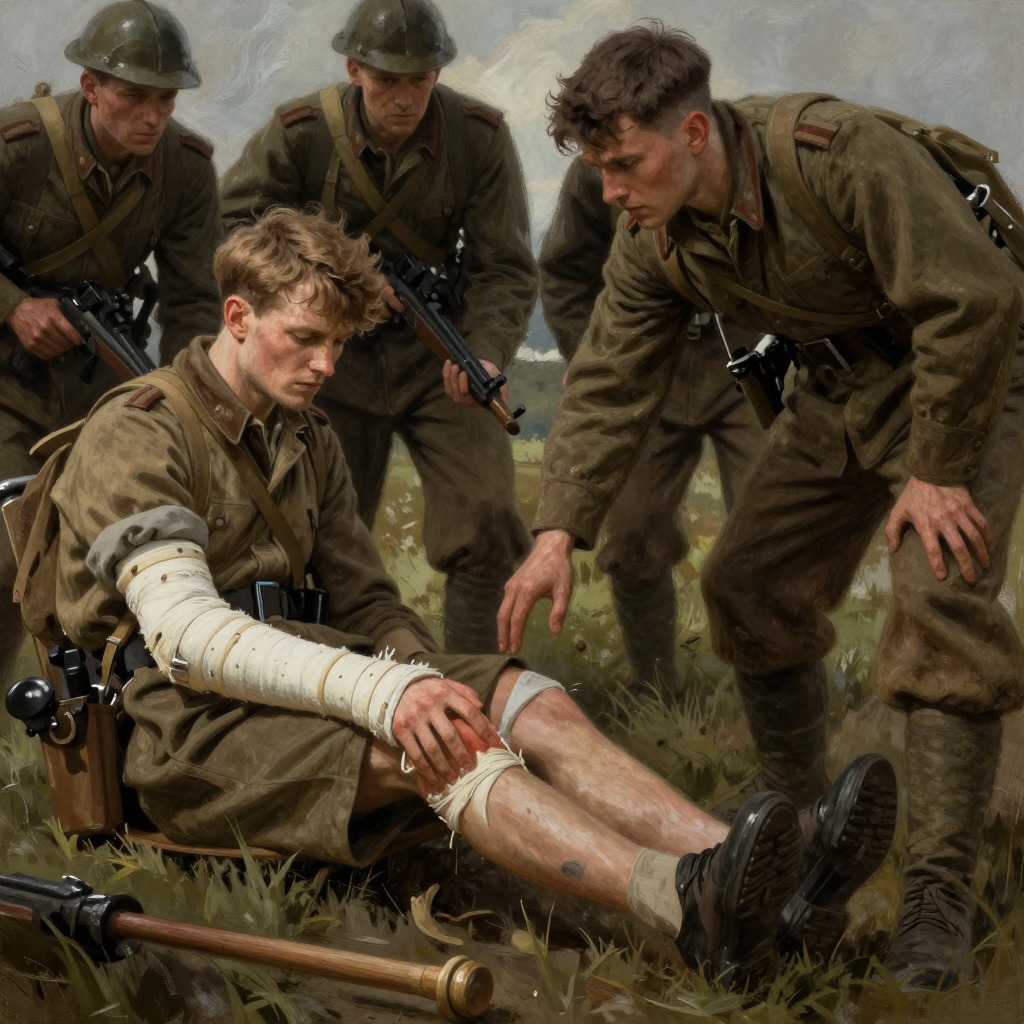
Albert Kropp's Amputation
The story of Albert Kropp, the clearest thinker among them, who loses his leg and must face a life as a cripple.
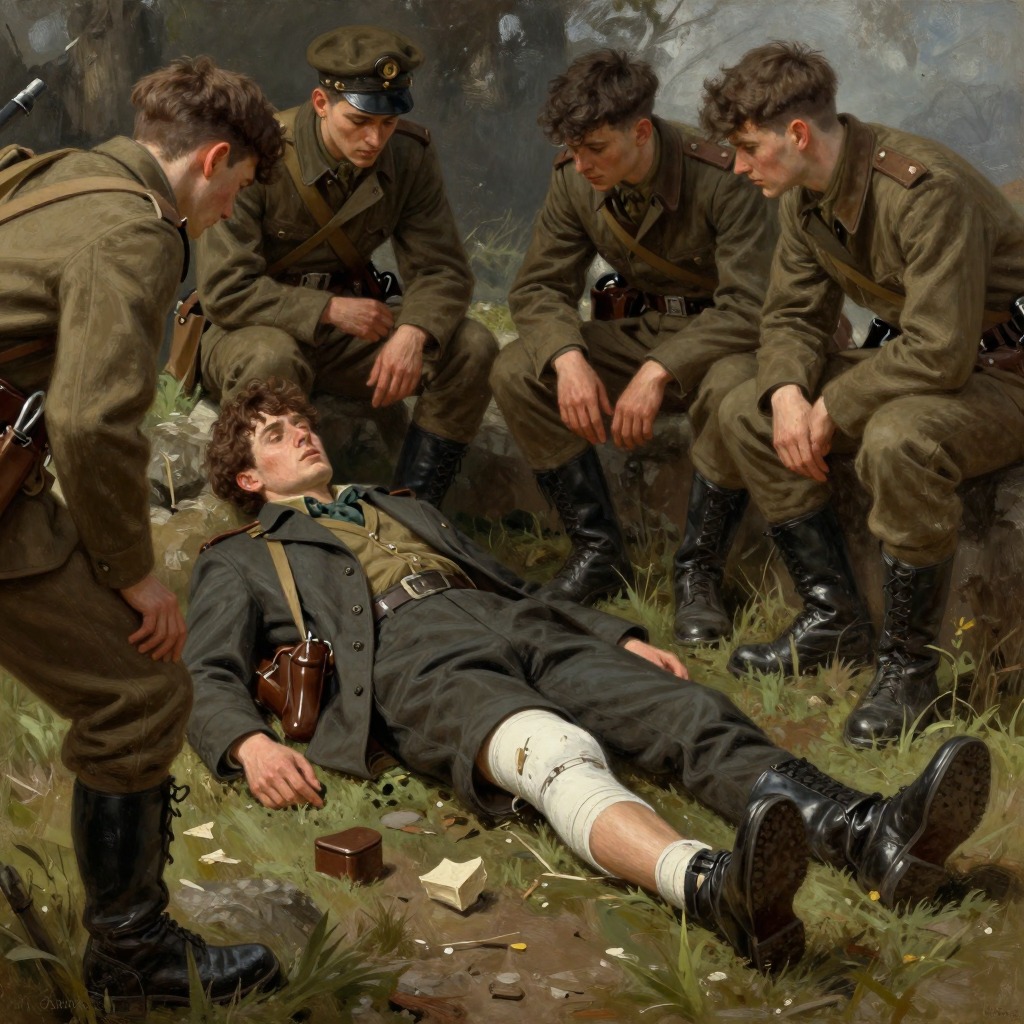
Franz Kemmerich's Death
The slow death of Franz Kemmerich from a leg amputation, watched by his friends who covet his boots.
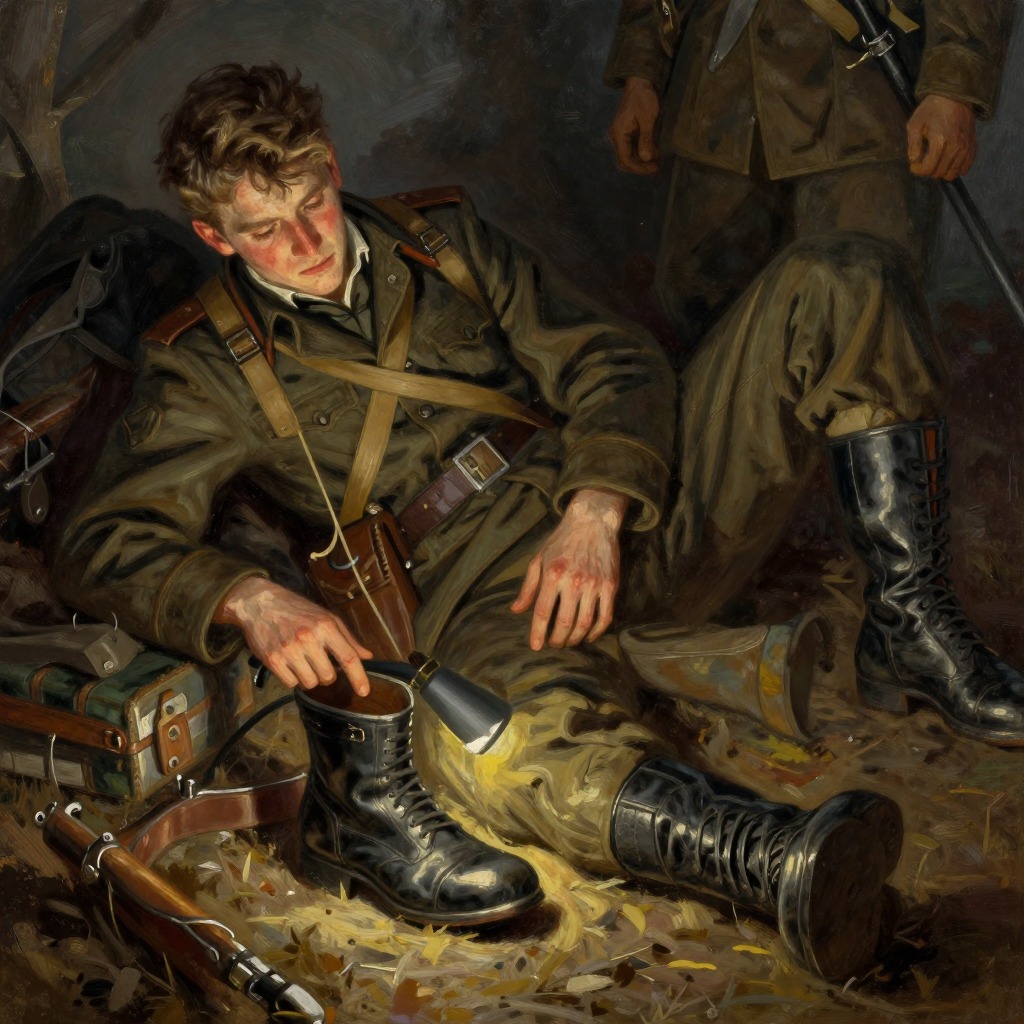
Müller's Death and Inheritance of Boots
Müller, the pragmatic student, is killed by a Verey light, and his boots pass to Paul, continuing the cycle of inheritance.
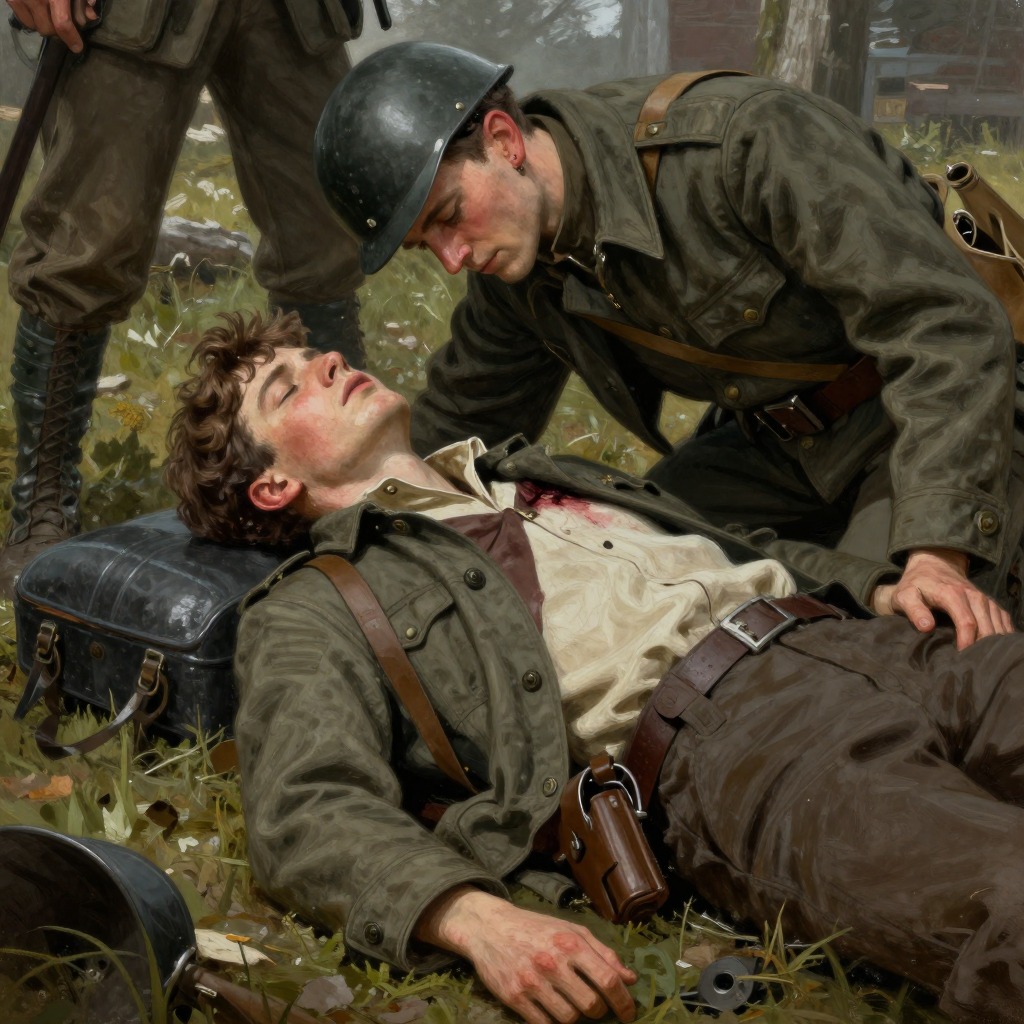
Haie Westhus's Death
The death of the peat-digger Haie Westhus, who is shot in the back and dies from a lung wound.
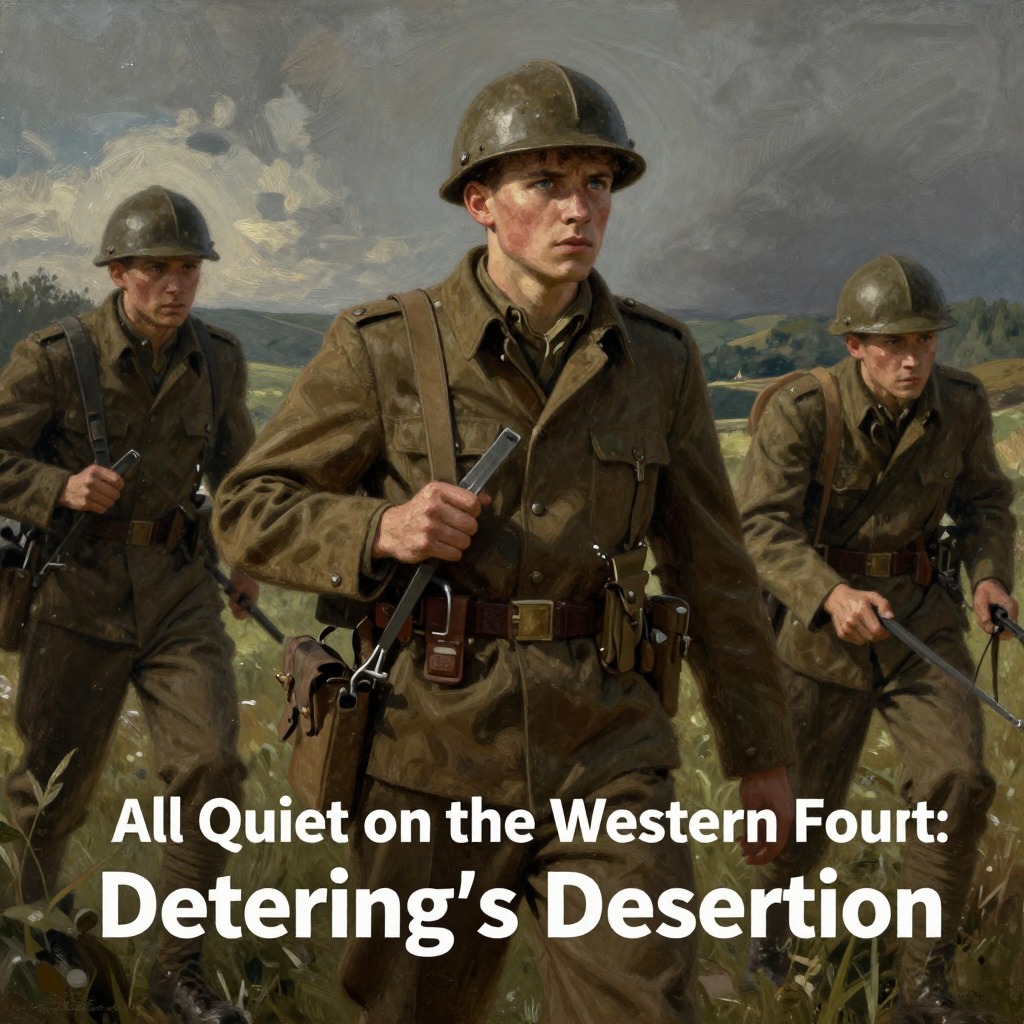
Detering's Desertion
The story of Detering, the peasant who cannot bear the war any longer and deserts, only to be caught and court-martialed.
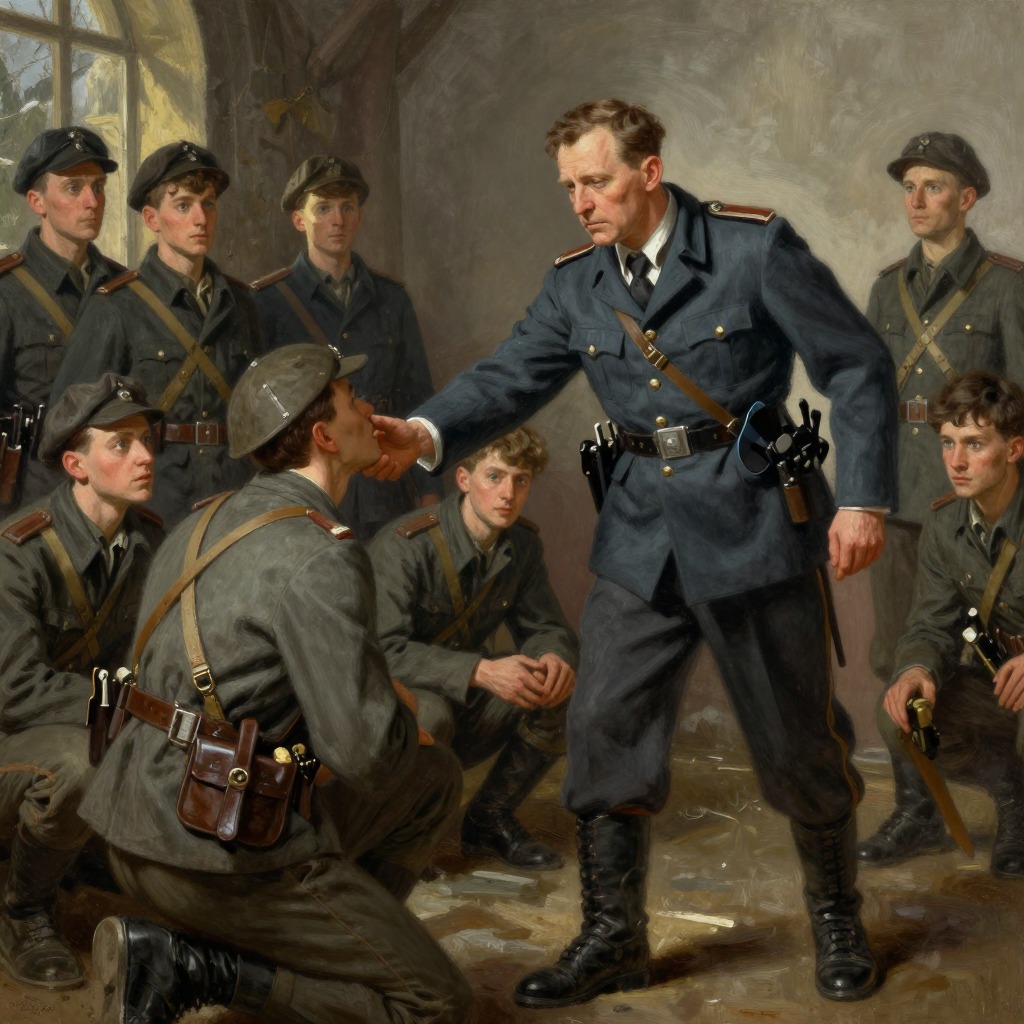
Kantorek's Humiliation
The reversal of power between the schoolmaster Kantorek and his former student Mittelstaedt, who becomes his superior and humiliates him.
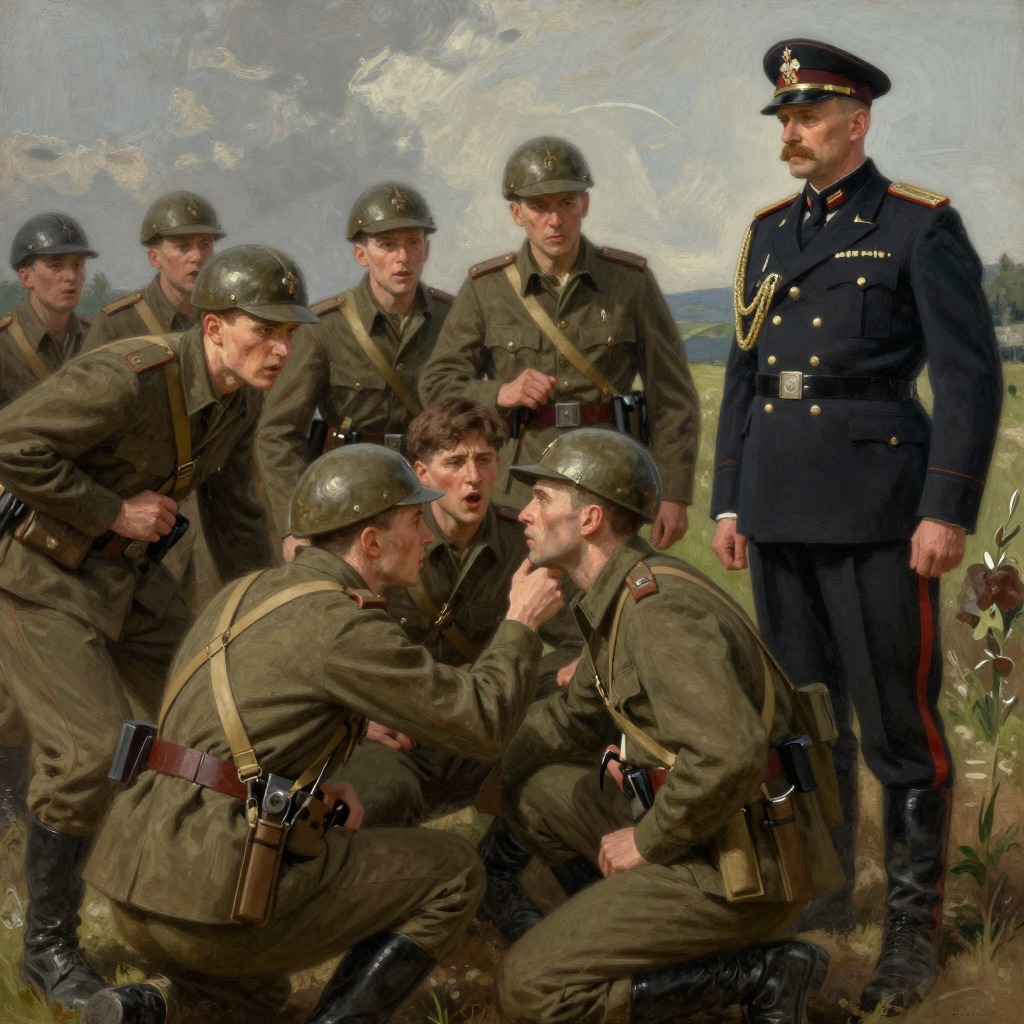
The Conflict Between Soldiers and Authority
Traces the ongoing struggle between the soldiers and the military hierarchy, from Himmelstoss to the Kaiser, highlighting the absurdity of discipline.
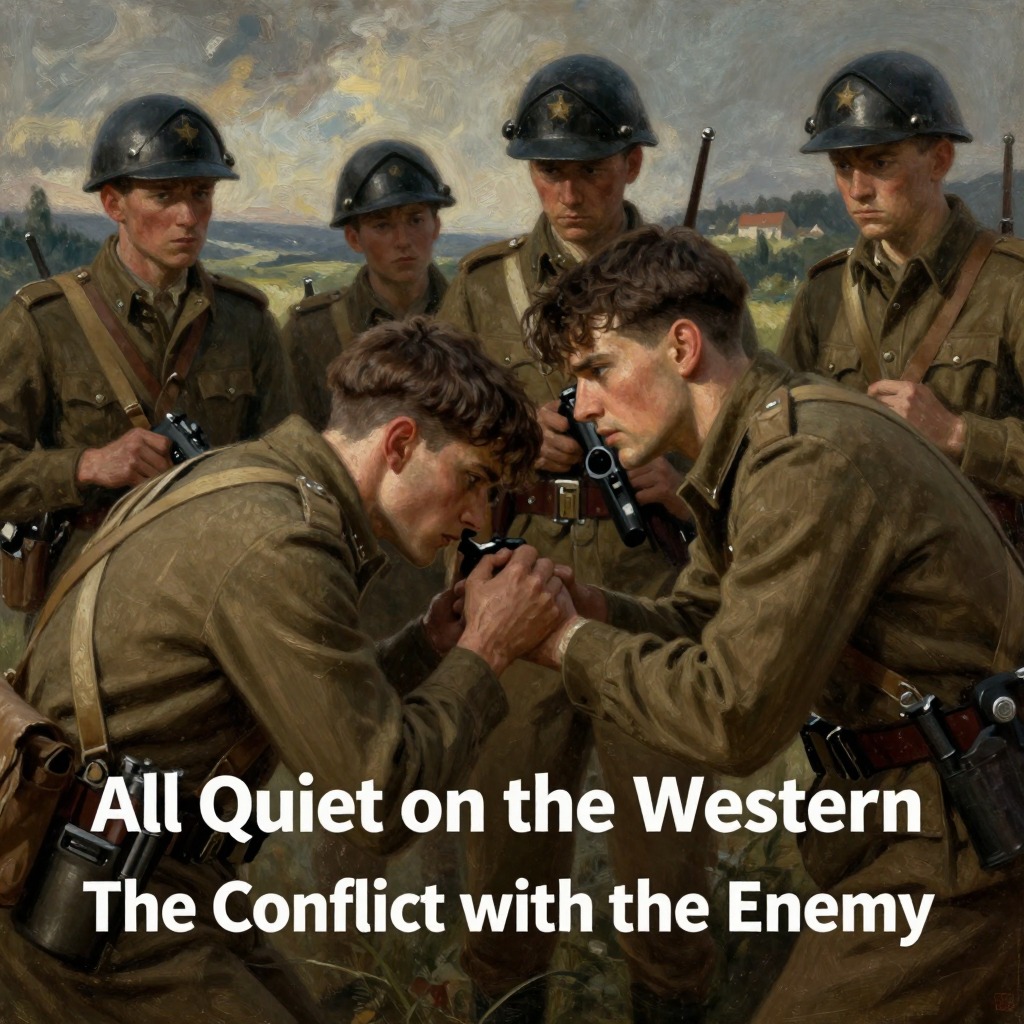
The Conflict with the Enemy
The evolving relationship with the enemy, from abstract hatred to the personal encounter with Gérard Duval, leading to remorse and understanding.
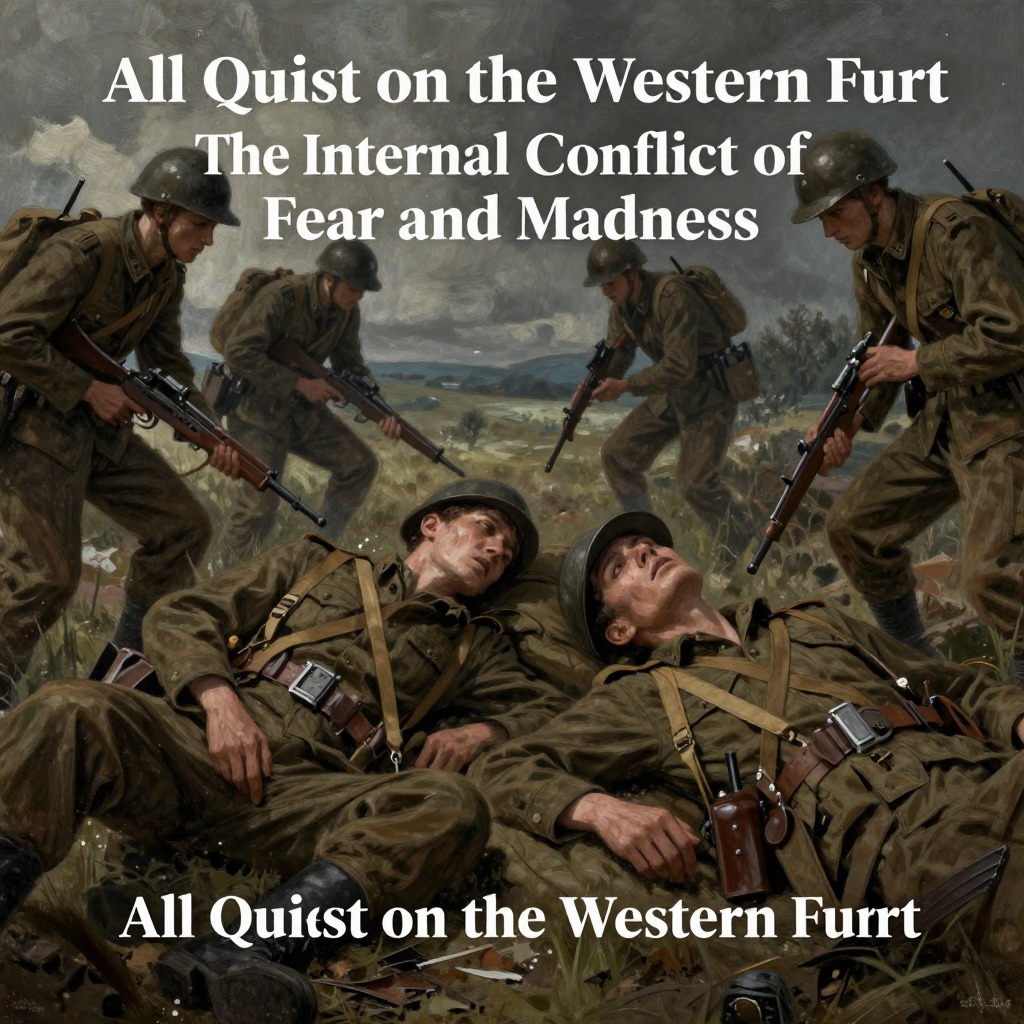
The Internal Conflict of Fear and Madness
The psychological battle within the soldiers as they face the constant threat of death, leading to shell shock, madness, and the struggle to hold on to sanity.
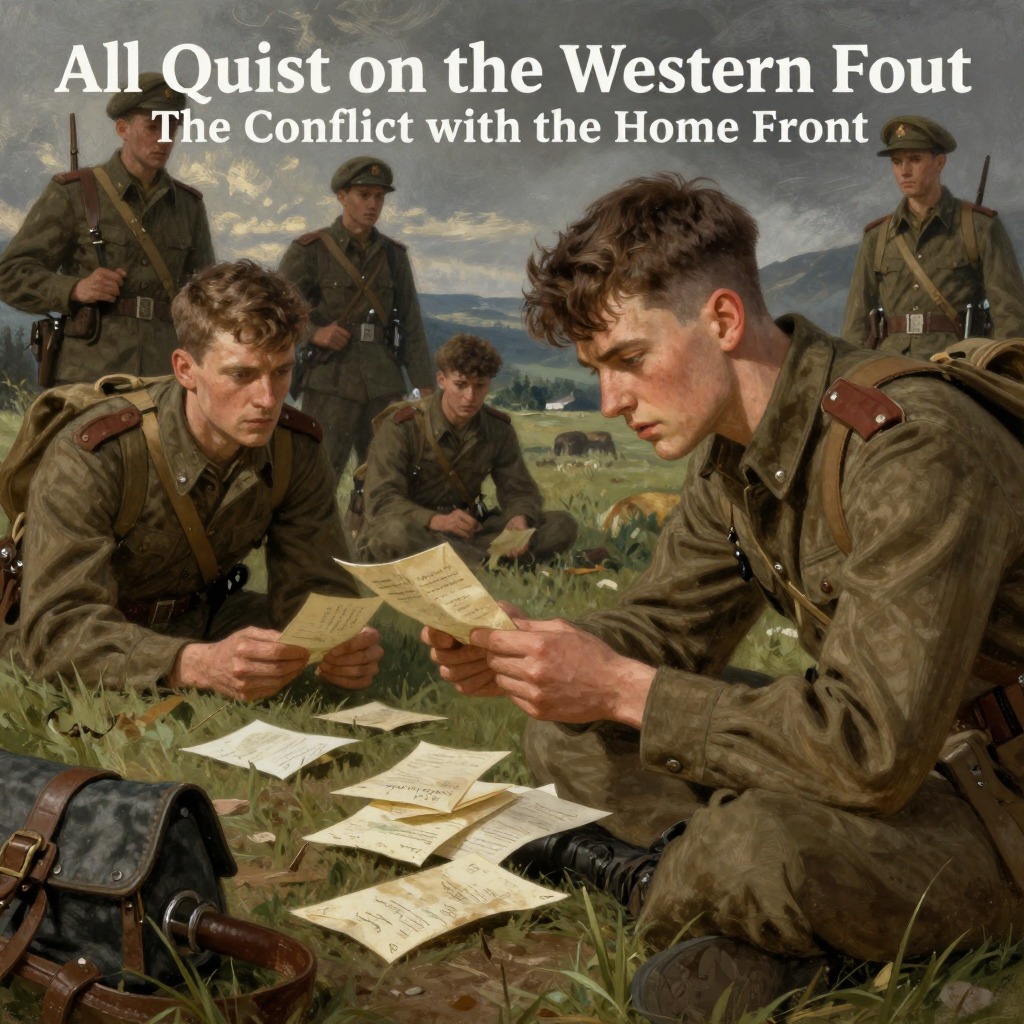
The Conflict with the Home Front
The clash between the soldiers' reality and the civilians' ignorance, experienced during Paul's leave and through letters.
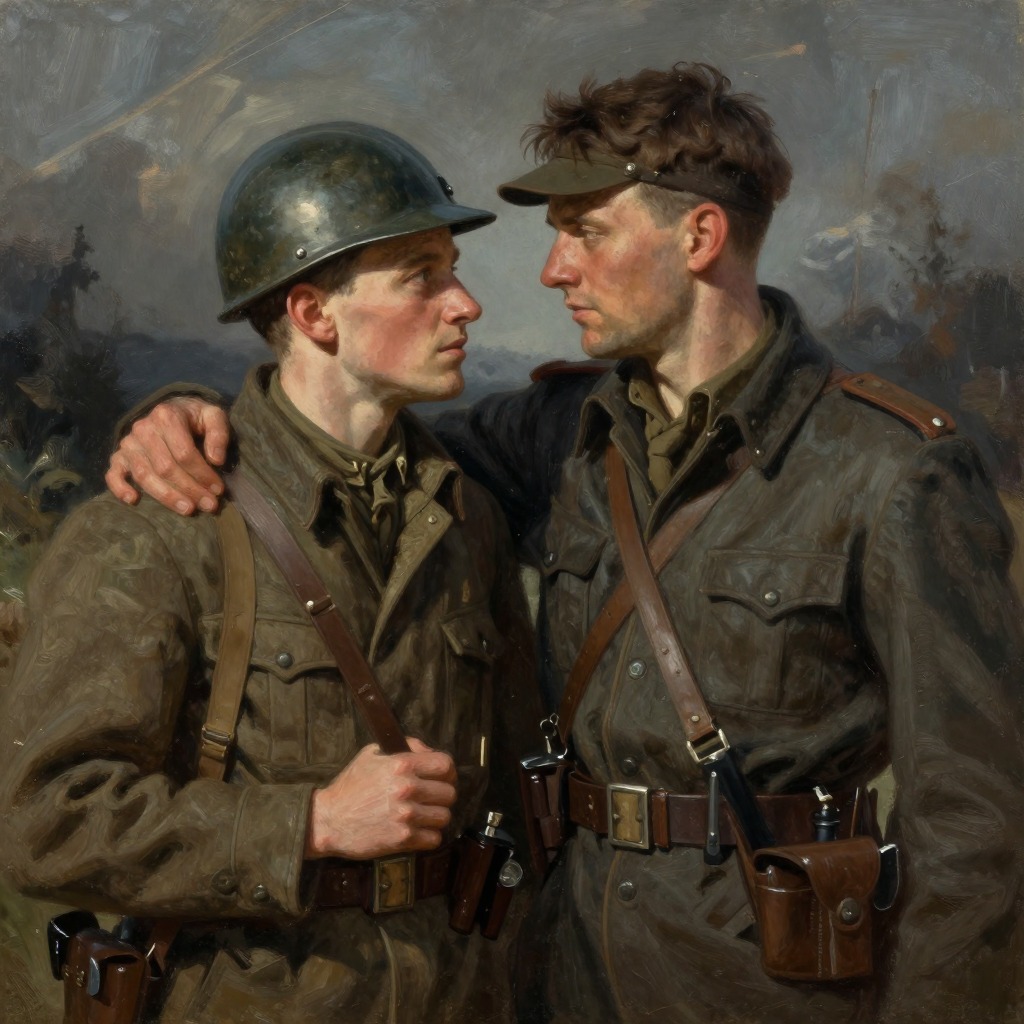
The Friendship of Paul and Kat
The deep bond between Paul Bäumer and Stanislaus Katczinsky, a father-son relationship that sustains Paul through the war.
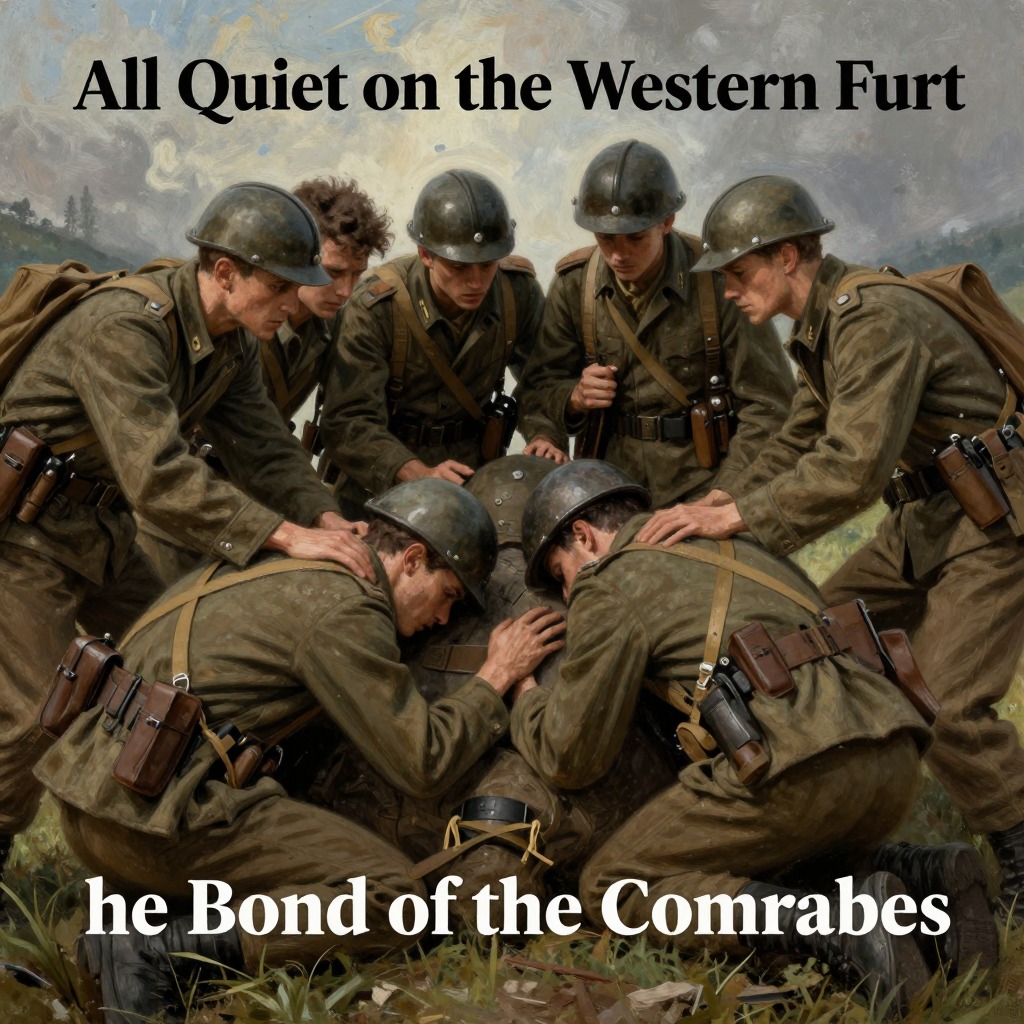
The Bond of the Comrades
The collective bond among the soldiers of the Second Company, which provides the only reliable support and meaning in the face of death.
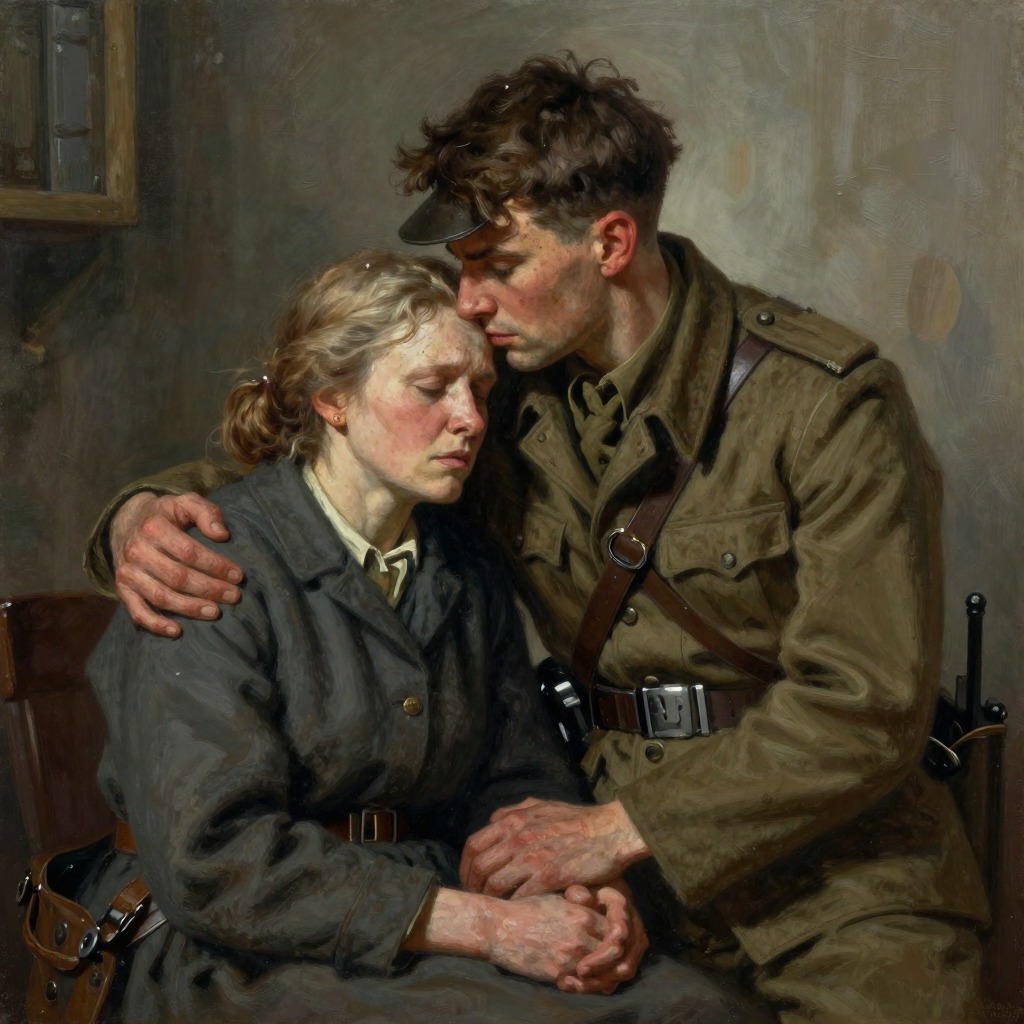
Paul's Love for His Mother
The relationship between Paul and his mother, marked by her illness, her sacrifices, and the painful distance that the war has created.
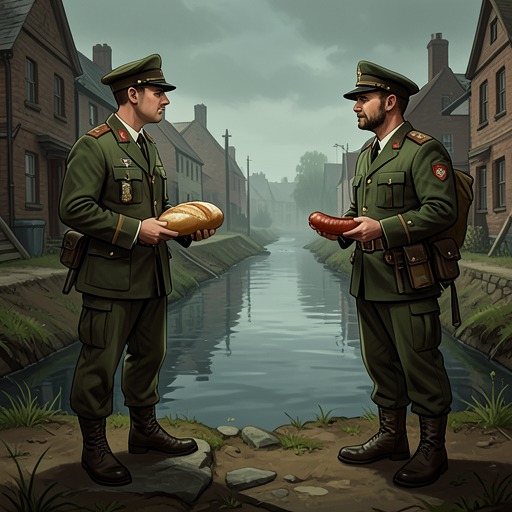
The Encounter with the French Woman
The brief, bittersweet encounter with the French woman across the canal, representing a lost world of love and tenderness.
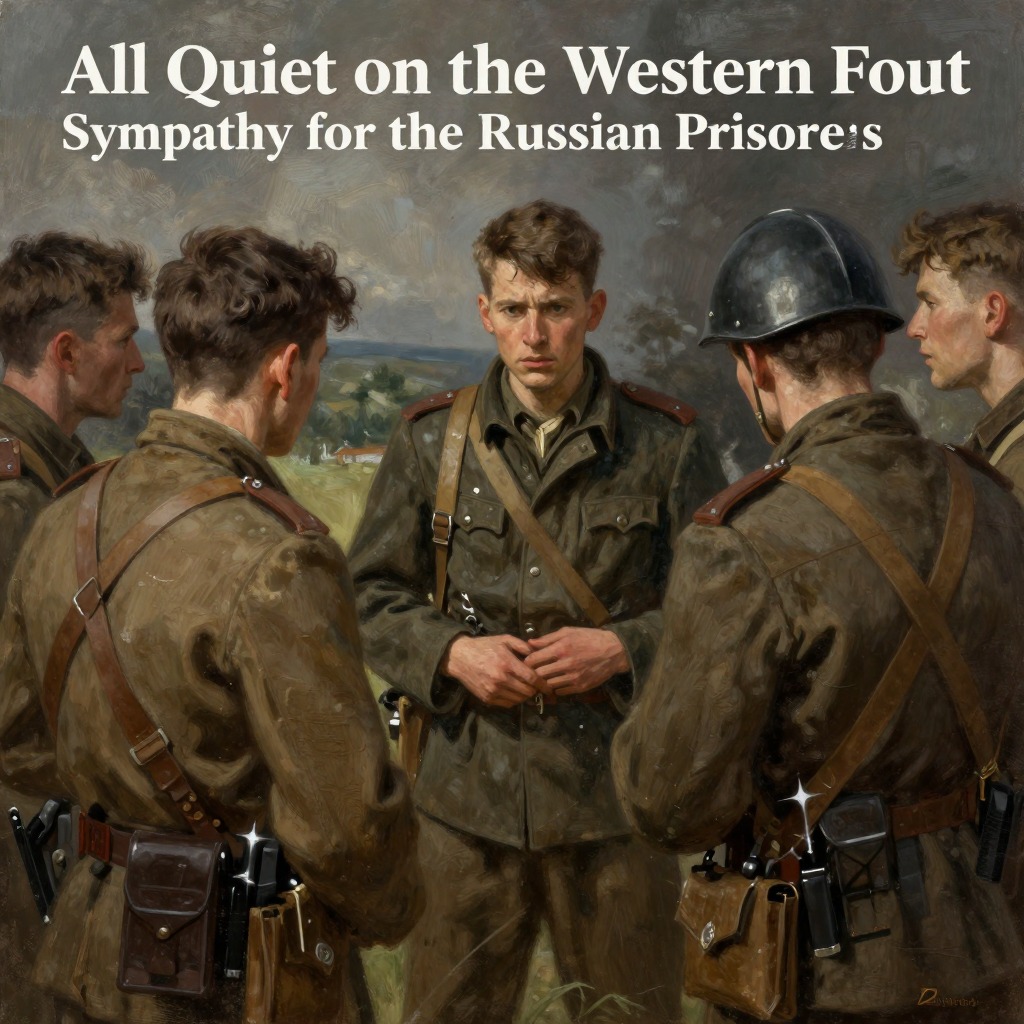
The Sympathy for the Russian Prisoners
Paul's growing empathy for the Russian prisoners, seeing them as fellow humans rather than enemies.
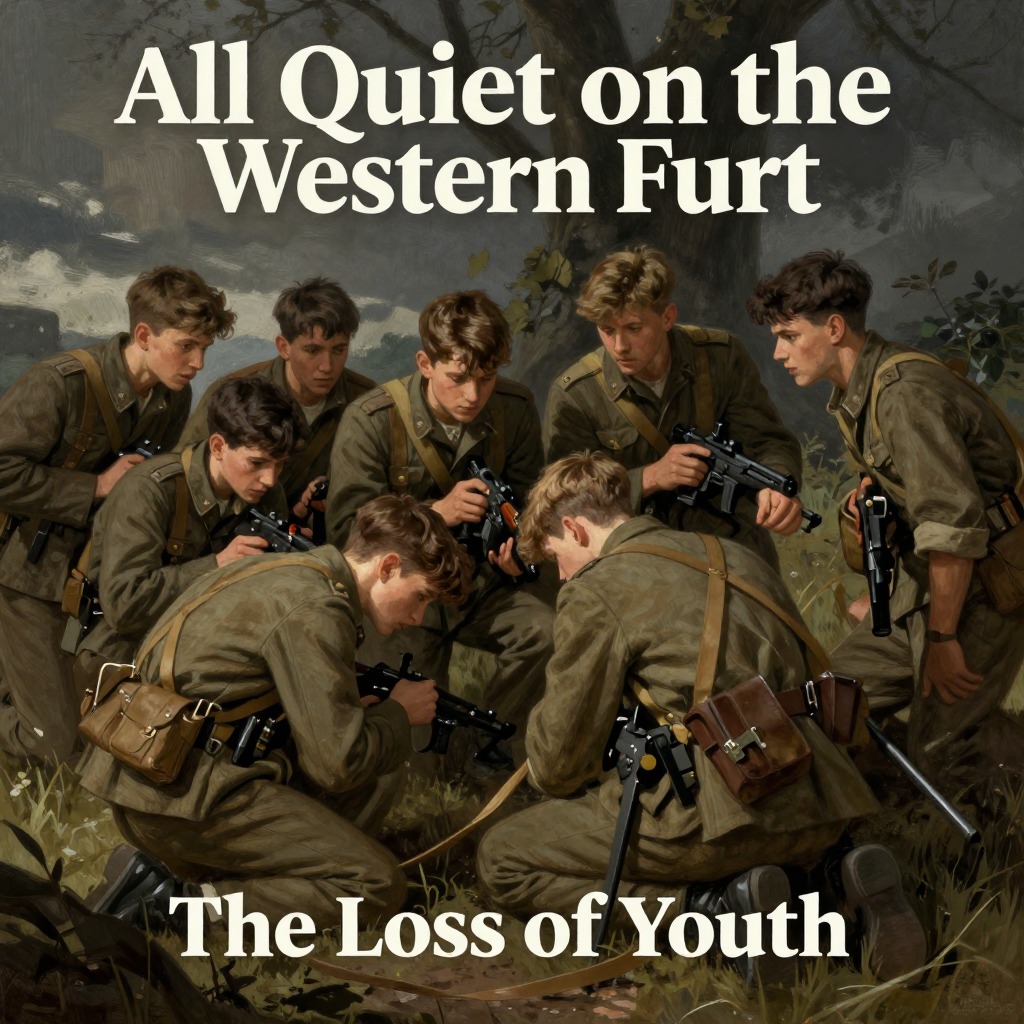
The Loss of Youth
The theme of how the war has stolen the youth of a generation, leaving them old before their time and unable to return to normal life.
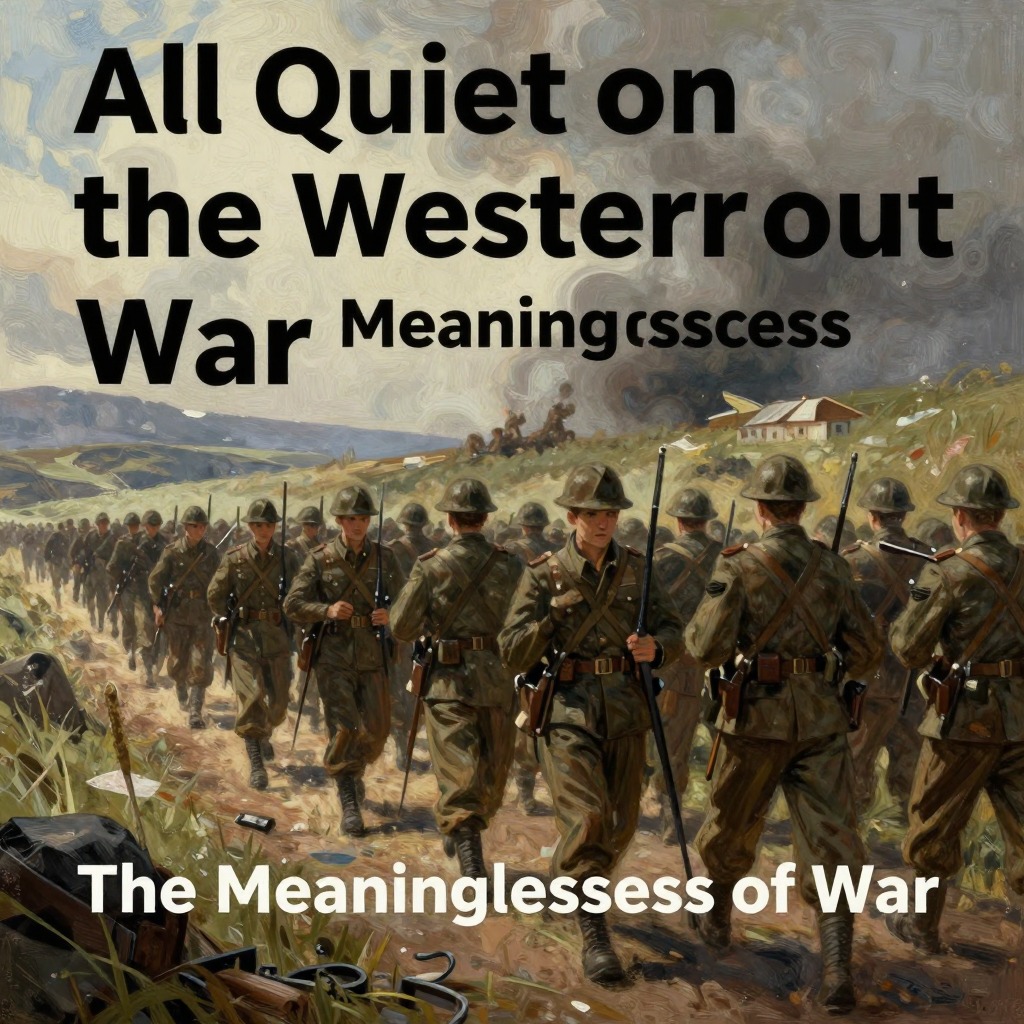
The Meaninglessness of War
The existential realization that the war is pointless, serving only the interests of the powerful, and that the soldiers are victims of a senseless slaughter.
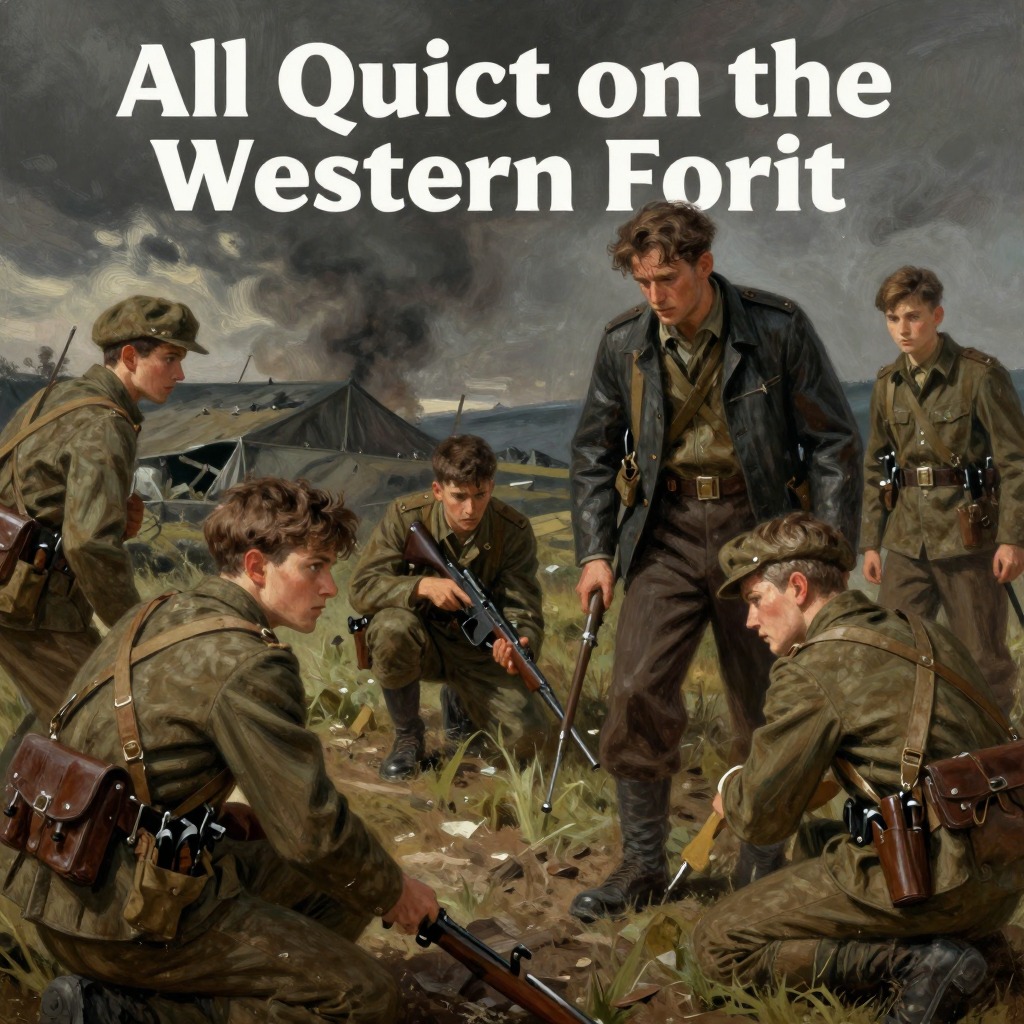
The Failure of Authority and Education
The betrayal of the younger generation by their teachers and parents, who preached patriotism and sent them to die in a war they did not understand.
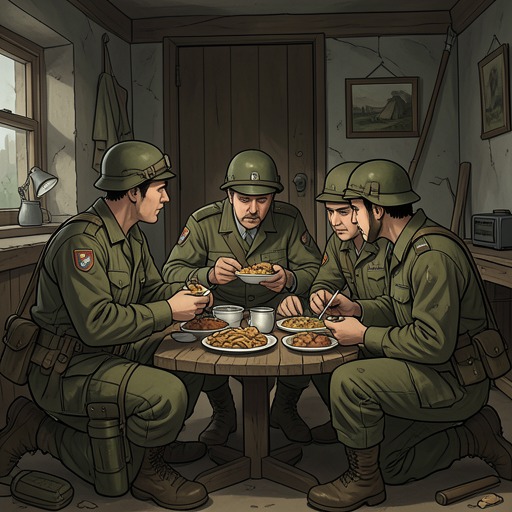
Comradeship as the Only Salvation
The theme that the only thing that makes the war bearable is the bond between soldiers, and that without it, they would be lost.
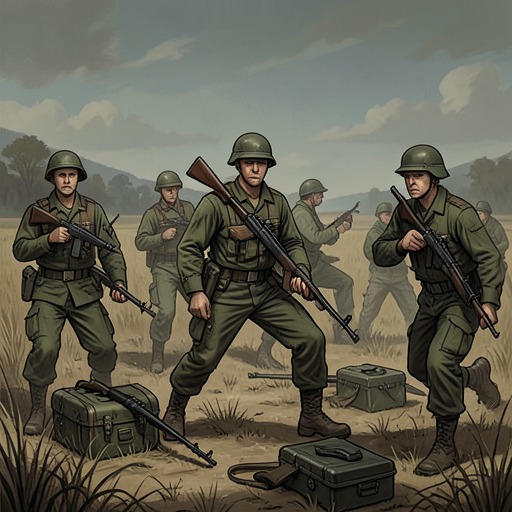
The Dehumanization of the Soldier
The process by which the soldiers are reduced to animals, losing their individuality and humanity in order to survive.