Robert Pack
DopesickRobert Pack, a public health professor and addiction researcher, emerges as an advocate for treating the opioid crisis as a problem that institutions must address together. He describes systems that exist to respond to the crisis but fail to coordinate, and helps lead a coalition that turns collaboration into practical projects. Its most visible effort is Overmountain Recovery, a treatment clinic opened in Gray, Tennessee, after sustained local opposition.
Research and the problem of disconnected systems
The book introduces Pack through his diagnosis of institutional fragmentation. Across the epidemic, he observes, systems intended to address its problems operate without working together. In his account, collaboration is impeded in part because the institutions involved view the crisis through the different lenses of how they are funded. The result is not simply a shortage of good intentions: services and authorities can be present while still failing to form a connected response.
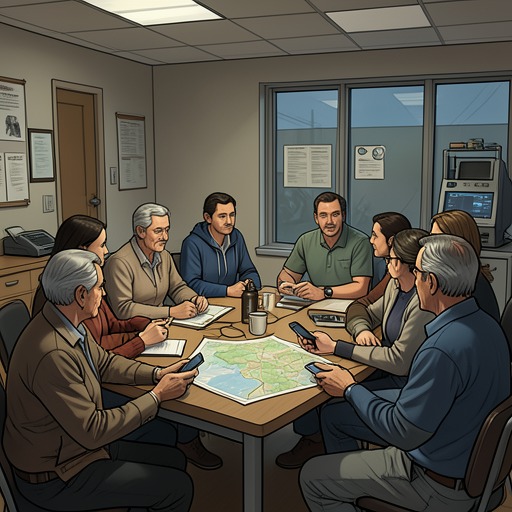
That diagnosis gives Pack’s work a practical focus. Rather than treating addiction as the responsibility of a single profession or agency, he works with administrators and institutions across sectors. The book presents the East Tennessee State University working group as an alliance of mental-health and substance-abuse administrators, designed to counter bureaucratic rigidity through shared projects. Pack’s research itself began after an opioid-related suicide took the life of a dear friend in 2006, a personal loss that preceded and informed his work on addiction.
Building a regional coalition
With backing from East Tennessee State University, a regional nonprofit hospital corporation, and the state mental-health agency, the working group developed a portfolio of projects beyond any one clinic. It secured $2.5 million in grants, supported eight funded projects, generated twenty-five research proposals, and opened a Center for Prescription Drug Abuse focused on research. The book treats these achievements as evidence of what coordinated work could accomplish amid institutions otherwise prone to acting separately.
Pack co-led the group with Steve Loyd, a physician with local roots and personal experience of opioid addiction. Their partnership connected research and institutional support with a leader able to speak publicly about treatment in terms grounded in lived experience. The coalition’s work did not end with the clinic, but Overmountain Recovery became its clearest demonstration: a service designed to address treatment needs that the region’s existing provision left unmet.
Overmountain Recovery and its treatment model
The proposed clinic was deliberately named. Overmountain refers to the local farmers and frontiersmen known as the Overmountain Men, whose victory at the Battle of Kings Mountain helped turn the tide of the Revolutionary War; Recovery signals a treatment model broader than medication alone. The outpatient center was planned to offer counseling in groups and individually, yoga and other alternative therapies, and job-training support alongside medication.
The clinic would predominantly provide methadone, while eventually offering Suboxone as well. The book explains the choice in practical terms: methadone costs less and is harder to divert because participants drink their daily dose in front of a nurse. The nearest methadone facility had been about sixty miles away over a mountain, making a local service consequential for people who otherwise faced a substantial geographic barrier to care. Overmountain’s design thus joined medication with other forms of support rather than treating treatment as a prescription in isolation.
Opposition, negotiation, and opening
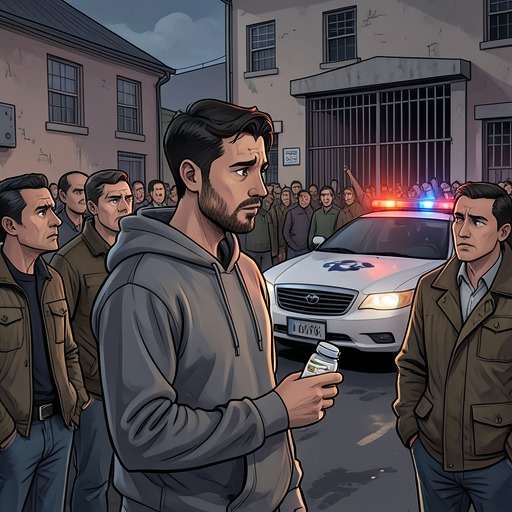
The coalition’s proposal faced intense resistance in Gray, a community of farmers and suburban residents with 1,222 people. Citizens to Maintain Gray, led by a respected local farmer, raised concerns that patients taking methadone might be unsafe drivers. Some opponents said privately to Pack and Loyd that a son of theirs was dealing with addiction, even as they objected to locating the center nearby. The conflict revealed the distance between recognizing addiction within a family and accepting a treatment service in one’s own community.
The working group met with residents and brought outside police chiefs and methadone providers into the discussion. Their examples and studies from other communities addressed local safety concerns and helped persuade decision-makers. The coalition endured more than a year of public opposition; over 300 residents spoke against the project, and some characterized Pack and Loyd as drug lords. Despite that resistance, the proposal won near-unanimous approval from the city zoning board and the state. Overmountain Recovery opened in September 2017.
Significance
Pack’s narrative role lies in linking a structural diagnosis to an institutional response. The book’s account of the epidemic includes treatment barriers and agencies whose efforts do not align; Pack’s work offers a counterexample in which a university, hospital, state agency, administrators, clinicians, and community participants cooperate on a concrete service. The coalition did not make opposition disappear, but it stayed in the conversation, answered concerns with outside expertise, and secured approval for a clinic that brought methadone treatment closer to the people it was intended to serve.
Overmountain therefore represents more than a new facility in Gray. Its opening demonstrates the model Pack and the working group advanced: combine research and institutional backing, make treatment accessible, and build services that include counseling and practical support. In the book, that collaborative effort stands as one of the strongest examples of challenging bureaucratic indifference through sustained local partnership.