Peregrin Took
Peregrin Took, called Pippin by nearly everyone who knows him, is one of the four hobbits whose journey from the Shire becomes the hinge of the War of the Ring. He is the youngest and most impulsive of the hobbit companions, a Took of the famously adventurous branch of hobbit-kind, and his restless curiosity repeatedly sets the great events of the age in motion. Over the course of the war he is transformed from a mischievous youth into a knight of Gondor who swears fealty to its Steward, and he returns home to become the Thain of the Shire, the hereditary master of the hobbits. His story is one of the most complete arcs in the tale, moving from comic relief to solemn duty without ever losing the warmth and impulsiveness that define him.
Identity and Background
Pippin is a hobbit of the Shire, a member of the Took clan, a family known for its un-hobbitlike fondness for adventure and its occasional dealings with the strange and the queer. He is the son of Paladin Took, and his full name, Peregrin, carries a hint of the wandering that his life will indeed take. In the Shire, hobbits are a people who value comfort, regularity, and a deep suspicion of anything that lies beyond their borders, and the Tooks are regarded as slightly odd for their willingness to venture out into the wide world. Pippin's youth is spent in this settled, pastoral world, where the greatest excitements are parties and the greatest scandals are family squabbles over inheritance. He is close friends with Meriadoc Brandybuck, another hobbit of a similarly adventurous bent, and the two are nearly inseparable, sharing a taste for mischief and a talent for finding themselves at the center of trouble.
Life and Plot Trajectory
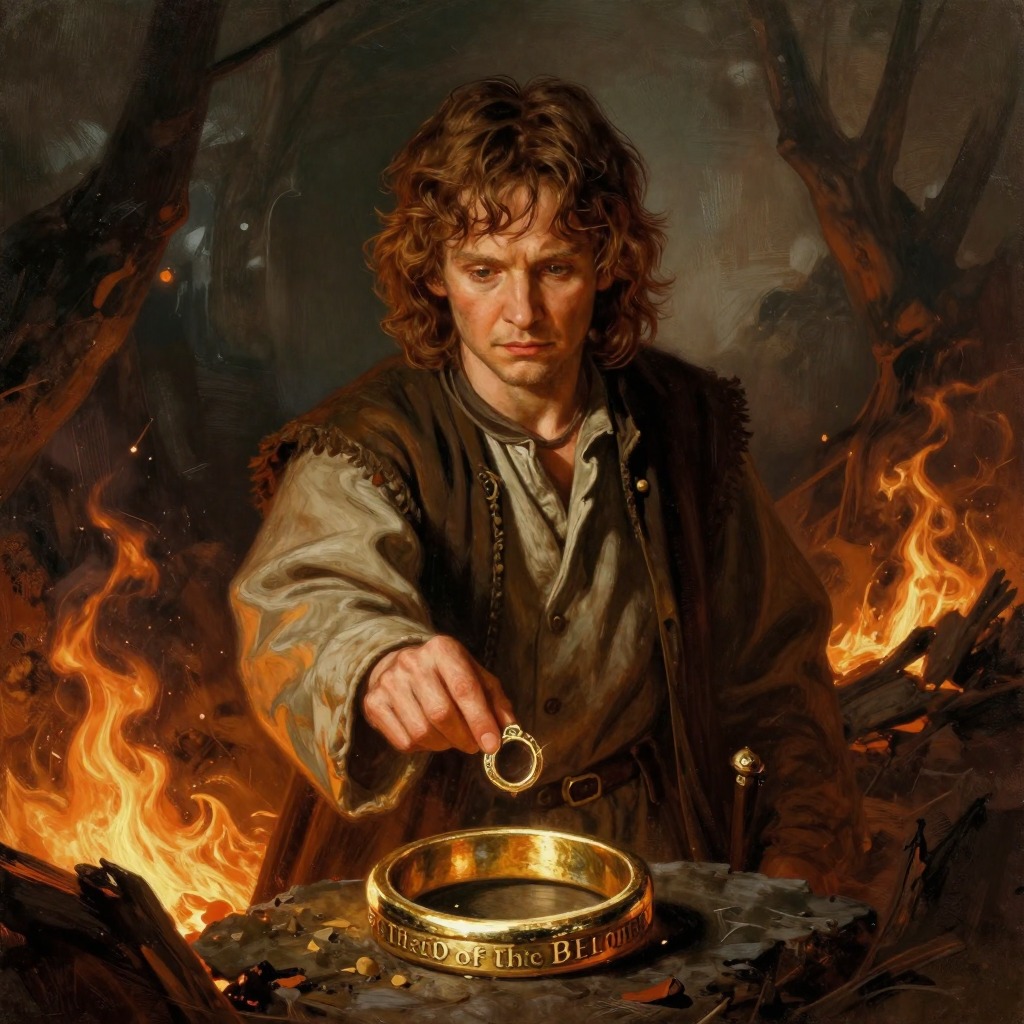
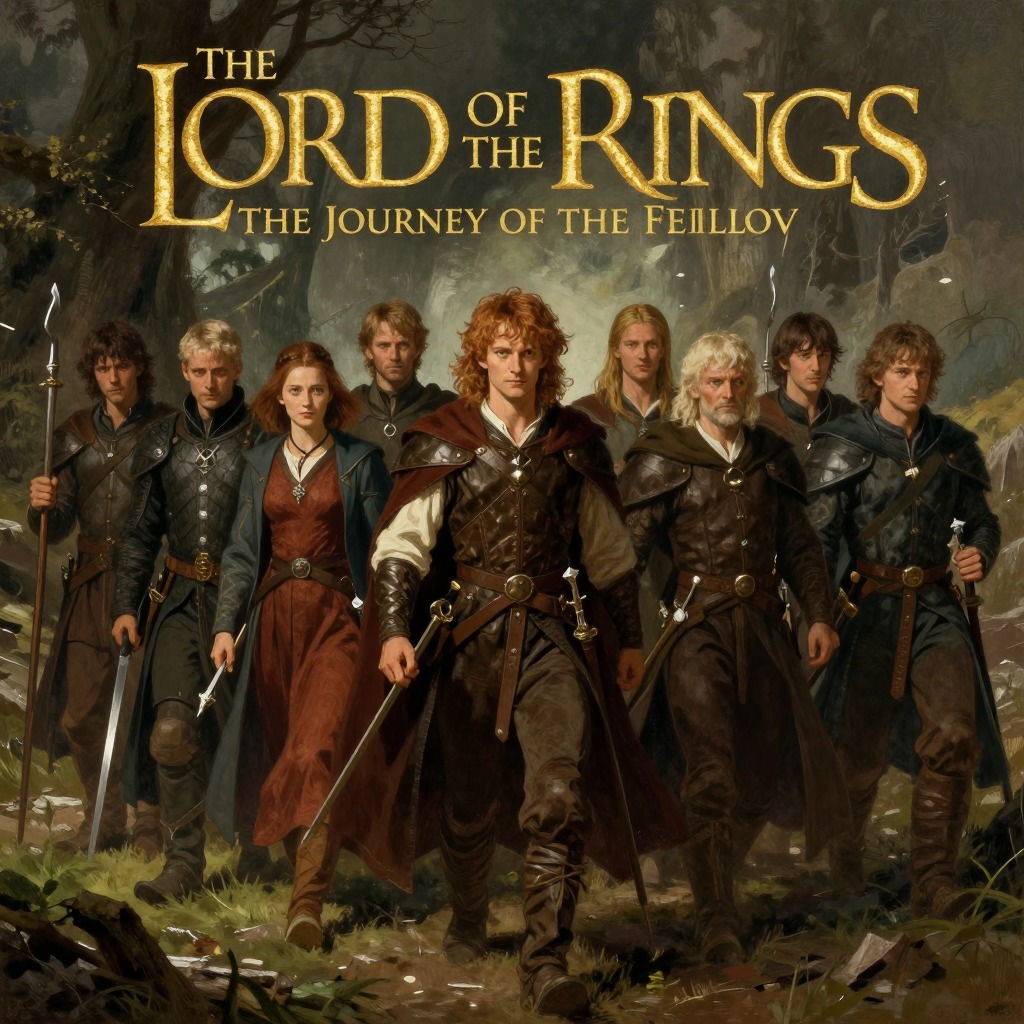
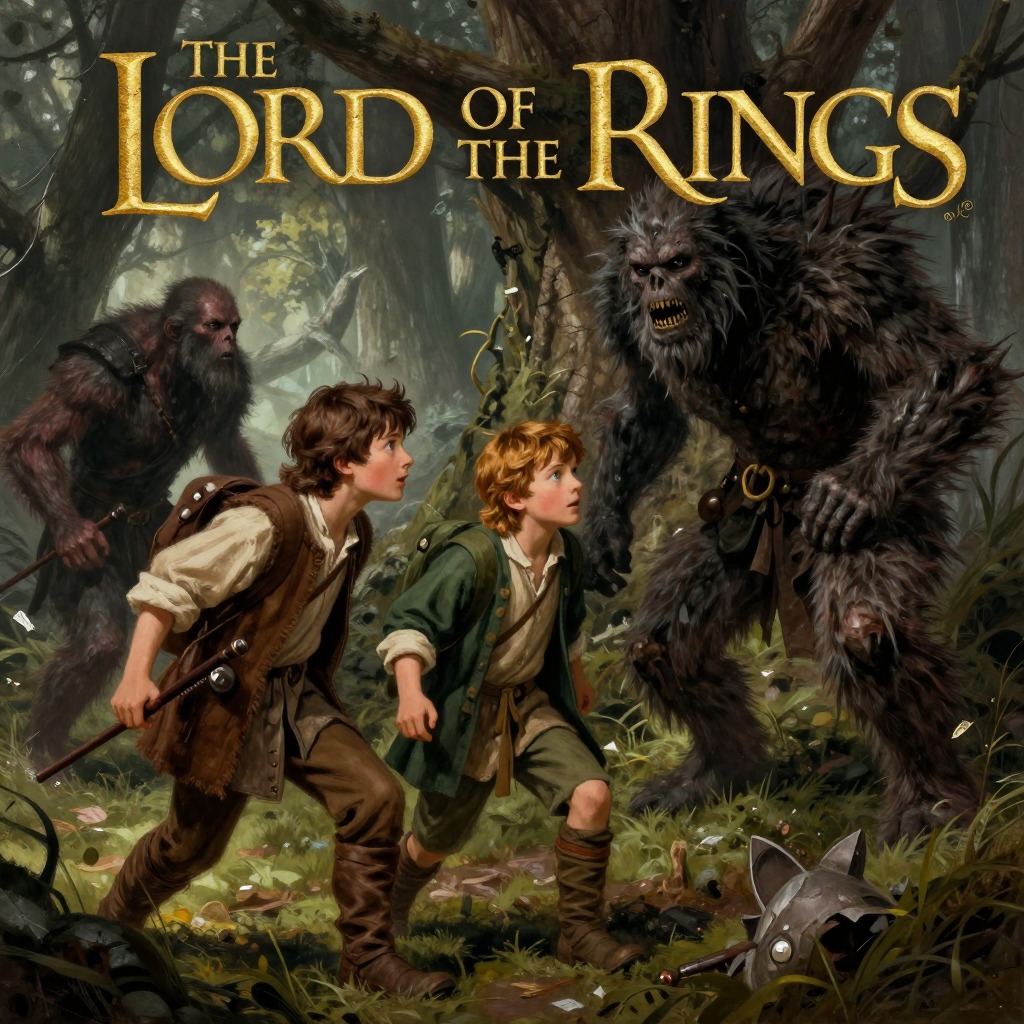
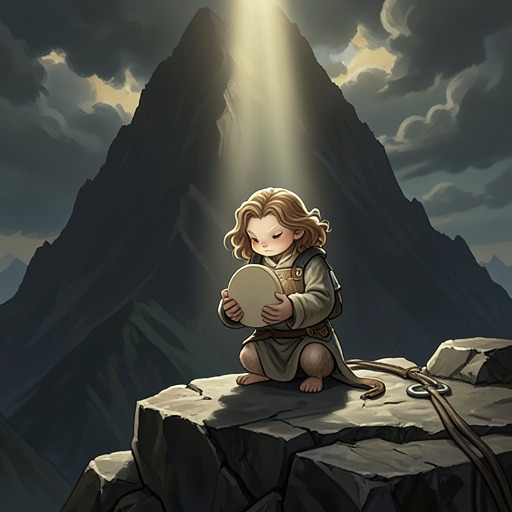
Pippin's life changes irrevocably when he becomes one of the companions of Frodo Baggins on the quest to destroy the One Ring. Along with Merry, he joins the Fellowship of the Ring, and his journey carries him from the comfortable lanes of the Shire into the darkest places of Middle-earth. His impulsiveness nearly undoes the quest more than once: it is Pippin who, in the mines of Moria, drops a stone down a well, alerting the orcs and the Balrog to the Fellowship's presence and precipitating the disaster that costs Gandalf his life. Later, after the Fellowship breaks, Pippin and Merry are captured by the Uruk-hai, and it is Pippin's cleverness in dropping a brooch that allows Aragorn, Legolas, and Gimli to track them—though the trail leads to the devastation of Fangorn Forest rather than to rescue. His most consequential act of curiosity comes when he looks into the palantír of Orthanc, a seeing-stone that brings him into direct mental contact with Sauron himself. The experience is terrifying and nearly breaks him, but it also reveals to the enemy that a hobbit bearing the Ring is abroad, and it sets in motion the chain of events that leads Pippin to Gondor.
Key Actions and Objectives
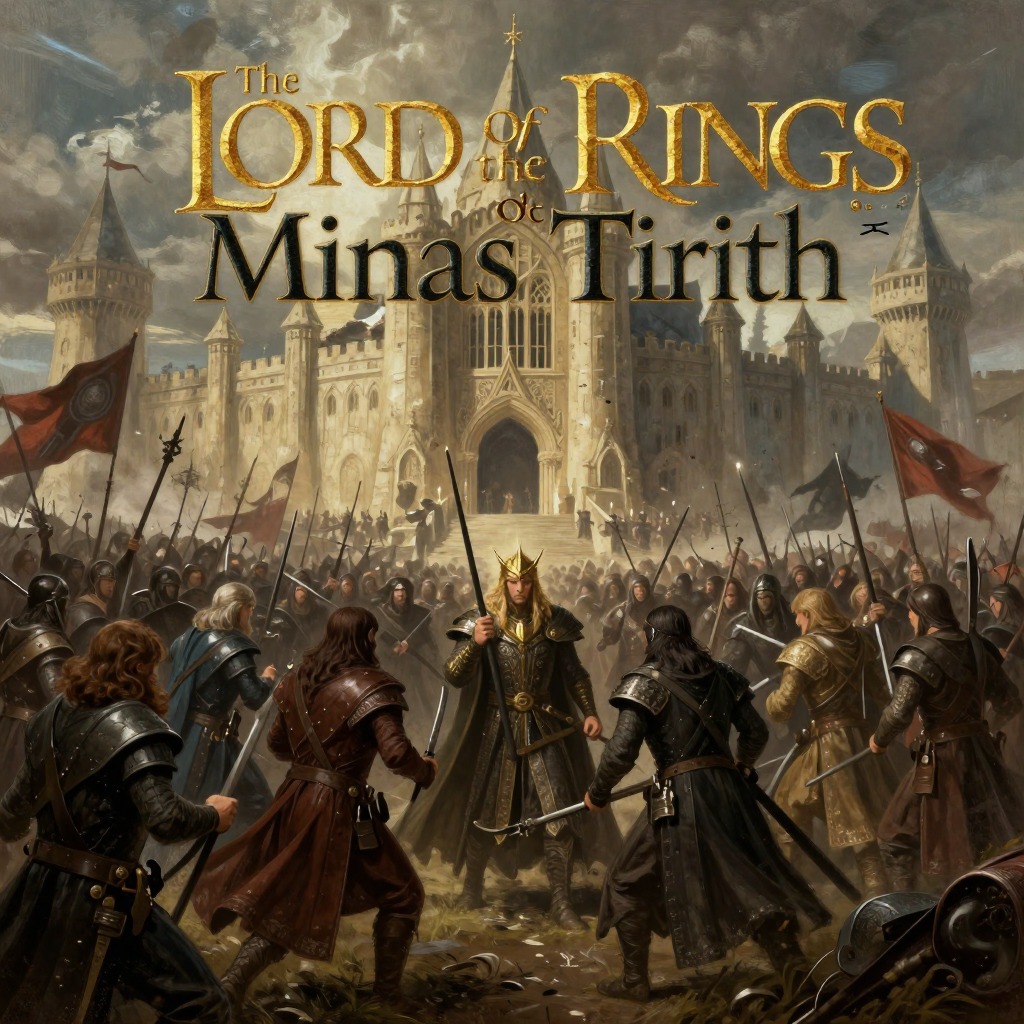
Pippin's defining act in the latter half of the war is his oath of fealty to Denethor, the Steward of Gondor. In the great hall of Minas Tirith, before the Steward and his silent servants, Pippin kneels and swears the ancient oath of service: "Here do I swear fealty and service to Gondor, and to the Lord and Steward of the realm, to speak and to be silent, to do and to let be, to come and to go, in need or plenty, in peace or war, in living or dying, from this hour henceforth, until my lord release me, or death take me, or the world end. So say I, Peregrin son of Paladin of the Shire of the Halflings." Denethor accepts the oath with the Steward's own response, promising "fealty with love, valour with honour, oath-breaking with vengeance," and then commands Pippin to speak and tell his full tale, especially all he can recall of Boromir, Denethor's beloved elder son. The oath binds Pippin to the service of Gondor, and it is in this service that he finds his purpose, standing guard in the citadel and witnessing the madness of Denethor as the Steward descends into despair.
Relationships and Conflict
Pippin's relationships are defined by a series of loyalties that deepen as the war progresses. His bond with Merry is the oldest and most constant, a friendship of shared mischief that endures through capture, battle, and separation. His relationship with Gandalf is that of a mentor and a troublesome charge; Gandalf is often exasperated by Pippin's recklessness, but he also protects him and guides him, and it is Gandalf who brings Pippin to Gondor after the palantír incident. With Denethor, Pippin's relationship is one of formal service and uneasy watchfulness, as the hobbit becomes a witness to the Steward's growing madness and his terrible grief for Boromir. Pippin also forms a bond with Beregond, a soldier of Gondor, and with Bergil, Beregond's young son, finding in the midst of war a measure of friendship and human warmth. His most dramatic conflict comes in the Shire itself, after the war is won, when he and his companions return to find their homeland under the heel of ruffians. When a squint-eyed rascal mocks Frodo, calling the Ring-bearer "little cock-a-whoop," Pippin's patience snaps; his thoughts go back to the Field of Cormallen, and he casts back his cloak, flashes out his sword, and the silver and sable of Gondor gleam on him as he rides forward, a hobbit transformed by war into a knight.
Change and Ending
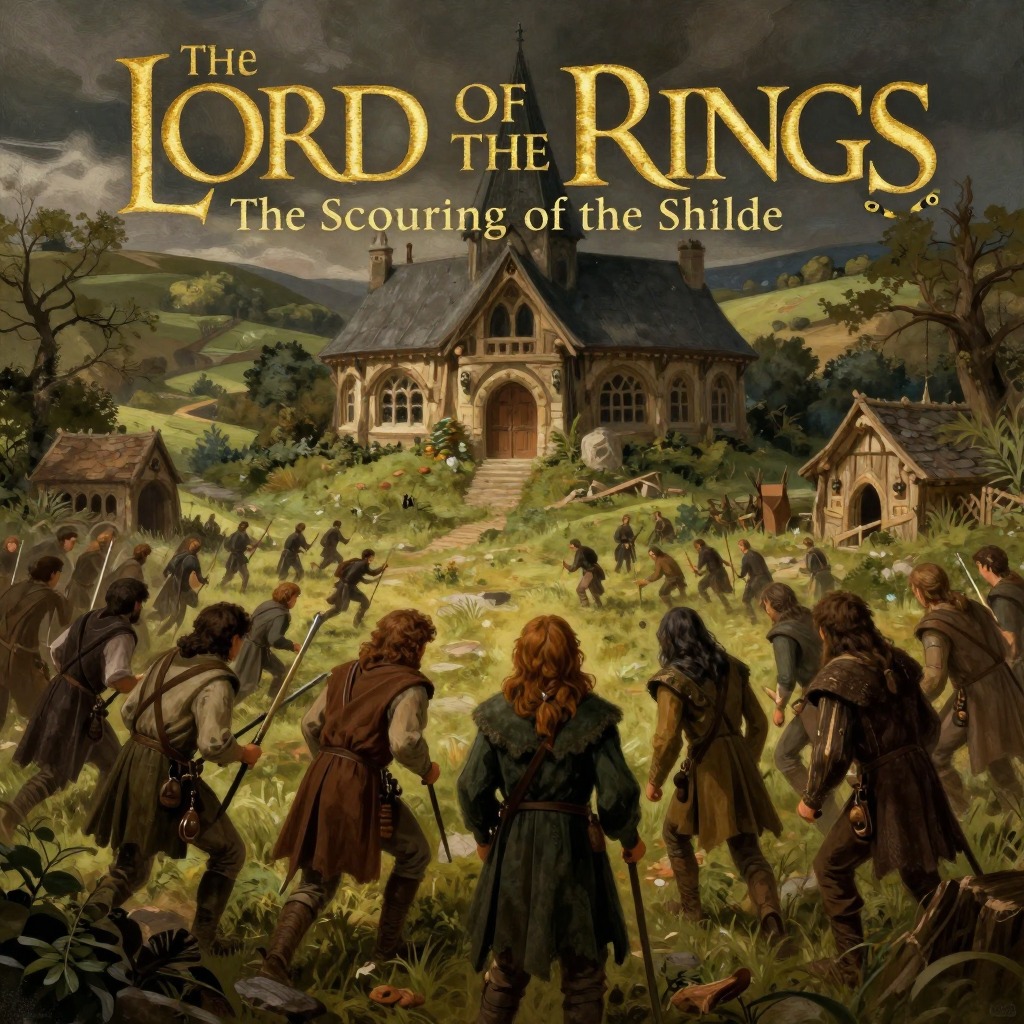
Pippin's transformation is complete by the end of the war. The mischievous hobbit who dropped a stone in Moria has become a knight of Gondor, sworn to the service of the Steward, and a veteran of the great battles of the age. He returns to the Shire not as the youth who left it, but as a warrior and a leader, and he plays a part in the Scouring of the Shire, the final battle to free his homeland from the tyranny of Saruman's ruffians. In the years that follow, he rises to become the Thain of the Shire, the hereditary leader of the hobbits, a role that suits the Tookish love of adventure and the new seriousness that the war has given him. His story ends not in the Shire, however, but in the company of the other Ring-bearers and their companions, as they ride to the Grey Havens to see Frodo depart into the West. Pippin, like Merry, chooses to remain in Middle-earth, but his life has been permanently marked by the great events he helped to shape.
Narrative Role and Evaluation
Pippin serves as one of the primary points of view for the reader, a hobbit whose ordinary perspective makes the vast and terrible events of the war comprehensible. His impulsiveness is a narrative engine, driving the plot forward through mistakes that have enormous consequences, from the disaster in Moria to the revelation of the palantír. But he is also a figure of growth, and his arc from comic relief to solemn knight is one of the most satisfying in the tale. His oath to Denethor is a moment of profound seriousness, a hobbit binding himself to the service of a dying realm, and his final confrontation with the ruffian in the Shire shows how far he has come. Pippin is, in the end, a testament to the idea that courage is found in unlikely places, and that even the smallest and most frivolous of creatures can rise to meet the demands of an age of war.