Harriet
BlondeHarriet is Norma Jeane Baker’s withdrawn friend and Irina’s mother, living in the wartime community of Verdugo Gardens while her husband is away. Their relationship turns on a painful imbalance: Norma Jeane tends to Irina and imagines herself as a mother to the child, while Harriet, increasingly isolated and unresponsive, does not share or acknowledge that attachment. When Harriet disappears with Irina in March 1944, the loss reveals both the depth of Norma Jeane’s bond with the little girl and the limits of her claim to care for her.
Identity and Wartime Setting
At Verdugo Gardens, many women are living without husbands sent overseas or assigned elsewhere by the war. The narrative divides their circumstances into those of the fortunate and the unfortunate; Harriet belongs to the latter group. She shares an apartment with two other wives whose husbands are also away, but does not seek company among them. Her husband’s absence is part of the setting, not a developed account of their marriage: the story chiefly shows how Harriet withdraws from the people around her.
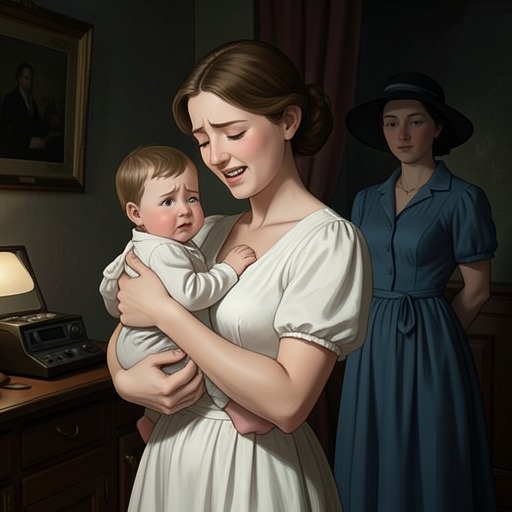
While Norma Jeane is at work at Lockheed, Harriet is often alone in the apartment. When Norma Jeane takes Irina out in the stroller, Harriet remains on a worn sofa with the blinds lowered and no radio playing. The quiet stands out because Norma Jeane cannot bear to be alone at home for even five minutes without the radio on. It marks not simply a difference in habit but the separation between Harriet’s retreat and Norma Jeane’s busy, outwardly cheerful effort to keep company with her and the child.
Care for Irina and Growing Distance
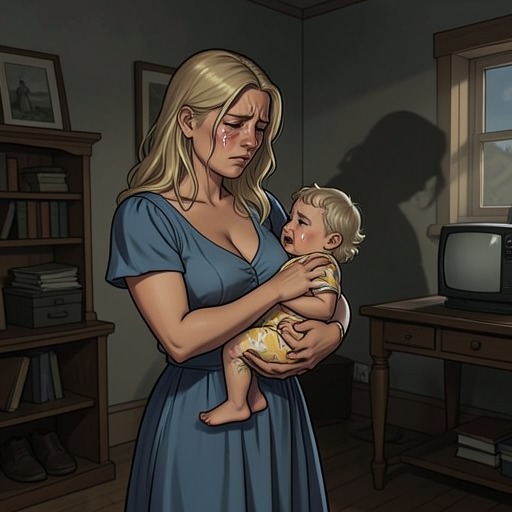
Norma Jeane returns from walks calling out that she and Irina are back, then carries the child inside and hands her to Harriet. She fills the silence with accounts of their outing and questions addressed to Irina, while Harriet lies rigid on the sofa. The narration describes Harriet as swollen-faced, sallow, and bloodshot-eyed, and notes that she has gained ten pounds since December. Norma Jeane senses anger and resentment in the room, though the account leaves open whether Harriet’s tears express grief or something beyond it.
Norma Jeane imagines asking why she cannot be Irina’s mother if Harriet does not want the role. The thought expresses an attachment, not an arrangement Harriet has agreed to. Norma Jeane is unsure whether Harriet is still her friend, or whether she ever truly was: Harriet has rejected the other women in the apartment as pathetic and depressing, and is often too exhausted, by her own account, to speak even with either set of parents. She says she lacks the patience to bear other people’s emotions. Her withdrawal therefore reaches beyond Norma Jeane, although it is Norma Jeane who continues to approach her with Irina.
The Cloth Tiger and the Confrontation
Using a pattern from Family Circle, Norma Jeane makes Irina a stuffed tiger from orange cotton socks, black fabric strips, and cotton batting. A cloth-covered wire forms the tail; shiny black buttons serve as eyes, and pipe cleaners from Woolworth become the whiskers. Irina embraces the toy, puts it down, and crawls after it, babbling as if urging it onward. Norma Jeane laughs with pleasure at the child’s delight. Harriet watches without visible interest, smoking another cigarette.
Harriet calls Norma Jeane a perfect wife and perfect mother, but the praise is sarcastic and wounds her. Norma Jeane answers with a gently reproving appeal to the religious wrongness of being unhappy while blessed with such a splendid daughter. Harriet first seems to awaken to the exchange, then calls herself a sinner and tells Norma Jeane to leave. The encounter makes the difference between them explicit: Norma Jeane treats Irina’s presence as a gift and her own caretaking as loving service; Harriet rejects the moral judgment implicit in that performance. The toy brings the child joy, but it does not reconcile the women or establish Norma Jeane’s place as a parent.
Disappearance and Its Consequences
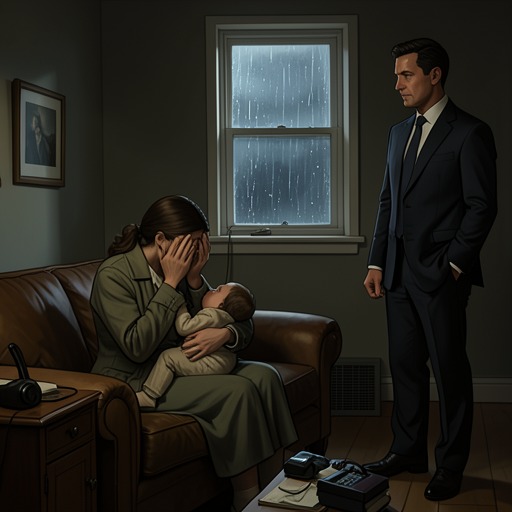
In March 1944, Harriet vanishes from Verdugo Gardens with Irina, leaving most of her few belongings behind and saying nothing to Norma Jeane. Norma Jeane is aghast at losing the child and cannot believe Harriet would leave without letting them say goodbye. She tries to report the disappearance to the police in Mission Hills, but stammers so badly that she hangs up. She understands that the attempt is unlikely to change anything: Harriet is an adult and Irina’s mother, and Harriet has apparently chosen to leave.
Norma Jeane loves Irina more than she believes Harriet does and is certain the child returns her affection, but that conviction gives her no legal or practical power to bring Irina back. Harriet and Irina disappear from her life as abruptly as they entered it. The child’s father remains officially missing, and his remains are never found. His unresolved absence gives the departure a wider shadow, though the narrative does not establish what happened to him.
Fear, Dream, and Narrative Significance
After the disappearance, Norma Jeane can almost remember taking Irina to Gladys and receiving a blessing, but she holds that memory with the vagueness of a dream. With Irina gone, the imagined blessing cannot confirm that the child will return. Norma Jeane’s fear takes shape in a dream of Harriet bathing Irina in scalding water while the child cries out. Norma Jeane runs through a steam-filled corridor without doors, unable to find the room or save her. The scene registers her terror; it is not evidence that Harriet actually harmed Irina.
Waking, Norma Jeane retreats to a bathtub filled with boiling water, where Bucky Glazer finds her at six in the morning. The echo between the dreamed danger to Irina and Norma Jeane’s own exposure to the hot water binds separation to helplessness without resolving either. Harriet’s brief presence in the story thus leaves an absence that shapes Norma Jeane’s attachment and fear: the woman who rejects her friend’s attempts at closeness nevertheless takes away the child around whom those attempts have gathered.