Triumfalnaya Square
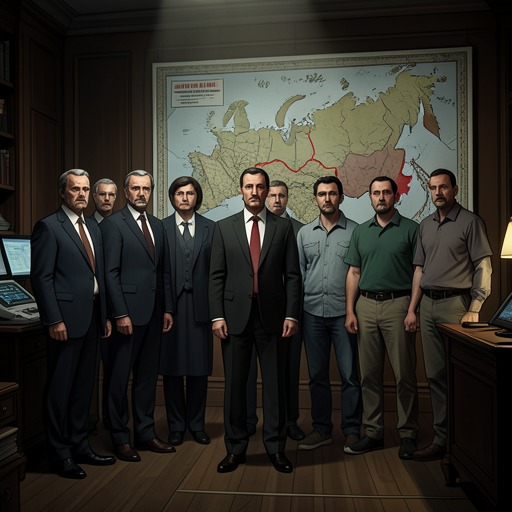
LimonovTriumfalnaya Square is presented as the gathering place for Strategy 31, a movement founded by Eduard Limonov after the opposition coalition The Other Russia had effectively collapsed. On months with a thirty-first day, demonstrators assembled there to exercise the constitutional right to demonstrate. The square’s political significance lies in this recurring confrontation: a right asserted in public, met by police on a scale that made each gathering an uneven contest.
Strategy 31 and the Square
Strategy 31 took its name from Article 31 of the Russian Constitution, which guarantees the right to demonstrate. The movement translated that provision into a regular, easily recognized action: gathering at Triumfalnaya Square on the thirty-first of each eligible month. Rather than a single mass rally, the pattern made the square a repeated point of assembly for people seeking to put a constitutional guarantee into practice.
The campaign followed the demise of The Other Russia, the opposition movement in which Limonov had worked alongside Garry Kasparov. The coalition’s failure in the presidential elections and Kasparov’s decision not to run left Limonov pursuing a different form of opposition politics. Strategy 31 tied that effort to a specific place, date, and legal claim.
Demonstrations and Arrests
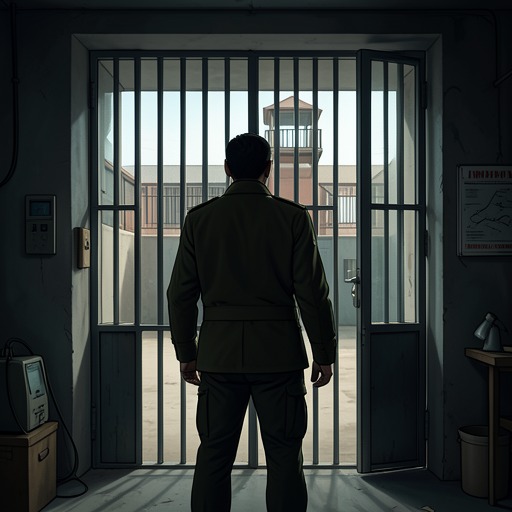
The gatherings were modest in size. There were generally about a hundred demonstrators, while the police presence was roughly five times larger. Officers arrested a few dozen protesters at a time. Limonov regularly spent a couple of days in prison as a result of the demonstrations, making detention a recurring consequence of the campaign rather than an exceptional interruption.
The imbalance between the assembled protesters and the police gave the square’s demonstrations their defining character. The action invoked a formal constitutional right, yet the immediate scene described in the book was one in which a small group attempting to demonstrate could be outnumbered and arrested. The reports filed by foreign correspondents recorded these events, but the narrative presents the reporting as routine: the cycle of assembly, arrest, and brief imprisonment had become familiar.
Opposition after The Other Russia
Limonov also tried to establish and lead a national assembly of opposition forces, a project supported by some older democrats and human-rights activists. Kasparov worked to pre-empt it by launching a platform of his own, and the former allies had become rivals. The account characterizes their competition as relatively mild; Limonov took satisfaction in his website attracting more visits than Kasparov’s.
Triumfalnaya Square belongs to this later phase of Limonov’s political trajectory. Earlier, the National Bolshevik Party had developed a substantial following, and the authorities later refused to register it, leaving it without the right to exist as a legal party. Strategy 31 offered a distinct, constitution-based form of street action after the opposition coalition’s failure. The square thus marks a shift from seeking influence through a broad political alliance to repeatedly testing the space available for public dissent.