
Unionism vs. Pleasure Faith: Religious Conflict in Oz
WickedExplores the tension between the traditional unionist religion and the hedonistic pleasure faith, and how this conflict shapes Oz's culture and politics.
increasing Bearing strength in each event
 decreasing
Bearing strength in each eventdecreasingFrex's Unionist Ministry
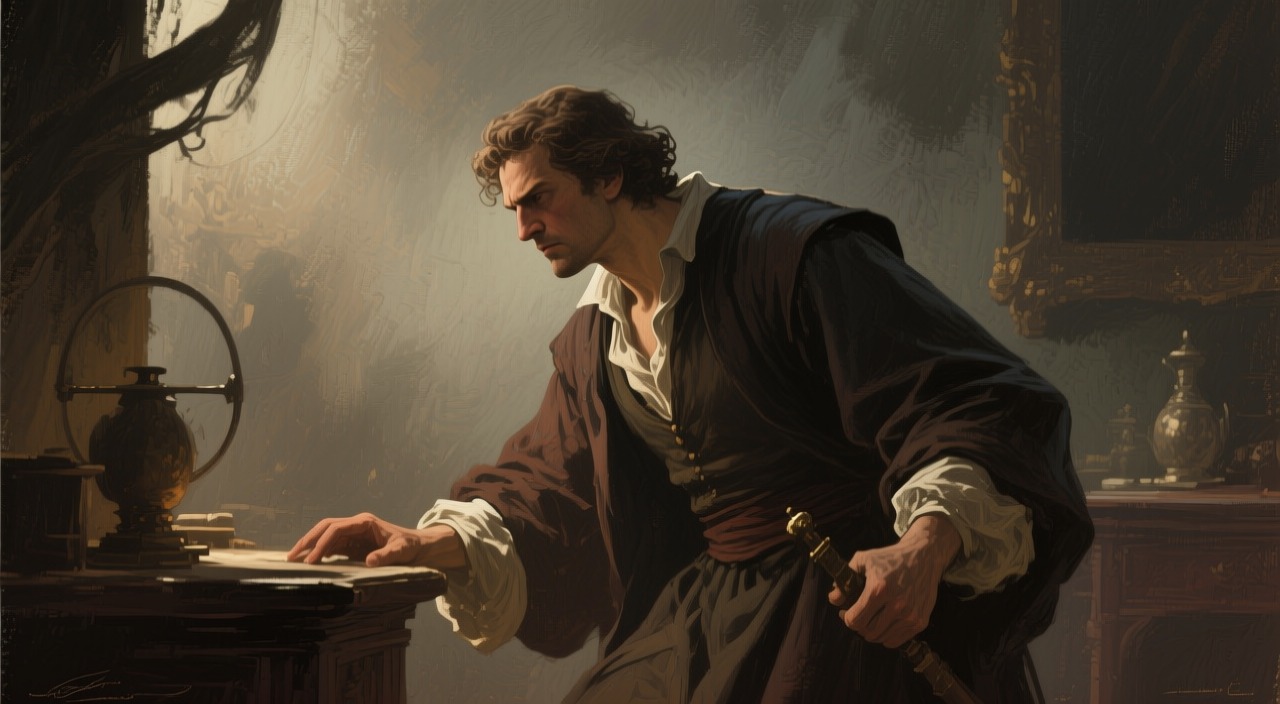
Frex's Unionist Ministry
A Devoted Preacher
Frex is a unionist minister who preaches against the pleasure faith. He sees it as a threat to morality.
The Clock of the Time Dragon
The Clock of the Time Dragon, a pleasure faith entertainment, arrives in Rush Margins. Frex tries to rally his flock against it.
Humiliation
Frex is humiliated and beaten by his own congregation, who are drawn to the Clock's spectacle.
The Pleasure Faith's Appeal
The Pleasure Faith's Appeal
Entertainment and Magic
The pleasure faith offers spectacle, magic, and sensual pleasures. It attracts the masses who are tired of unionist austerity.
Political Use
The Wizard uses the pleasure faith to distract citizens from his oppressive policies. It becomes a tool of control.
Elphaba's Rejection
Elphaba rejects both unionism and the pleasure faith. She sees them as different forms of manipulation.
Nessarose's Unionist Tyranny
Nessarose's Unionist Tyranny
Religious Laws
Nessarose imposes strict unionist laws in Munchkinland, persecuting pleasure faith adherents and others.
Hypocrisy
Despite her piety, she uses magic (the silver shoes) to maintain power. Her rule is a contradiction.
Elphaba's Criticism
Elphaba criticizes her sister's hypocrisy. She sees religion as a tool for oppression.
The Mauntery's Role
The Mauntery's Role
A Life of Silence
Elphaba spends seven years in a mauntery, living under a vow of silence. The maunts practice a quiet, charitable form of unionism.
Healing and Service
She works in the infirmary, caring for the sick and dying. This experience tempers her anger.
Leaving the Cloister
She eventually leaves, but the mauntery's influence remains. She adopts some of its practices, like using a broom.
The Unnamed God
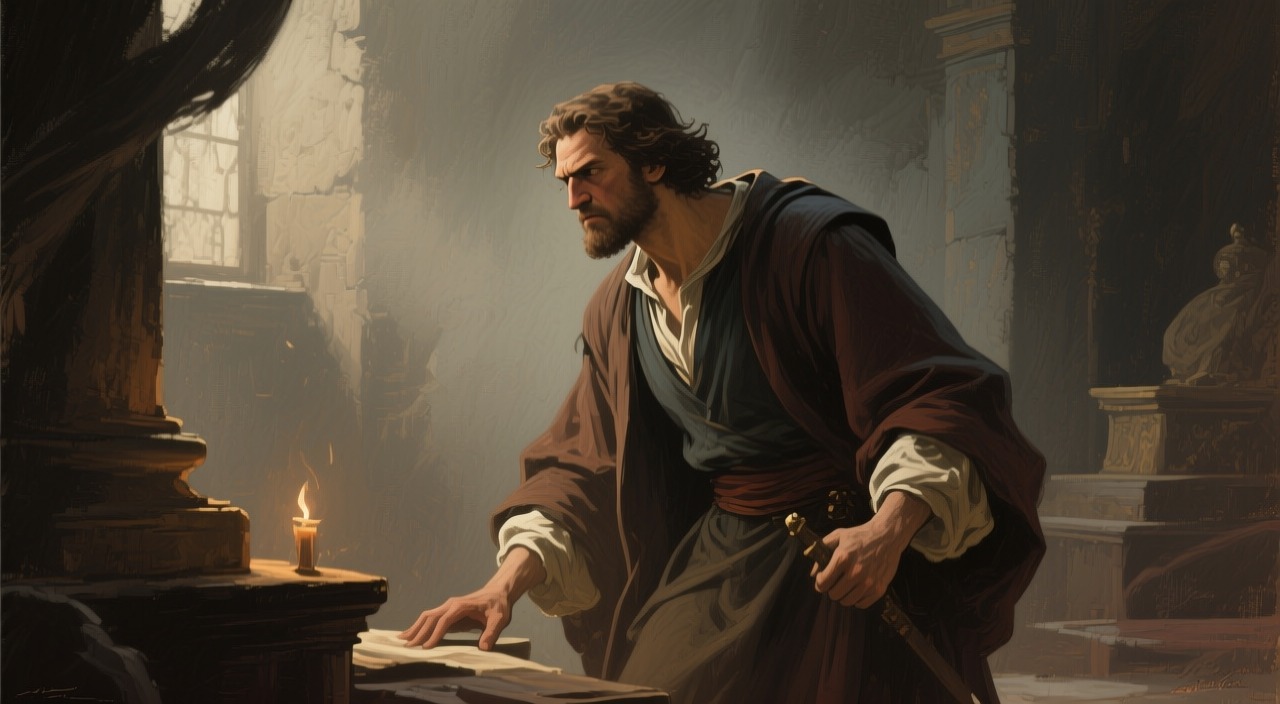
The Unnamed God
A Central Mystery
The Unnamed God is the focus of unionist worship. Its anonymity is a key tenet.
Elphaba's Atheism
Elphaba does not believe in the Unnamed God. She sees religion as a human invention.
The Question of the Soul
The existence of the soul is a recurring theme. Elphaba denies having one, but her actions suggest otherwise.
early in the story
throughout the story
during her rule
during Elphaba's years in the cloister
throughout the story
