Tibbett
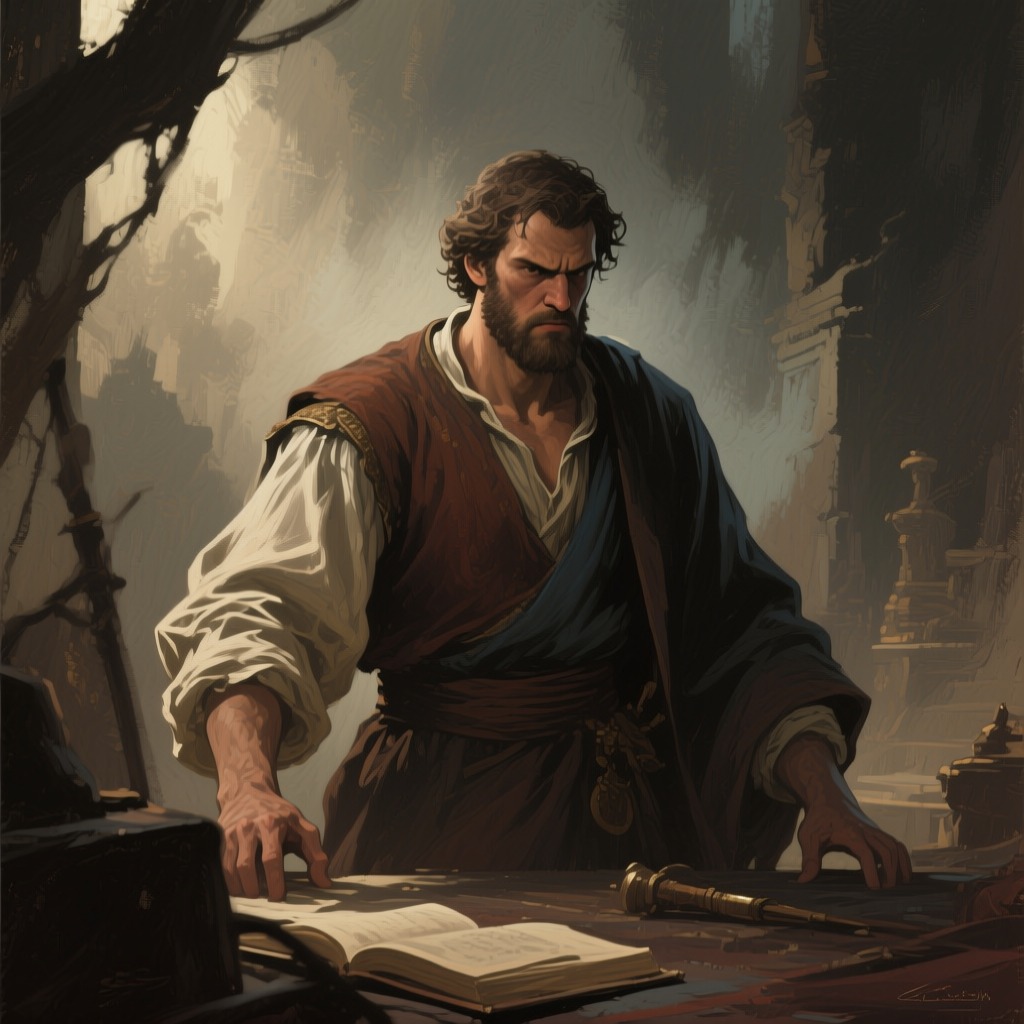
Tibbett is a student at Shiz University, a friend of Boq and Crope, and part of the circle that includes Elphaba, Glinda, and Fiyero. He is characterized by a theatrical, campy demeanor, often engaging in flirtatious banter with Crope and making arch comments. Along with Crope, he is recruited by Boq to help Elphaba in her secret research for Doctor Dillamond, gathering documents from the Three Queens library to support the Goat's scientific work on the biological differences between Animals and animals. Tibbett and Crope initially approach their espionage with a sense of fun, donning disguises from the Three Queens Student Theatrical and Terpsichorean Society, but they are eventually convinced of the mission's seriousness and contribute with gusto.
Life and Plot Trajectory
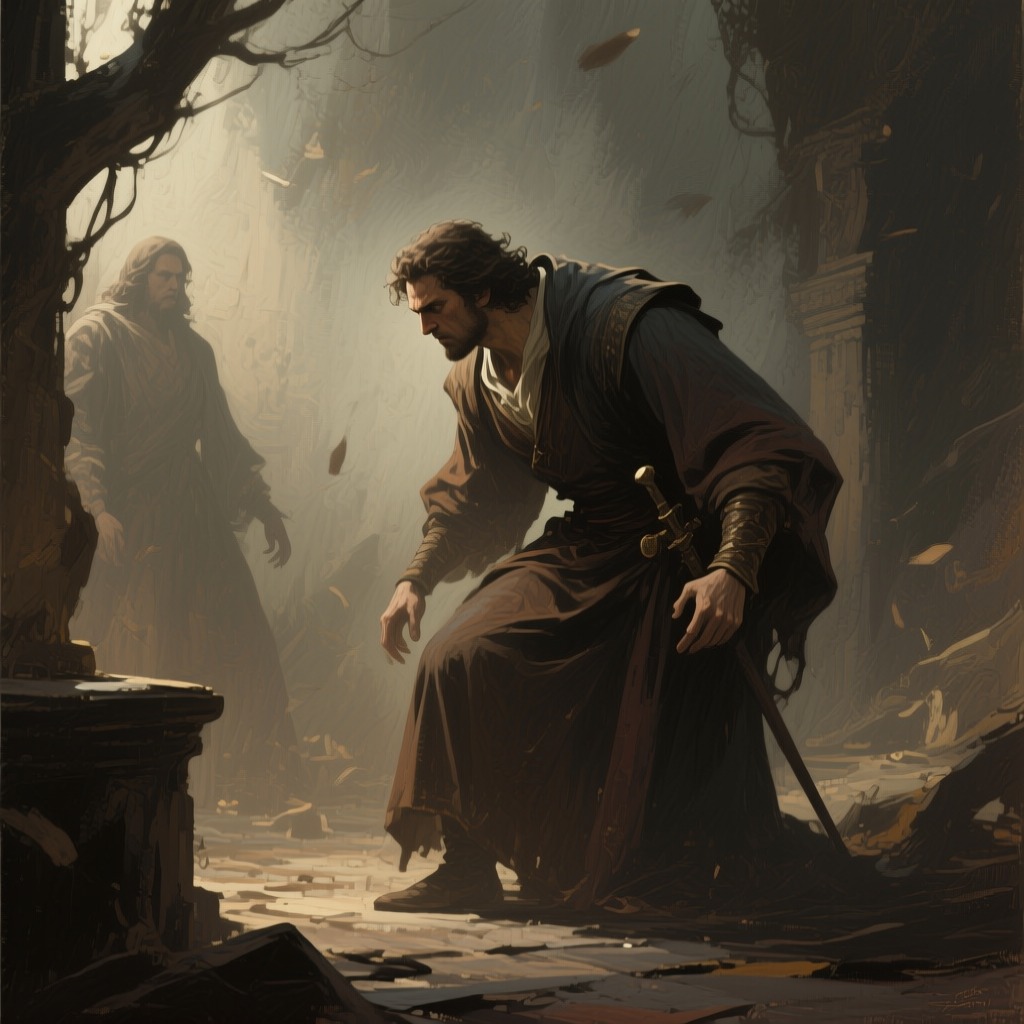
Tibbett's life takes a decisive turn after the night of Ama Clutch's funeral, when he joins Avaric, Boq, Crope, Fiyero, and others at the Philosophy Club. There, he is selected as a participant in a ritualistic, drug-fueled orgy. The dwarf leading the ceremony binds him to a Tiger, and Tibbett is made to hang beneath the Tiger's belly, his face lost in the Tiger's chest hair. This experience proves profoundly damaging. After this night, Tibbett is "never the same." He deteriorates mentally and physically, eventually becoming an invalid. Years later, he is carted to the Home for the Incurables at the Cloister of Saint Glinda in the Shale Shallows, where Elphaba, now a maunt, tends to him.
Key Actions and Objectives
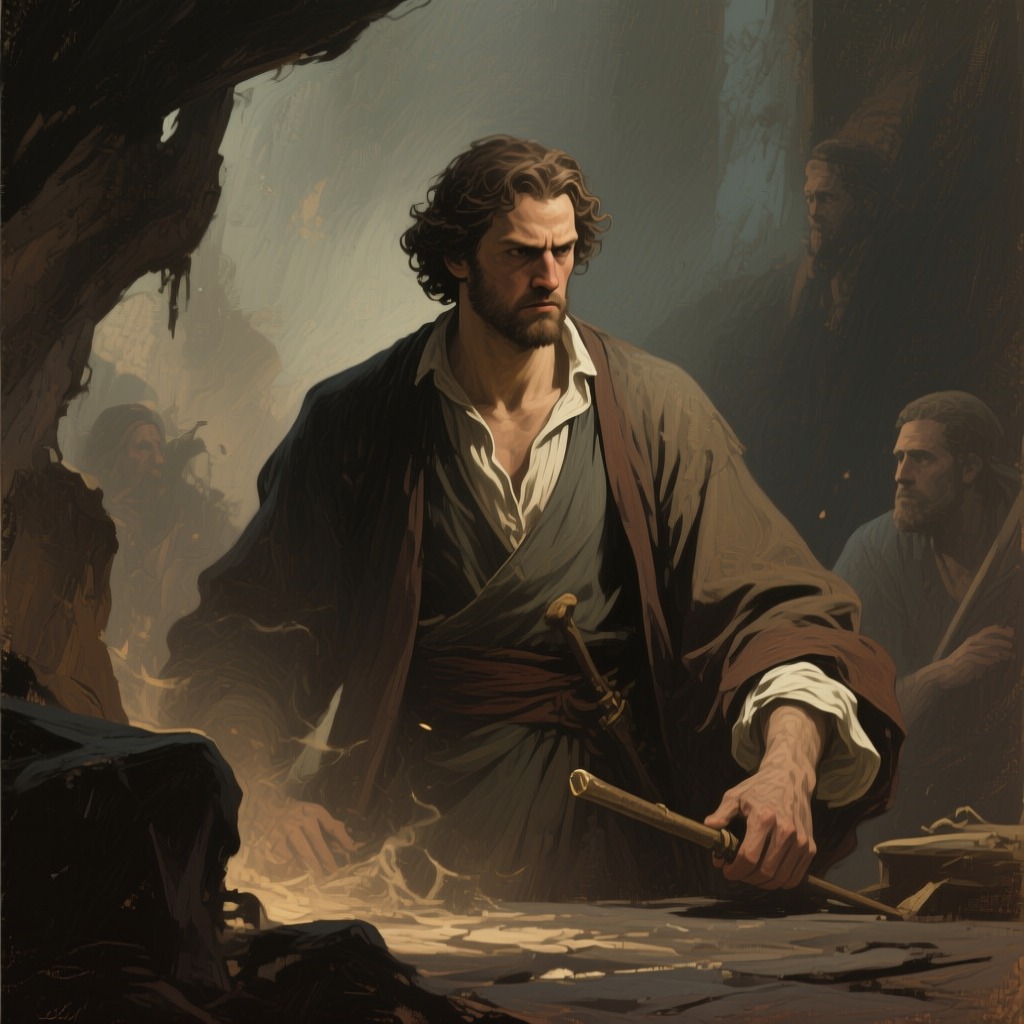
Tibbett's primary action in the narrative is his participation in the clandestine research for Doctor Dillamond. He and Crope are coerced into the work by Boq, but they become engaged by Elphaba's passionate belief in the cause. Their efforts involve sleuthing in the musty stacks of the Three Queens library, searching for Lurlinist and early unionist texts on the creation and differentiation of Animals. Tibbett contributes to the intellectual discussions, reciting a creation myth about the Fairy Queen Lurline and the origin of Animals. His later life is defined by his struggle with the trauma from the Philosophy Club, and his final objective is simply to survive, which he does for a time, even managing to joke and remember stories, before dying.
Relationships and Conflict
Tibbett's closest relationship is with Crope, with whom he shares a theatrical and flirtatious friendship. They are often paired together, and their banter is a staple of the group's dynamic. He is also a friend to Boq, though their relationship is strained after the Philosophy Club incident. His most significant relationship in his later years is with Elphaba. When he is brought to the Home for the Incurables, he recognizes her despite her veil and silence. He selfishly requires that she be an individual, addressing her by her name, joking, remembering stories, and criticizing old friends for abandoning him. He notices the differences in how she moves and thinks, and under his scrutiny, she is re-created as an individual against her will. The central conflict of his life is the internal one, stemming from the trauma of the Philosophy Club, which leaves him a pale invalid, unable to function without help.
Change and Ending
Tibbett undergoes a tragic transformation from a lively, campy student to a broken, dying man. The Philosophy Club ritual is the catalyst for this change, robbing him of his vitality and sanity. His ending is a quiet death at the Home for the Incurables. He is described as weak, unable to shit or piss without help, his skin falling in rags and parchment. Yet, in his final days, he is "better at life than she was," meaning Elphaba, as he retains his individuality and memory. He dies after being tended to by Elphaba, and his death is a key factor in the Superior Maunt's decision that it is time for Elphaba to leave the cloister and atone for her mistakes.
Narrative Role and Evaluation
Tibbett serves as a tragic figure whose fate illustrates the destructive and corrupting influence of the pleasure faith and the Philosophy Club, a symbol of the decadence and moral decay lurking beneath the surface of Shiz society. His deterioration is a direct consequence of the same forces that Elphaba and her friends are beginning to resist. His final role is as a catalyst for Elphaba's own journey. By forcing her to confront her past and her individuality, he helps push her out of the passive, silent life of a maunt and back into the world, setting the stage for her later actions. His story is a poignant reminder of the human cost of the political and social evils that the novel explores.