The Unnamed God
The Unnamed God is the central, defining deity of Unionism, the dominant religious faith of Oz. Its most distinctive and paradoxical feature is its namelessness: it is a god who cannot be named, yet is the object of worship, prayer, and moral authority for millions. This namelessness is not an absence but a theological position, a deliberate refusal to limit the divine by human language, and it generates a constant tension between the desire for a personal, knowable god and the austere demands of a faith that insists on the ultimate unknowability of its deity.
Theology and Doctrine
The Unnamed God is the source of all moral law and the ultimate arbiter of good and evil. Unionist ministers like Frex preach that the Unnamed God is the ruler of all, a being whose will is the foundation of reality. The faith holds that the Unnamed God once visited Oz, and the tears it wept at the sorrow of the world created a great flood, a story that serves as an origin myth for the Animals. The central act of worship is prayer, often directed toward the Unnamed God for guidance, forgiveness, or intervention. The faith also includes a concept of an afterlife, the Other Land, where the souls of the faithful are reunited with the Unnamed God. The Unnamed God is also the source of the faith's moral framework, which condemns sorcery and the pleasure faith as dangerous distractions from true devotion.
The Paradox of the Unnamed
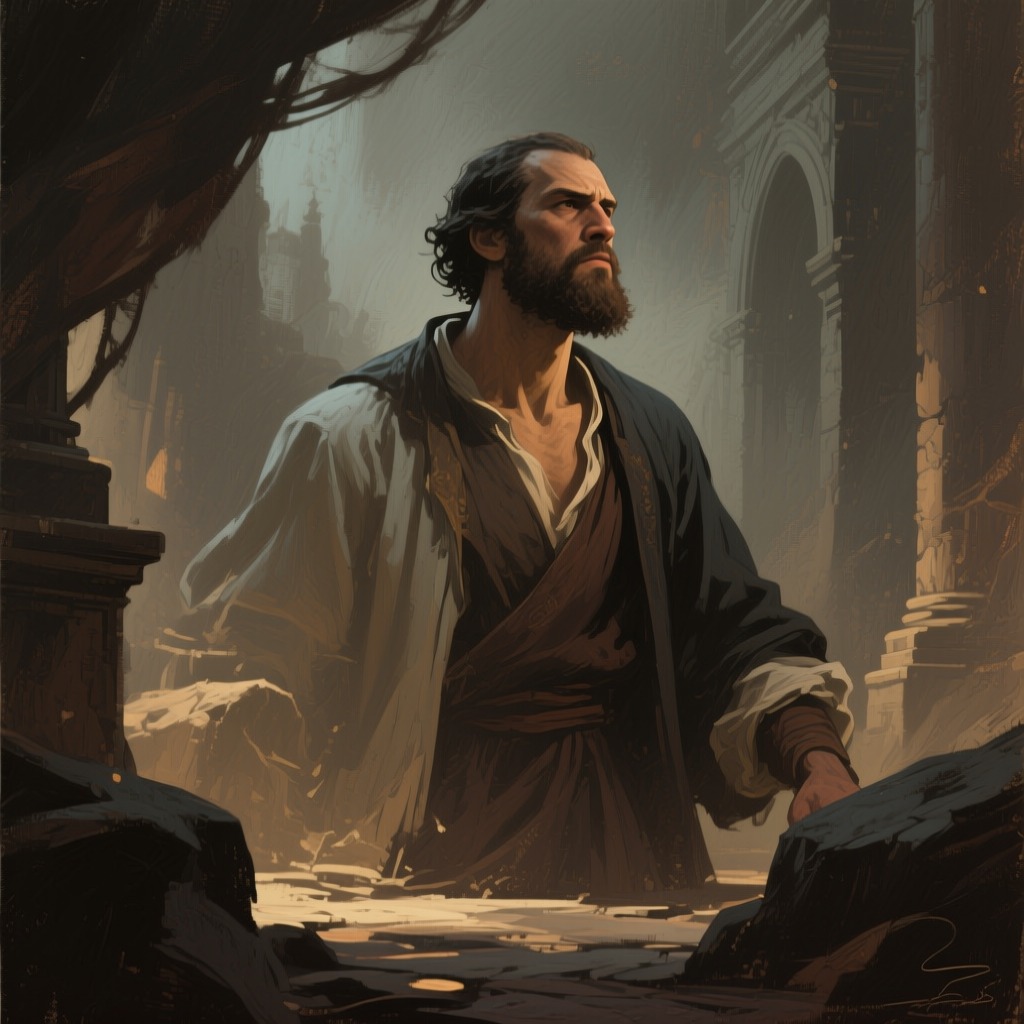
The central paradox of the Unnamed God is that it is both the ultimate authority and utterly inaccessible. Frex, a devout minister, struggles with this, telling his wife Melena that "the Unnamed God has an unnamed history for us, and prophecy is merely guesswork and fear." This namelessness creates a vacuum that other forces rush to fill. The Clock of the Time Dragon, a pagan oracle, directly challenges Unionist authority by offering specific, named prophecies, while the pleasure faith offers immediate, sensual gratification. The Unnamed God's silence is a source of profound anxiety for its followers, who must navigate a world of suffering and injustice without a clear, direct word from their deity. This theological void is a space where doubt, fear, and the temptation of more tangible forms of power can flourish.
The Unnamed God and the Characters
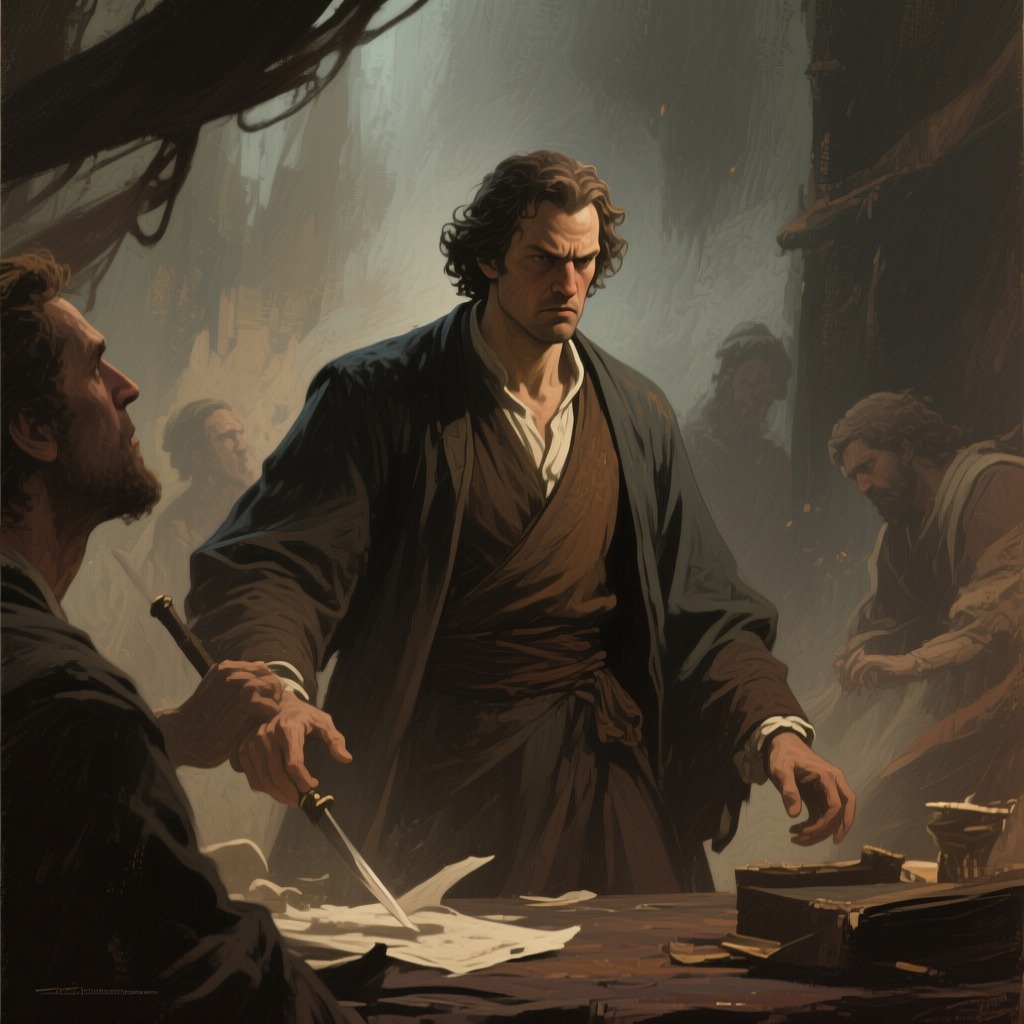
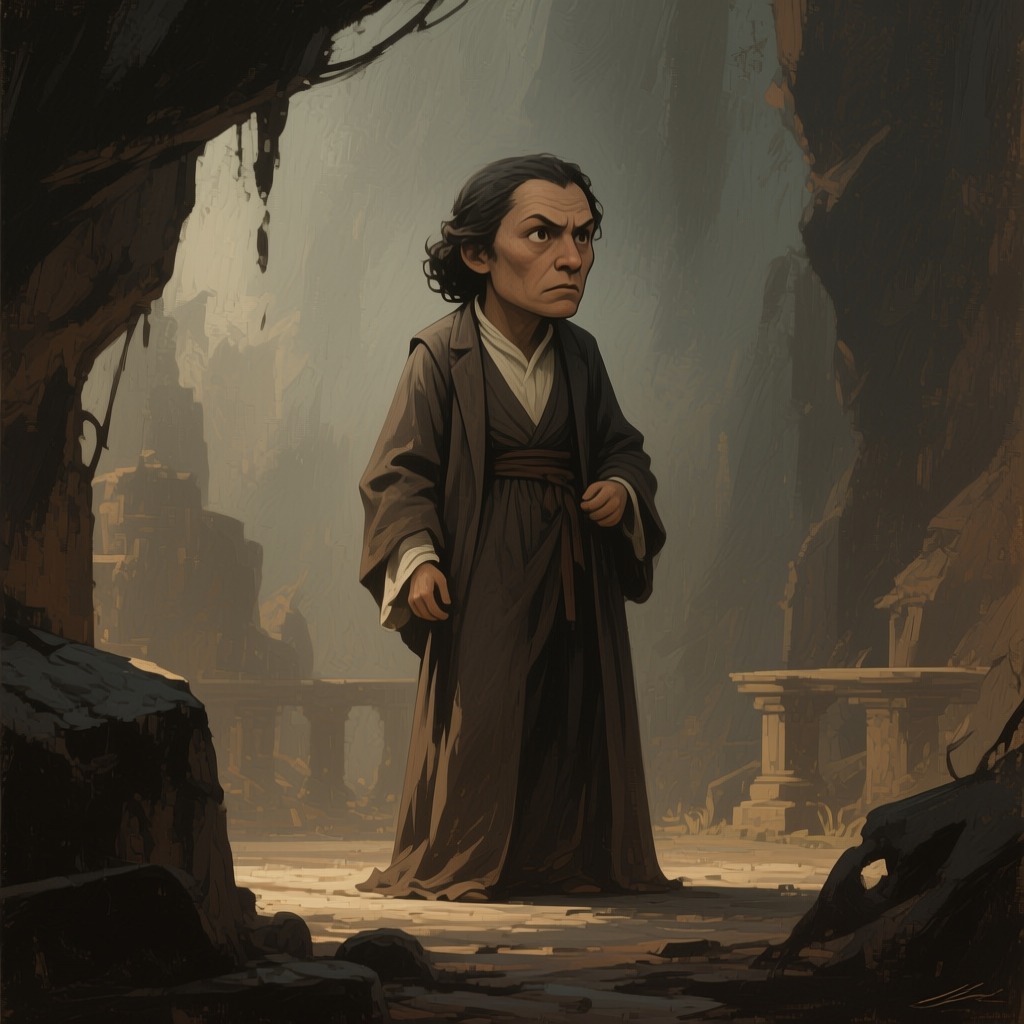
The Unnamed God functions as a powerful, often oppressive, presence in the lives of the novel's central characters. Frex, a unionist minister, dedicates his life to its service, but his faith is repeatedly tested by his failures and his daughter Elphaba's green skin, which he interprets as a punishment from the Unnamed God. Elphaba herself rejects the Unnamed God entirely, declaring herself an atheist and an aspiritualist, viewing the concept as a tool of manipulation and control. Her sister Nessarose, in contrast, embraces the Unnamed God with a fierce, self-righteous devotion, using her faith as a source of personal power and moral certainty. The Unnamed God is thus not a static entity but a contested concept, a mirror in which the characters' own struggles with authority, morality, and meaning are reflected. The novel ultimately leaves the question of the Unnamed God's existence and nature unresolved, a fitting tribute to a deity defined by its own unknowability.