The Clock of the Time Dragon
The Clock of the Time Dragon is a traveling mechanical theatre and prophetic device that appears in the novel as a central symbol of spectacle, moral corruption, and the erosion of traditional faith in Oz. It is a towering wagon-mounted clockwork contraption featuring a green leather dragon, dozens of moving puppets, and a dwarf handler, which stages cruel, personalized satires that expose the secrets of its audience and incite violence. The Clock catalyzes the crisis that leads to Elphaba's birth under a curse, haunts the memory of her father Frex, and later resurfaces in the novel's final act as a vehicle for revelation, embodying the novel's inquiry into the nature of evil, the manipulation of truth, and the inescapable weight of the past.
Physical Description and Mechanism
The Clock of the Time Dragon is mounted on a wagon and stands as high as a giraffe, a tottering, freestanding theatre punched on all four sides with alcoves and proscenium arches. On its flat roof perches a clockwork dragon, an invention of green painted leather, silvery claws, and ruby jeweled eyes, its skin made of hundreds of overlapping discs of copper, bronze, and iron. Beneath the flexible folds of its scales is an armature controlled by clockwork. The Time Dragon circles on its pedestal, flexes its narrow leathery wings—which make a sound like a bellows—and belches out sulfurous balls of flaming orange stink. Below, featured in dozens of doorways, windows, and porches, are puppets, marionettes, and figurines: creatures of folk tale, caricatures of peasants and royalty alike, animals and fairies and unionist saints. The figures move on sprockets, wheeling in and out of doorways, bending at the waist, dancing and dallying with each other. The only clock face it has is flat, dull, and lost in all that distracting detail; the hands do not move but remain painted at one minute before midnight. Frex, the unionist minister, argues that the clock is not meant to measure earthly time but the time of the soul—redemption and condemnation time—where each instant is always a minute short of judgment.
The Dwarf Handler and Performances
The clock's handlers are a dwarf and some narrow-waisted minions who seem to have only enough brain capacity among them to pass a hat. The dwarf gives a poetic welcome, declaring that all lives are activity without meaning, that people burrow rat-like into life and squirm rat-like through it and are flung into graves at the end, but that beneath the apparent sham and indignity, a humble pattern and meaning still applies. He invites the crowd to watch what a little extra knowledge augurs for their lives, claiming the Time Dragon sees before and beyond and within the truth of their sorry span of years. The performances are cruel, personalized satires. In one, a puppet wife and husband are shown in a marriage bed; the wife suggests her husband is disappointingly small, and the audience shrieks with laughter. The puppet husband then sneaks out and encounters a puppet widow and her daughter; they engage in a graphic three-way sexual act, after which they knee him simultaneously fore and aft. The real-life counterparts—a well digger named Grine, a widow named Letta, and her daughter—are pointed out by the dragon's talons, and the crowd falls away from them as if they had been inflicted with running sores. Grine is set upon by agitated neighbors and investigated for the grotesque anomaly; Letta is shunned; her daughter vanishes entirely. The cousin who reports this to Frex writes that all souls are hostages to their human envelopes, but souls must decay and suffer much indignity.
The Clock's Role in the Crisis of Rush Margins
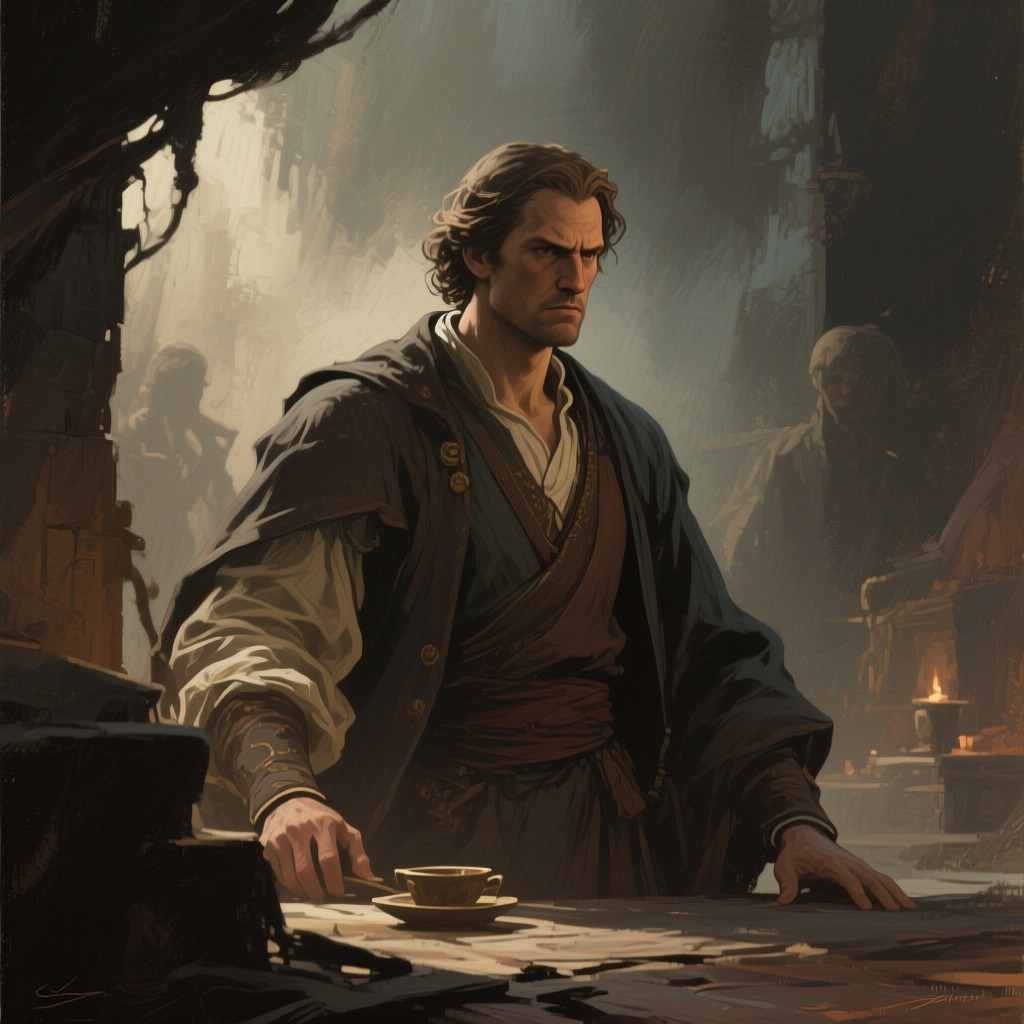
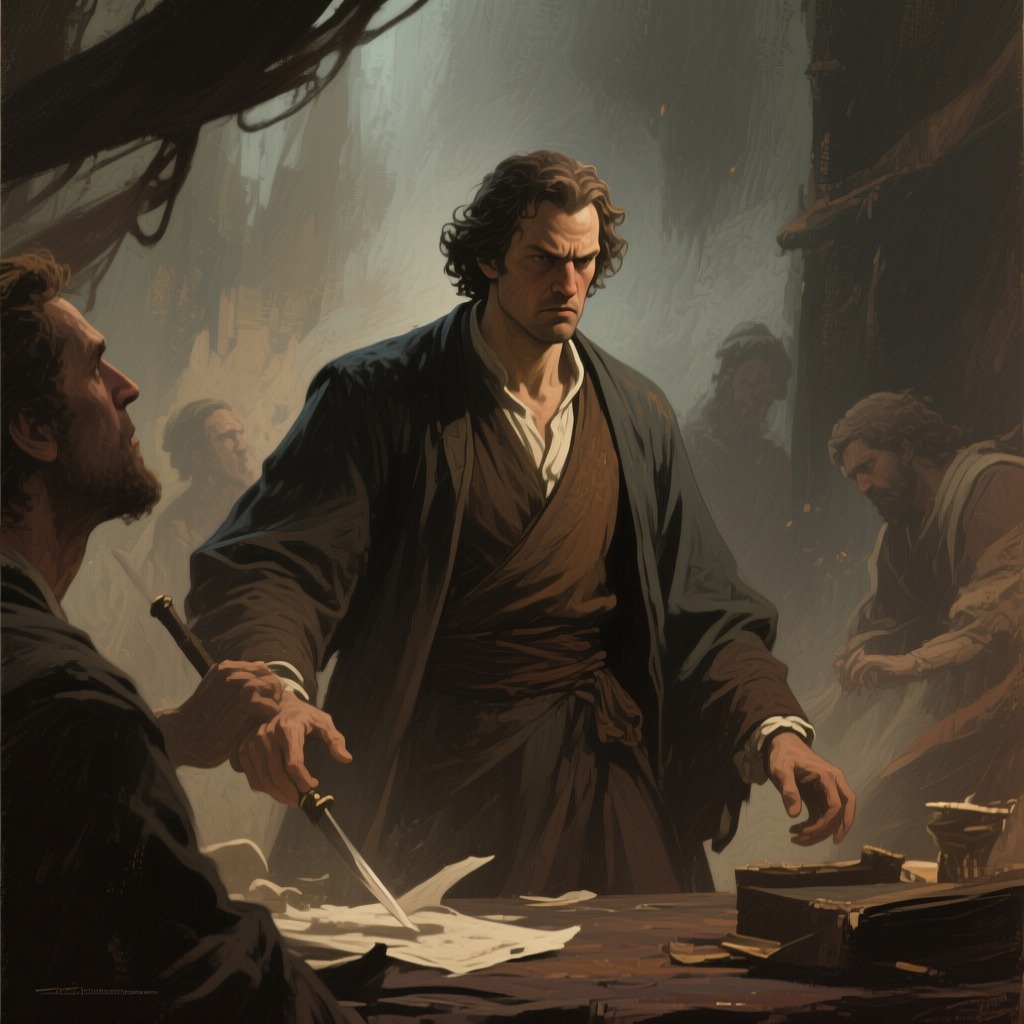
Frex, the unionist minister of Rush Margins, sees the Clock of the Time Dragon as a direct challenge to his authority and to the faith of his congregation. He knows that folks from Rush Margins are humble, their lives hard and their hopes few, and that as the drought drags on, their traditional unionist faith is eroding. He prepares himself for the day's holy campaign by rereading his cousin's letters about the idol clock, steeling himself to call on his deepest reserves of religious conviction to overcome it. When the clock arrives, Frex leaps onto its fold-down stage and tries to harangue the crowd, pointing out that the clock face is flat and its hands do not move, but the crowd is not listening. The clock unfolds a story about a publicly pious minister with a lamb's wool beard and dark curly locks who preaches simplicity while keeping a hidden coffer of gold and emeralds in the bosom of a weak-chinned daughter of blue blood society; the scoundrel is run through with a long iron stake and served up to his hungry flock as Roast Flank of Minister. The crowd howls with mirth. Frex is kneed in the groin, kicked, and fouled; a sympathetic woman leads him away, warning that they will be after him with pitchforks. The clock's influence directly precipitates the mob violence that forces Melena, in labor, to flee into the countryside, where Elphaba is born in the back of the clock-wagon itself, green-skinned and with shark-like teeth.
The Clock's Prophetic and Revelatory Power
The Clock of the Time Dragon is not merely an entertainment but a prophetic device. The dwarf claims it sees before and beyond and within the truth of people's lives. Frex's cousin reports that the clock's stories are so specific that they isolate real individuals from the crowd, exposing their secrets and inciting communal violence. The clock's prophecies are tied to the novel's larger themes of fate and judgment. When Elphaba, as a toddler, speaks her first word—"Horrors"—while staring into a looking glass made by Turtle Heart, she seems to see the future: a balloon from the sky, the color of a bubble of blood, a huge crimson globe falling from the sky, the Regent fallen, the House of Ozma fallen. Turtle Heart interprets this as the Clock being right: a minute to judgment. The clock thus functions as a narrative device that collapses time, linking Elphaba's birth to the political upheavals that will define her life.
The Clock's Resurgence in the Novel's Final Act
Decades later, after Elphaba has killed Madame Morrible and is wandering in a state of exhaustion and drunkenness, she encounters the Clock of the Time Dragon again. It is set up in a park in Shiz, and the dwarf who guards it is the same dwarf who has always been its handler. The dwarf reveals that he is the guardian of the Grimmerie, condemned to a deathless life to protect the book, and that he works through events, dabbling in causes and effects. He offers Elphaba a private audience with the Time Dragon itself. The clock then stages a three-act play: Act One, "The Birth of Holiness," shows the life of Saint Aelphaba, who disappears behind a waterfall; Act Two, "The Birth of Evil," depicts Melena's encounter with a traveler who gives her a green glass bottle—the Wizard of Oz himself—and their lovemaking, implying that the Wizard is Elphaba's biological father; Act Three, "The Marriage of the Sacred and the Wicked," is announced but never performed, as the dwarf says the end is not yet written. The clock thus delivers the novel's most direct revelation about Elphaba's origins, confirming the dwarf's claim that she is a half-breed, a grafted limb, a dangerous anomaly. The clock also produces a cracked looking glass in which Elphaba sees reflections of a young and beautiful Fiyero and a young and impassioned Fae, offering a final, painful glimpse of lost love. The Clock of the Time Dragon, then, is not a static symbol but an active agent in the narrative, a machine that both creates and reveals the story's deepest truths, and a reminder that the past is never truly past, that judgment is always imminent, and that the end of any story is never written until it is lived.