
The Existence of the Soul and the Afterlife
WickedExamines the recurring theme of the soul, from Elphaba's denial of having one to the religious beliefs of other characters.
increasing Bearing strength in each event
 decreasing
Bearing strength in each eventdecreasingElphaba's Atheism
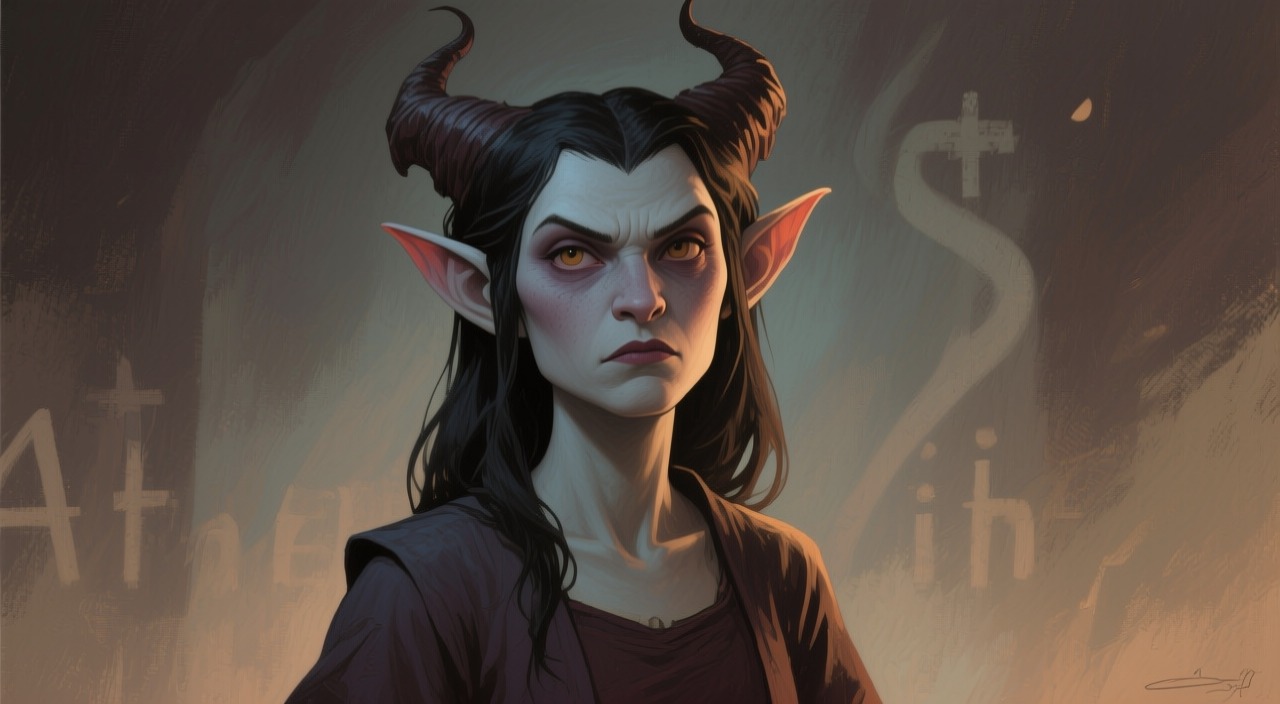
Elphaba's Atheism
Denial of the Soul
Elphaba consistently denies having a soul. She sees it as a religious fiction.
Arguments with Nessarose
She argues with Nessarose about the soul. Nessarose believes everyone has one.
A Defense Mechanism
Elphaba's denial may be a defense against the pain of existence. If there is no soul, there is no eternal suffering.
Nessarose's Faith
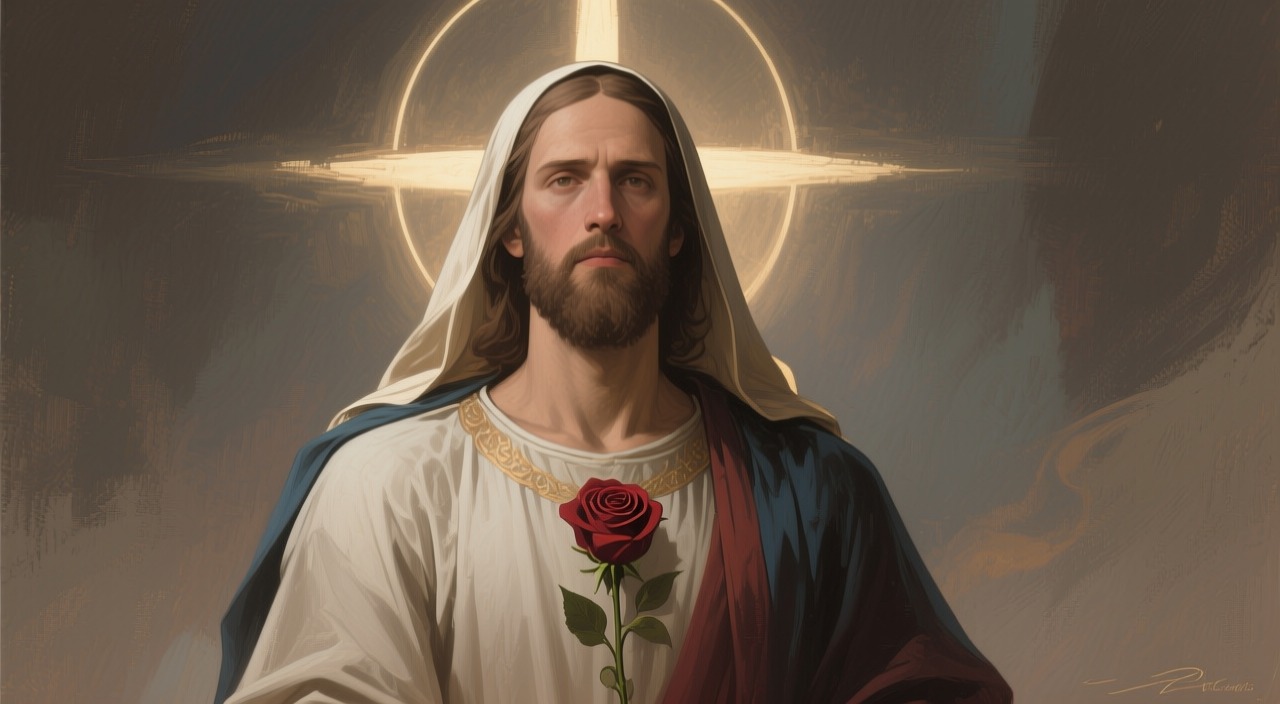
Nessarose's Faith
Religious Conviction
Nessarose believes firmly in the soul and the afterlife. Her faith gives her strength.
Using Religion for Power
She uses her faith to justify her tyranny. She believes she is doing the Unnamed God's work.
Elphaba's Criticism
Elphaba criticizes Nessarose's hypocrisy. She sees religion as a tool for oppression.
The Maunts' Beliefs
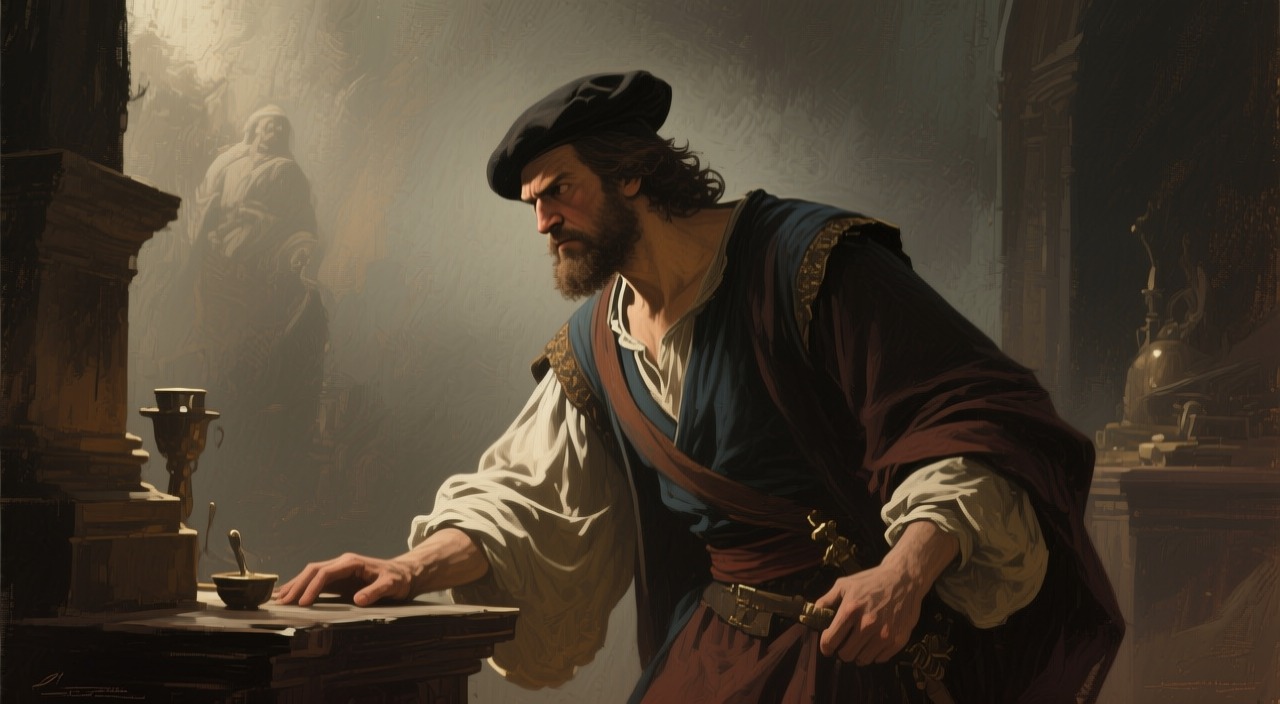
The Maunts' Beliefs
A Life of Service
The maunts believe in the soul and the afterlife. They dedicate their lives to prayer and service.
Elphaba's Observation
Elphaba observes their faith without sharing it. She respects their dedication but not their beliefs.
A Glimmer of Doubt
Her time with the maunts softens her atheism slightly. She begins to wonder if there might be something more.
The Afterlife in Folklore
The Afterlife in Folklore
The Other Land
Unionists believe in the Other Land, an afterlife. Pagans believe in reincarnation or the Fairy Queen Lurline.
Elphaba's Rejection
Elphaba rejects all these ideas. She sees them as wishful thinking.
The Question Remains
The novel does not confirm or deny the existence of an afterlife. It remains an open question.
Elphaba's Death
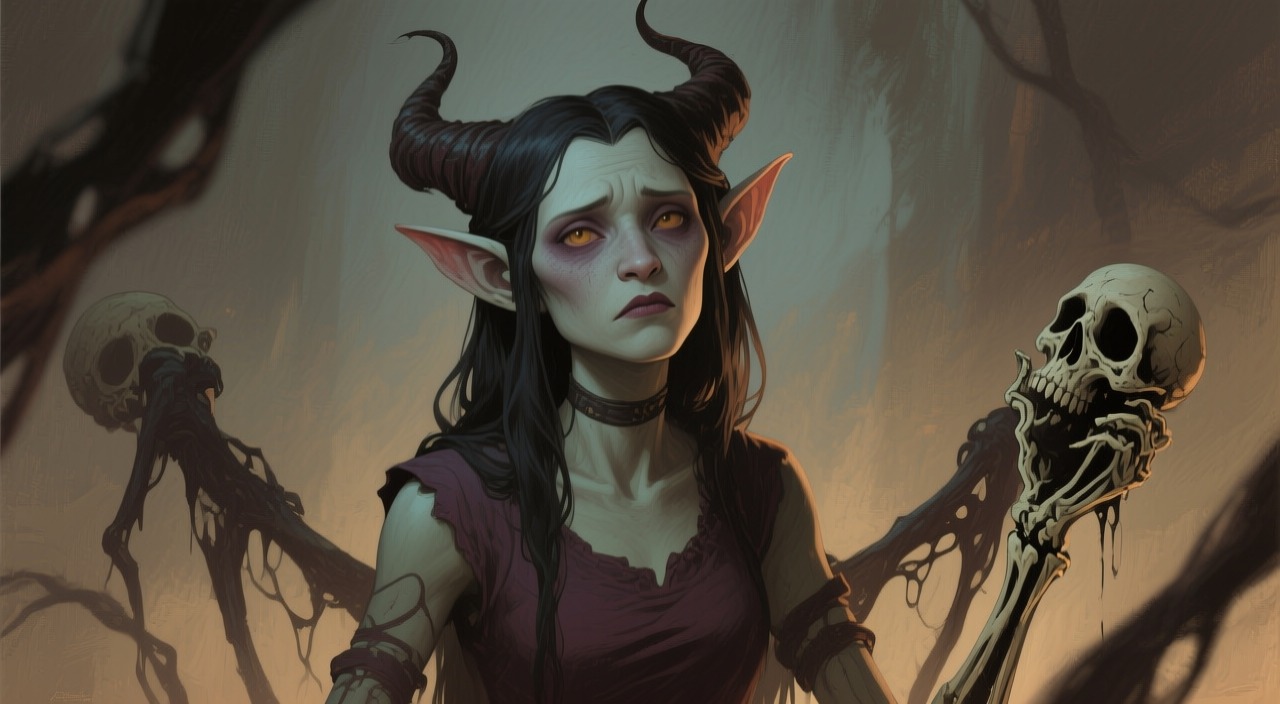
Elphaba's Death
The Melting
Elphaba melts away. Her body dissolves, leaving no trace.
No Soul?
If she had no soul, then her death is the end. But the narrative suggests she may have had one all along.
Ambiguity
The novel ends without resolving the question. The reader is left to decide.
throughout her life
during her rule
during Elphaba's time in the cloister
throughout the story
the final scene
