Washington, D.C.
1919Washington, D.C., becomes the testing ground for Joe Williams’s return after a month at sea: he reaches the city with money in his pocket and memories of home, but hesitates before both family and the future he once imagined. Its streets guide him between the enlistment booth he remembers, the family waiting in Georgetown, and a reunion with Janey that leaves him feeling out of place.
Identity and Setting
The passage presents Washington, D.C., through Joe’s remembered and revisited places rather than a general description of the city. Georgetown is where his mother and younger sisters live; the Union Station is where he arrives, and the Capitol Grounds, Pennsylvania Avenue, the White House, Lafayette Square, and the Riggs Building shape his day as he tries to decide whom to see. When an elderly interrogator mistakes Georgetown for a place in British Guiana, Joe corrects him: it is part of Washington, D.C. The exchange makes the city’s personal geography explicit: Georgetown is not an elsewhere, but home.
Joe’s Return to the City
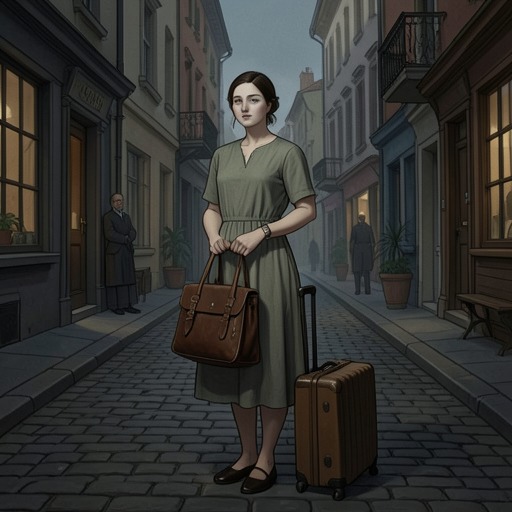
After being paid off in New York City, Joe repays Mrs. Olsen, then heads to Penn Station to find a train to Washington, D.C. During the journey he dozes in the daycoach and thinks of Georgetown, his schooldays, the poolroom on 4½ Street, and river trips with Alec and Janey. The memories travel with him, but they do not make the homecoming easy. On arriving at the Union Station on a bright winter morning, he cannot make himself go straight to his family. He shaves, shines his shoes, drinks coffee, reads the Washington Post, and counts his money; still carrying more than fifty dollars, he decides to look for Janey first.
His walk through the city brings the past into view in unsettlingly concrete form. On Pennsylvania Avenue he sees the enlistment booth where he joined the navy, and it gives him a chill. He sits in Lafayette Square watching children, nursemaids, starlings, and the statue of Andrew Jackson until he thinks it is time to meet Janey. At the Riggs Building, he waits about an hour, but she does not appear; a detective eventually challenges him for loitering. The familiar city has not restored his old place in it, and even finding the right door requires waiting and uncertainty.
Family, Janey, and Departure
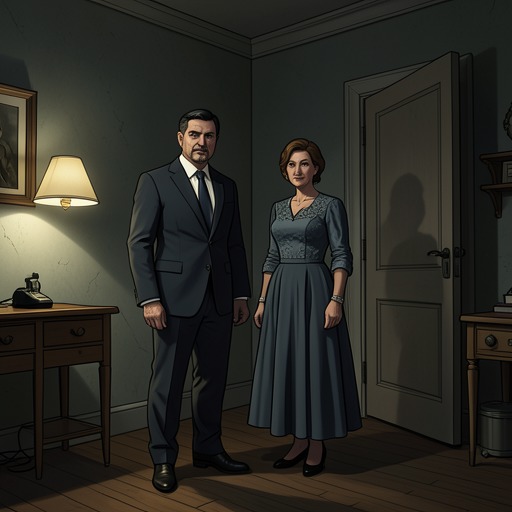
Unable to find Janey at her office, Joe goes to Georgetown. His mother and sisters are discussing plans to remodel the house with the ten thousand dollars from his father’s insurance. They also want Joe to visit his father’s grave at Oak Hill. He refuses, leaves as soon as he can, and cannot tell his family how he is getting on. They give him Janey’s address, but do not know when she leaves work. Georgetown brings him face to face with family and bereavement, yet he remains unable to enter either conversation fully.
Joe catches Janey at the Riggs Building later that day. She is neatly dressed, carries herself with a new, independent tilt, and speaks with a briskness and coolness he does not remember. Over supper and at the theatre, she tells him how well she is doing and about the interesting people she has met. His pleasure at seeing her is edged with shame: beside her new life, he feels like a failure. After leaving her at the apartment she shares with a friend, he returns to the station and departs. The next day in New York City, he drinks, spends time with women, and soon finds himself broke on a Union Square bench; he carefully keeps the stubs from the Belasco theatre tickets in his cigarbox. Washington, D.C., thus marks a brief return rather than a homecoming: the city brings Joe close to family and Janey, but neither encounter reverses his separation from them.