Mathura Singh
ChowringheeMathura Singh is the elderly assistant manager at the Hotel Shahjahan, a courteous hotel employee whose small acts of attention open a view onto lives the narrator would otherwise not see. He welcomes the narrator with tea, recognizes him from his former workplace, and later tells him about Marco Polo’s frightening drunken nights. His role is modest but revealing: Mathura moves between the hotel’s orderly public face and the vulnerable, disorderly hours that its morning routines conceal.
Identity and First Encounter
The narrator first notices Mathura after becoming so absorbed in work that breakfast and lunch have passed unnoticed and tea time is approaching. Mathura, described as an older man with graying hair who has nevertheless kept his good looks, smiles kindly and asks whether the narrator would like tea. He gives his name, introducing himself not through a formal exchange of duties but through a considerate offer to someone who has worked all day.
The encounter also shows that Mathura has already placed the narrator within a history beyond the hotel. When the narrator wonders how he knows who he is, Mathura recalls that he had been the lawyer’s assistant. The lawyer, he explains, was widely known, and Mohan, the lawyer’s servant, came from Mathura’s own village. Mathura is from Kumaon; he had visited the narrator’s old office several times to see Mohan and had seen the narrator there. His recognition makes the narrator’s arrival at the hotel less like a wholly new beginning: someone from the new workplace remembers him from the life he has left behind.
Witness to Marco Polo’s Nighttime Crises
Mathura tells the narrator about the manager’s drunken episodes, which the narrator had never suspected from Marco Polo’s appearance at breakfast. One night, after a heavy bout of drinking, nobody dared enter Marco Polo’s room. By morning, Marco Polo had stepped on a piece of glass and cut his foot. He immediately called Mathura and complained like a child that he was being punished merely for having been drunk, asking whether none of them looked after him.
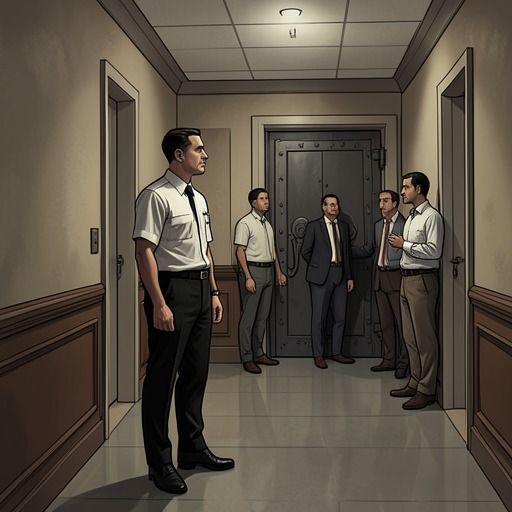
After that incident, Mathura stays awake on those nights. He sits outside the room on a stool, sometimes staring at the clock and waiting for the terrible night to end, for sunrise to come, and for the deranged world to regain its sanity in daylight. The vigil is an act of care, but the account also registers fear: Mathura is not described as entering the room or controlling Marco Polo’s excesses. Instead, he remains outside, keeping watch through the hours when others are reluctant to approach.
The narrator learns of these scenes from Mathura himself. Nothing in Marco Polo’s breakfast appearance gives them away; the manager seems to possess inexhaustible energy and can work like a mule even after his excesses. The contrast between night and morning makes Mathura an important observer of the difference between a hotel’s visible routine and the private distress it absorbs. His account supplies what the narrator’s direct observation cannot.
Anxiety Within the Hotel Hierarchy
Mathura’s kindness does not protect him from the pressures of his position. When Marco Polo calls him in over a question about the tea, Mathura is trembling with fear as he answers that it is the same tea the manager drank that morning. The detail places the assistant manager among the employees who can be made answerable when something appears to have gone wrong. Marco Polo then sends for Jimmy, the steward responsible for the storeroom and therefore the first target of complaints when supplies or service fail. His courteous-sounding invitation to share tea carries an implied threat, which Jimmy understands.
The episode distinguishes Mathura’s personal gentleness from the authority he serves. He has offered the narrator tea freely, as a gesture of welcome; under Marco Polo’s scrutiny, tea becomes the subject of anxious questioning and a possible pretext for blame. Mathura’s trembling answer conveys the vulnerability of a subordinate who must respond to the manager before responsibility is shifted further down the staff hierarchy.
Narrative Role
Mathura’s scenes connect recognition, care, and fear without giving him a grand independent plot. His memory of the narrator links the Hotel Shahjahan to the narrator’s former office, while his account of Marco Polo’s nights reveals the concealed cost of the manager’s daytime command. He is at once a welcoming colleague and a witness to the hotel’s less visible labor: staying awake, watching the clock, and waiting for the day to make the world seem orderly again.
The contrast between Mathura’s two offers of attention gives his brief appearances their force. He first notices that the narrator has missed his meals and asks whether he would like tea; later, he keeps watch outside a drunken manager’s room after the manager has injured himself. In both instances Mathura attends to someone else’s immediate need, but the circumstances differ sharply. The first act is easy courtesy; the second is a fearful, sleepless duty. Through that contrast, the hotel emerges not only as a place of work but as a system sustained by employees’ largely unseen acts of care and endurance.