Mr. Pakrashi
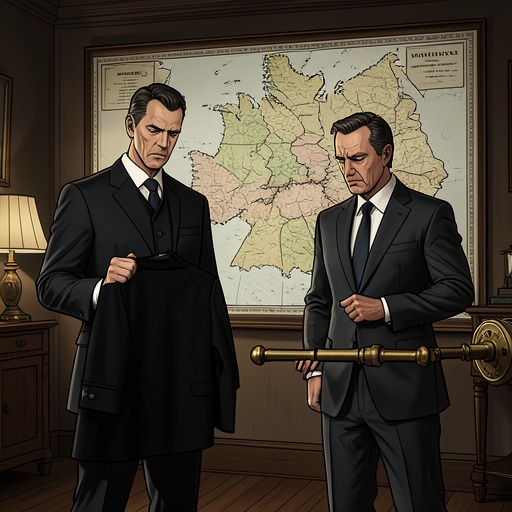
ChowringheeMr. Pakrashi is a wealthy businessman whose marriage emerges through the suspicions and observations of Hotel Shahjahan staff rather than through his own direct account. He is described as possessing cars, businesses, houses, and money, yet as having lost the intimacy those possessions cannot secure: his wife remains his in name, but not in any meaningful sense of possession.
Identity and Status
Satyasundar Bose describes Mr. Pakrashi as a man of considerable wealth. His wife’s husband owns seven or eight cars, while his holdings also include businesses, houses, and money. That catalogue of assets sharpens Bose’s assessment of his private life: material abundance has not preserved his marriage or given him control over his wife’s affections.
Mr. Pakrashi works in Calcutta, but the account gives little direct detail about his professional life or personal perspective. He appears instead through the hotel’s observations and the stories circulating among its staff, making him a figure inferred from patterns of absence, reputation, and suspicion.
Marriage and Mutual Suspicion
Bose reports that Mrs. Pakrashi comes to Hotel Shahjahan at night wearing dark glasses and taking a taxi, despite her husband’s many cars. Her daytime life is described as one of social work, speeches, and concern for the country; at the hotel, Bose says, she presents a markedly different, international social identity. The contrast places her marriage within a discreet world of private visits and public respectability.
The hotel has had more than one regular male visitor associated with her. Bose recalls a thirty-three-year-old French visitor to Suite One, but says that the hotel must report guests who are not citizens of the Commonwealth. He suggests that this requirement may explain why she chose an English visitor instead. These reports establish secrecy and a pattern of visits, but do not by themselves establish the precise nature of every relationship.
Suspicion also runs in the other direction. Mrs. Pakrashi has never managed to catch her husband in an indiscretion, yet she has put Byron on his trail. Byron has followed Mr. Pakrashi to Bombay twice, without finding anything, as far as Bose knows. Bose speculates that Mr. Pakrashi might himself rent single or double rooms at the Taj Hotel in Bombay or the Maidens in Delhi, but presents this as conjecture, not evidence.
Reputation and Limits of the Account
Bose’s own impression of Mr. Pakrashi is more favorable than his wife’s suspicions might suggest. He has seen him appear at the hotel around lunchtime, where he does not even ask for a beer, and considers him a decent sort of man. That observed restraint sits beside the unverified possibility of secret hotel visits elsewhere, leaving his conduct unresolved rather than exposing him as unfaithful.
The narrator resists treating either spouse as an obvious object of sympathy, and Bose says that Mrs. Pakrashi shares that view. His bleakest description is of a marriage in which Mr. Pakrashi has his wife without truly having her. Because the account reaches the reader through hotel gossip, it offers no definitive verdict on either spouse: wealth, suspicion, discreet visits, and inconclusive surveillance are the evidence, while the marriage’s private truth remains out of reach.