
The Theme of Defeat and Undefeated
The Old Man and the SeaThe novel's central paradox: Santiago is physically defeated but spiritually undefeated, a statesman of the human condition.
increasing Bearing strength in each event
 decreasing
Bearing strength in each eventdecreasingThe Defeat of the Fish
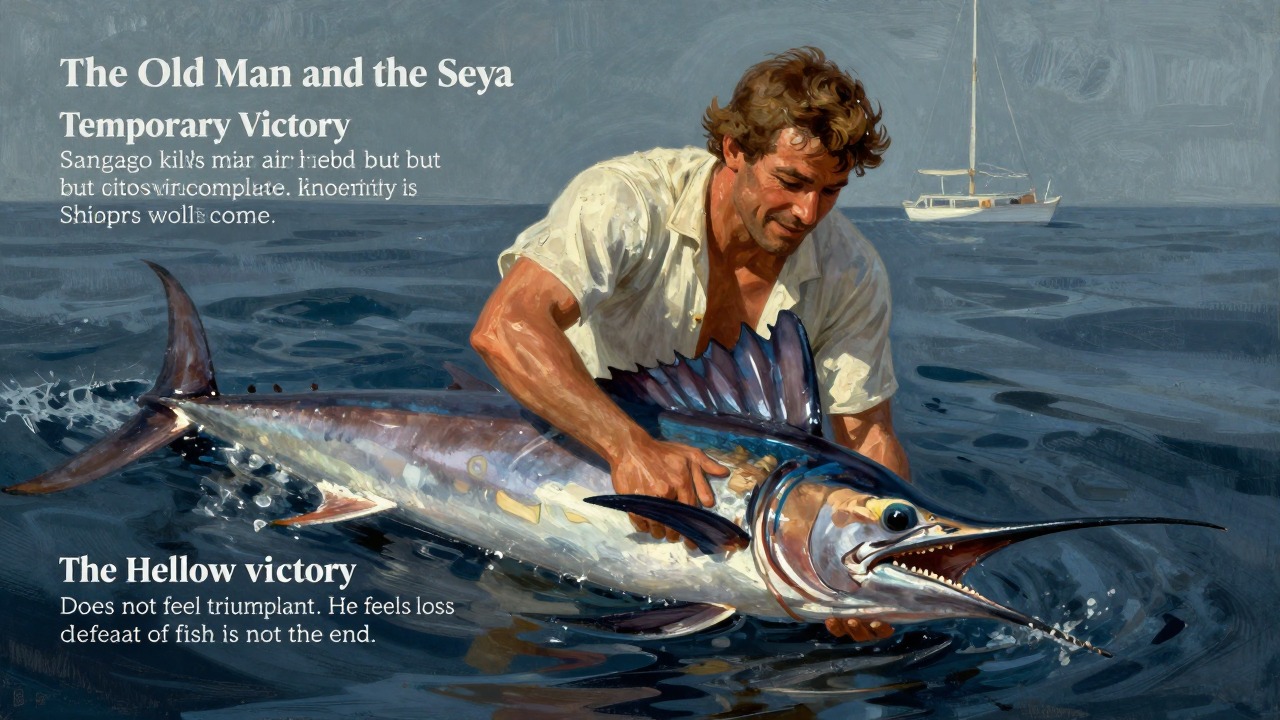
The Defeat of the Fish
A Temporary Victory
Santiago kills the marlin, but the victory is incomplete. He knows the sharks will come. The fish is defeated, but the old man's struggle is not over.
The Hollow Victory
He does not feel triumphant. He feels loss. The defeat of the fish is not the end. It is the beginning of a greater defeat.
This sets up the paradox.
The Defeat of the Man
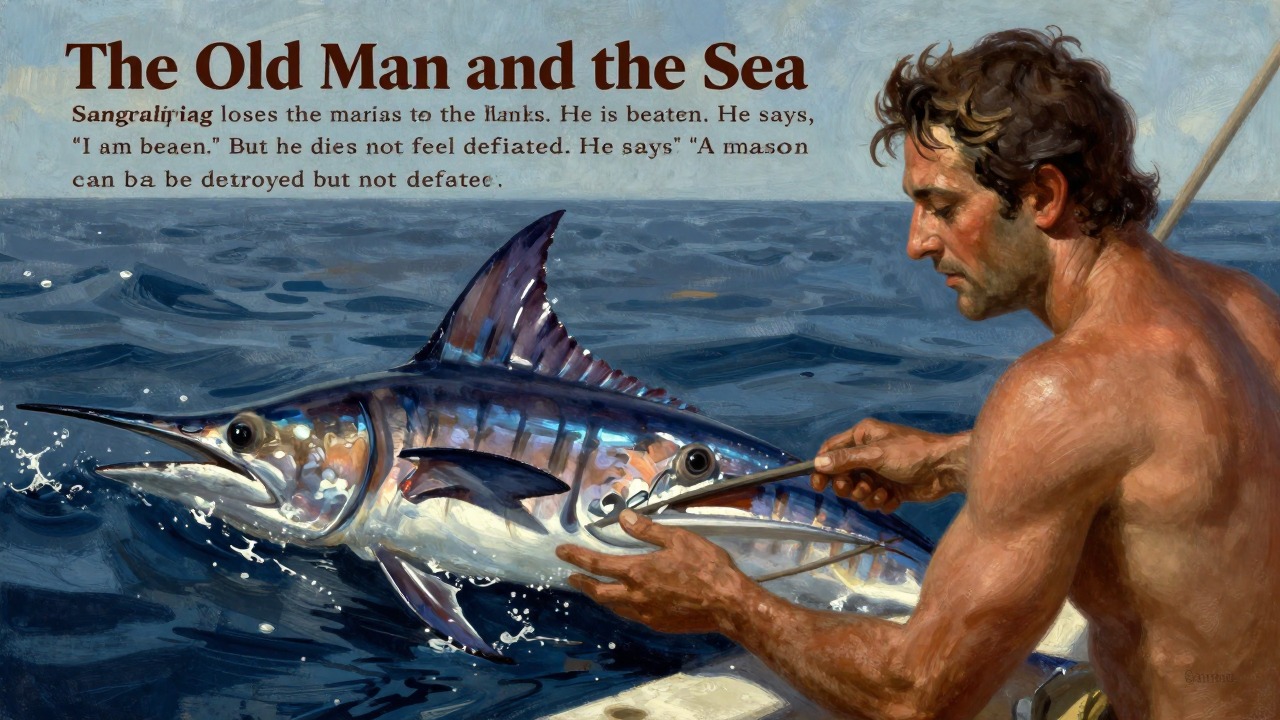
The Defeat of the Man
The Sharks Win
Santiago loses the marlin to the sharks. He is beaten. He says, "I am beaten." But he does not feel defeated. He says, "A man can be destroyed but not defeated."
The Distinction
Destruction is physical; defeat is spiritual. Santiago is destroyed (his body, his fish), but his spirit remains unbroken. He is not defeated.
This is the key theme of the novel.
The Undefeated Spirit
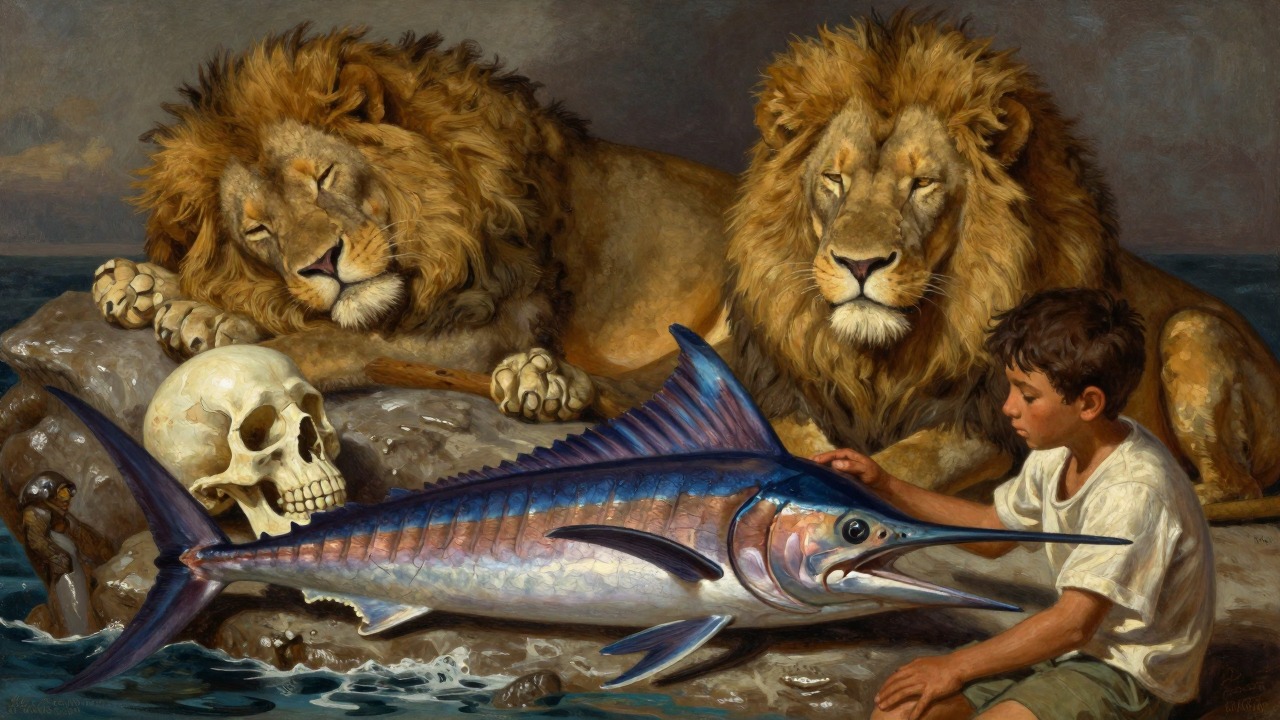
The Undefeated Spirit
The Dream of Lions
Santiago sleeps and dreams of the lions. He is at peace. His spirit is undefeated. The boy will carry on his legacy.
The Skeleton's Symbolism
The skeleton of the marlin is a monument to the battle. It is not a sign of defeat, but of a fight well fought. The tourists do not understand, but the fishermen do.
This theme is the lasting message of the book.
the killing of the marlin
the shark attacks
the end of the story
