StoryFlow
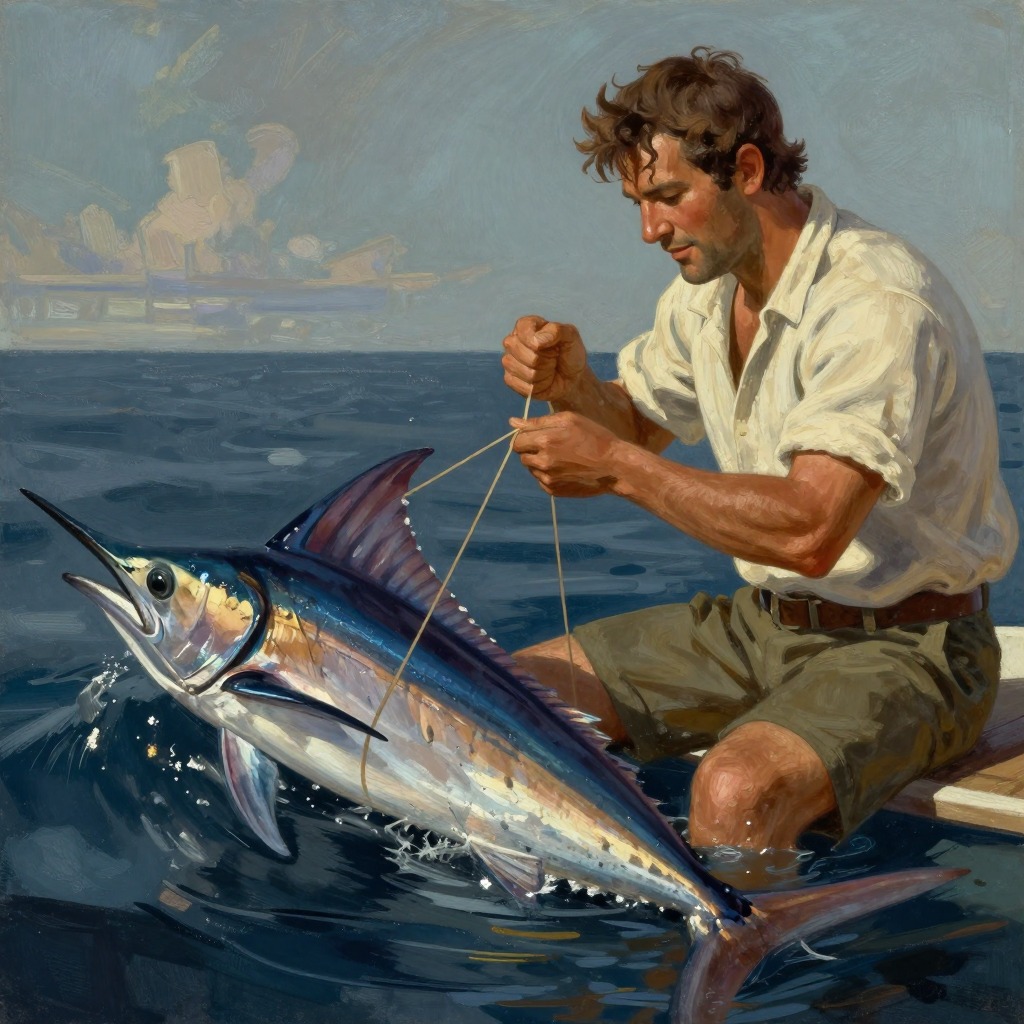
The Hooking of the Marlin
Santiago's long wait ends when a great marlin takes his bait, initiating a struggle that will define his life.
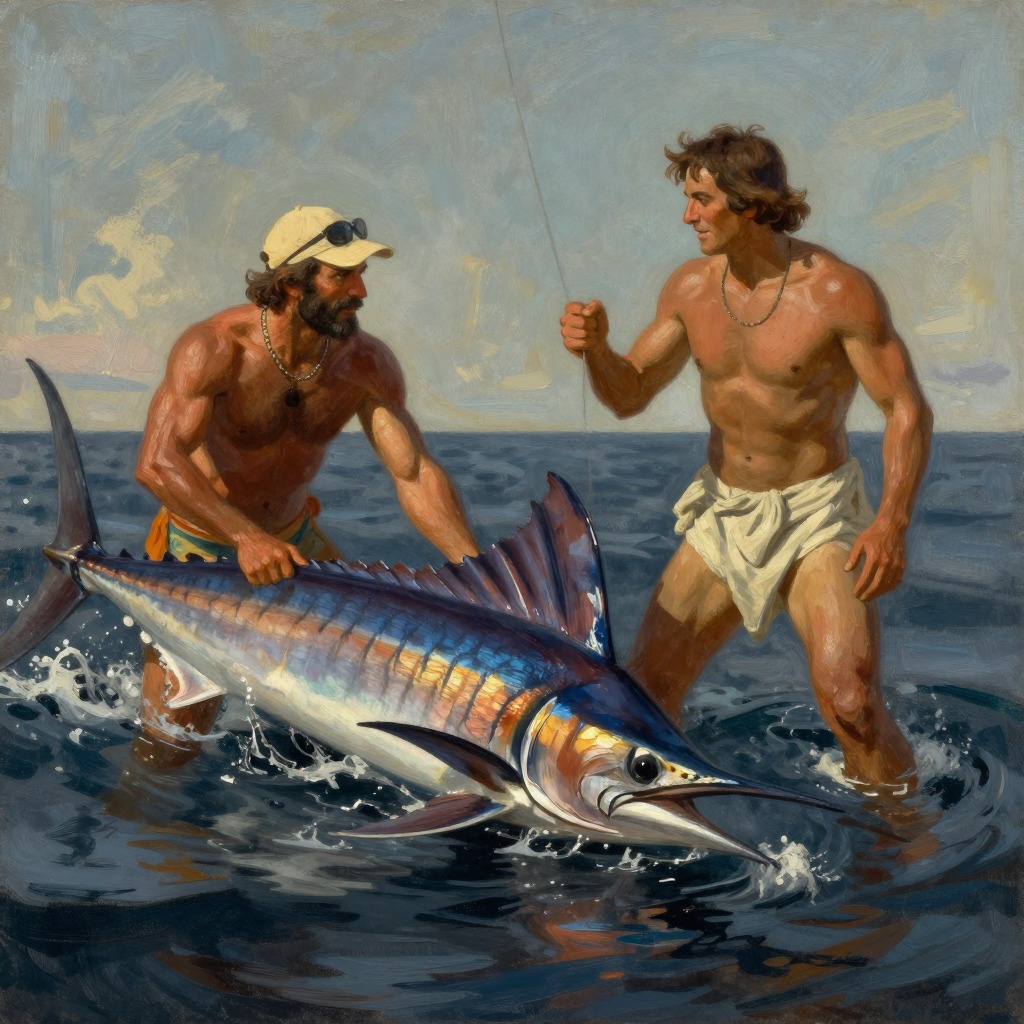
The Battle with the Marlin
Santiago and the great marlin engage in a prolonged struggle of endurance, will, and mutual respect.
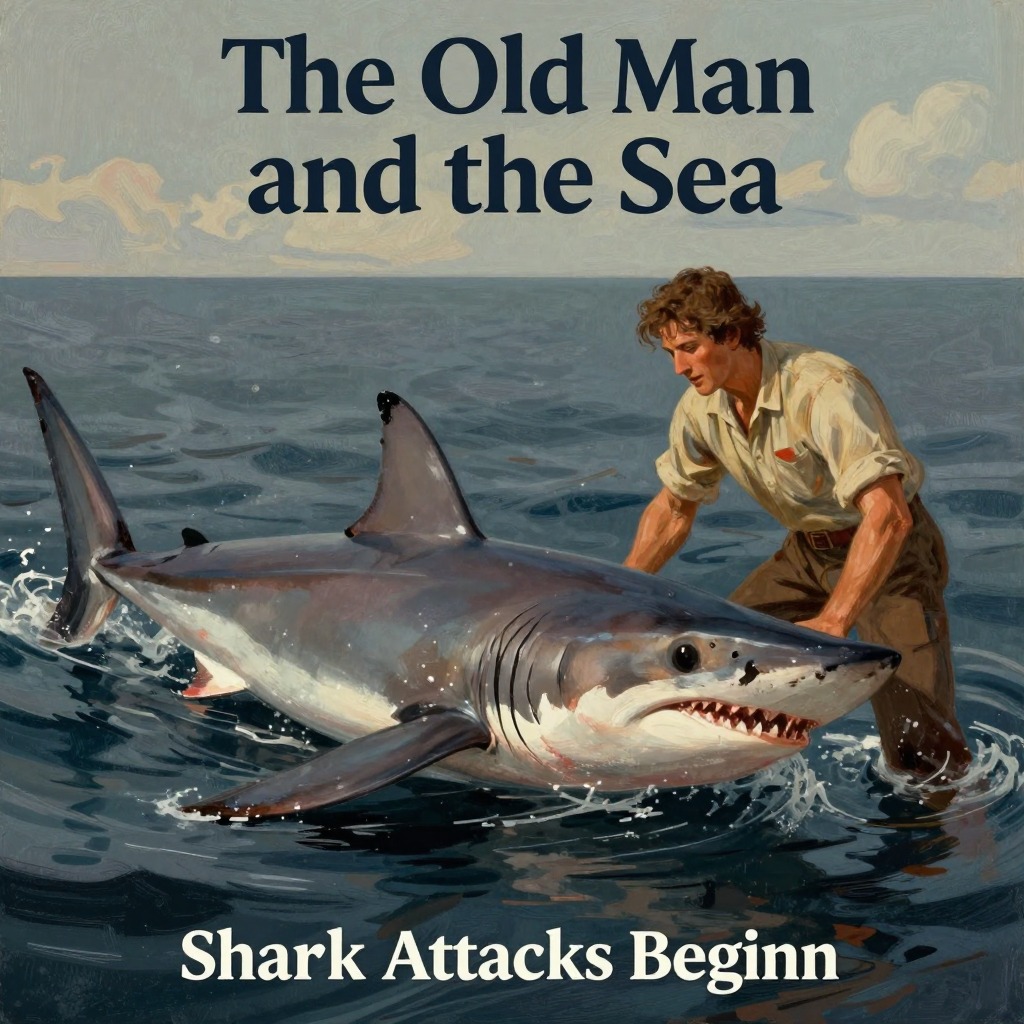
The Shark Attacks Begin
The first shark, a Mako, attacks the marlin's carcass, setting off a series of desperate defenses.
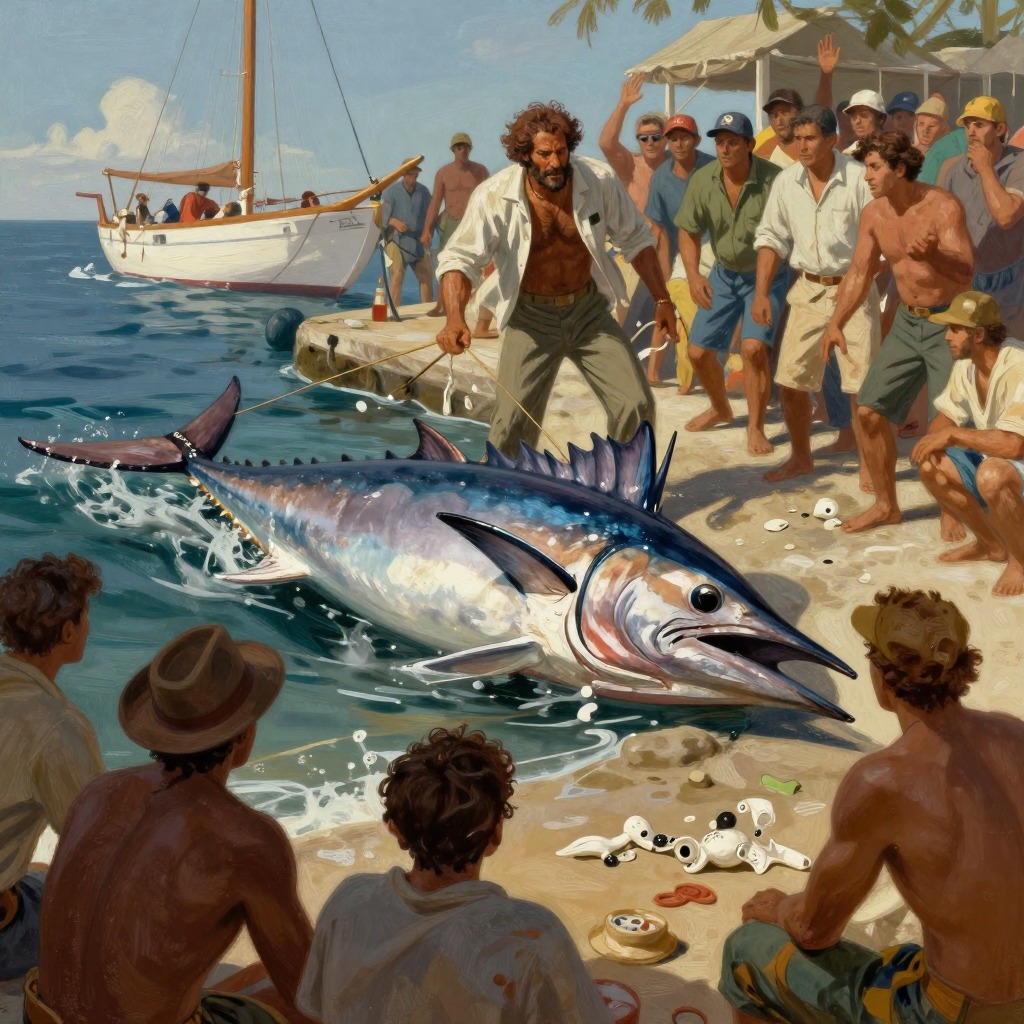
The Return to Harbor
Santiago drags the marlin skeleton back to the harbor and collapses, his struggle witnessed by the community.
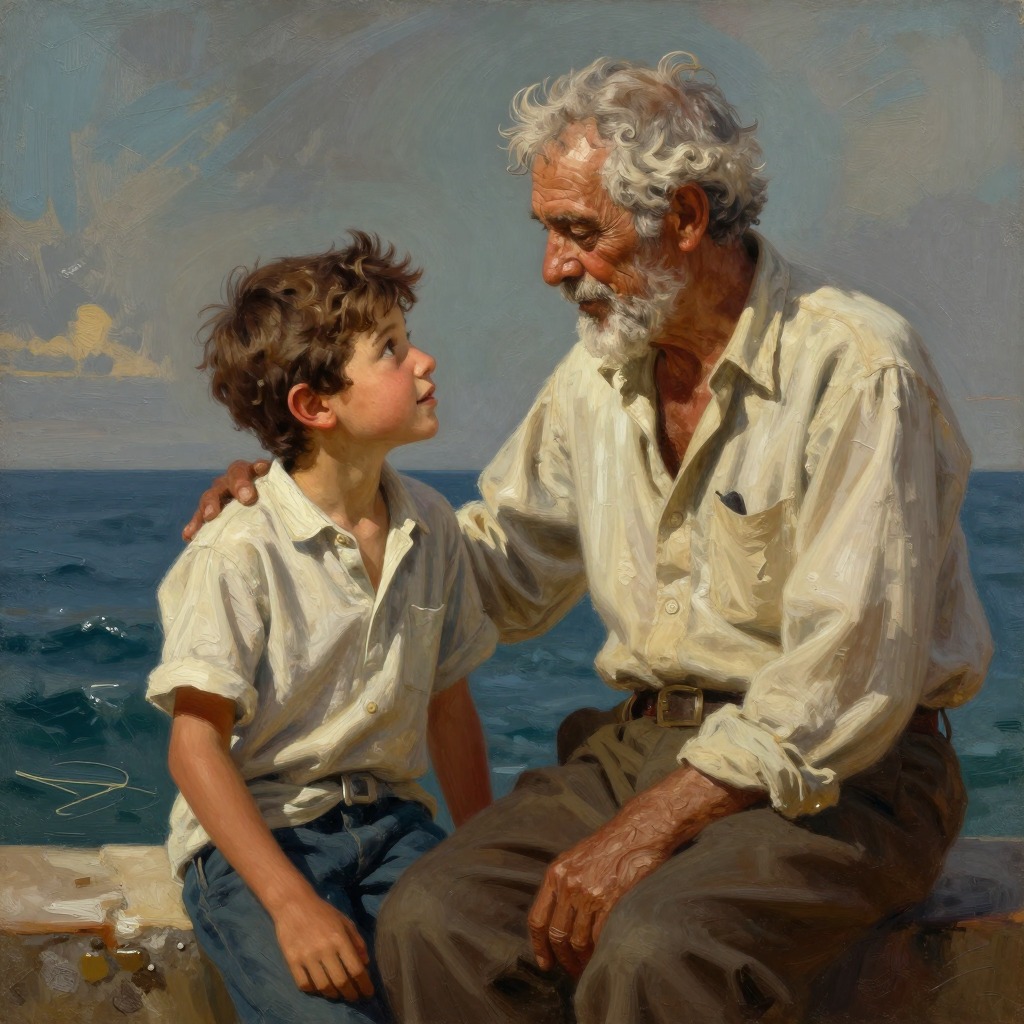
Manolin's Loyalty and Growth
The boy Manolin's devotion to Santiago deepens despite his parents' orders, and he becomes the old man's true disciple.
The Baseball Subplot
Santiago's thoughts about baseball, especially the great DiMaggio, provide a mental anchor and a measure of his own worth.
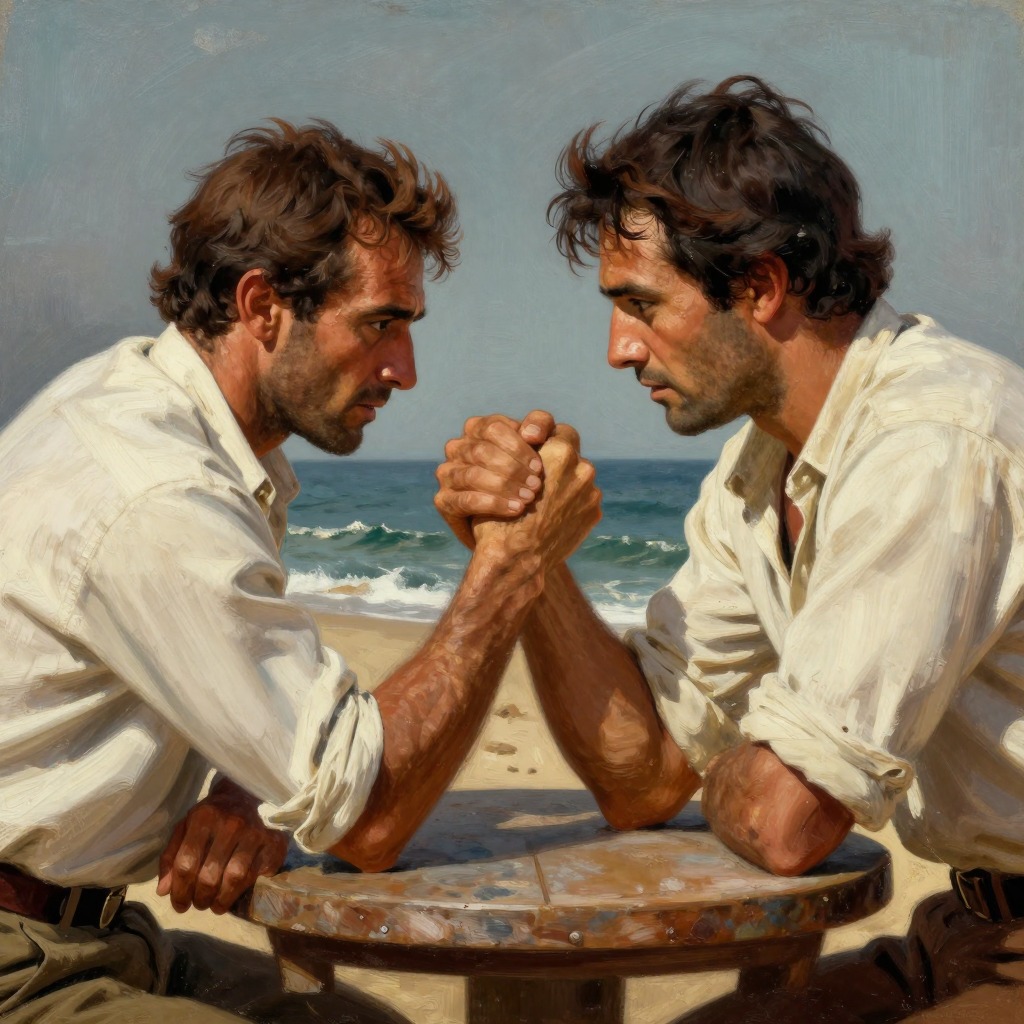
The Memory of the Hand Game
Santiago recalls his victory in an arm-wrestling match in Casablanca, a touchstone of his physical prowess and will.
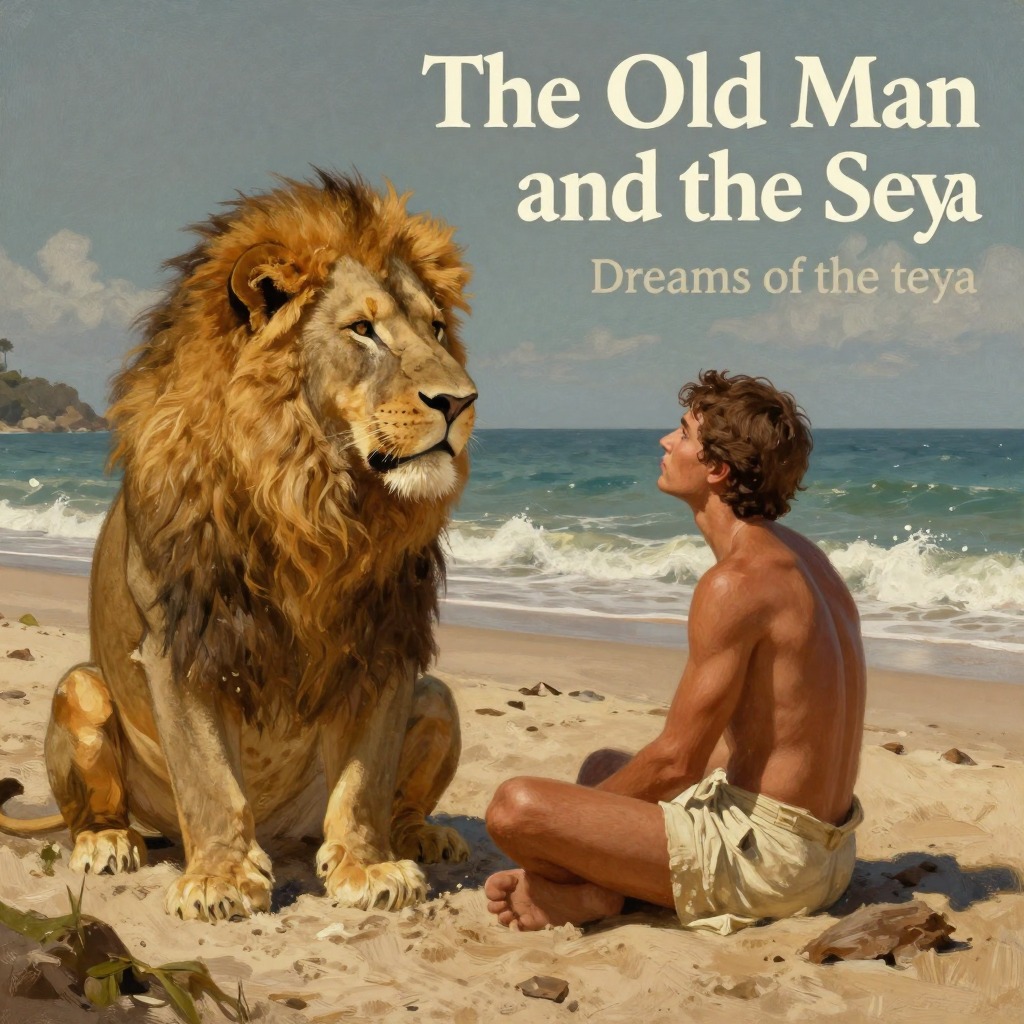
The Dreams of the Lions
Santiago's recurring dream of lions on an African beach symbolizes his youth, vitality, and inner peace.
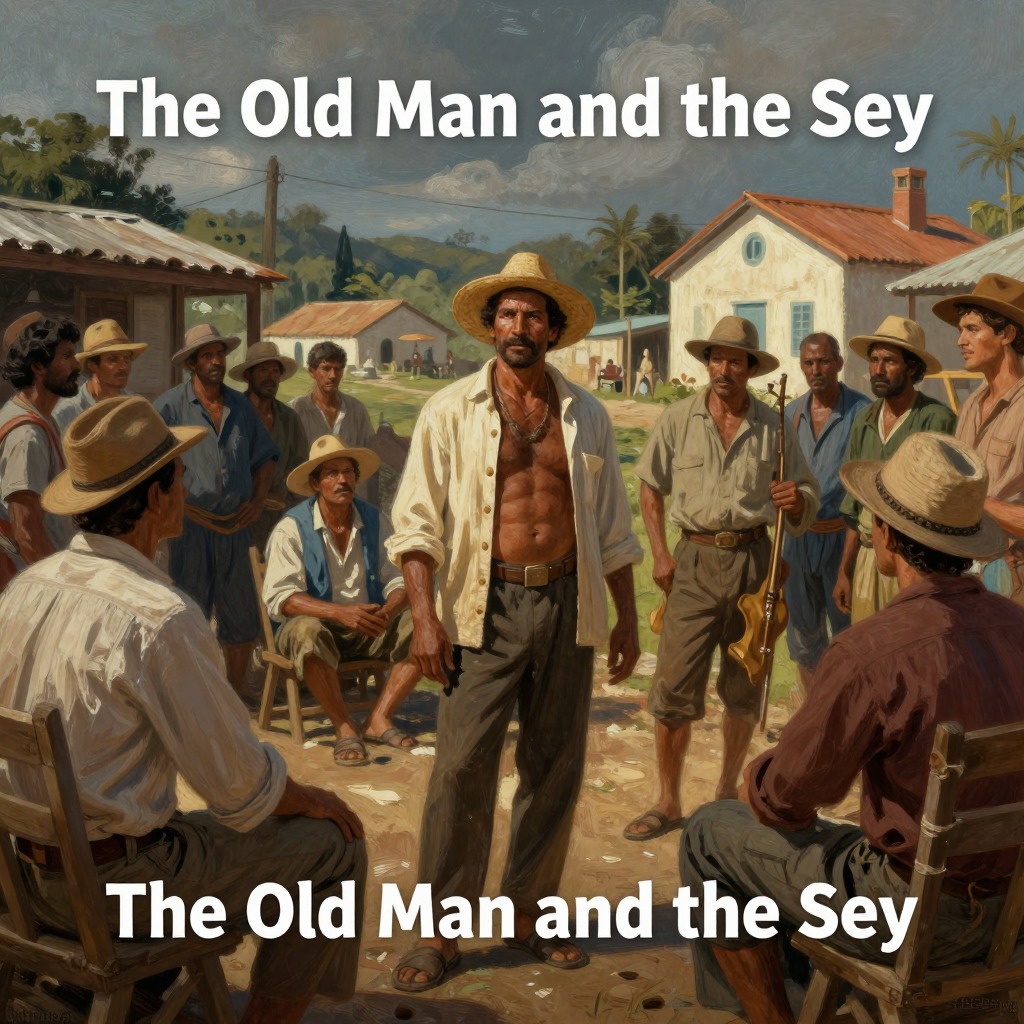
The Village Community
The fishermen and townspeople of the village form a backdrop of support, judgment, and shared life.
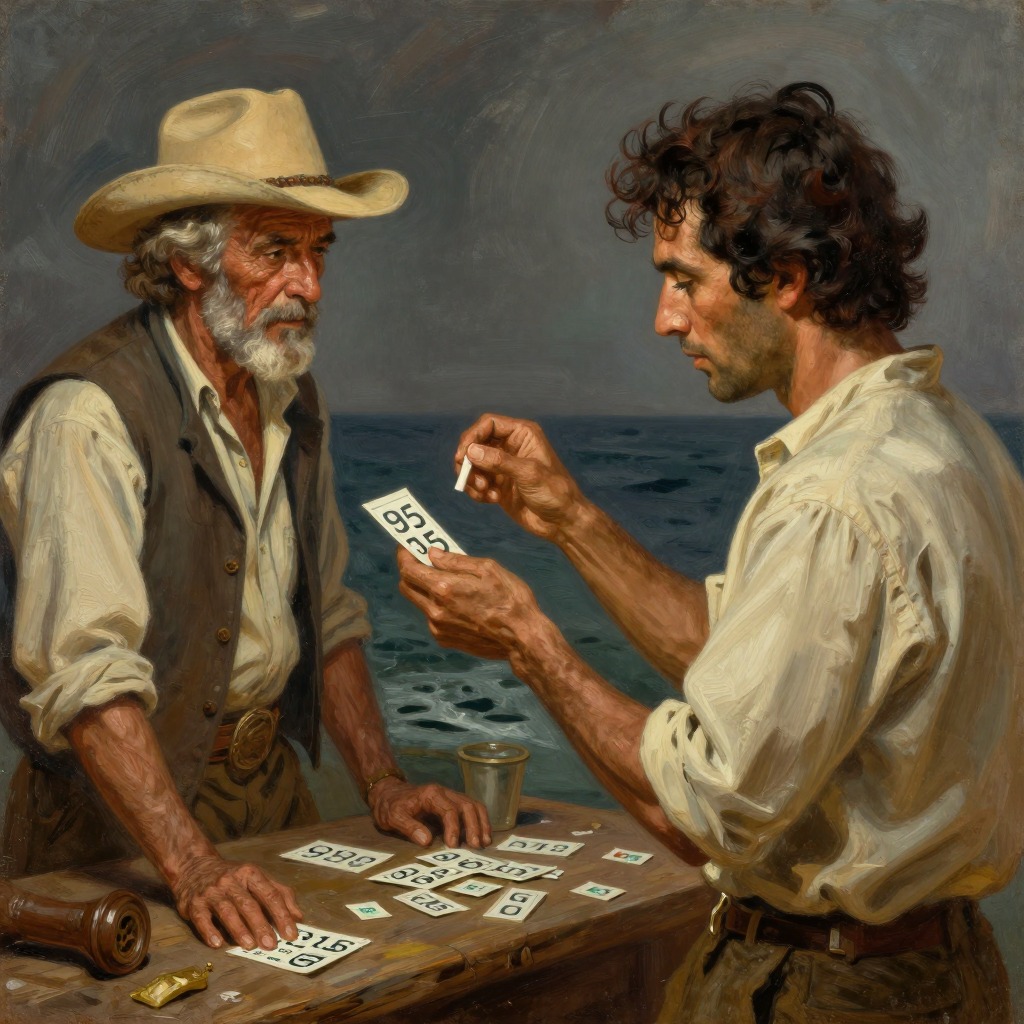
The Lottery and Luck
Santiago's superstitions about luck, expressed through the lottery and the number eighty-five, reflect his cultural context.
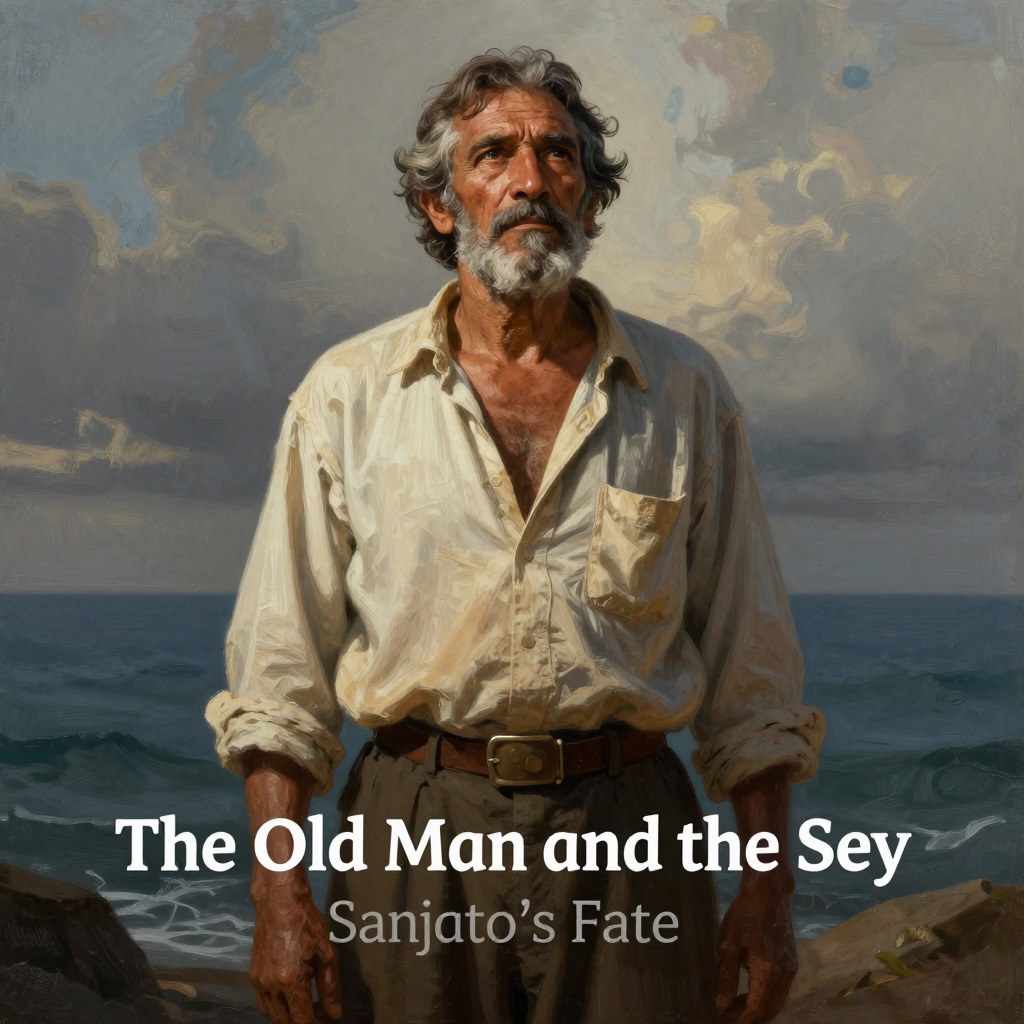
Santiago's Fate: The Old Man's Journey
Santiago's character arc from a defeated old man to a heroic figure, and finally to a broken but resilient survivor.
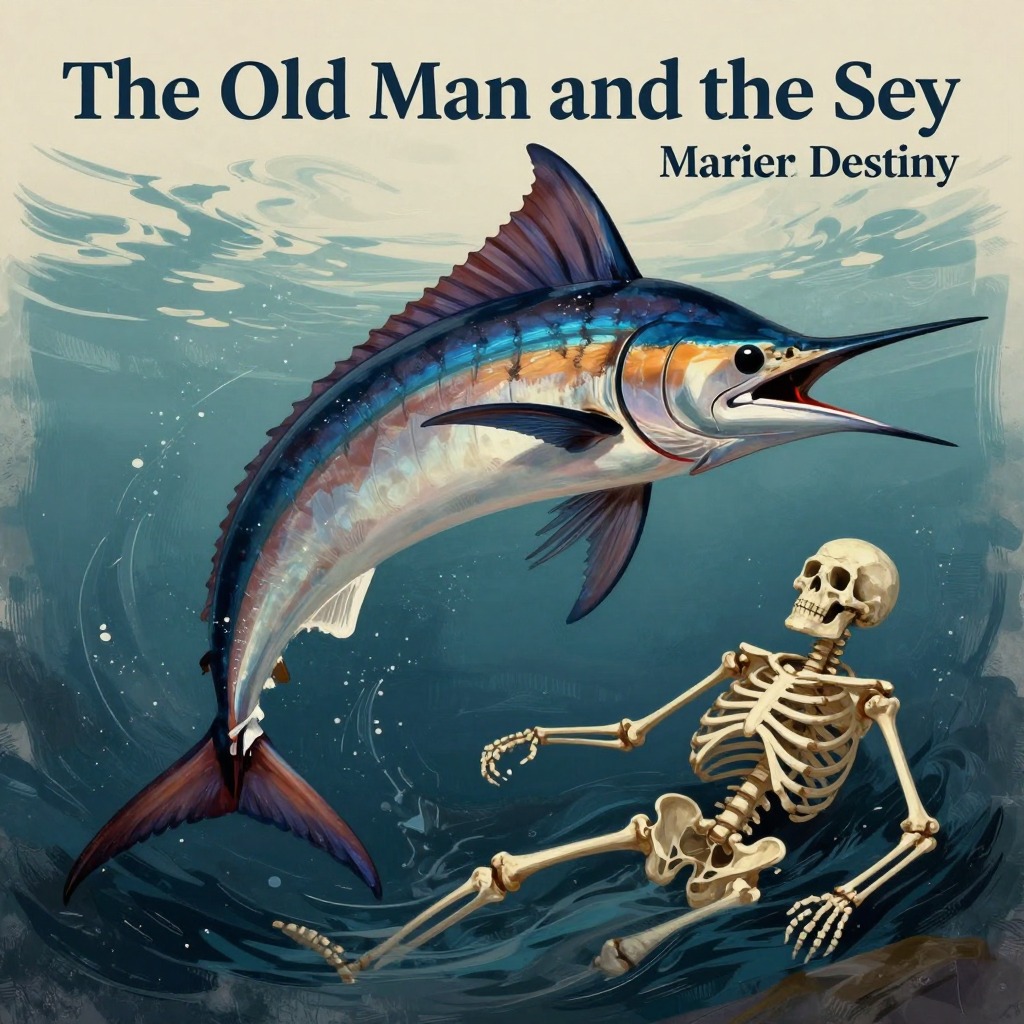
The Marlin's Destiny
The great marlin's journey from a free king of the sea to a captured prize, then to a skeleton, embodying the cycle of life and death.
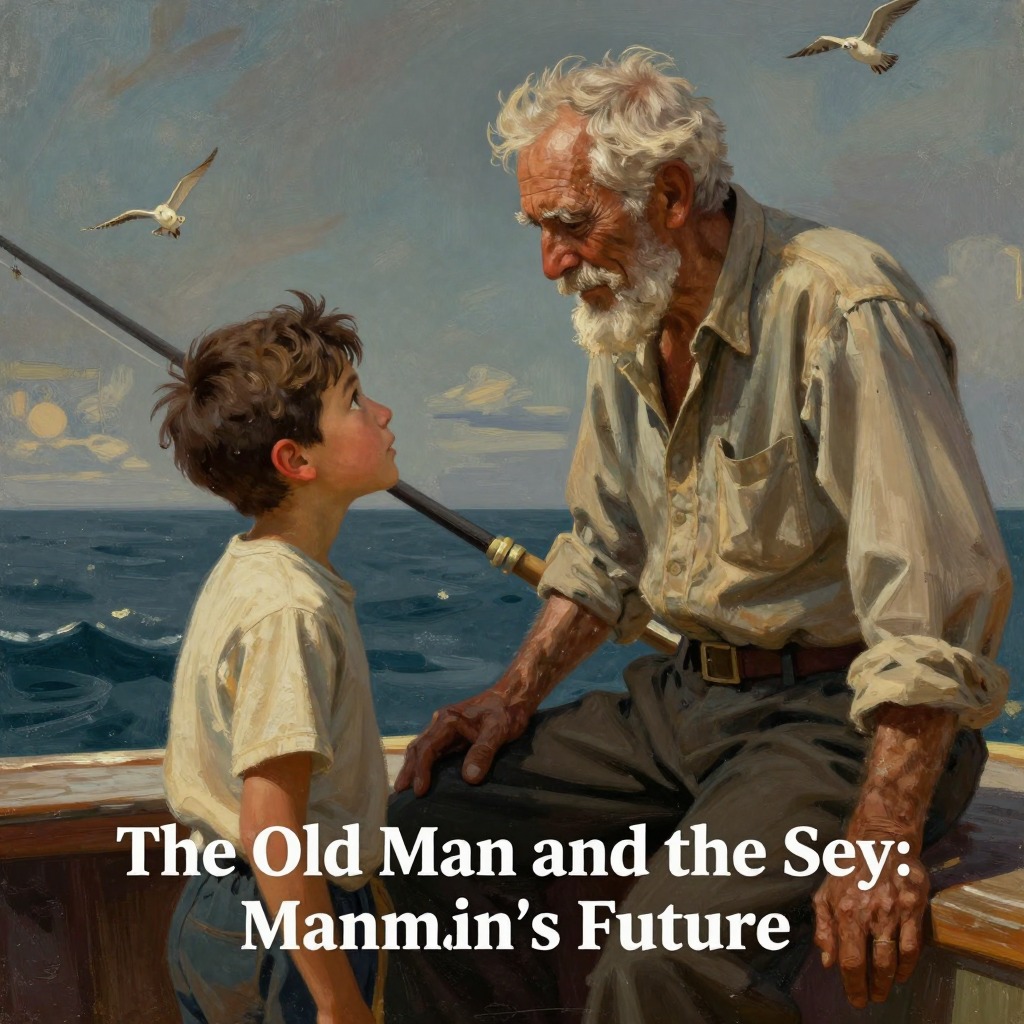
Manolin's Future
The boy's growth from a helper to a potential successor, embracing the old man's code and preparing for a life at sea.
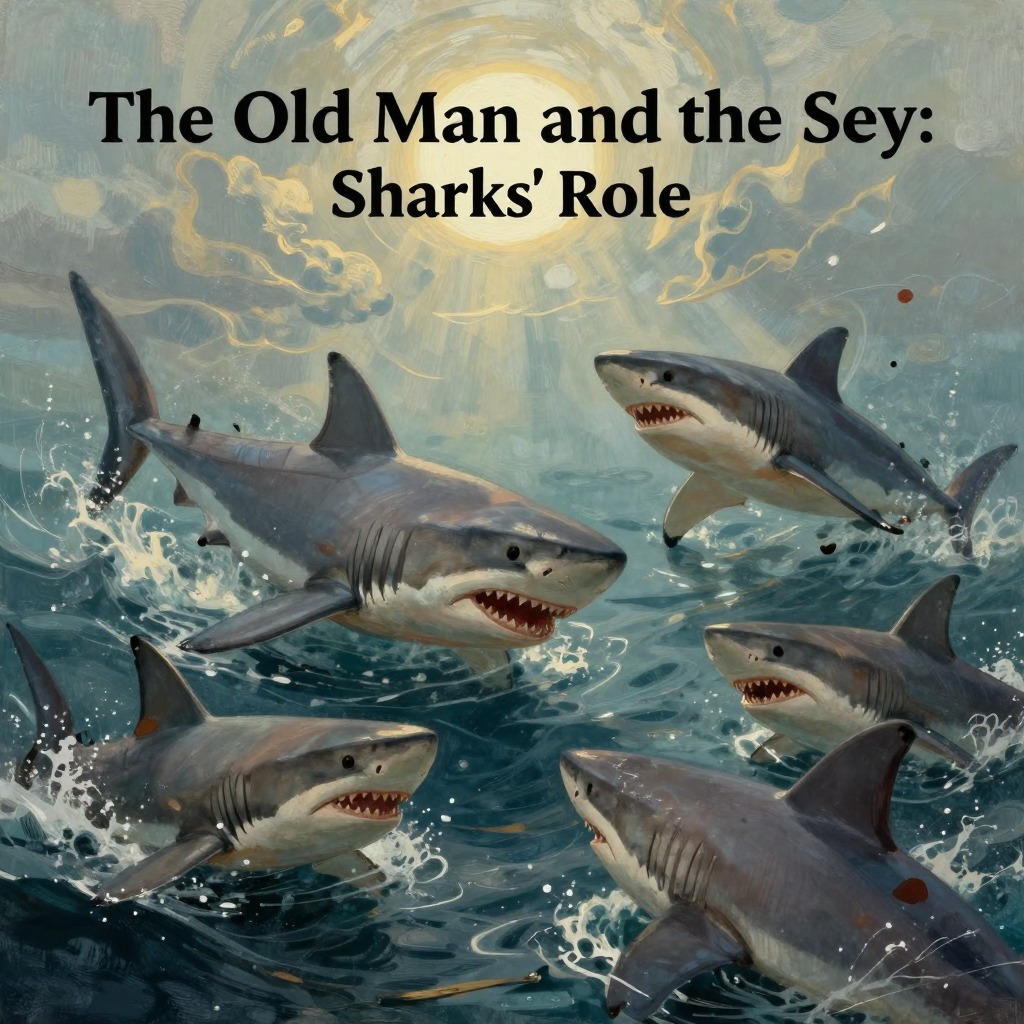
The Sharks' Role
The sharks, from the noble Mako to the scavenging galanos, act as agents of destruction and symbols of the sea's harshness.
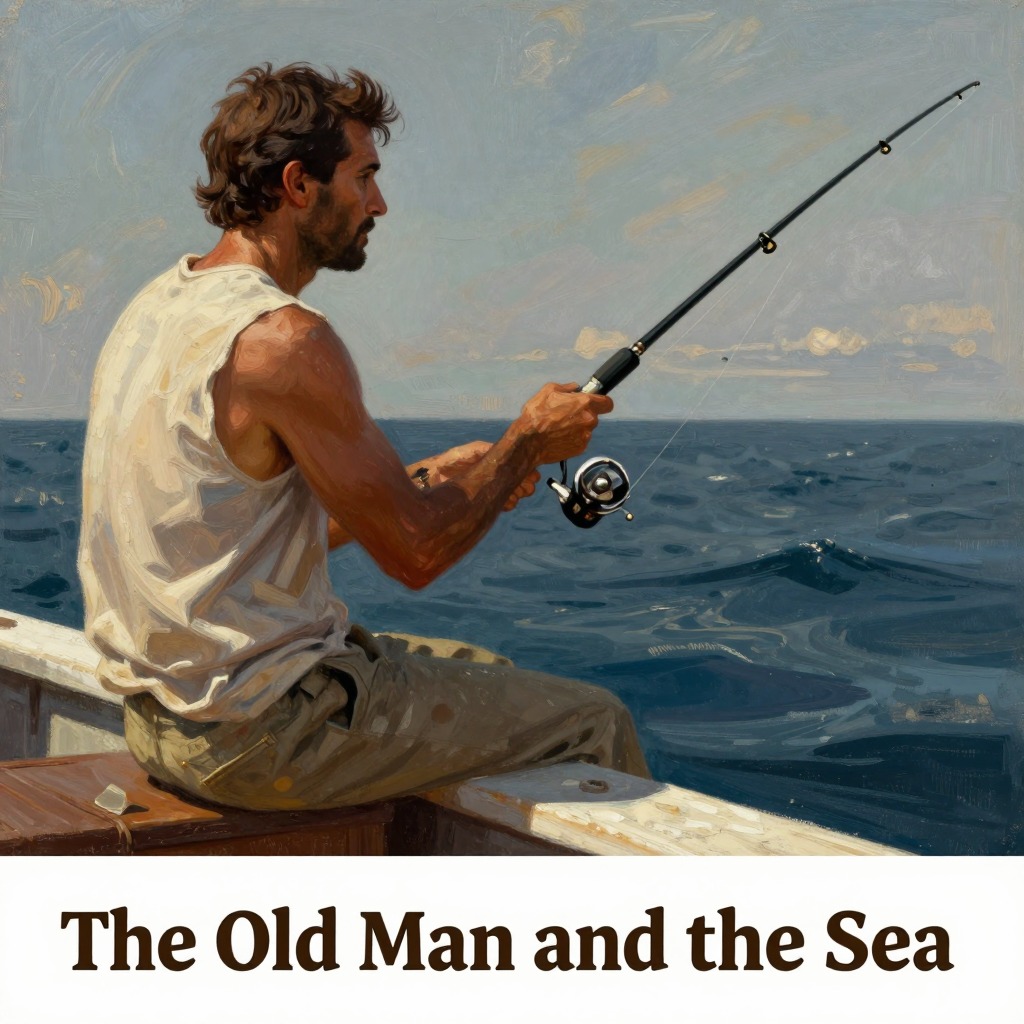
The Code of the Fisherman
The unwritten rules of fishing—skill, patience, respect for the sea—are tested and affirmed through Santiago's actions.
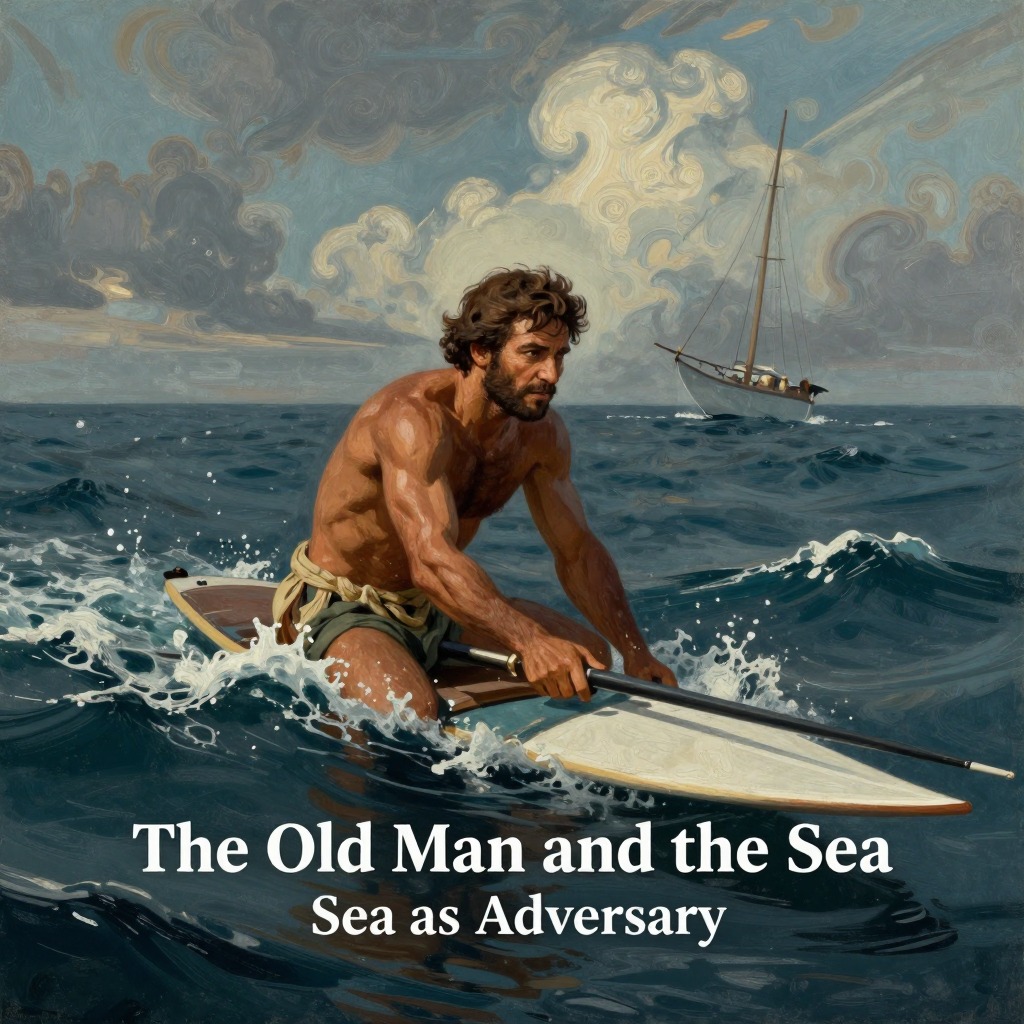
Man vs. Nature: The Sea as Adversary
The sea is portrayed as a powerful, indifferent force that Santiago must contend with, both physically and spiritually.
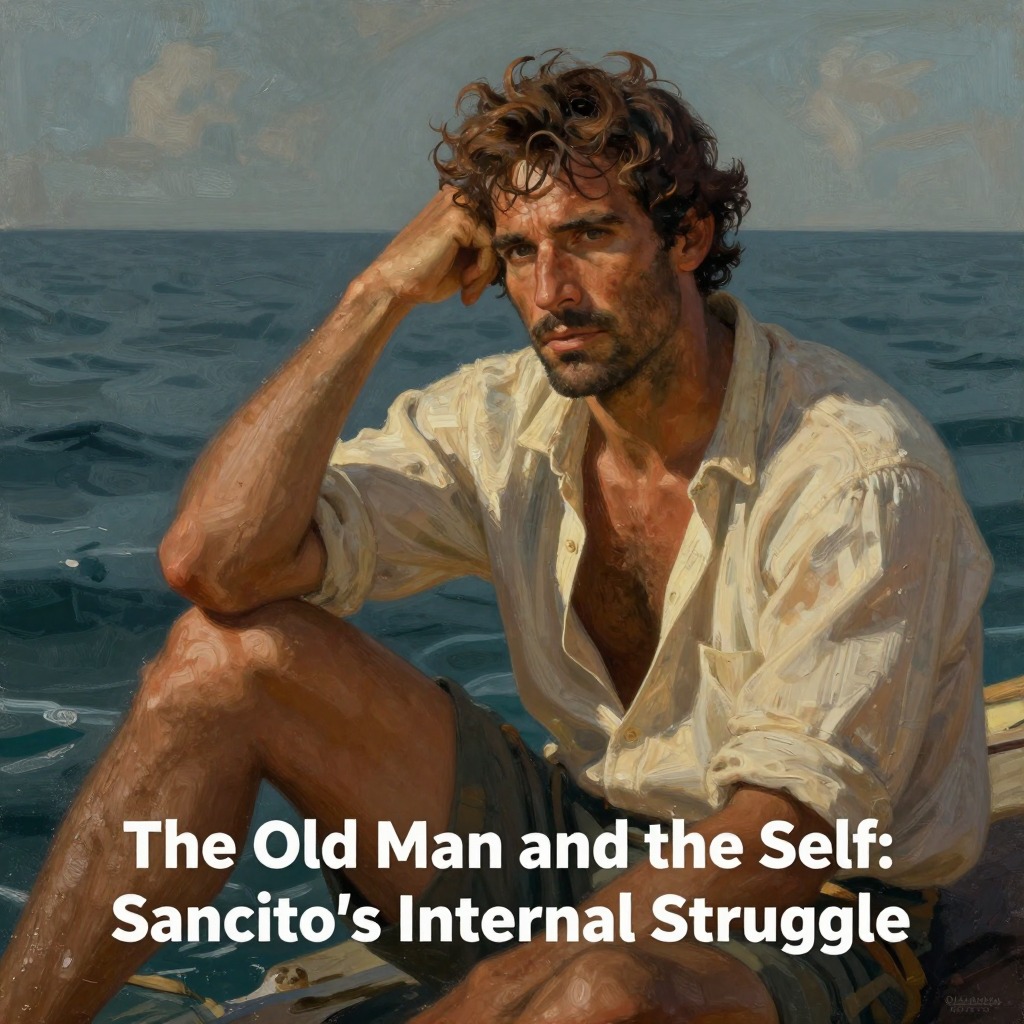
Man vs. Self: Santiago's Internal Struggle
Santiago battles his own physical limitations, doubts, and memories, testing his will to continue.
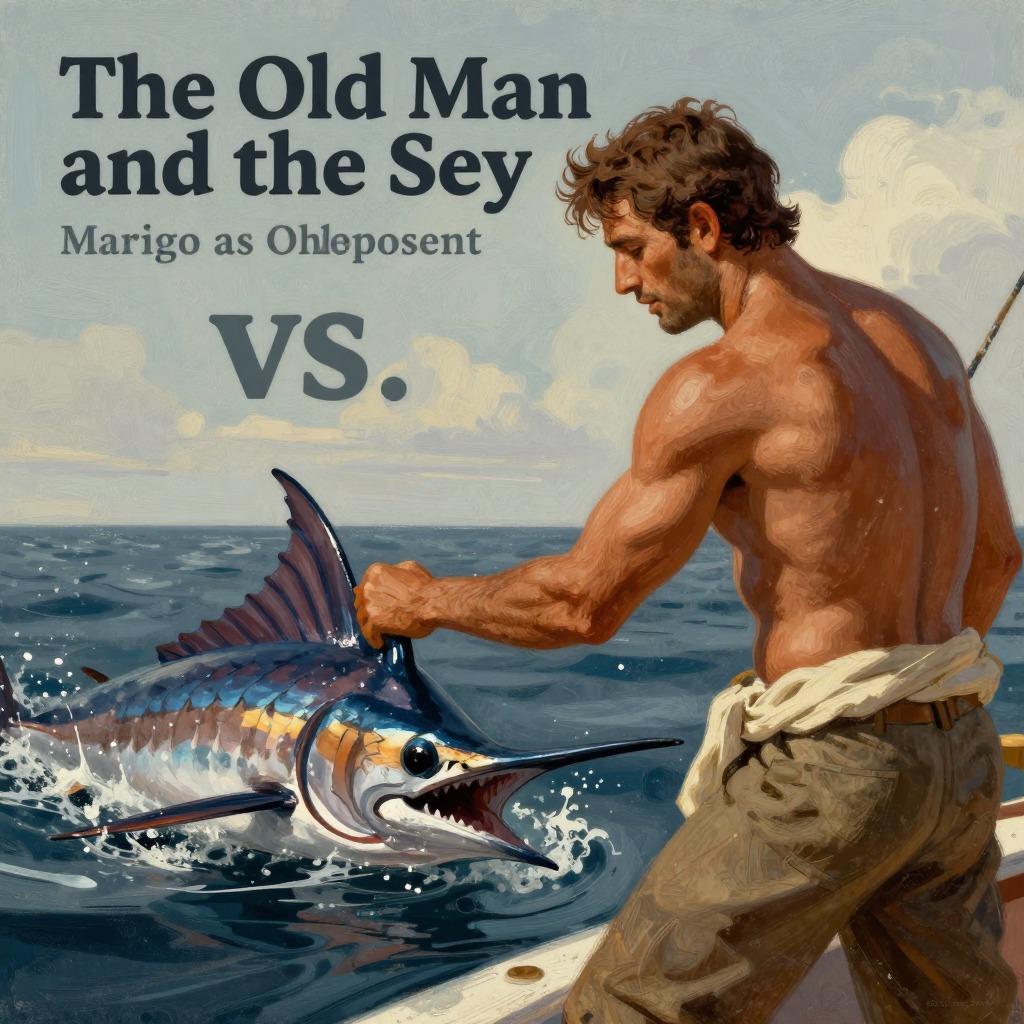
Man vs. Fish: The Marlin as Opponent
The direct conflict between Santiago and the marlin, a battle of strength, endurance, and mutual respect.
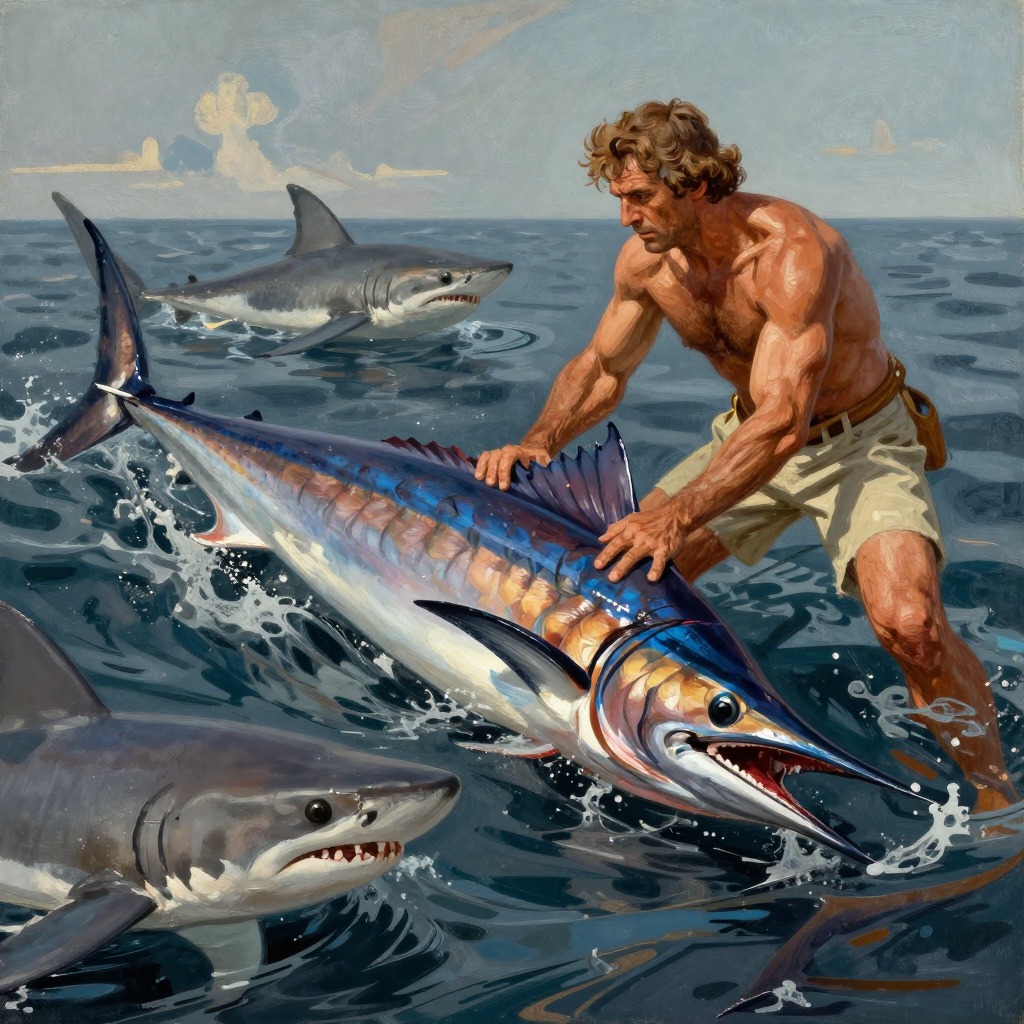
Man vs. Sharks: The Battle for the Catch
Santiago fights multiple shark attacks to defend the marlin's meat, a desperate and ultimately losing battle.
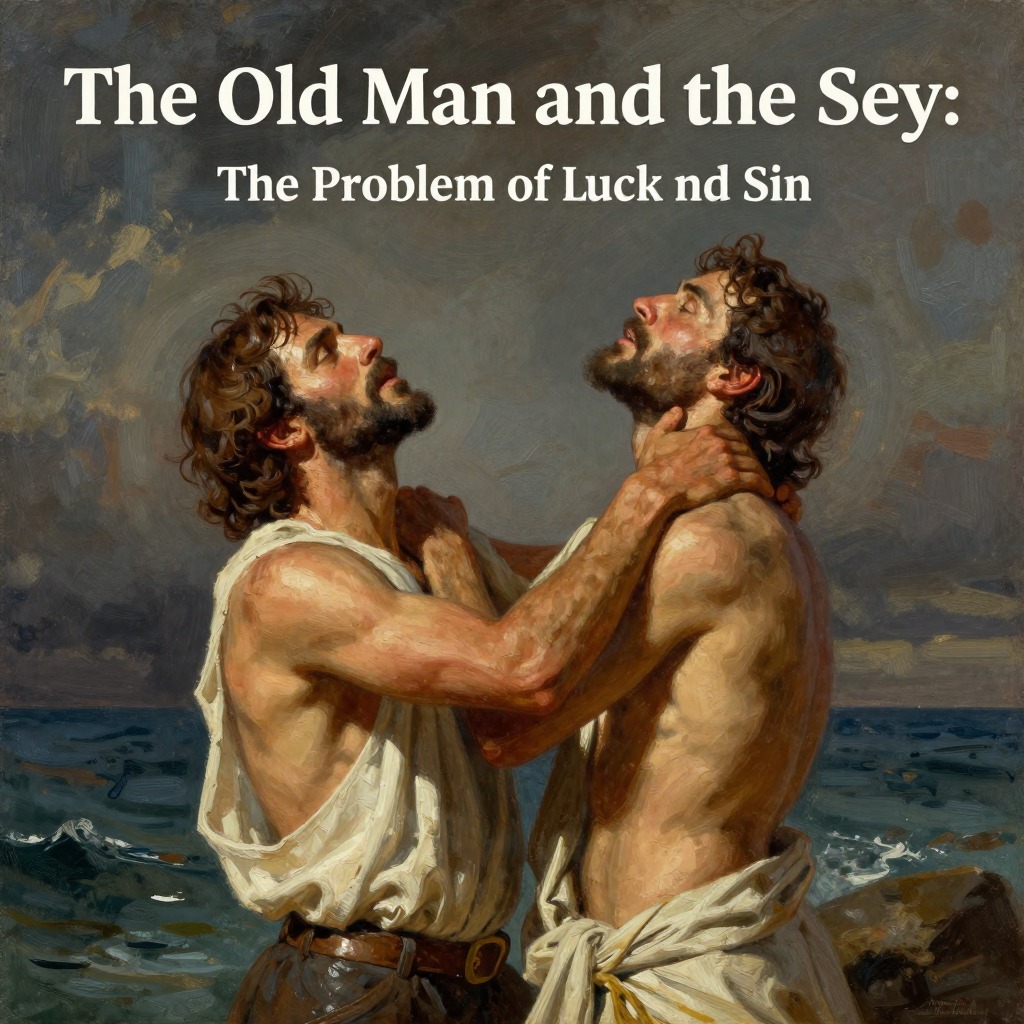
Man vs. Faith: The Problem of Luck and Sin
Santiago grapples with questions of luck, sin, and religious faith, seeking meaning in his suffering.
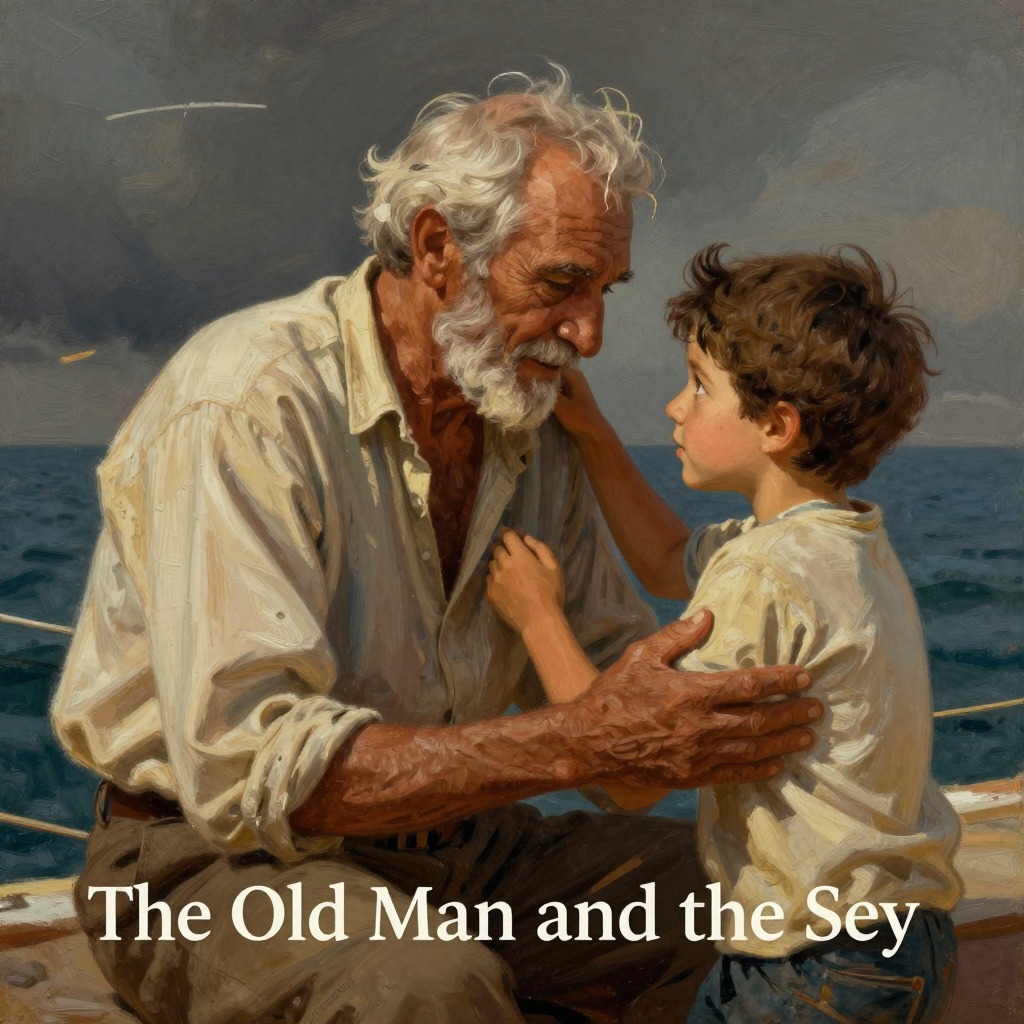
Santiago and Manolin: Father-Son Bond
The deep emotional connection between the old man and the boy, built on love, teaching, and mutual care.
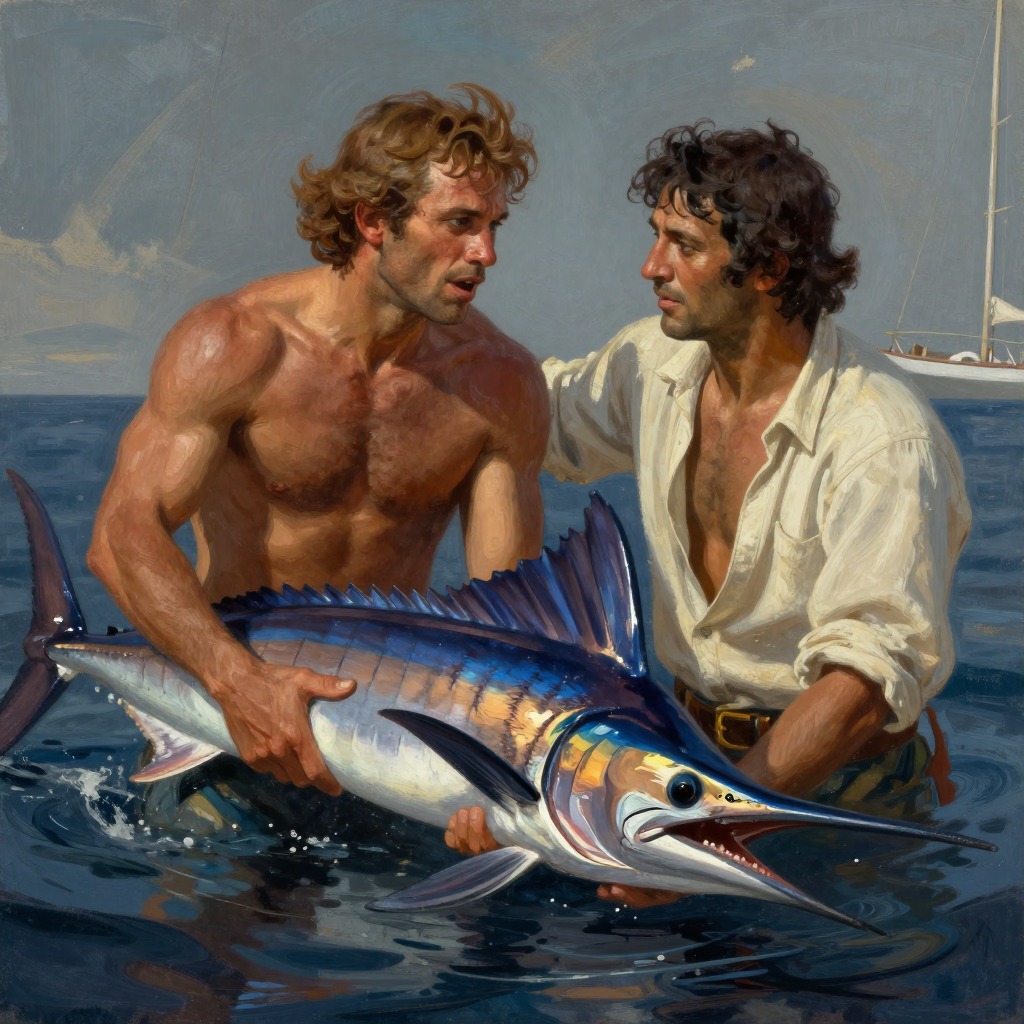
Santiago and the Marlin: Brotherhood
Santiago's emotional identification with the great fish, seeing it as a brother and equal, despite the necessity of killing it.
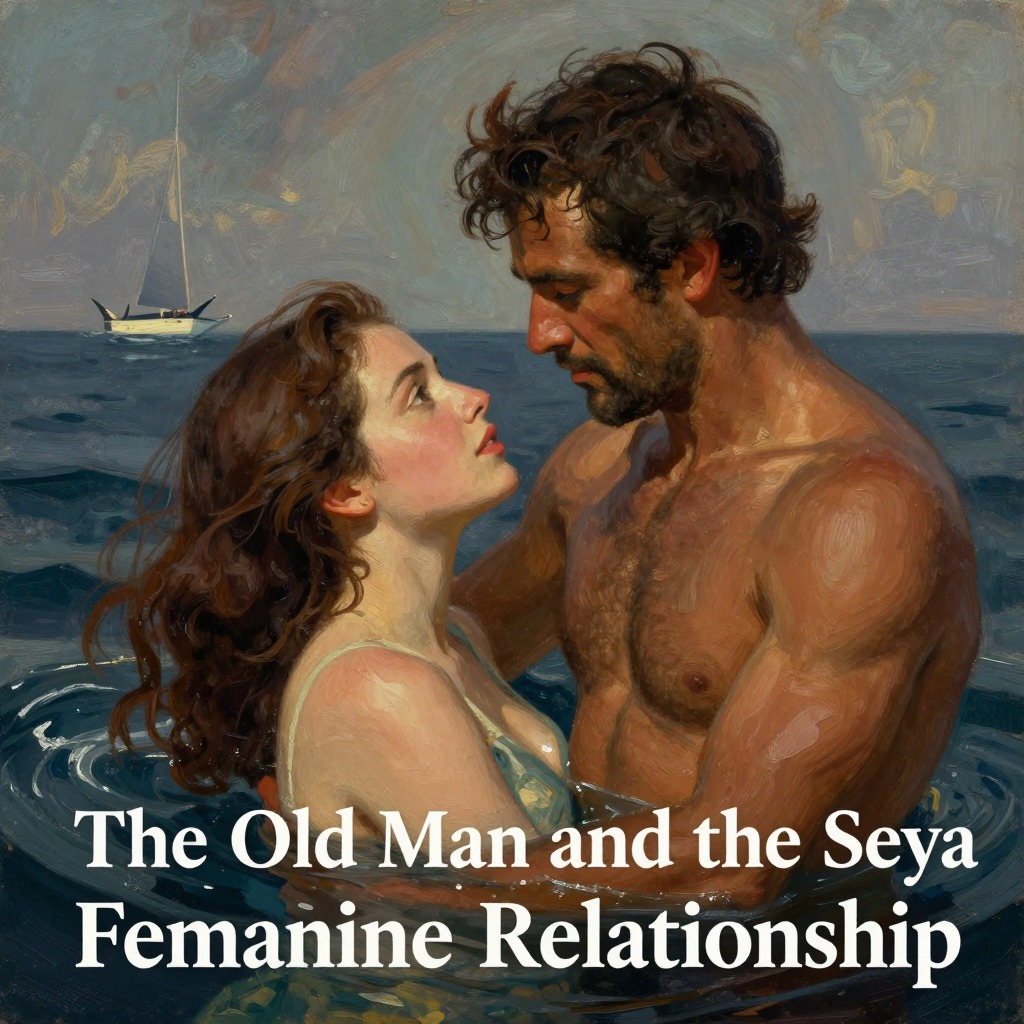
Santiago and the Sea: Feminine Relationship
Santiago's view of the sea as a woman, a source of life and danger, whom he loves and respects.
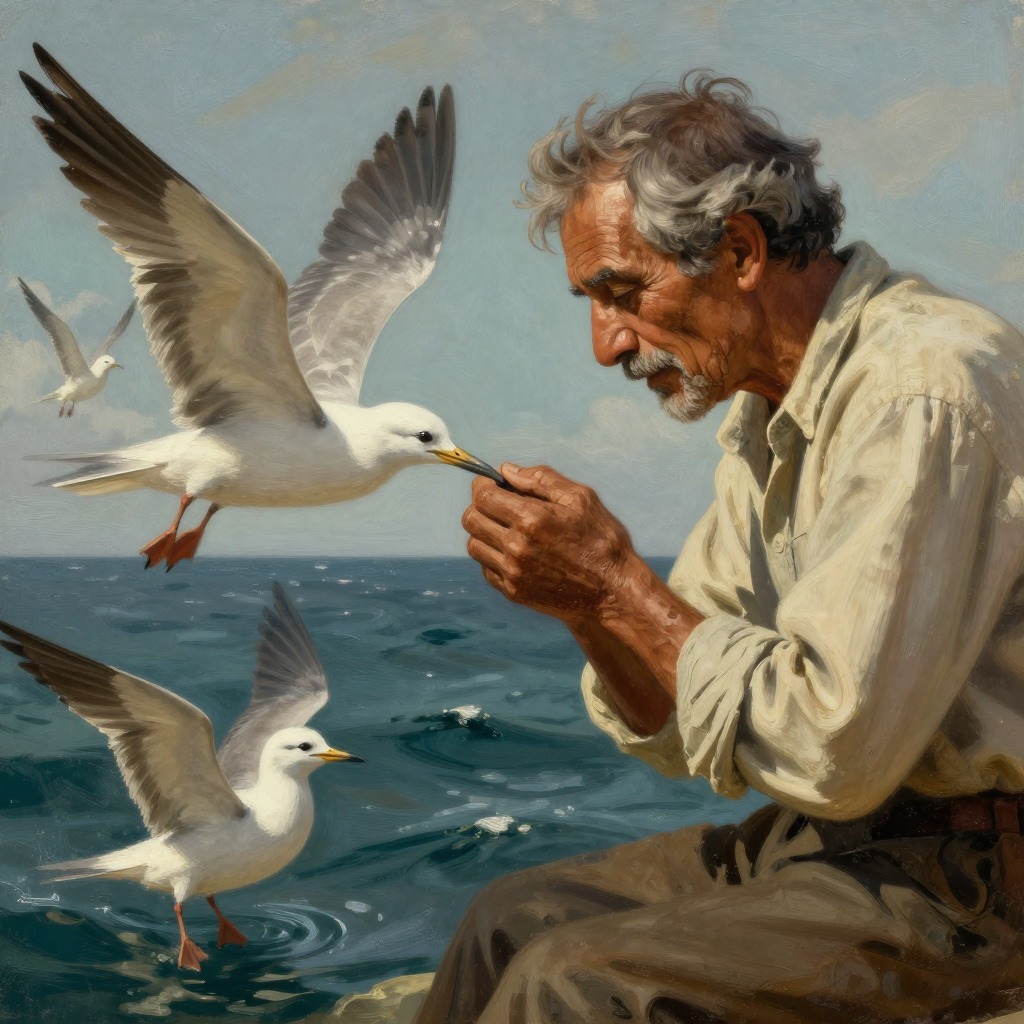
Santiago and the Birds: Compassion
The old man's empathy for the delicate birds of the sea, a reflection of his own vulnerability and kindness.
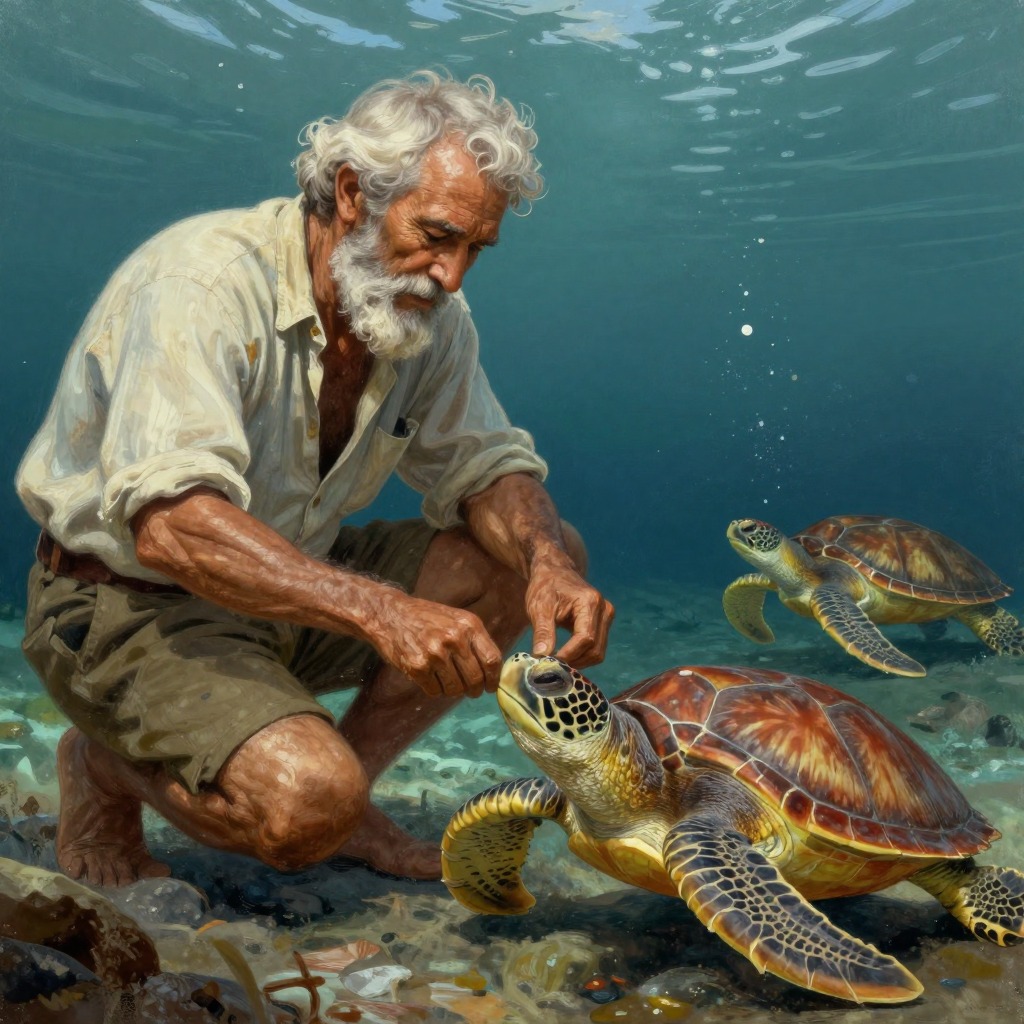
Santiago and the Turtles: Respect
The old man's admiration for turtles, their resilience, and their role in the sea's ecosystem.
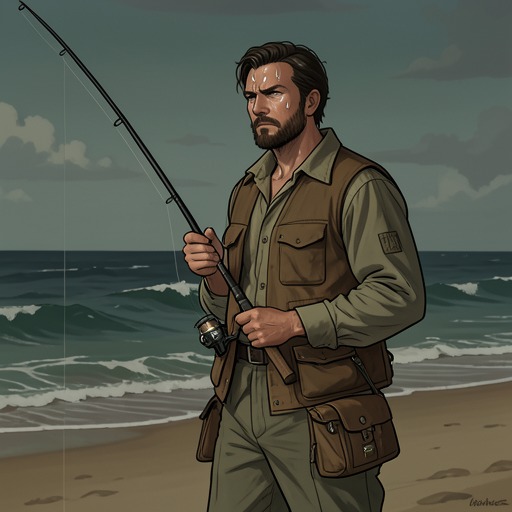
The Theme of Endurance
The novel explores endurance as a central virtue, embodied by Santiago's physical and mental stamina.
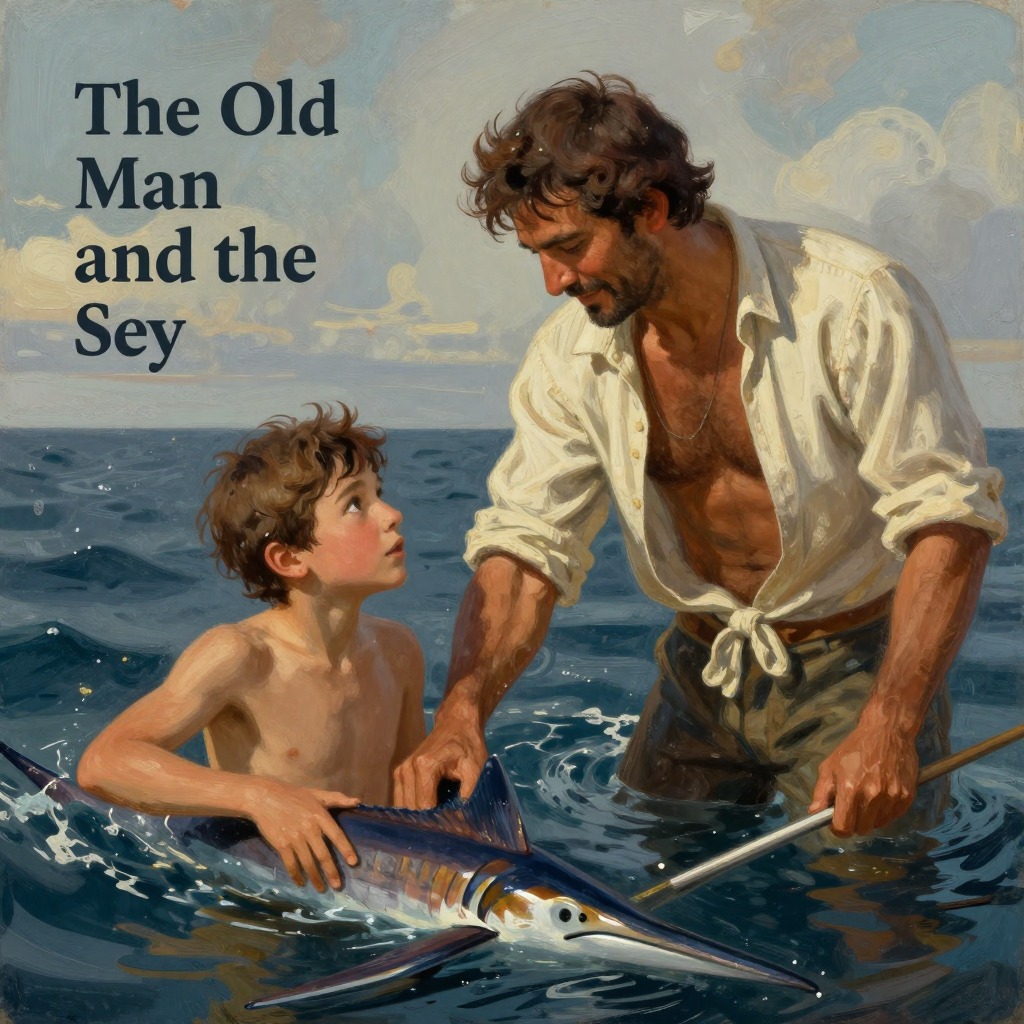
The Theme of Pride and Humility
Santiago's pride in his skill and his humility in the face of the sea and his own limitations are in constant tension.
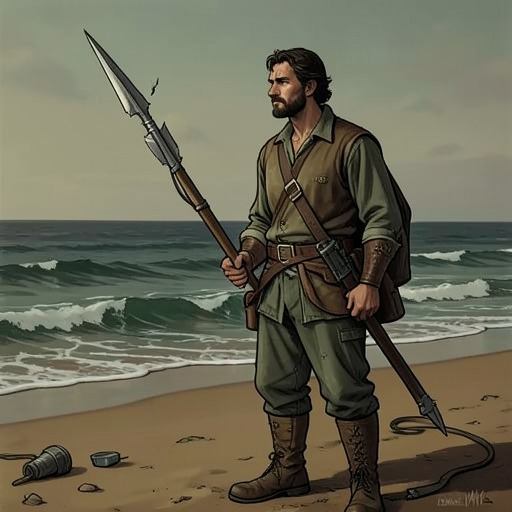
The Theme of Defeat and Undefeated
The novel's central paradox: Santiago is physically defeated but spiritually undefeated, a statesman of the human condition.
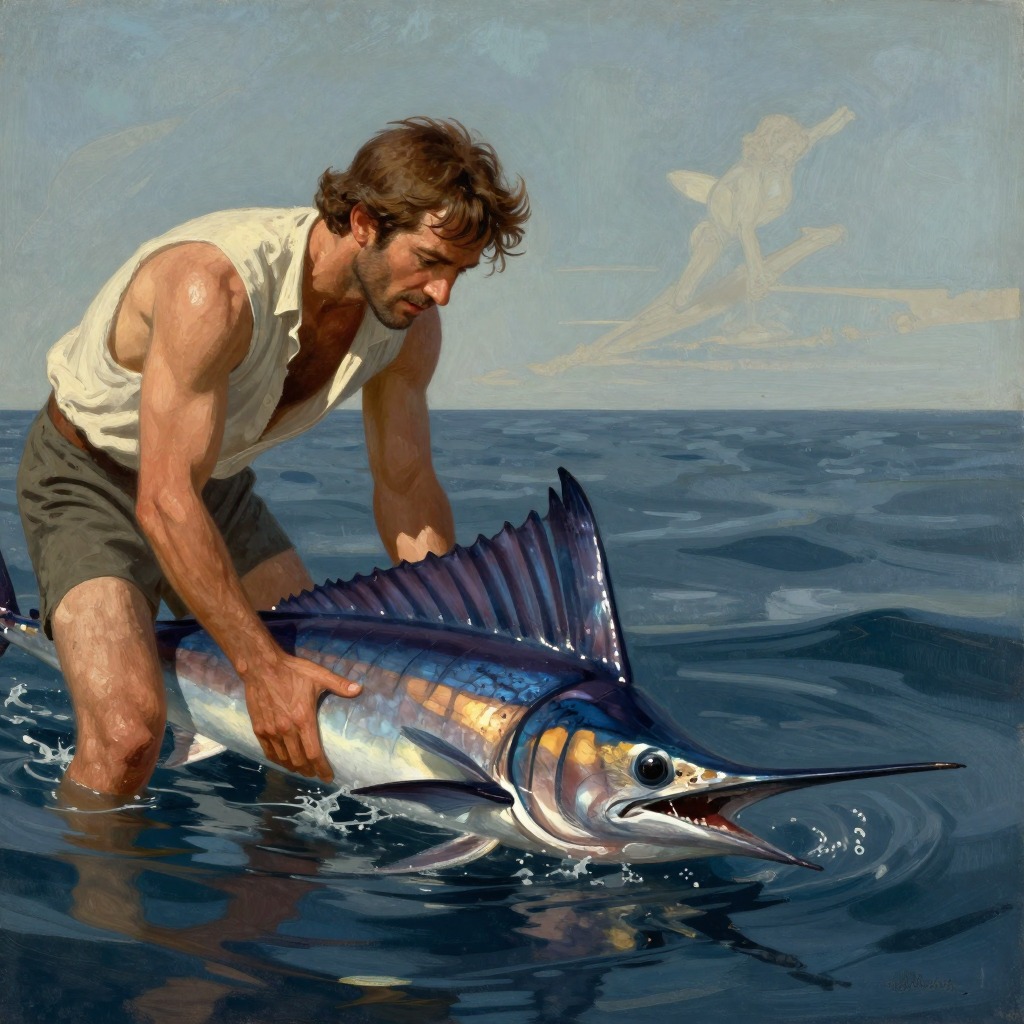
The Theme of Sin and Redemption
Santiago's reflections on sin, particularly the killing of the marlin, and his search for redemption through suffering.
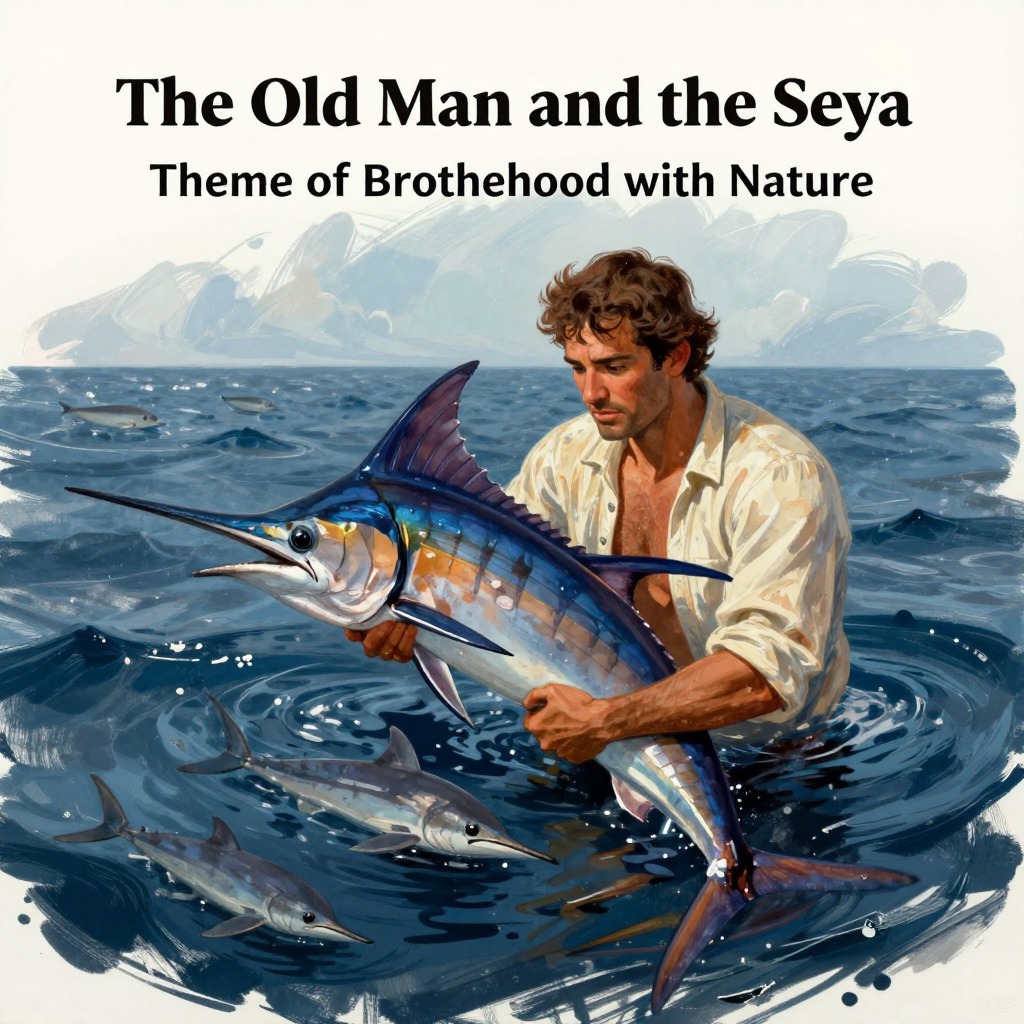
The Theme of Brotherhood with Nature
Santiago's sense of kinship with all creatures of the sea, from the marlin to the porpoises, emphasizing interconnectedness.
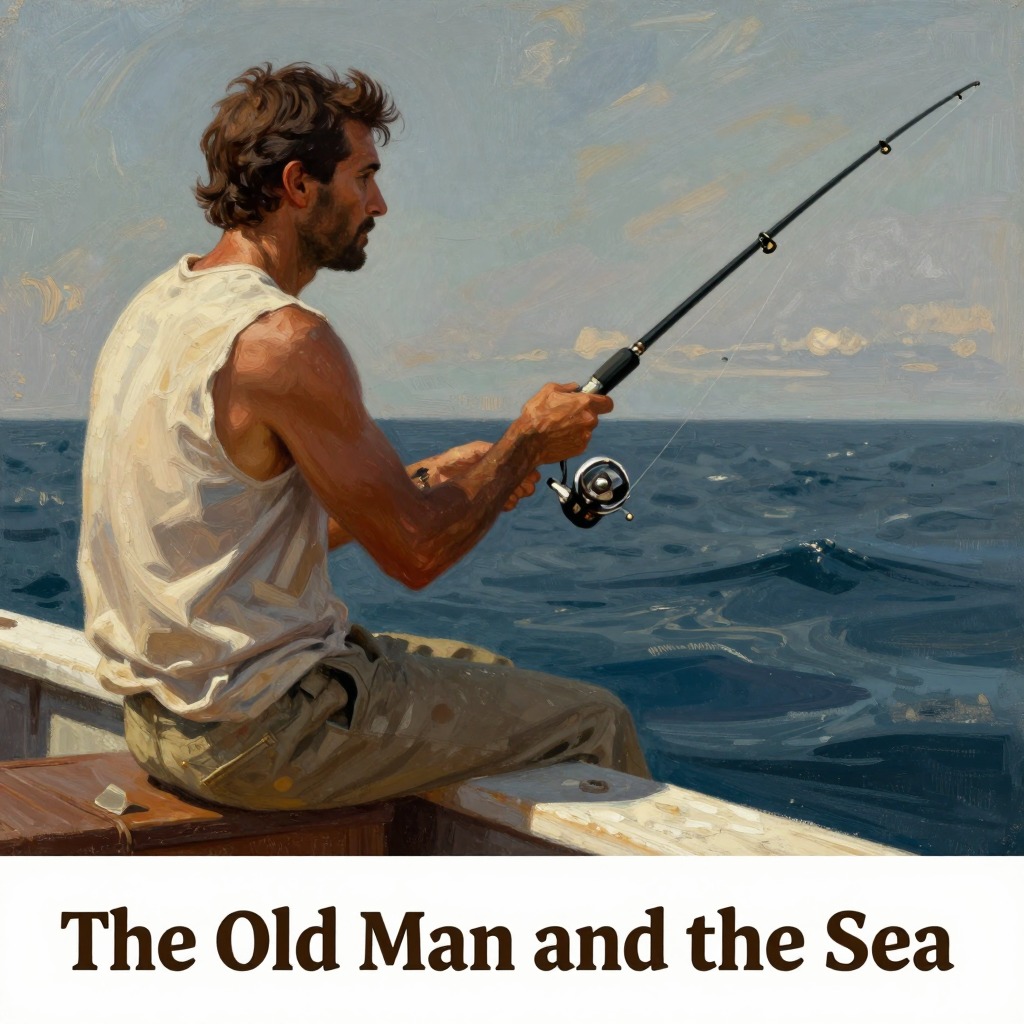
The Code of the Fisherman
The unwritten rules of fishing—skill, patience, respect for the sea—are tested and affirmed through Santiago's actions.