Morgenbladet
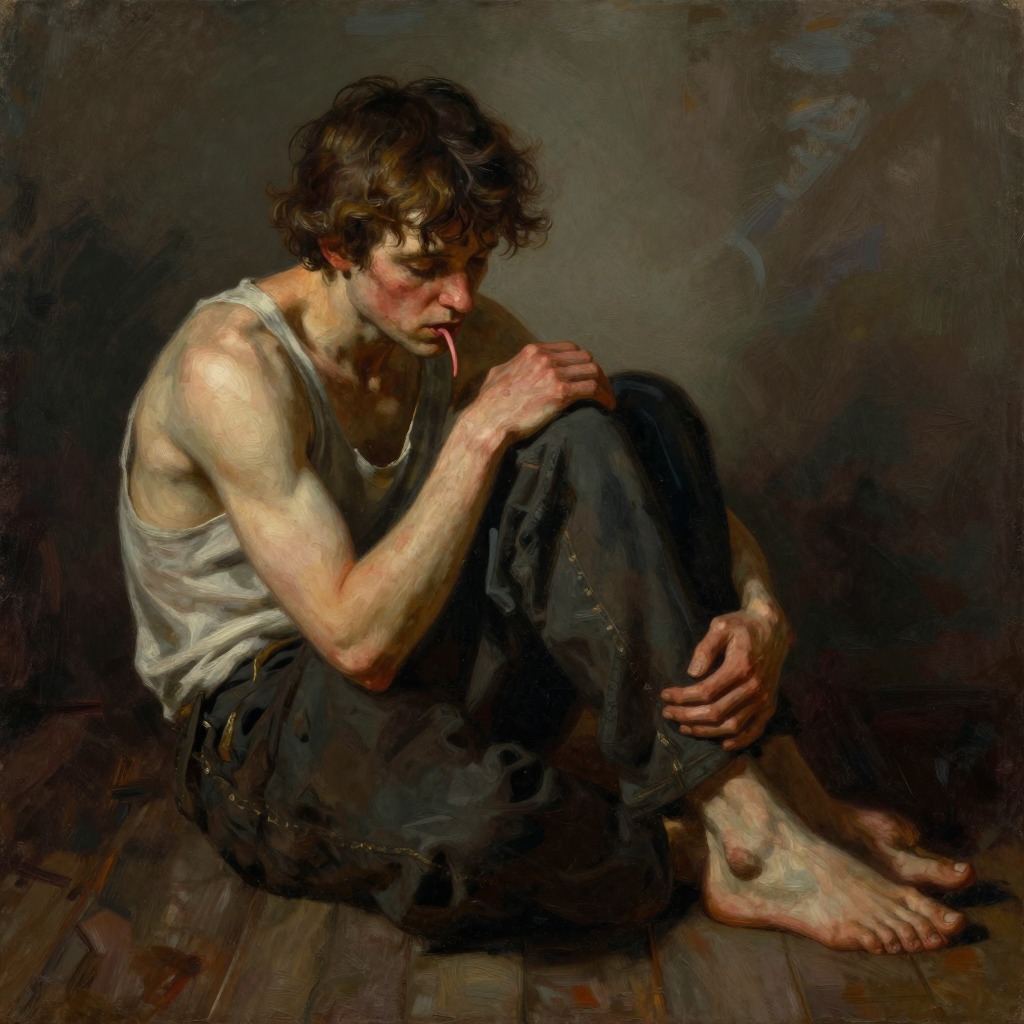
Morgenbladet appears first as the wallpaper of the narrator's destitution. In the opening pages of Hunger, the narrator lies awake in his attic and can distinguish clearly a notice from the Director of Lighthouses and an advertisement for Fabian Olsen's new-baked bread on the wall papered with old numbers of the paper. When it blows hard, the Morgenbladet near the door is rent in strips a span long. The paper's name is thus the first printed text the reader sees through the narrator's eyes, and its presence as a physical object—torn, layered, and read compulsively—establishes the claustrophobic, information-saturated poverty of his room.
Identity and False Claim
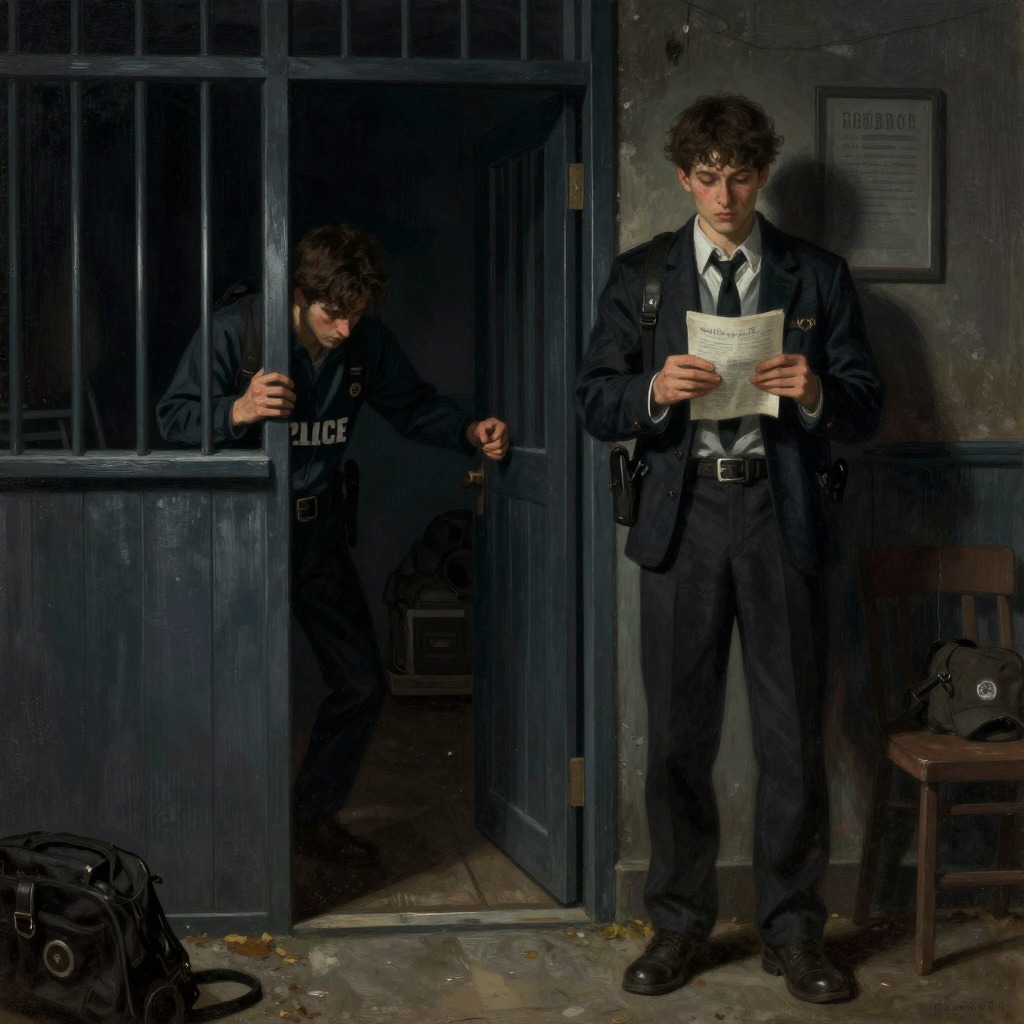
Months later, when the narrator is forced to spend a night in the guard-house as a homeless man, he gives a false name, Andreas Tangen, and when asked his occupation, he answers firmly, almost solemnly, "A journalist." Pressed for which paper, he replies, "Morgenbladet!" and adds that he has been out a little too late. The guard, impressed, bows politely and orders the policeman to show this gentleman up to the reserved section. The narrator feels ice run down his back at his own boldness, and later, alone in the cell, he gloats over how he fooled them: "Didn't I appeal straight to his heart with Morgenbladet?" The paper's respectable name becomes a shield, a piece of social armor that lets a starving, homeless man pass as a gentleman too distinguished to be treated as a common vagrant.
The Paper as a Marker of Decline
Throughout the novel, the narrator's relationship with Morgenbladet traces his descent. In the attic, the paper is a passive surface, a wallpaper he reads out of sheer habit. By the time he invents his false identity, he has lost his room, his belongings, and nearly all hope. The paper's name, once a mundane detail of his environment, becomes a desperate lie. Later, when he is utterly broken and wandering the streets, he passes a door with a plate reading "Winding-sheets to be had at Miss Andersen's, door to the right"—the same advertisement he had read on the wall of his attic. He mutters, "Old memories!" as his thoughts fly back to his former room in Hammersborg, to the Morgenbladet near the door, to the lighthouse director's announcement, and to Fabian Olsen's new-baked bread. The paper is thus a fixed point in a life that has otherwise lost all stability, a relic of a time when he still had a room, however wretched.
The Paper as a Symbol of the Public World
Morgenbladet also represents the public, commercial world that the narrator can no longer access. Its advertisements—for bread, for winding-sheets—are the language of a society that trades in necessities he cannot afford. When he lies about being a journalist for the paper, he is claiming membership in that world, a world of readers, writers, and respectable citizens. The guard's deference shows how powerful that claim is, even when it is a lie. The paper's name, spoken aloud, momentarily transforms the narrator from a starving outcast into a gentleman who has simply been out too late. The irony is that the real Morgenbladet, the one that papers his wall, is nothing but a torn, dirty surface—a fitting emblem for the gap between the social identity he pretends to and the physical reality he endures.