StoryFlow
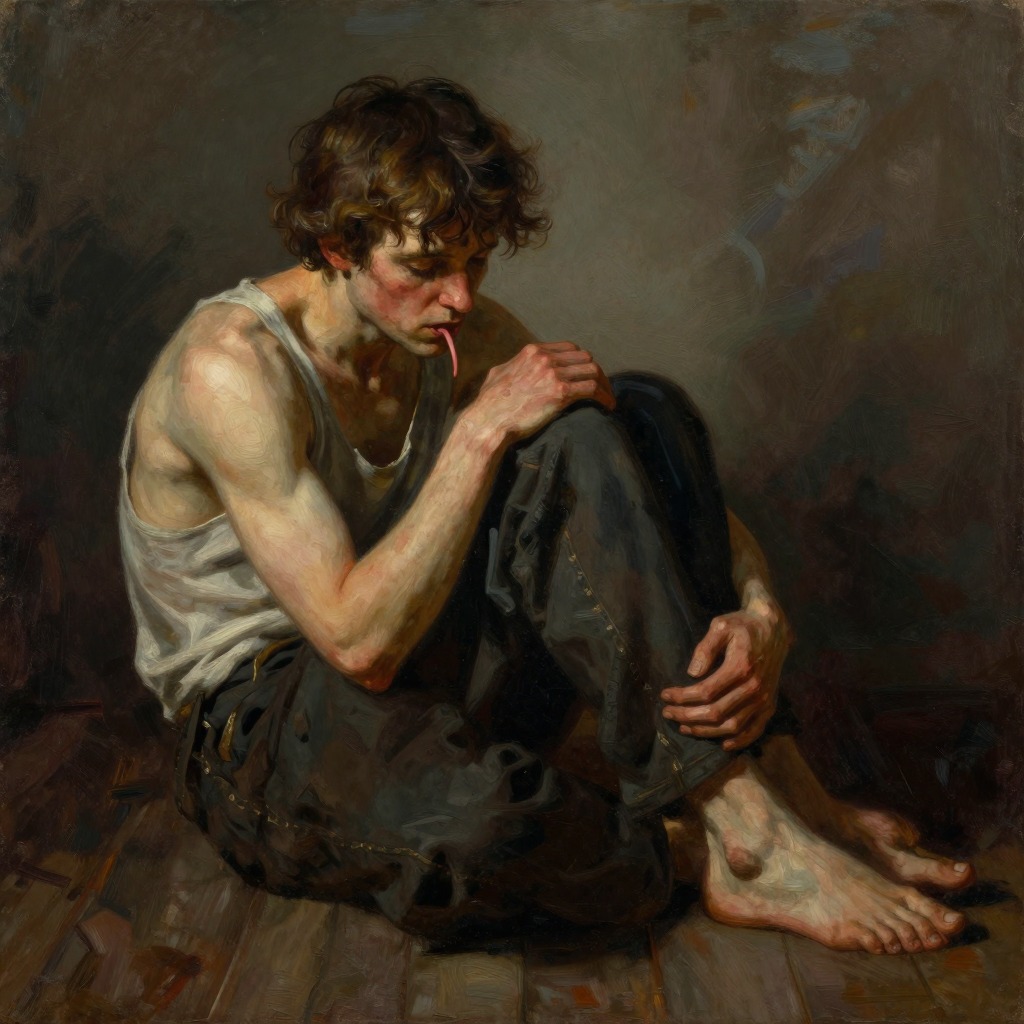
The Protagonist's Descent into Starvation
Traces the protagonist's progressive physical and mental decline due to chronic hunger in Christiania.

The Pursuit of Ylajali
The protagonist's obsessive, erratic relationship with the woman he names Ylajali, from first sight to final rejection.

The Struggle with Writing and the Editor
The protagonist's repeated attempts to write for a living and his interactions with the Commandor.
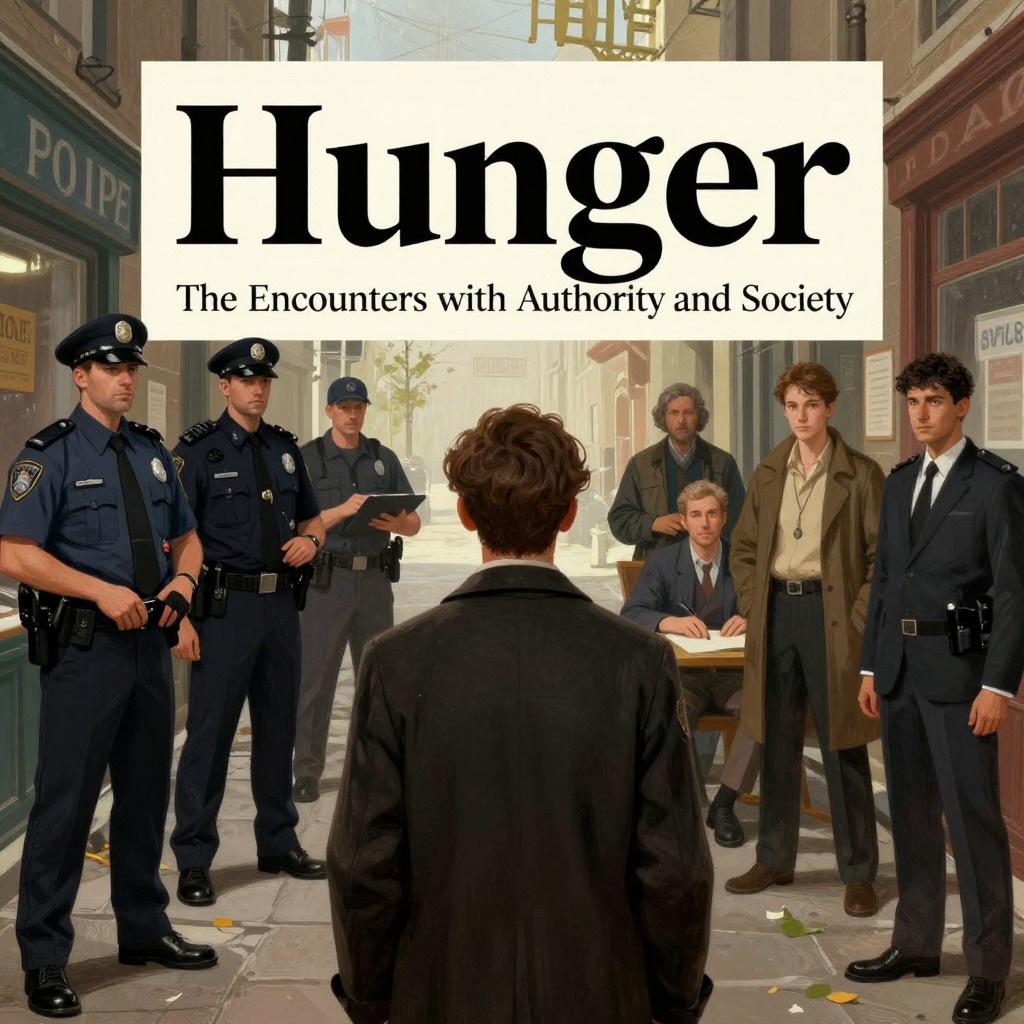
The Encounters with Authority and Society
The protagonist's conflicts with societal institutions: police, pawnbrokers, landlords, and employers.
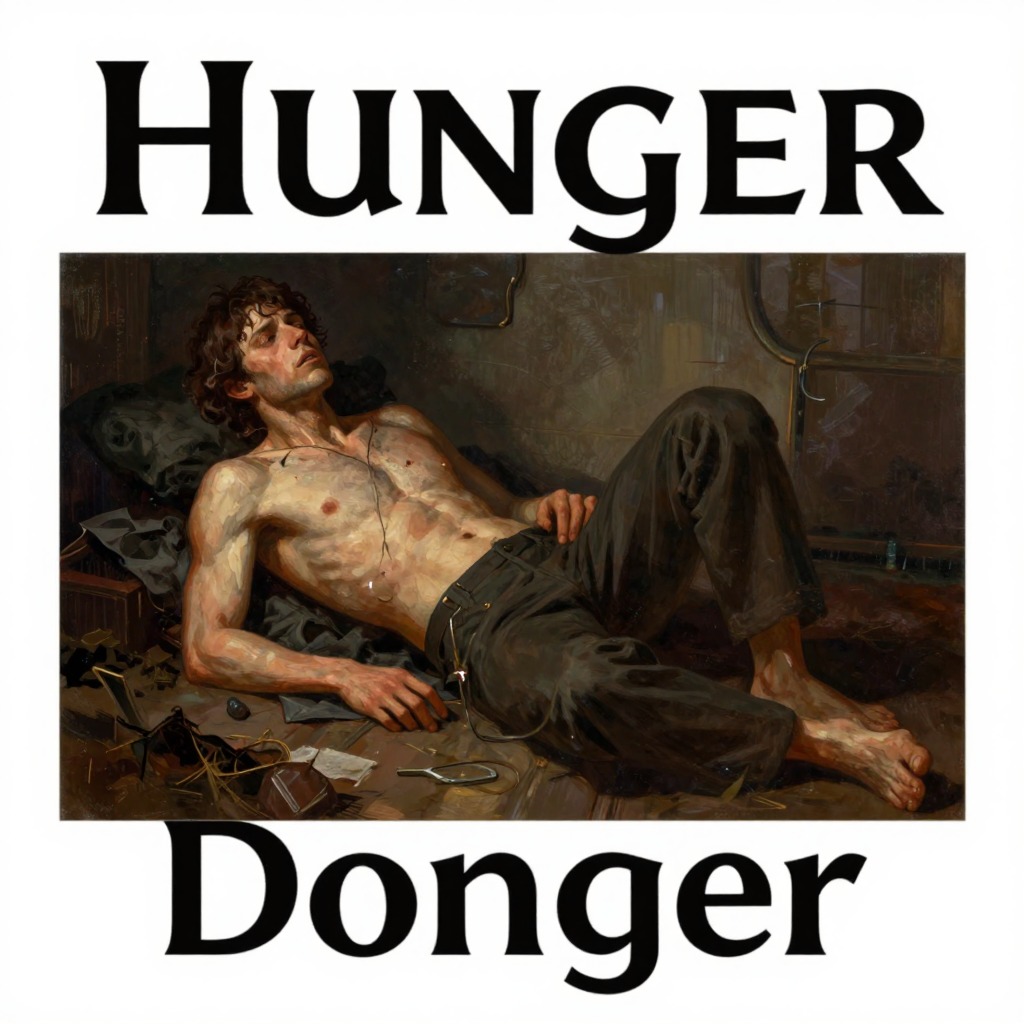
The Narrator's Moral and Physical Decline
The protagonist's gradual loss of honor, sanity, and physical health due to starvation and desperation.
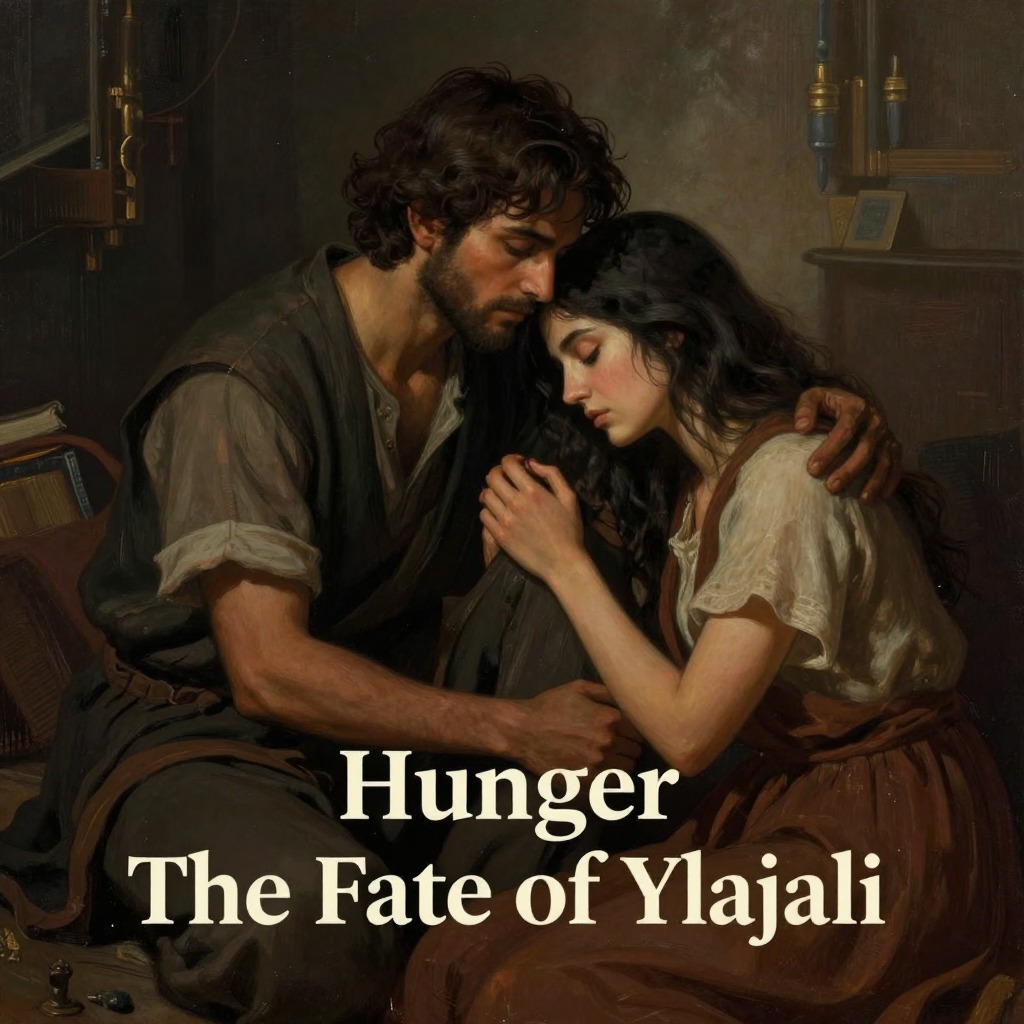
The Fate of Ylajali
Ylajali's role in the protagonist's life, from mysterious stranger to source of compassion and rejection.
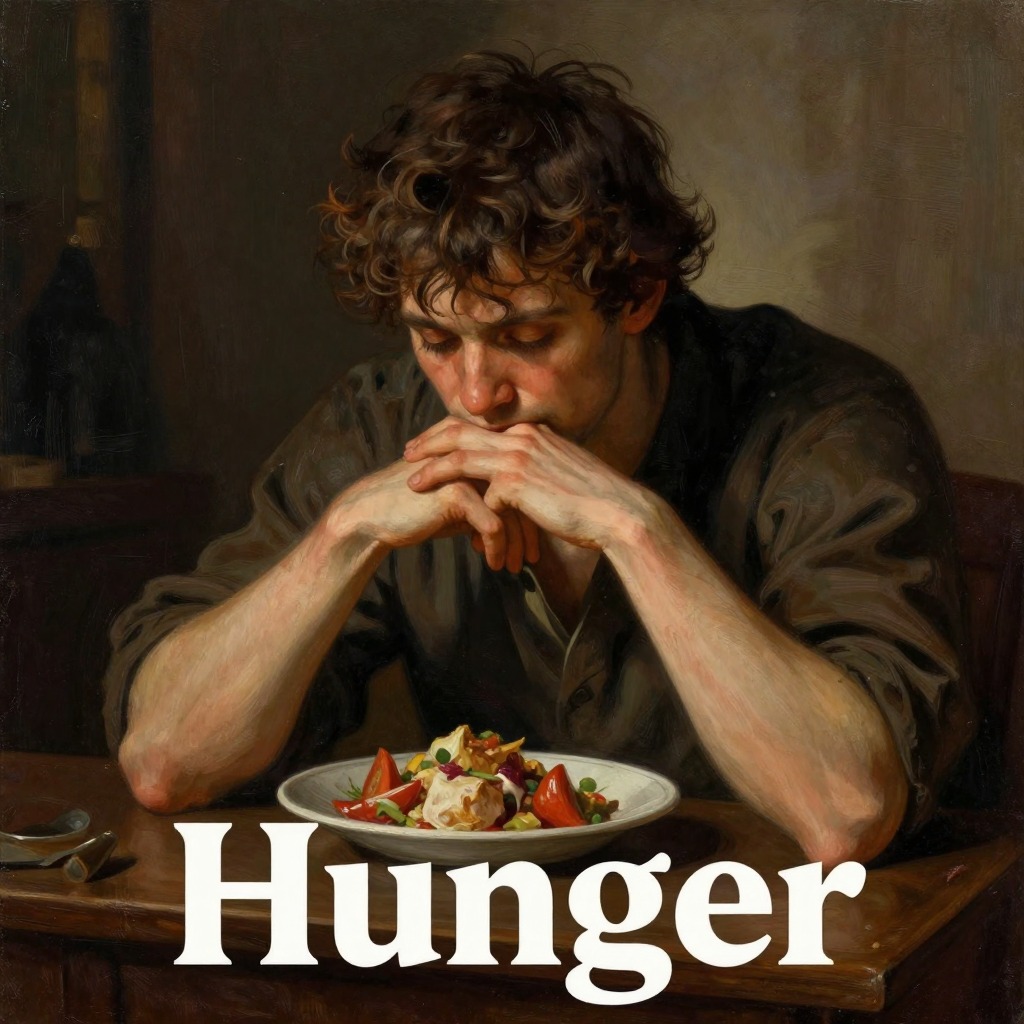
The Conflict Between Hunger and Pride
The protagonist's internal struggle between his physical need for food and his desire to maintain his honor and dignity.
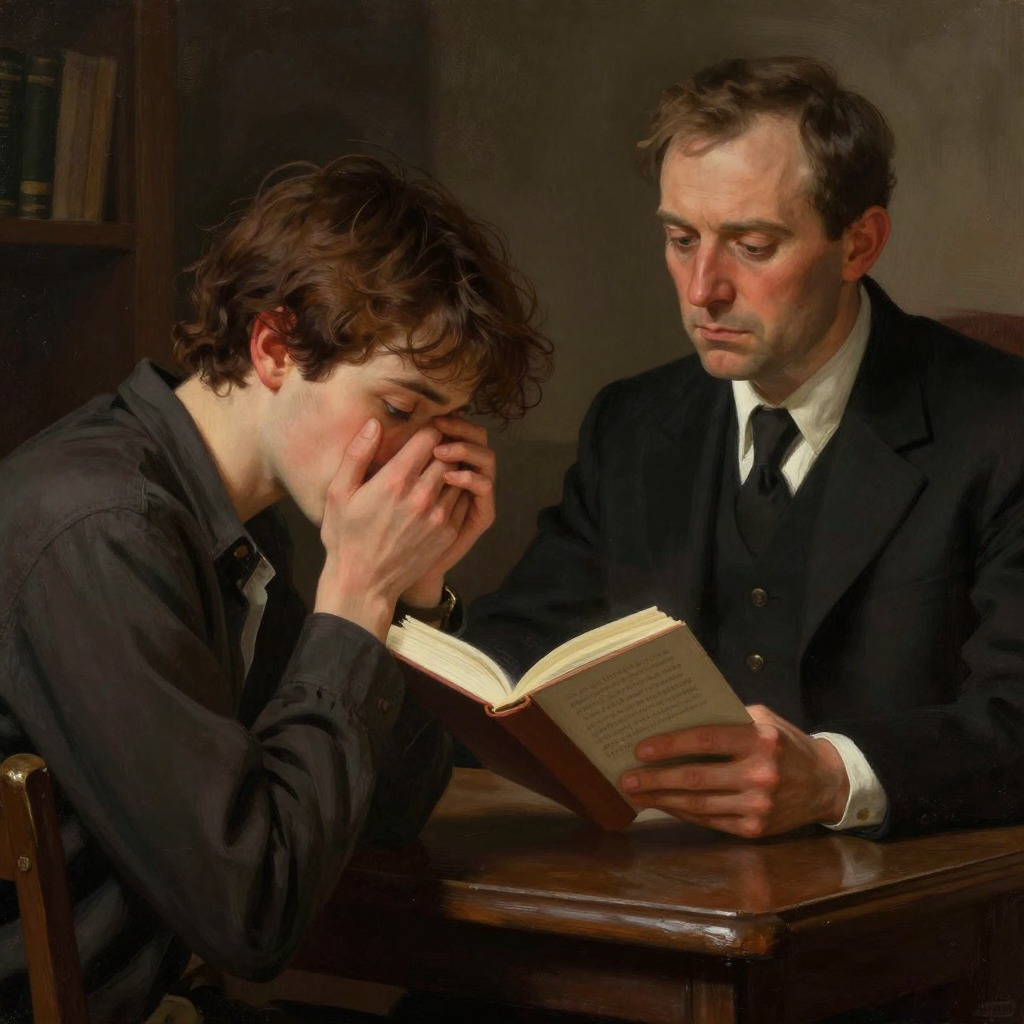
The Emotional Bond with the Editor
The protagonist's complex feelings of gratitude, shame, and dependency towards the Commandor, who offers him opportunities.

The Protagonist's Connection to the Street Girl
The brief encounter with a prostitute that reveals the protagonist's fluctuating self-esteem and moral posturing.
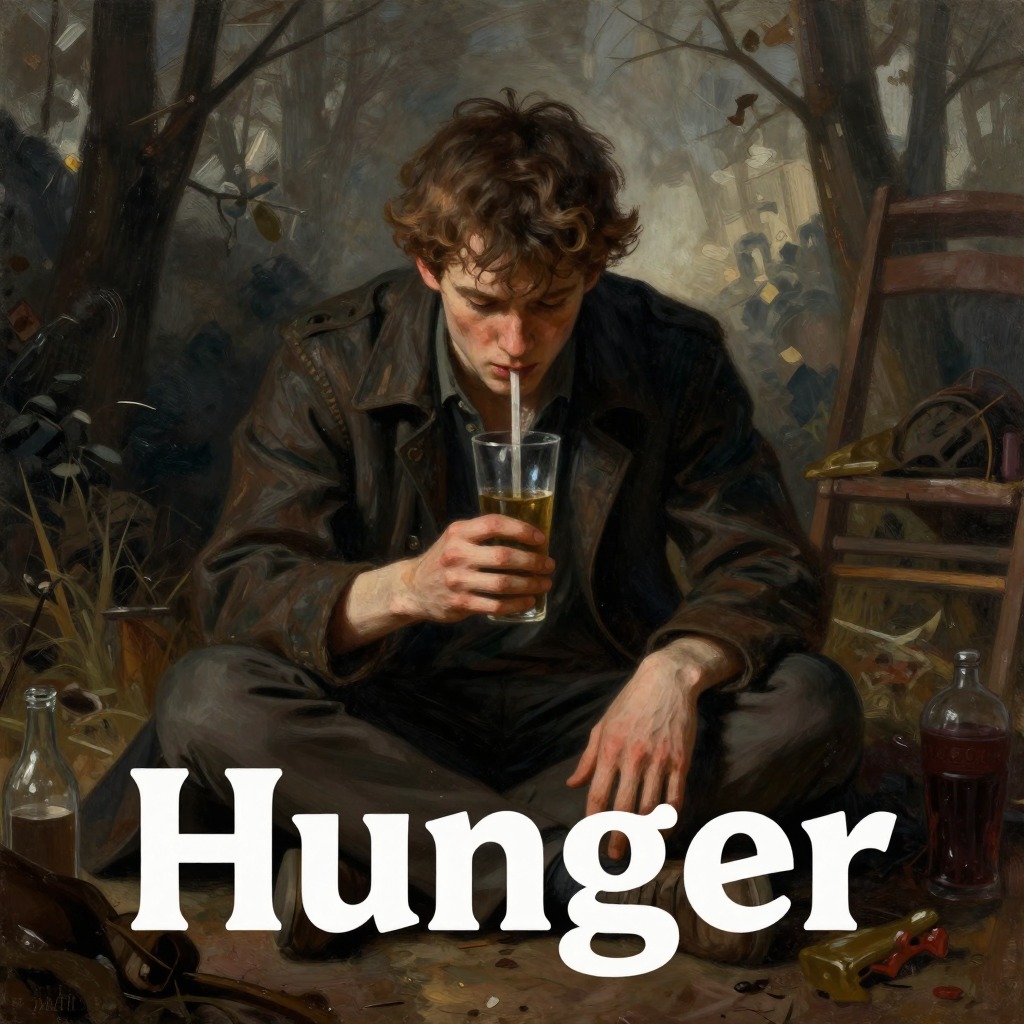
The Theme of Hunger as a Catalyst
How hunger drives the protagonist's actions, perceptions, and mental state, transforming him and his environment.
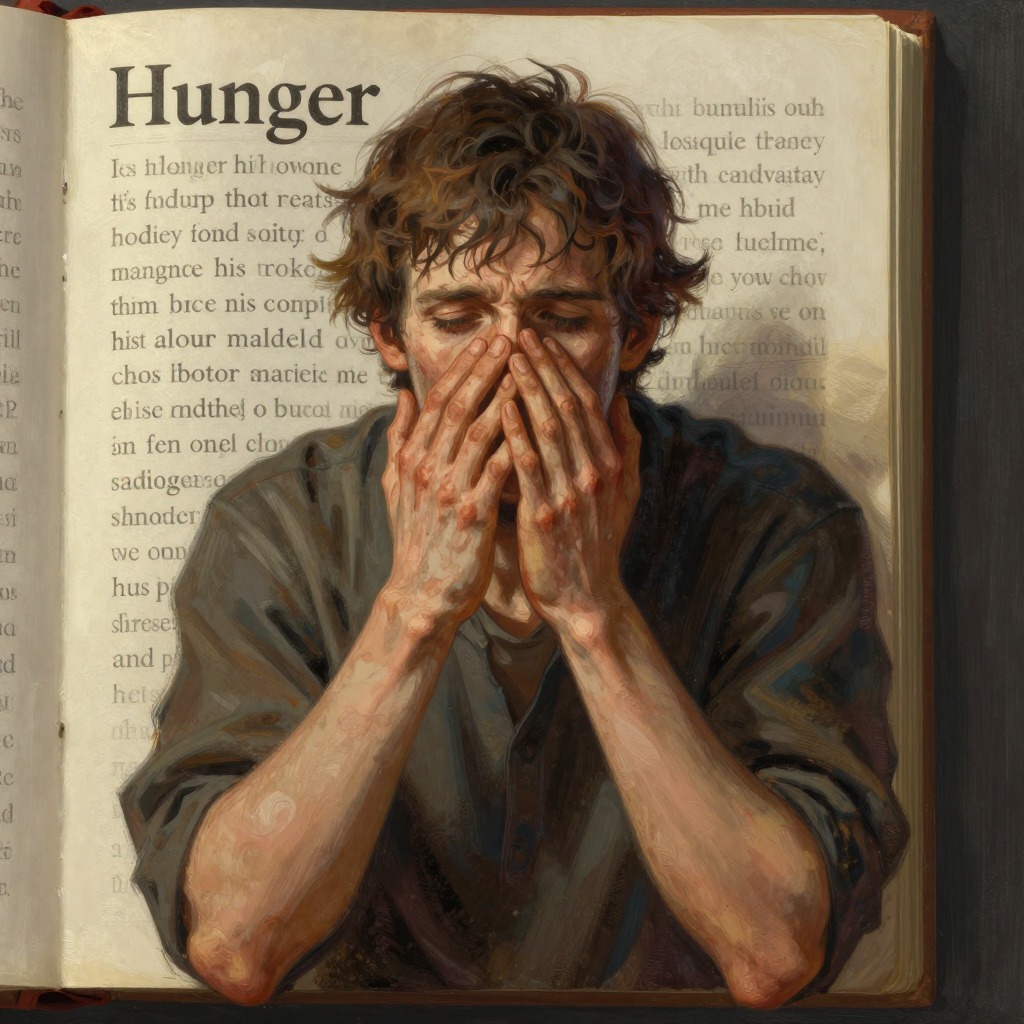
The Theme of Madness and Sanity
The protagonist's constant questioning of his own sanity, and the blurred line between madness and hunger-induced delirium.
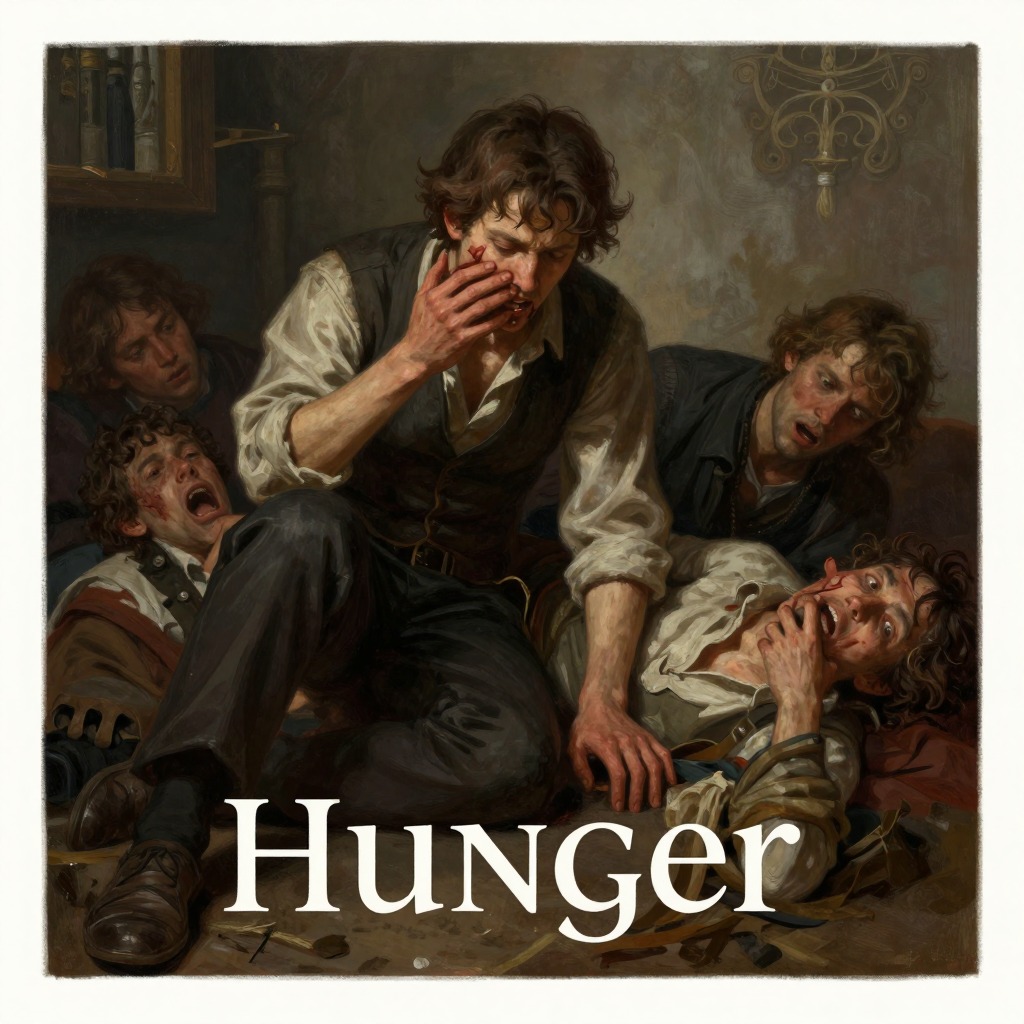
The Theme of Honor and Moral Degradation
The protagonist's struggle to maintain his integrity as his hunger forces him into increasingly dishonorable acts.
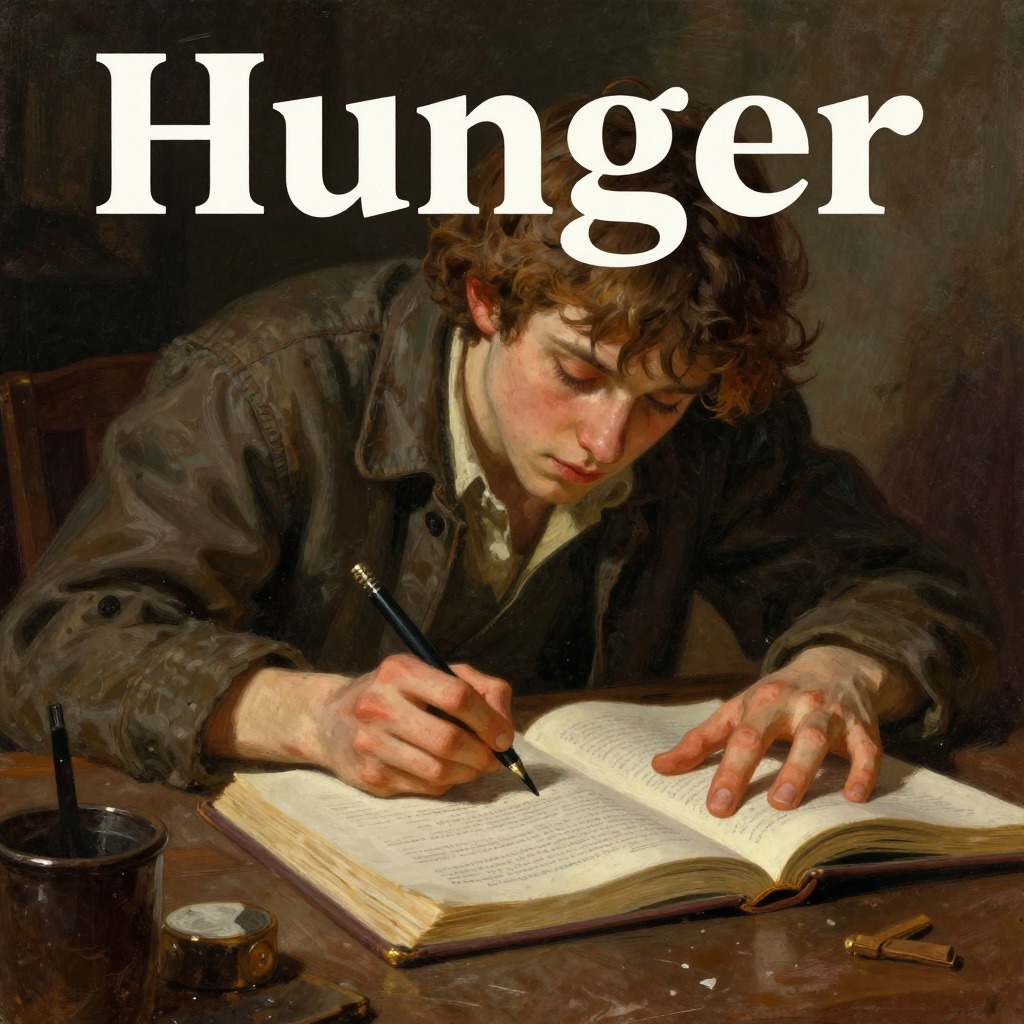
The Theme of Inspiration and Creativity
The protagonist's belief in inspiration as a divine force, and his struggle to produce work under duress.
The Theme of God and Religious Doubt
The protagonist's evolving relationship with God, from prayer to blasphemy, reflecting his inner turmoil.
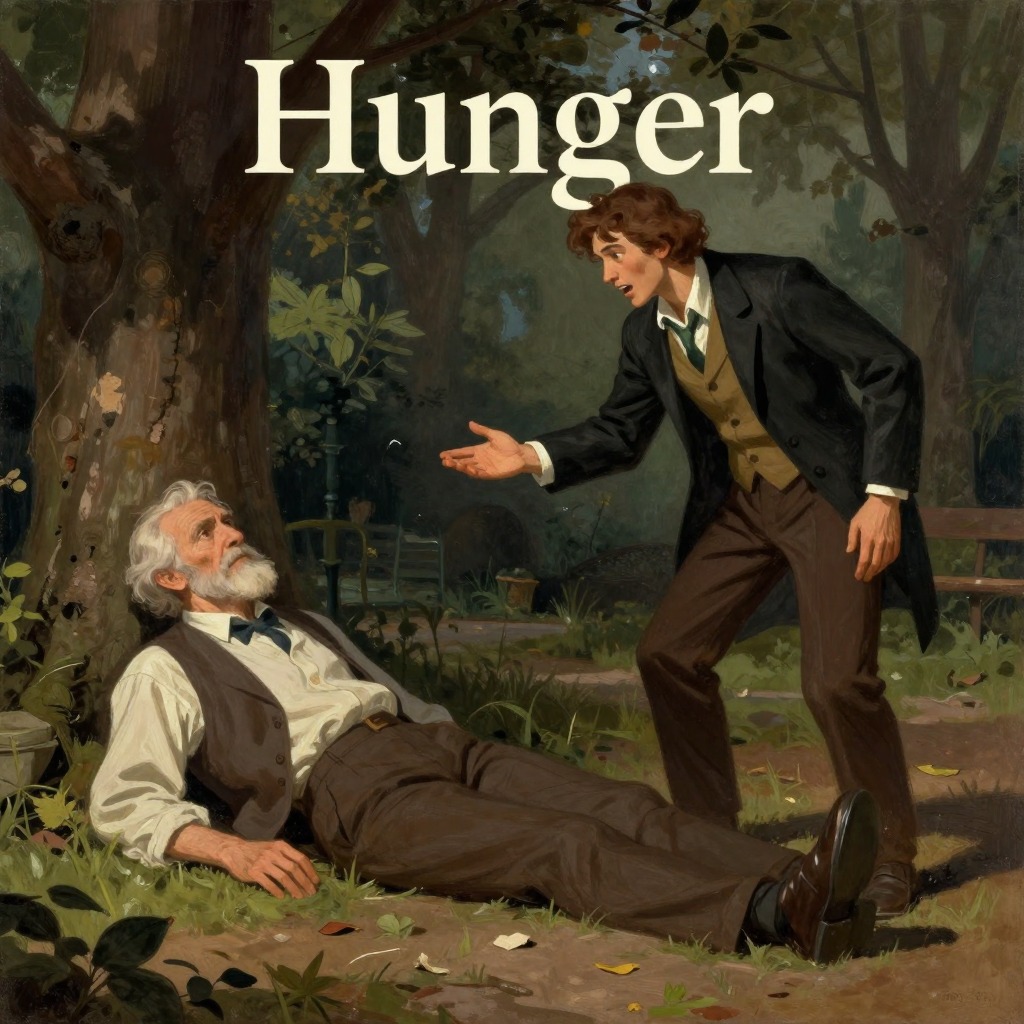
The Subplot of the Happolati Invention
The protagonist's invention of the fictional character Happolati and his elaborate lies to an old man in the park.
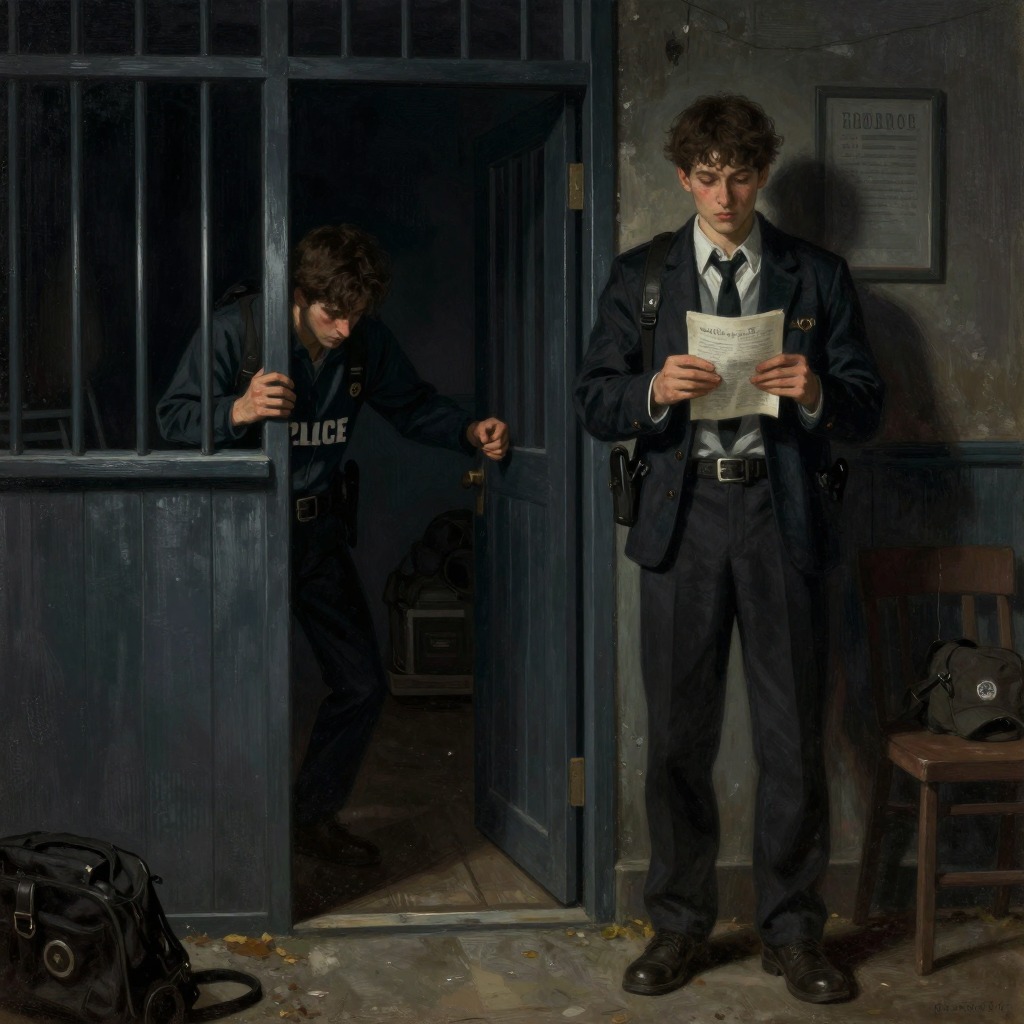
The Subplot of the Night in the Guardhouse
The protagonist's night in the police guardhouse, his false identity, and his struggle with darkness and madness.

The Subplot of the Cake Woman and the Five Shillings
The protagonist's attempt to give away the stolen money to a cake vendor, and his later demand for cakes.
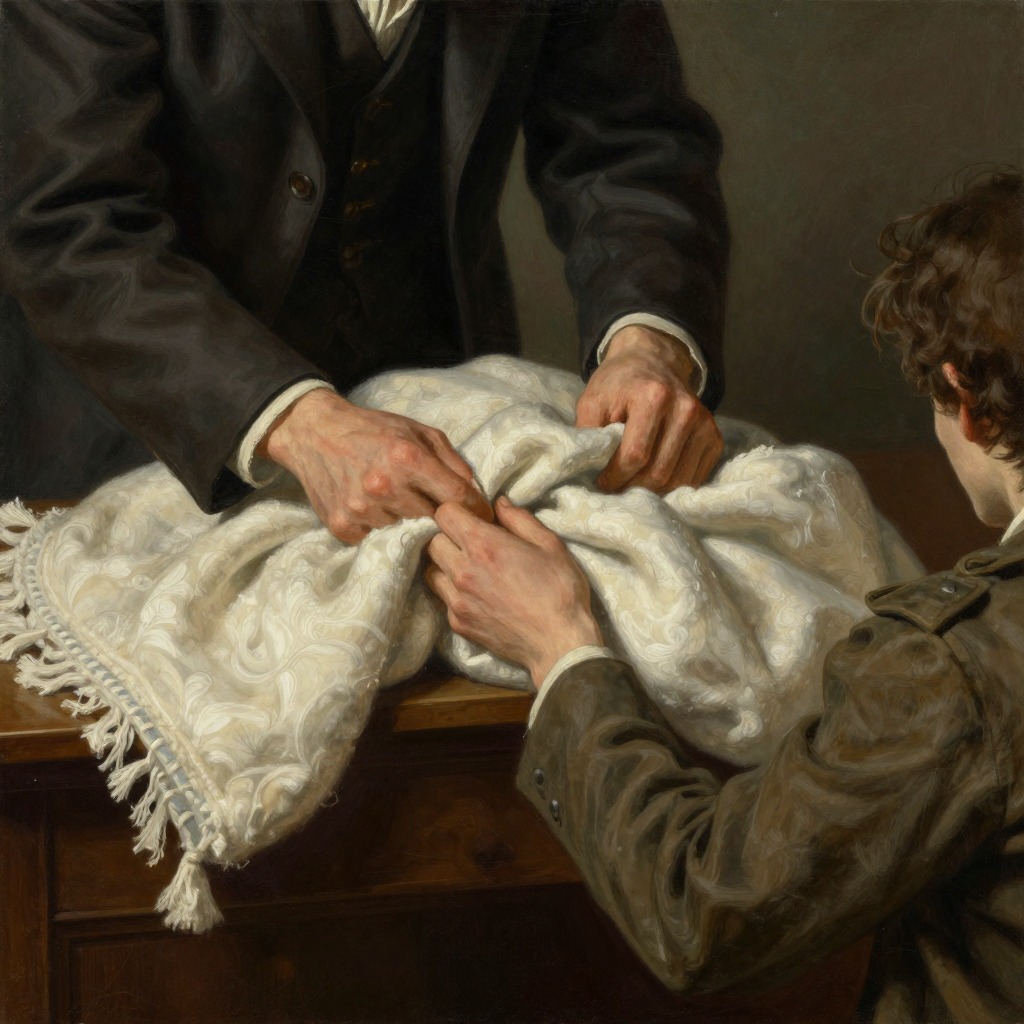
The Subplot of the Attempted Pawn of the Blanket
The protagonist's struggle over whether to pawn Hans Pauli's blanket, and his eventual relief at failing to do so.
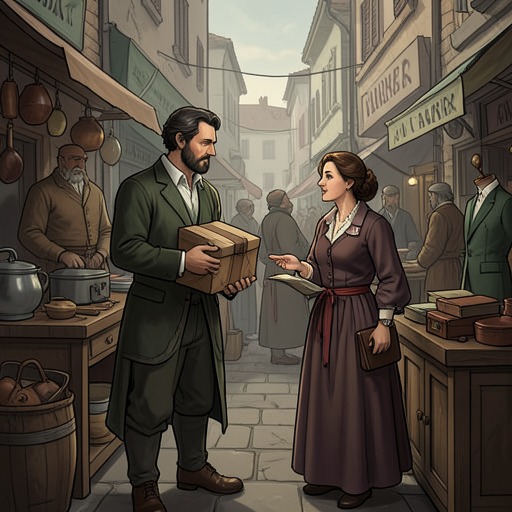
The Subplot of the Encounter with Missy
The protagonist's interactions with the acquaintance Missy, involving lies about his employment and a debt repayment.

The Subplot of the Begging at Cisler's
The protagonist's humiliating attempt to beg a shilling from the music seller Cisler, and the rejection he faces.
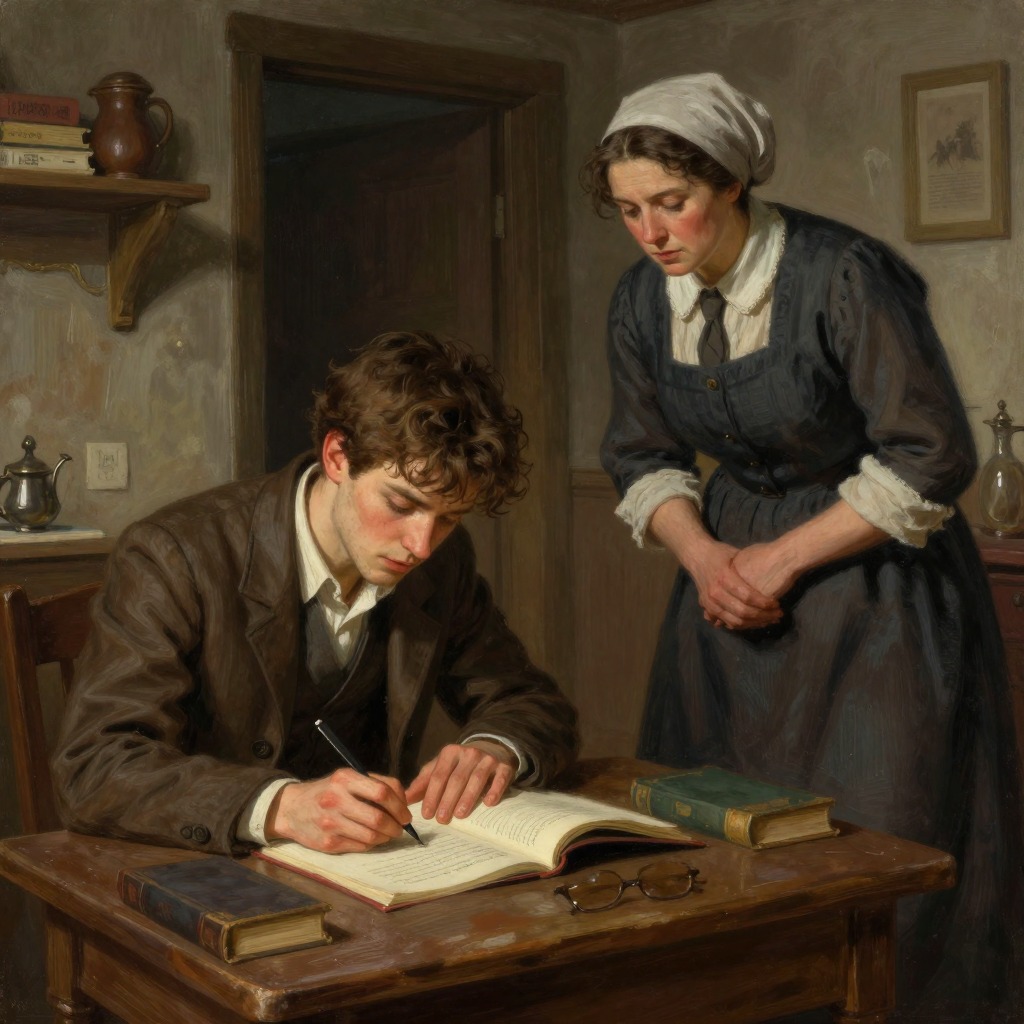
The Subplot of the Stay at the Lodging House
The protagonist's time at the lodging house in Vaterland, his attempts to write, and the growing hostility of the landlady.

The Fate of Hans Pauli Pettersen
The protagonist's friend Hans Pauli, who lends him a blanket and disappears from the story.
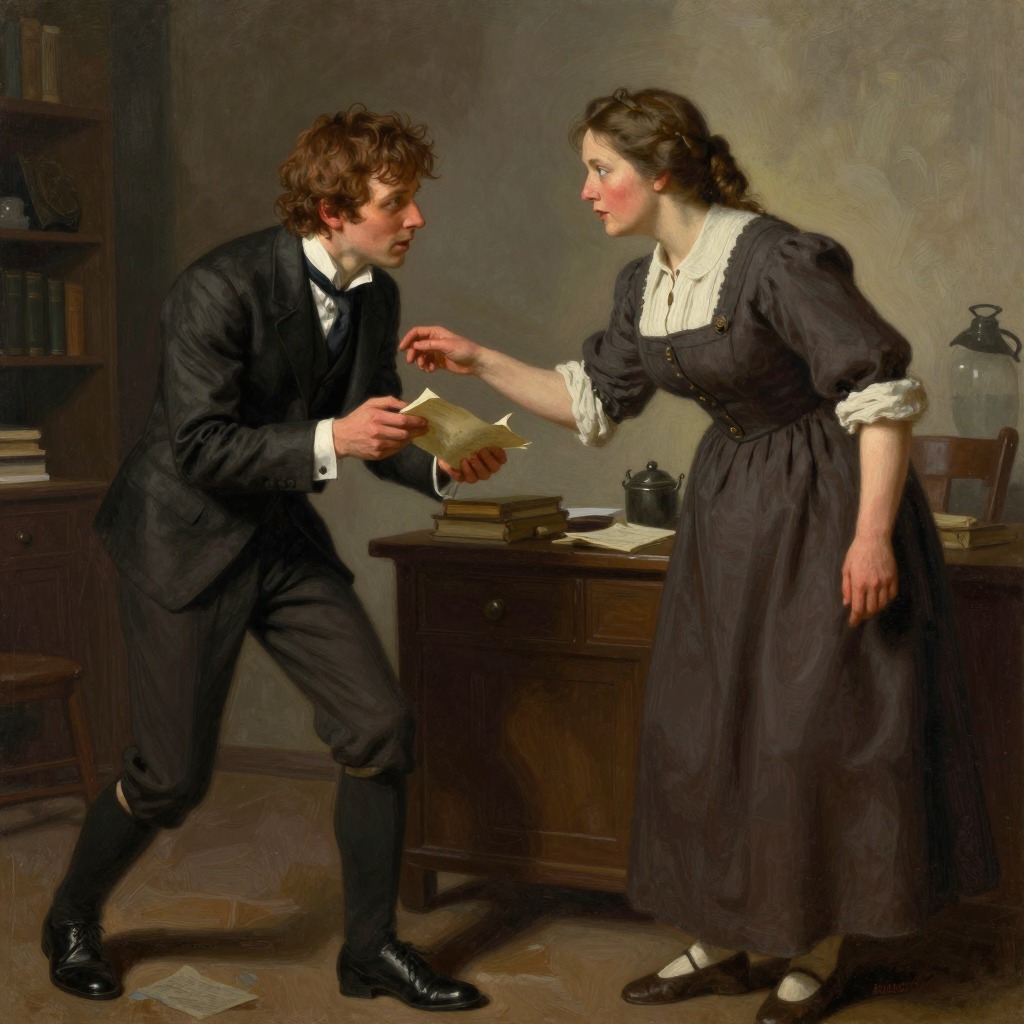
The Fate of Mrs. Gundersen
The protagonist's landlady at the beginning, who demands rent and from whom he flees.

The Fate of the Commandor
The editor who offers help and becomes a father figure, but whose faith in the protagonist is not fully repaid.

The Fate of the Landlady at the Lodging House
The pregnant landlady who evicts the protagonist, representing the hostility of the world.

The Conflict with the Landlady at the Lodging House
The escalating tension between the protagonist and the landlady, culminating in his eviction.
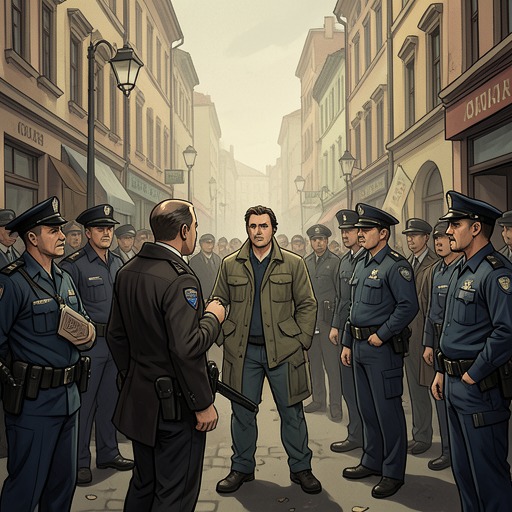
The Conflict with the Police
The protagonist's encounters with the police, from the guardhouse to the street confrontations.

The Emotional Bond with the Street Boy
The protagonist's brief connection with a little boy playing with paper streamers, to whom he gives a cake.

The Emotional Bond with the Red Rocking Chair
The protagonist's attachment to his only piece of furniture, a symbol of comfort and his former life.

The Emotional Bond with the Shaving Book
The protagonist's attachment to his shaving-book, a small possession that gives him a sense of dignity.
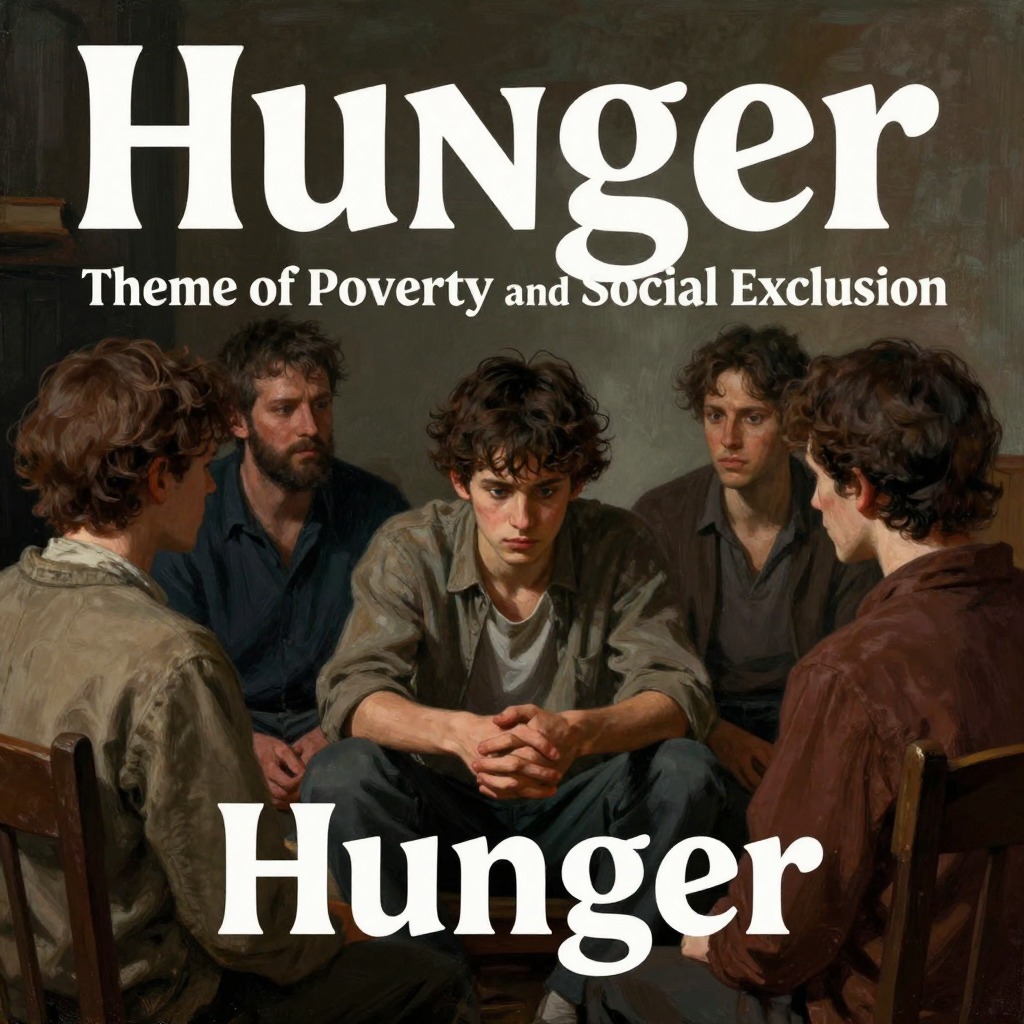
The Theme of Poverty and Social Exclusion
The protagonist's experience of poverty as a social stigma that isolates him from others.
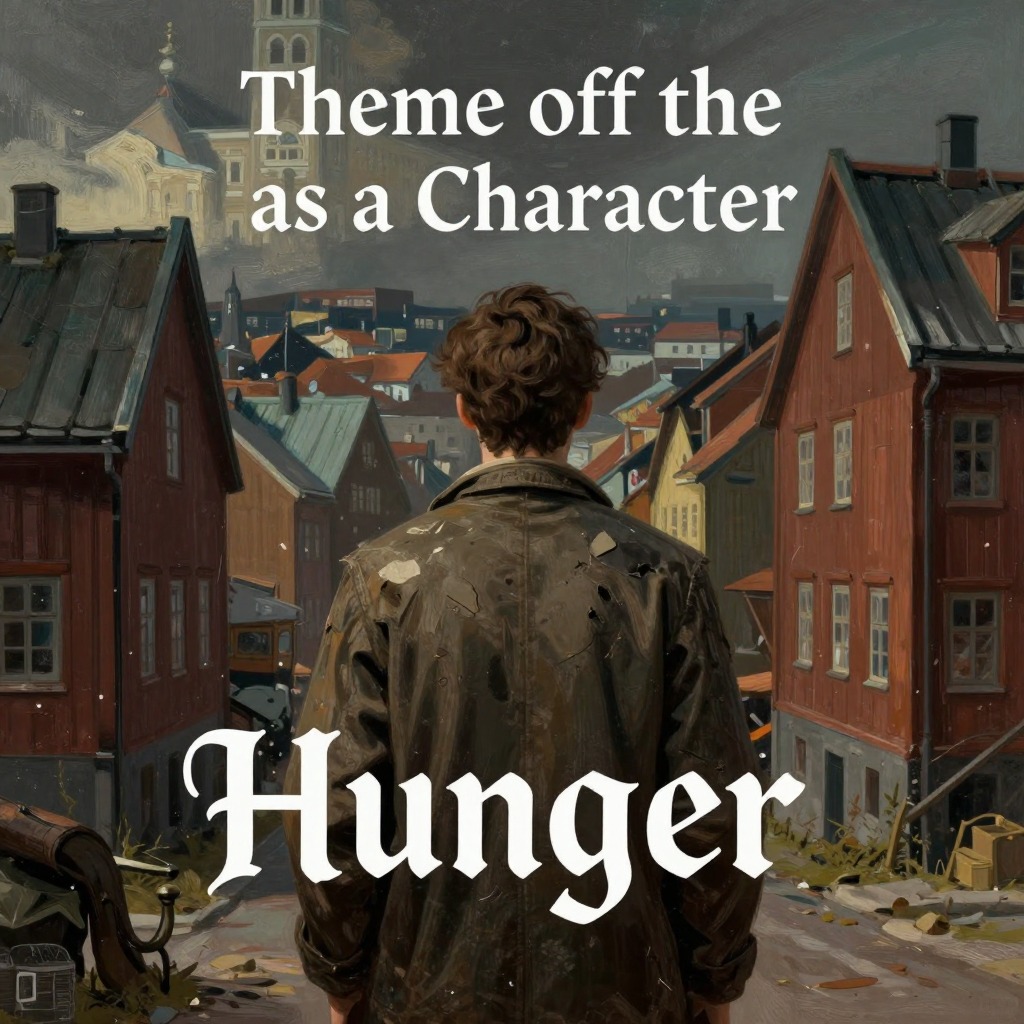
The Theme of the City as a Character
Christiania as a pervasive presence, shaping the protagonist's experience and leaving its traces on him.