Váyu
RamayanaVáyu is the wind deity and the father of Hanúmán, whom the poem calls the best of the monkey kind. His importance in these episodes is chiefly genealogical: Hanúmán’s descent is named as part of his identity, while the action belongs to the son, whose friendship, courage, and service make the paternal connection resonate across the story.
Identity and Parentage
The poem identifies Hanúmán as the son of Váyu, “him who breathes the wind.” The brief description establishes divine parentage without giving an account here of Hanúmán’s birth or of Váyu’s own deeds. Instead, it places the wind deity behind a figure whose strength and mobility become visible in action. The distinction matters: Váyu supplies a lineage, but the episodes emphasize what Hanúmán himself chooses and accomplishes.
Friendship at Pampá
After reaching the pleasant flood at Pampá on the counsel of a saintly woman, Ráma wins Hanúmán’s steadfast friendship. Hanúmán then counsels him as he tells of his grief. The scene presents Váyu’s son not merely as a figure of extraordinary strength but as a companion and adviser: his value to Ráma begins in loyalty and practical support. The narrative’s emphasis falls on a friendship formed in a moment of sorrow, giving Hanúmán’s divine parentage a human and relational context.
Prowess and Service
Hanúmán later invokes his proven prowess before a king, asking that his earlier deeds be remembered. The passage makes his strength part of his public standing, but it does not describe Váyu intervening on his behalf. The father-son connection remains a mark of identity; Hanúmán’s own record is what he offers as proof.
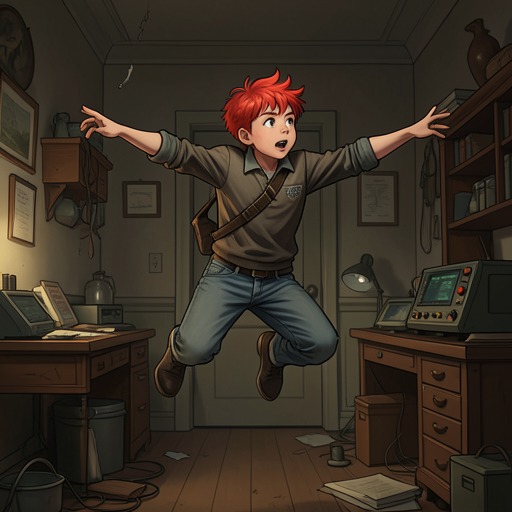
That record includes urgent service to the endangered. When ordered to fly to a mountain and bring back the Four Himalayan healing herbs, Hanúmán springs through the air and crosses the sea. The compressed movement from command to flight makes speed and action the answer to crisis. Elsewhere, he reaches Sítá beneath a tree while Rákshasa warders watch; her pallor, tangled hair, and disordered raiment reveal the depth of her despair. These episodes place Hanúmán’s inherited identity alongside distinct acts of rescue and discovery, without transferring their agency to Váyu.
Narrative Significance
Váyu’s presence in this material is therefore brief but structurally important. The repeated identification of Hanúmán as the wind deity’s son links divine descent with a character defined in practice by steadfast friendship, acknowledged prowess, and readiness to act. Yet the poem keeps the distinction clear: Váyu is named as father, while Hanúmán earns his place in the narrative through what he does.